
Font size
 Worksheets
Pacific Art
Total questions: 62
Worksheet time: 31mins
Grace and Hannah are studying geography and come across the term 'Polynesia'. They wonder, what is the meaning of the word 'Polynesia' in Greek?
Many islands
Large ocean
Small islands
Vast land
During a geography class, Neerav and Arnav were discussing the islands of the eastern Pacific. Neerav mentioned that these islands are known as _________. Can you help them fill in the blank?
Polynesia
the Caribbean
Melanesia
Galapagos Islands
Sarah and Ria are studying the arts of the Pacific. They discover that these arts are influenced by:
climate and environment
historical events
cultural traditions
all of the above
Which of the following is a theme ever-present in Pacific art?
Mountains
Sea
Forest
Desert
Harish and Kahan are visiting an art exhibition featuring works from different cultures. They notice a section dedicated to Pacific arts. How are Pacific arts distinguished?
By their unique styles and cultural significance
By their similarity to Western arts
By their use of modern technology
By their focus on abstract concepts
True or False: Pacific arts are only performed through dance.
True
False
Caydence and Insiyah are organizing a community event to showcase Pacific arts. What is central to the creation of and participation in these arts?
Community and tradition
Individual expression
Commercial success
Technological innovation
Wareesha and Nisha are studying ancient civilizations. They come across the ruins of Nan Madol and wonder about its historical timeline. The time period associated with Nan Madol is:
500-1500 AD
1500-1800 AD
1800-1900 AD
1900-Present
Nan Madol is built entirely out of gigantic magnetized ________ crystals.
basalt
granite
quartz
marble
What does the name 'Nan Madol' mean?
A) Spaces between
B) City of Water
C) Ancient Ruins
D) Coral City
What was the ancient city of Nan Madol the capital of?
Roman Empire
Saudeleur Dynasty
Ming Dynasty
Ottoman Empire
Caroline and Elsa are exploring ancient cities for their history project. They come across the city of Nan Madol. What is unique about this city?
It is the only city built on coral reefs.
It is the largest city in the world.
It is the oldest city in Europe.
It is the highest city above sea level.
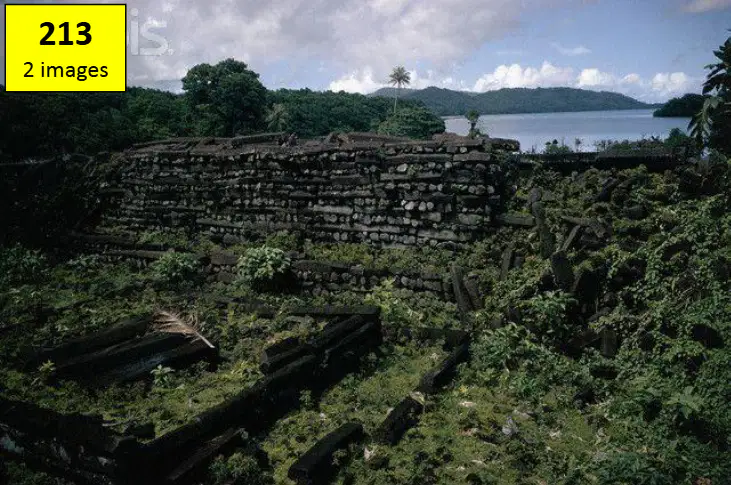
What was the purpose of the seawalls in Nan Madol?
To act as breakwaters
To provide housing
To grow crops
To mine minerals
Tanav and Jayden went on a hike to a famous volcanic site where they observed the unique rock formations. They learned that columnar basalt forms when flowing lava spreads several feet thick over a large area. True or False?
True
False
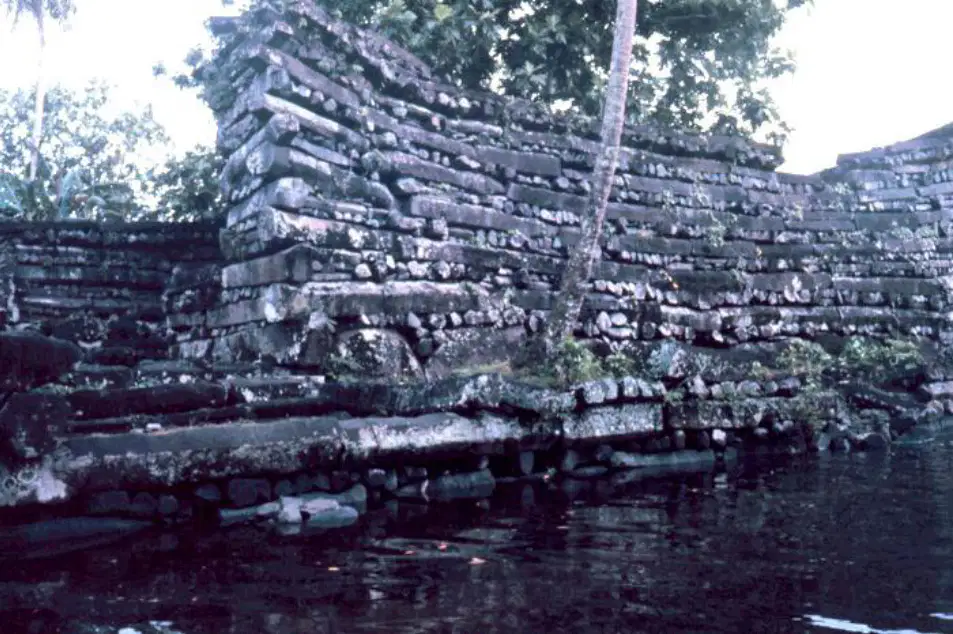
During a history class, Aarya and Smayan learned that the islands of Nan Madol consisted of seawalls made of columns of _______.
columns of basalt.
columns of limestone.
columns of granite.
columns of sandstone.
Moai are:
ancient statues on Easter Island
a type of Polynesian dance
a traditional Hawaiian dish
a species of bird
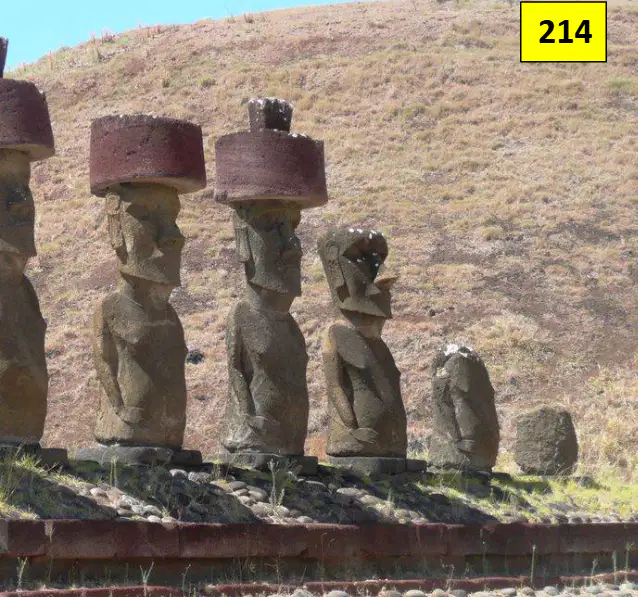
During a class trip to a museum, Gwen and Caroline learned about the Moai statues. They discovered that these statues were erected on which material?
Stone platforms
Wooden platforms
Metal platforms
Concrete platforms
What direction do the moai statues face with the exception of 7 statues?
Towards the ocean
Away from the ocean
Towards the mountains
Towards the sky
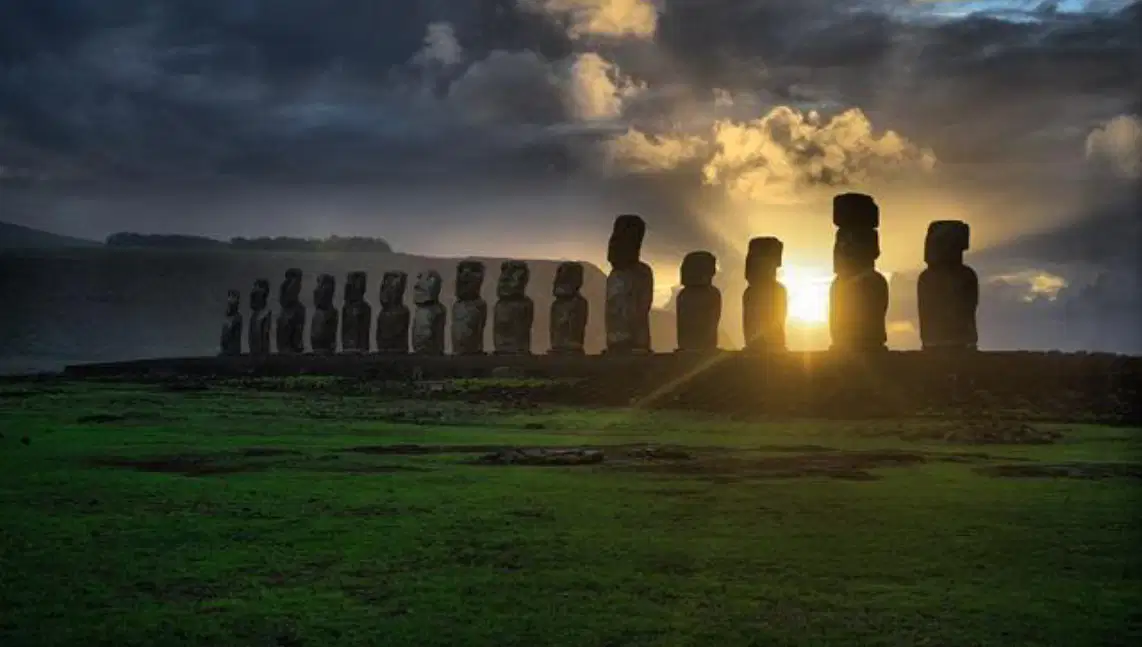
During a class trip to a museum, Arisha and Shriya learned that the moai statues were believed to represent:
Ancestors of the Rapa Nui people
Deities worshipped by the islanders
Symbols of peace and unity
Guardians of the island
What is the purpose of these statues?
To watch over the people
To help travelers find the island
To represent ancestors
To store sacred spirits.
Chief Nene is often remembered for his efforts in balancing which two cultures during his leadership?
Māori and Australian
Māori and Pacific Islander
Māori and American
Māori and European
What is the local name for Easter Island?
Rapa Nui
Isla de Pascua
Easter Island
Isla del Sol
What does 'Moai' mean?
A type of ancient Polynesian statue
A traditional Hawaiian dance
A sacred Maori meeting place
A Japanese art form
Which of the following are common features of the Easter Island statues?
Large heads with elongated ears
Intricate clothing details
Holding weapons
Depictions of animals
These statues are associated with which of the following themes?
Ancestral worship
Agricultural rituals
Astronomical observations
Maritime navigation
Captain Cook became the first European to set foot on which location?
Australia
Hawaii
New Zealand
Fiji
What did Cook call the islands where he first set foot in Hawaii?
Sandwich Islands
Cook Islands
Hawaiian Islands
Pacific Islands
The event that caused the natives to realize that the Europeans were not immortals was:
The Europeans' advanced technology
The Europeans' ability to speak multiple languages
The death of a European
The Europeans' navigation skills
Why did Captain Cook return to the main island after encountering a storm?
To repair the ship
To gather supplies
To seek medical help
To avoid further storms
True or False: Capt. Cook was 51 years old at his death.
True
False

What is the Hawaiian term for feather cloaks?
Ahu ʻula
Lei
Hula
Ukulele
What color was associated with both gods and chiefs across Polynesia?
Red
Blue
Green
Yellow
What materials were used to make the Cook Island Staff Gods?
Wood, tapa, fiber, and feathers
Stone, metal, and cloth
Wood, metal, and feathers
What is the body of the staff god wrapped in?
Silk cloth
Tapa cloth
Cotton cloth
Wool cloth

What happened to most staff gods?
They were preserved in museums.
They were destroyed or lost.
They were sold to collectors.
They were used in rituals.
The Nukuoro figures are (a) and abstract, with little detail.
Eashwar and Abdallah learned about the significance of Malagan sculptures in rituals. Describe their importance.
Malagan sculptures are used as decorative pieces in homes.
Malagan sculptures are significant in rituals as they represent the spiritual connection between the living and the dead.
Malagan sculptures are primarily used for trade and commerce.
Malagan sculptures are used in educational settings to teach art history.
During a cultural exchange program, Ria and Pradyn learned that Malagan masks can represent ________.
Malagan masks can represent various aspects of culture, identity, and the deceased in the context of the Malagan ceremonies in Papua New Guinea.
Malagan masks are used exclusively for entertainment purposes.
Malagan masks are only used in weddings.
Malagan masks are symbols of wealth and prosperity.
During a cultural studies class, Naira and Sarah learned about Malagan ceremonies. What is the primary purpose of these ceremonies?
To celebrate weddings
To commemorate the death of important men and women of the community
To celebrate harvest
To welcome new leaders.

These masks are made from which materials?
Wood and natural fibers
Metal and plastic
Glass and ceramics
Stone and clay
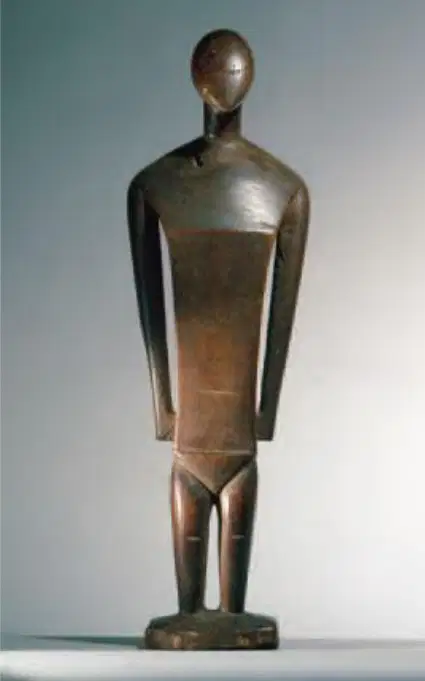
Rachel and Maya visited a museum exhibit on Nukuoro culture. How were the deity figures regarded and adorned in Nukuoro culture?
They were regarded as sacred and adorned with traditional garments and ornaments.
They were considered ordinary and left unadorned.
They were regarded as evil and adorned with symbols of protection.
They were seen as playful and adorned with colorful paints.
During a cultural exchange program, Smayan and Sayan learned about a supernatural force or power, which may be concentrated in objects or persons. What is this force called?
Mana
Tapa
Pukoa
Moai
During the New Zealand Wars, what position did Chief Nene take regarding the British colonial forces?
He opposed them completely.
He remained neutral and uninvolved.
He supported them in the conflict
He led an uprising against them.
Who was the artist of the famous painting depicting Chief Nene?
Charles Goldie
Gottfried Lindauer
Ralph Hotere
Frances Hodgkins
Which culture is most commonly associated with Malagan masks?
Maori
New Ireland
Torres Strait Islander
Hawaiian
What do the designs and motifs on Malagan masks often represent?
Personal achievements
Everyday life
Weather patterns
Ancestral spirits or mythology
In traditional ceremonies, tapa cloth is often used for which of the following purposes?
Serving food
Wrapping meat
Decoration and ceremonial attire
Building structures

Which work is pictured?
Nan Madol
Temple of Angkor Wat
‘Ahu ‘ula
Borobudur Temple

Which work is pictured?
‘Ahu ‘ula
Staff god
Moai on platform
Female deity

Which work is pictured?
‘Ahu ‘ula
Fijian mat
Hiapo (tapa)
Tamati Waka Nene

Which work is pictured?
Malagan mask
Staff god
Moai on platform
Nan Madol

Which work is pictured?
Moai on platform
Staff god
‘Ahu ‘ula
Female deity

Which work is pictured?
Malagan mask
Tamati Waka Nene
Buk mask
Transformation Mask

Which work is pictured?
‘Ahu ‘ula
Hiapo (tapa)
Nan Madol
Navigation chart

Which work is pictured?
Tamati Waka Nene
Hiapo
Staff god
Nan Madol

Which work is pictured?
Fijian mat
Hiapo Tapa
Navigation chart
Madol Map

Which work is pictured?
Malagan mask
Moai
Staff god
Buk mask
Who were the first indigenous people of Australia?
Aborigines
Maori
Chuukese
Melanesians

What was the purpose of Stick Charts?
To separate rocks from sand.
To help with navigation in the ocean
To hold fresh fruit while they dry in the sun
To seperate rooms in a house

What was the purpose of the Easter Island Heads?
Good luck charms to bring good weather
Sculptures representing their gods
Scare off any invaders to the island
Honor their ancestors who had passed away.

How is Fiji Bark Cloth made?
Bark is laid in the street where villagers walk over the bark to make it soft
Bark is left in the ocean for 10 days before decorating with patterns
Bark is striped from the tree, soaked and then pounded to make it soft


