
 Worksheets
Environmental Engineering and Oil Spill Clean Up Quiz
Total questions: 25
Worksheet time: 28mins
Which method uses microorganisms to break down oil?
Manual removal
Bioremediation
Skimmer
In-situ burning
What is the function of powders and granules?
To burn oil
To absorb oil
To disperse oil
To pump oil
Which method involves using heat to clean oil spills off rocks?
High-pressure washing
Oil boom
Sawdust
Gelatin treatment
What is a potential downside of using hay on large masses of water?
It evaporates quickly
It can become a pollutant
It is too expensive
It is not effective
What is the role of small droplets in bioremediation?
They slow down the clean-up process
They increase the oil spill size
They result in a quicker clean-up
They repel microbes
What does manual removal of oil involve?
Using machines to remove oil
Using hand tools such as rakes, shovels, pans, and brooms
Using chemicals to dissolve oil
Using fire to burn oil
In what situation is manual removal of oil especially useful?
In deep ocean waters
In oiled shorelines with limited access
In areas with high temperatures
In areas with strong winds
What is the only method available when heavy machinery cannot reach oil-polluted areas?
High-pressure washing
Manual removal
Chemical dispersants
Biological agents
What is a common and highly effective method for beach cleanups?
Chemical dispersants
Manual removal
Burning
Skimming
What is the main advantage of mechanical removal over manual removal?
It is cheaper
It is faster
It is more environmentally friendly
It requires fewer people
What is the purpose of using heavy machinery in oil spill cleanups?
To burn the oil
To scoop up oil in greater quantities
To disperse the oil
To freeze the oil
What is the role of the cleanup crew in manual removal?
To operate machinery
To collect oil in buckets
To apply chemicals
To monitor wildlife
How long might it take for a shore to be completely restored after high-pressure hot water washing?
A few days
A few weeks
Many years
A few months
What happens to the gelled material when it is heated?
It becomes solid.
It separates from the oil.
It evaporates.
It dissolves in water.
What consistency do residues from in-situ burning assume?
Liquid-like
Powder-like
Toffee-like
Gel-like
What is the role of a vacuum pump in oil spill recovery?
To disperse oil
To absorb oil
To remove oil
To burn oil
What happens to most of the oil recovered through absorption devices?
It is reused.
It is sent to landfills or incinerated.
It is stored for future use.
It is sold to other companies.
Which of the following tools is NOT used during the skimming process for oil spill clean ups?
skimmer
dispersant
boom
boats
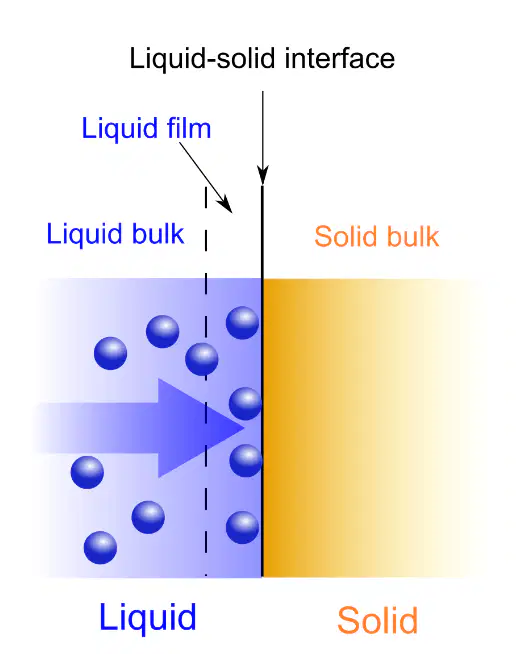
Which method of oil spill clean up does the diagram model?
Skimming
Absorption
Adsorption
Dispersant
Identify two pros and two cons of using chemical dispersants to clean up oil spills.
Identify two pros and two cons of using booms to clean up oil spills.
Identify two pros and two cons of using adsorbent materials to clean up oil spills.
Identify two pros and two cons of skimming as an oil spill clean up method.
Identify two pros and two cons of using controlled burns to clean up oil spills.
Identify two pros and two cons of using biological organisms to clean up oil spills.

