
 Worksheets
Unit 9 Review
Total questions: 51
Worksheet time: 52mins
Which biomolecule comprises both DNA and RNA
Which biomolecule produces sugars and starches?
Which biomolecule is made of carbon, hydrogen, oxygen and nitrogen?
Join together to form macromolecules
Create protiens
Store energy
Split to make more cells
What is a fat molecule that stores energy?
lipid
protein
carbohydrate
What is a type of nucleic acid that is found in ALL cells?
nucleotides
amino acids
DNA
What is the basic building block of matter?
atom
cell
What is the basic building block of all living things?
atom
cell
What are the four major macromolecules ?
carbohydrates, proteins, lipids, and water
carbohydrates, proteins, water, and alkaines
carbohydrates, proteins, lipids, and nucleic acids
carbohydrates, proteins, lipids, and amini acids
A monosaccharide is the monomer for which biomolecule:
Lipid
Carbohydrate
Nucleic Acid
Protein
The monomer for nucleic acids is called a:
(a)
Which biomolecule has amino acids as their monomer?
Carbohydrate
Nucleic acid
lipid
protein
Lipids have which of the following monomer:
Glycerol & fatty acids
amino acids
monosaccharide
nucleotide
C,H,O,N,P are the elements in
Nucleic acid
Protein
Carbohydrate
Lipid
Carbs and lipids are similar because they...
Are a source of energy for living organisms
Help with immune response
build structures such as cellulose and chitin
Contain the same elements (CHO)
Match the following functions to the biomolecule
Act as hormones
Lipid
Build muscle
Protein
Carry genetic information
Nucleic acid
Energy source (cellular respiration)
Carbohydrate
which of the following is a good source of carbohydrates?
pasta
red meat
veggies
Glucose, lactose, sucrose are all examples of
plants
sugars
proteins
vitamins
the small, basic unit of macromolecules
monomer
polymer
monosaccharides
polysaccharides
What is the function of carbohydrates
short term energy
long term energy
makes up cell membranes
makes up genetic material

What is a biomolecule?
The dissolved particle in a solution
One of the by-products of respiration
Large molecule that is present in living organisms
None of the above
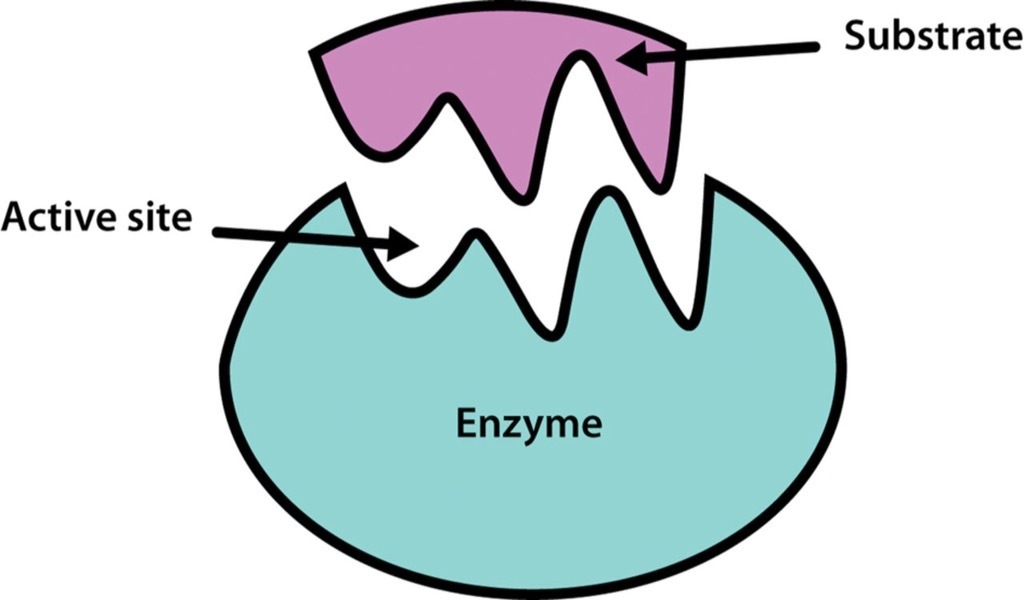
Which biomolecule is hydrophobic?
Carbohydrates
Lipids
Proteins
Nucleic Acids
What do plants need to perform photosynthesis?
Love
Soil with a high nitrogen (N) content
Water (H2O) + Carbon Dioxide (CO2) and Sunlight Energy
Pollinators such as bees and hummingbirds
What is created as a result of Photosynthesis
ATP Energy
Water (H2O) and Carbon Dioxide (CO2)
Proteins and lipids
Glucose (C6H12O6) + Oxygen (O2)
In which cell organelle does PHOTOSYNTHESIS take place?
The chloroplast
The mitochondria
The cytoplasm
The golgi apparatus
Where in the cell does cellular respiration take place?
The chloroplasts
The golgi apparatus
The mitochondria
The cell wall
The prefix hydro- means
earth
water
sun
cells
The suffix -phobic means
fear
loving
pho
phone
What is it called when the cell membrane selects what can and cannot go into the cell
selection process
selective choosing
selective permeability
selective choice
This is when heat is absorbed, it is an
Exothermic reaction
endothermic reaction
both
none
When heat is released it is an
exothermic reaction
endothermic reaction
both
none

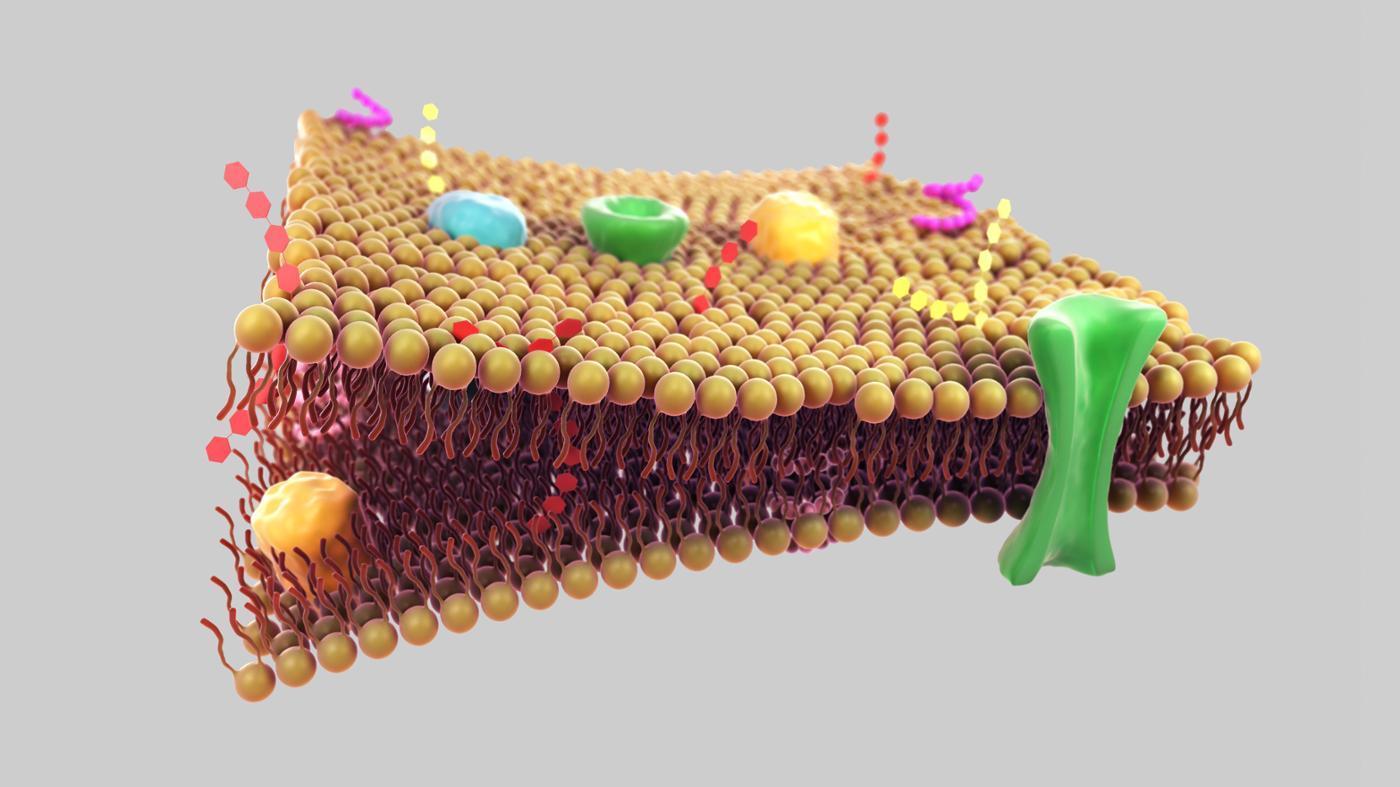

Butter and oil are examples of which biomolecule?
Carbohydrate
Lipid
Protein
Nucleic Acid
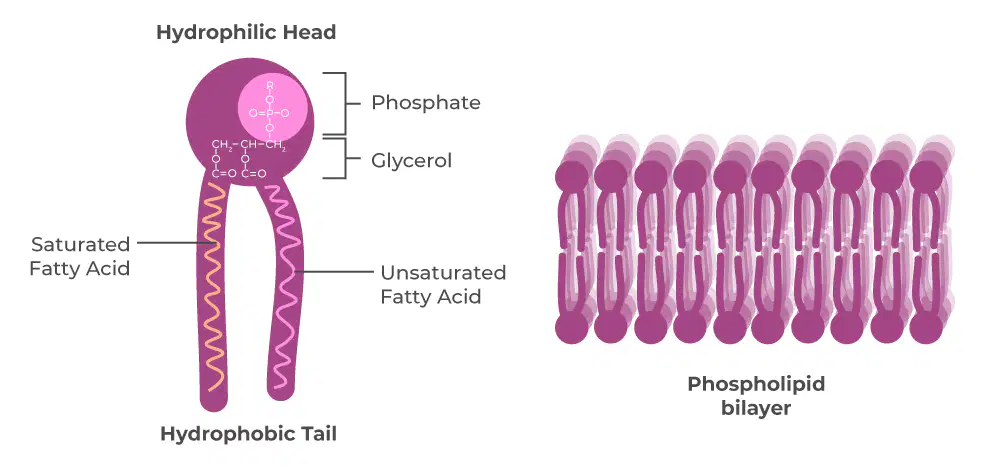
Which biomolecule provides long term energy storage?
amino acids
lipids
nucleic acids
proteins
carbohydrates
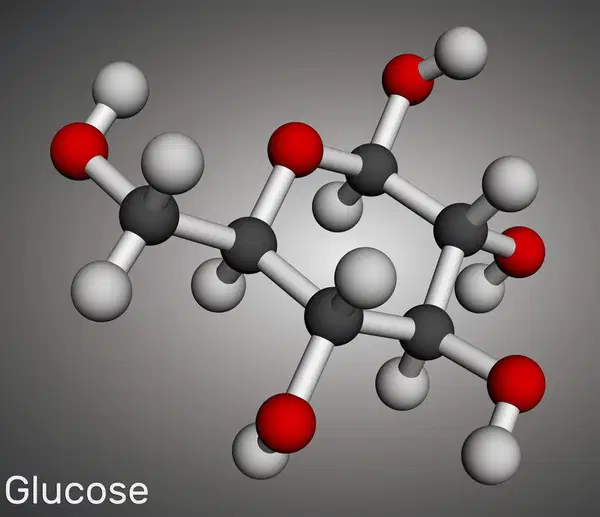
Which biomolecule provides quick energy?
amino acids
lipids
nucleic acids
proteins
carbohydrates
Which elements are found in ALL biomolecules?
phosphorus
carbon
oxygen
nitrogen
hydrogen

The food that plants produce during photosynthesis is called _____________.
sucrose
CO2
glucose
Cellular Respiration involves the chemical breakdown of _____ to form ATP Energy
Fats
Fructose
Glucose
Proteins
What are the building blocks of proteins?
Nucleic acids
Amino acids
Glucose
Fatty acids
The process in which plant cells make energy
Exothermic
Endothermic
Cellular Respiration
Photosynthesis

