
 Worksheets
Who's Helping Who? Exploring Ecological Partnerships
Total questions: 18
Worksheet time: 29mins
Instructions: Read each scenario below and:
Identify the ecological relationship being described.
Represent the relationship using the symbols (+/+), (-/-), (+/0), (+/-).
Explain your reasoning for the chosen symbols, considering the nuances of the interaction.
Key:
(+): Benefits
(-): Harmed
(0): Neutral (not affected)
Mycorrhizal Fungi and Plant Roots: Mycorrhizal fungi live in close association with plant roots. The fungi enhance the plant's ability to absorb water and nutrients from the soil, while the plant provides the fungi with 1 carbohydrate produced through photosynthesis.
Relationship:
Symbols:
Explanation:
Instructions: Read each scenario below and:
Identify the ecological relationship being described.
Represent the relationship using the symbols (+/+), (-/-), (+/0), (+/-).
Explain your reasoning for the chosen symbols, considering the nuances of the interaction.
Key:
(+): Benefits
(-): Harmed
(0): Neutral (not affected)
Algae and Coral: Algae, specifically zooxanthellae, live within the tissues of coral. The algae provide the coral with food through photosynthesis, and the coral provides the algae with protection and nutrients. However, under stress, coral can expel the algae, leading to coral bleaching.
Relationship (Normally):
Symbols (Normally):
Relationship (Under Stress):
Symbols (Under Stress):
Explanation:
Instructions: Read each scenario below and:
Identify the ecological relationship being described.
Represent the relationship using the symbols (+/+), (-/-), (+/0), (+/-).
Explain your reasoning for the chosen symbols, considering the nuances of the interaction.
Key:
(+): Benefits
(-): Harmed
(0): Neutral (not affected)
Walnut Trees and Surrounding Plants: Walnut trees produce a chemical called juglone, which is released into the soil. Juglone inhibits the growth of many other plant species, giving the walnut tree a competitive advantage.
Relationship:
Symbols:
Explanation:
Instructions: Read each scenario below and:
Identify the ecological relationship being described.
Represent the relationship using the symbols (+/+), (-/-), (+/0), (+/-).
Explain your reasoning for the chosen symbols, considering the nuances of the interaction.
Key:
(+): Benefits
(-): Harmed
(0): Neutral (not affected)
Tapeworms and Human Intestines: Tapeworms live in the human intestines, absorbing nutrients from the digested food. They can cause malnutrition and other health problems for the human host.
Relationship:
Symbols:
Explanation:
Instructions: Read each scenario below and:
Identify the ecological relationship being described.
Represent the relationship using the symbols (+/+), (-/-), (+/0), (+/-).
Explain your reasoning for the chosen symbols, considering the nuances of the interaction.
Key:
(+): Benefits
(-): Harmed
(0): Neutral (not affected)
Various Plant Species competing for sunlight in a dense forest.
Relationship:
Symbols:
Explanation:
Scenario:
A species of ant lives in acacia trees. The ants defend the acacia tree from herbivores and remove competing plants growing near the tree. The acacia tree provides the ants with shelter and food in the form of nectar and protein-rich nodules. If the tree becomes too damaged the ants relocate, and it loses its defensive advantage. If an outside animal comes and eats the ant's food, the tree loses its defensive advantage.
Multiple Relationships: This scenario can show more than one relationship. Describe the relationships involved and use the correct symbology and explain your answers.
Explanation:
A chimpanzee eats fruits, nuts, leaves, and small mammals. What kind of organism is a chimpanzee?
carnivore
decomposer
producer
omnivore
What would be a good example of a primary consumer?
carnivore
detrivore
decomposer
herbivore
As human beings occupy the top level in any food chain, the maximum concentration of these chemicals get accumulated in our bodies. This phenomenon is known as
Biological magnification
Biological accumulation
Chemical magnification
Chemical accumulation
Which of the following is NOT a category of consumers?
Herbivore
Carnivore
Autotroph
Omnivore
Which of these organisms is an herbivore?
bison
mountain lion
wolf
fungus

What does biodiversity mean?
Only one species in an area.
The different amount of species in an area
All abiotic life
Nitrogen fixation

Whish habitat has the highest biodiversity?
Area A
Area B
Area C
Area D
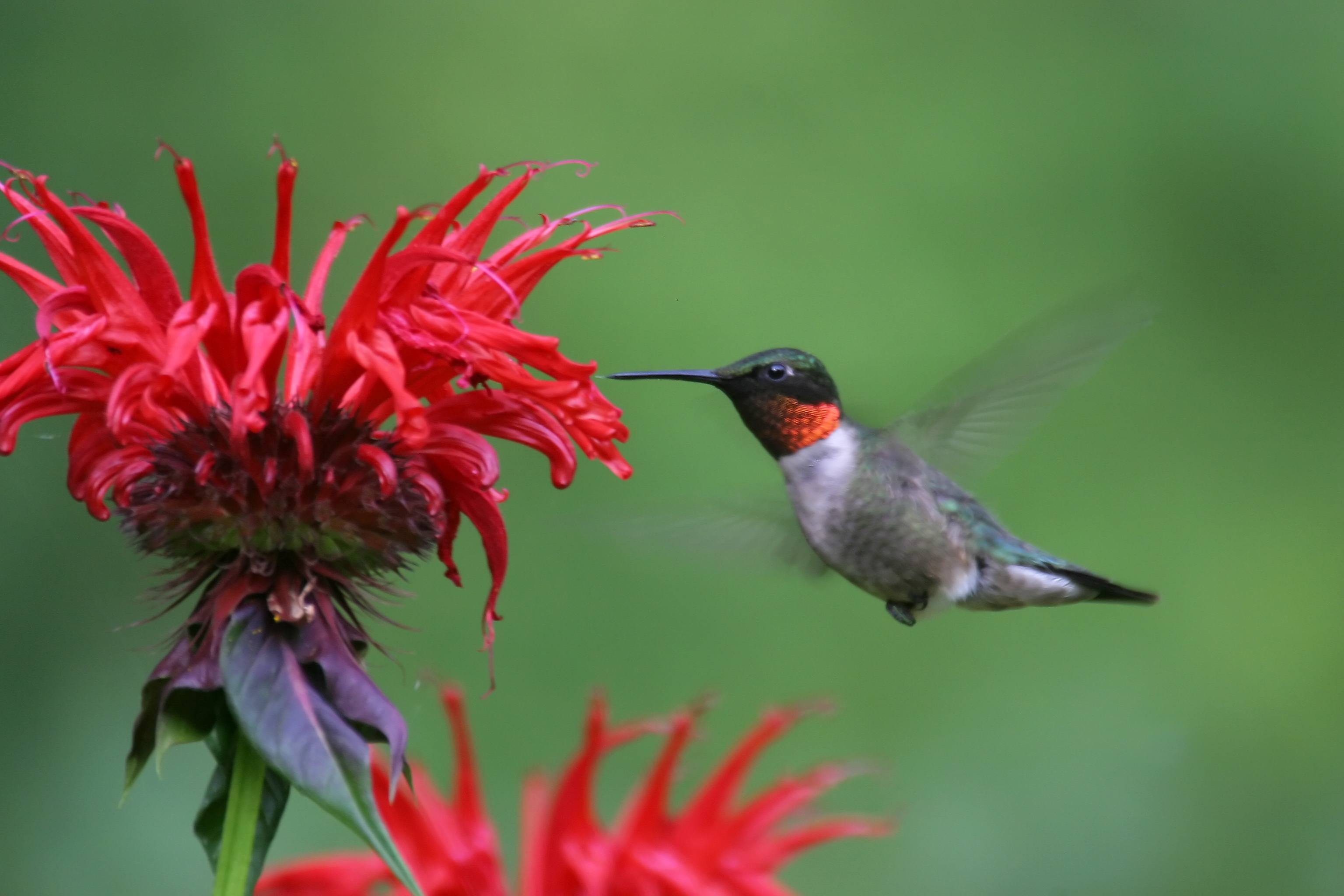
Scenario:
A remote island ecosystem features a unique species of flightless bird, the "Xyloavian," that relies heavily on a specific type of fruiting tree, the "Lignocarpus." The Lignocarpus tree's seeds are dispersed exclusively by the Xyloavian, which consumes the fruit and deposits the seeds in its droppings throughout the island. A parasitic vine, the "Strangula," occasionally attaches to the Lignocarpus trees, weakening them and reducing fruit production. However, a specialized species of ant, the "Formica arboris," fiercely defends the Lignocarpus trees from the Strangula vine by attacking and removing the vine's tendrils. The ants, in turn, feed on a sugary secretion produced by the Lignocarpus tree's leaves. Additionally, a predatory beetle, the "Cicindelidae insularis," hunts the Formica arboris ants. However, the Xyloavian birds also consume the Cicindelidae insularis beetles when the beetles are abundant.
Task:
Construct a detailed food web illustrating all the relationships described in this scenario.
Identify and label all the ecological relationships present (mutualism, parasitism, predation, competition, commensalism, comensalism) between each pair of interacting species.
Analyze the potential impact of a sudden decline in the Xyloavian population on the entire island ecosystem, explaining your reasoning in detail.
Hypothesize what other relationships may exist, that are not stated, and why they may exist.
Explain how a change in the amount of rainfall on the island could affect the entire ecosystem.
Explanation/Reasoning Required: For each relationship and impact analysis, you must provide detailed explanations and justifications for your conclusions.

