
 Worksheets
G11.U10.Practice Listening
Total questions: 29
Worksheet time: 1hrs 4mins
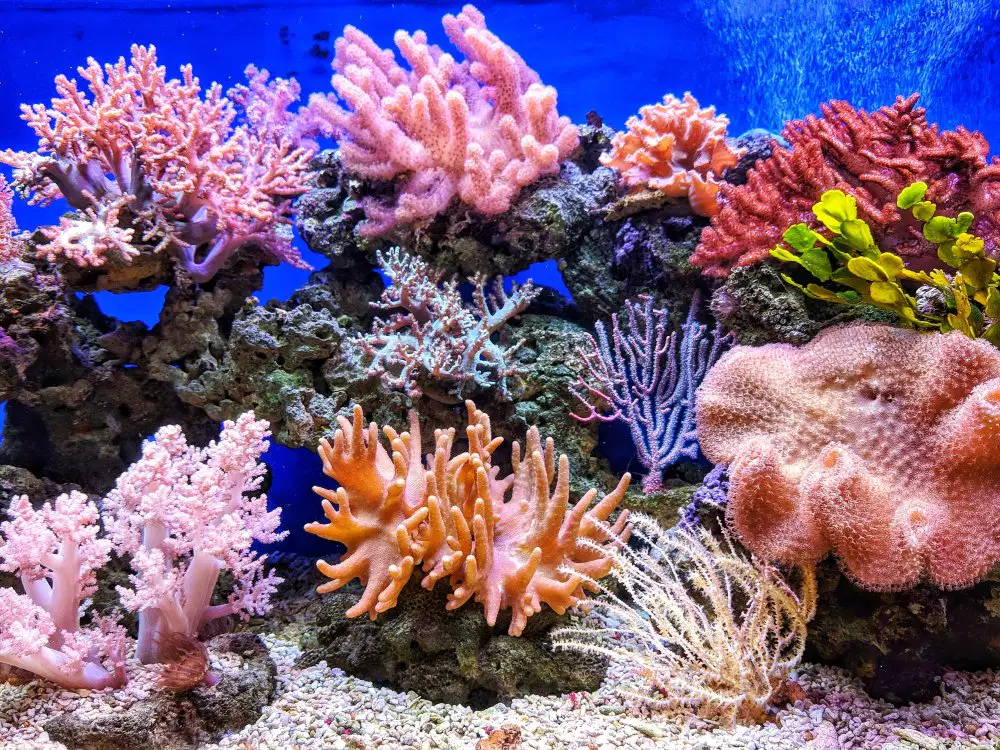
Coral reef
What does it mean? nó có nghĩa là gì?
a plant that grows in the sea.
một loại cây mọc ở biển.
a line of hard rock formed by coral, found in warm sea water.
một dải đá cứng được hình thành từ san hô, tìm thấy trong nước biển ấm

food chain
What does it mean? Nó có nghĩa là gì?
the order in which living things depend on each other for food.
trật tự mà các sinh vật phụ thuộc vào nhau để lấy thức ăn
the order in which food is provided
thứ tự mà thực phẩm được cung cấp

run out
what does it mean? nó có nghĩa là gì
to use all of something
sử dụng tất cả mọi thứ
to experience something unexpectedly
trải nghiệm điều gì đó một cách bất ngờ

break down
what does it mean? nó có nghĩa là gì?
to make smaller
to stop working
Match the following

break down

run out

coral reef

food chain
What can you hear?

rạn san hô

chuỗi thức ăn

hết cạn kiệt

hỏng hóc
What can you hear?
rạn san hô
chuỗi thức ăn
hết cạn kiệt
hỏng hóc
What can you hear?
rạn san hô
chuỗi thức ăn
hết cạn kiệt
hỏng hóc
What can you hear?
rạn san hô
chuỗi thức ăn
hết cạn kiệt
hỏng hóc break down
What can you hear? Bạn nghe thấy gì?
'Hết cạn kiệt'
(a)
What can you hear? Bạn nghe thấy gì?
'rạn san hô'
(a)
What can you hear? Bạn nghe thấy gì?
'chuỗi thức ăn'
(a)
Match the following
biodiversity conversation
bảo tồn đa dạng sinh học
the importance of ecosystems
tầm quan trọng của hệ sinh thái
an environmental expert
chuyên gia về môi trường
environmental club
câu lạc bộ về môi trường
Good morning. I’d like to introduce Dr Steve Logan – (a) with a lot of experience in biodiversity conservation . He’ll talk about
(b) at our environmental club’s meeting. Please welcome, Dr Logan.
What will the environmental expert talk about?
the importance of ecosystems
environmental conversation
biodiversity
What does the environmental expert have experiences about?
the importance of ecosystems
environmental conversation
biodiversity conversation
Good morning. I’d like to introduce Dr Steve Logan – an (a) expert with a lot of experience in (b) conservation . He’ll talk about the importance
(c) at our environmental club’s meeting. Please welcome, Dr Logan.
Good morning. I’d like to introduce Dr Steve Logan – an (a) expert with a lot of experience in (b) conservation . He’ll talk about the importance
(c) at our environmental club’s meeting. Please welcome, Dr Logan.
What will the environmental expert talk about?
What does the environmental have experiences about?
Why is Dr Logan invited to give a talk?
Because he knows Nam.
Because he’s an expert in biodiversity conservation.
Because he’s a member of the environmental club.
Which of the benefits provided by a healthy ecosystem is NOT mentioned?
Cleaning our air and water.
Controlling climate changes.
Recycling waste naturally.
How much of the coral reefs has disappeared?
25%
50%
90%
How much of the coral reefs has disappeared?
25%
50%
90%
(a) of our coral reefs have disappeared and it’s believed that (b) of the world coral reefs will die by 2050 due to warming oceans and pollution.
Half of our (a) have disappeared and it’s believed that 90% of the world coral reefs will die by 2050 due to (b) and pollution. We’ve cut down (c) of the world’s forests to make space for farming or houses. As a result, many animals and plants have lost their (d) , and many species are (e) .
Reorder the following
people
are destroying
the balance of
local ecosystems,
aren’t they?
That’s right. One day we may not have (a) to breathe or water to use. This may happen if we (b) the fine balance among all living and (c) in the (d) .
As species (a) , the (b) may break down. We may run out of food, suffer from (c) and face more (d) . So what can we do to restore (e) ?

