
 Worksheets
Unit 5 Exam
Total questions: 50
Worksheet time: 41mins
Where would you NOT find lots of unused land?
Rural Areas
Urban Areas
Which term below describes the following: Tightly packed living conditions.
Ghetto
Rural
Population
Urban
Urban Sprawl consists of what?
Uncontrolled Suburban Growth
Freeways
Tunnels
Sky Scrapers
Which of the following is required for a city to operate efficiently?
Buc-ee's
Movie Theaters
Cars
Infrastructure
Boyd is an Urban area
True
False
A Mega City is defined by needing to have a population over 15 million people.
True
False
Urbanization is the process of a city shrinking
True
False
Farmland is a common occurrence in a rural area
True
False
A Pub/Bar was an infrastructural building that helped increase population during our "Urban Game" activity.
True
False
An example of a Megalopolis in the United States is _____________.
NYC-BOS-PHI
LA
CHI-LA-MN
DAL-HOU-AUS
______ is the term that describes how many people live in a given area. It is also a type of map we have covered in class before.
Population Density
Density
Geography
Demographics
The continent with the most Mega-Cities in the world is ______ .
Asia
Africa
Europe
South America
______ can help a city run efficiently and grow.
5$ Footlong
Infrastructure development
Cultural diversity
Economic opportunities
The mitochondria in a cell, an organelle that produces energy can best be compared to a ______ in a city.
power plant
library
school
hospital
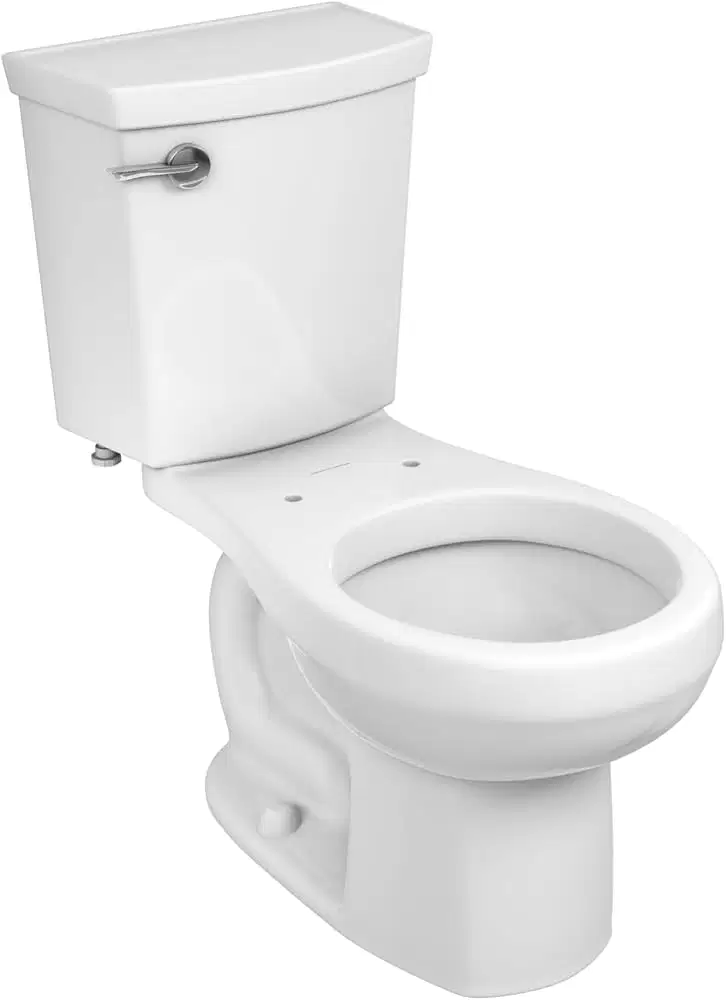
In the city of Mumbai, India, how many people are there per ONE toilet?
100
1000
6 7
600
What would the Nucleus of a cell be compared to in a city? (Type of building)
Library
Police Station
Post Office
City Hall/Town Hall
Which of the following would be the best area to grow food for a state?
Rural
Suburbs
Recreational Areas
Urban
What is the name of this Unit? (It has been in google classroom for the past 5 weeks, and may be somewhere around the room, Stay in your seat**)
Cities
Rural vs. Urban
Tall Buildings
Urbanization
Which of the following are negative consequences of Urbanization?
Increased pollution, overcrowding, and strain on infrastructure
Improved public transportation, better healthcare, and more job opportunities
Enhanced cultural diversity, technological advancement, and economic growth
Decreased crime rates, reduced poverty, and improved quality of life
Infrastructure impacts a city or town in various ways. Which of the following is NOT an example of infrastructure you would find in a city or town?
Roads and bridges
Public transportation systems
TikTok Brainrot stations
Internet and communication networks
Define Urbanization, and then describe how Boyd could implement urbanization. Hint: Boyd is actually implementing things right now, but you can use your imagination if needed.
Pick a natural feature that you might find in an area with no people living in it yet, and describe how it could be used to start, and grow a small town into a large and prospering city.
Pick a city AND town in Texas. Tell me if it is urban or rural and tell me WHY.
What year was Central Place Theory Coined?

Urbanization describes what?
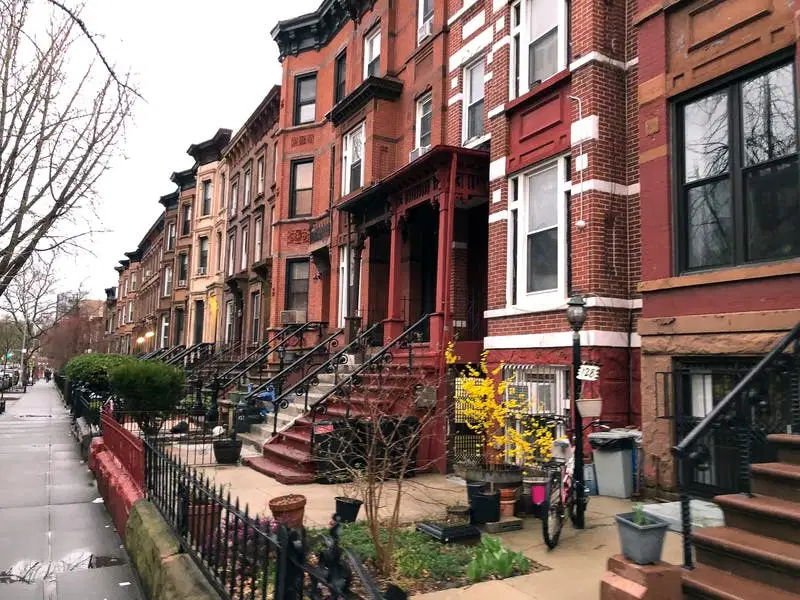
The term "Urban" mean what?
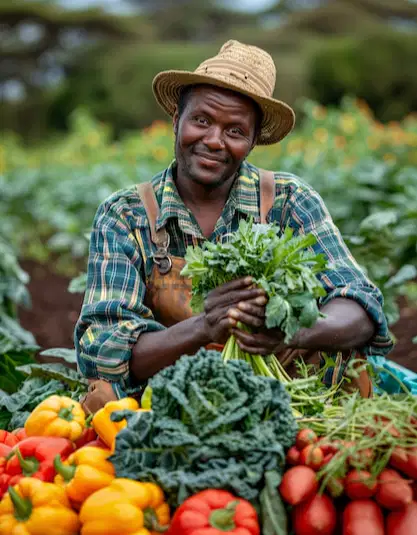
Rural means what?
Urbanization describes what?
The term "Urban" mean what?
Rural means what?
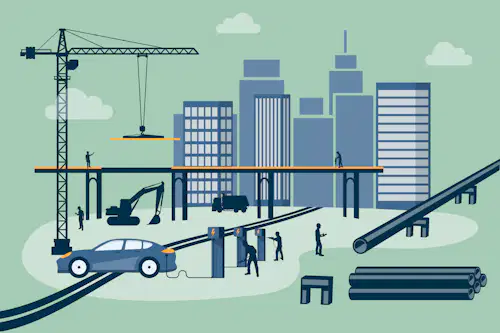
What is not an example of Infrastructure?

What is an Urban Hearth?

What year was the term "Central Place Theory" coined?
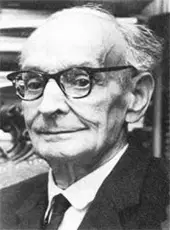
Who coined the term "Central Place Theory"?
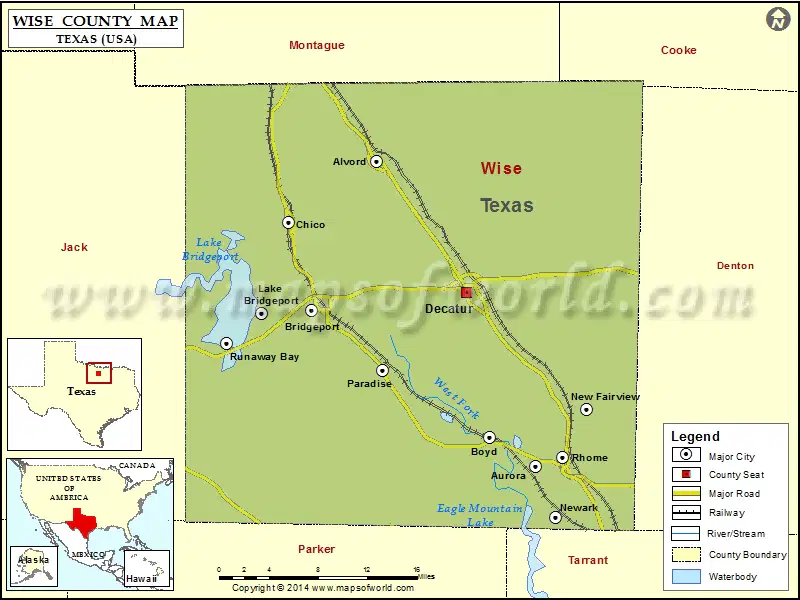
What does Central Place Theory theorize?
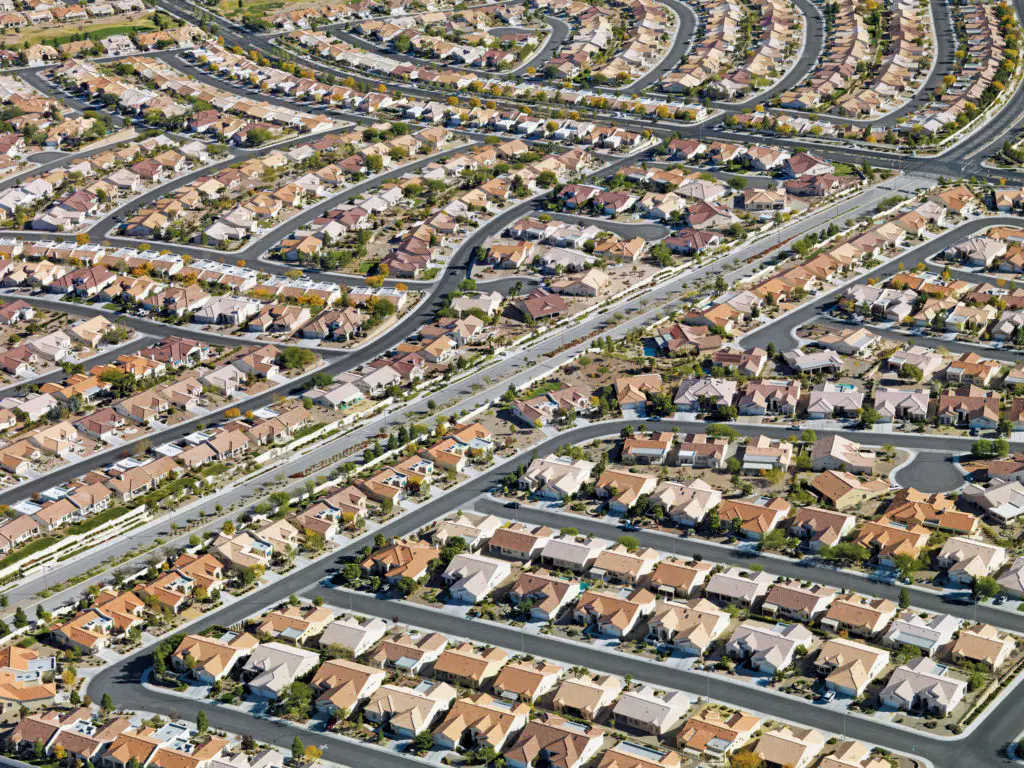
Urban Sprawl is what exactly?

What is a Megalopolis?

What is a Mega City?
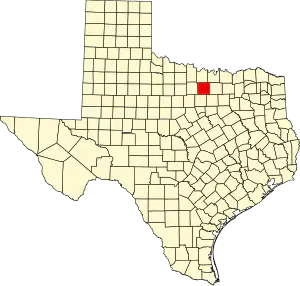
What is the "city" within Wise county? (The county Boyd is in)
Decatur
Springtown
Fort Worth
Paradise

What method of transportation actually helps reduce traffic in urban areas?
bike
car
bus
tricycle
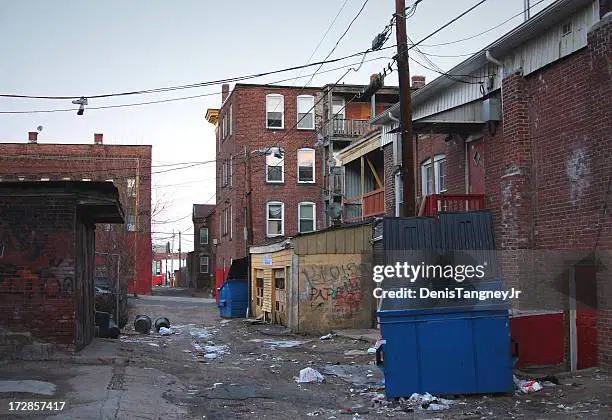
A slum, would most likley NOT have this:
beds
food
people
toilets

Which type of settlement draws in the most people?
City
Hamlet
Town
Village

What is NOT a problem Urban areas face?
Lack of Culture

How many Days of School are left? (updated for Today)
68
52
48
40 (includes two half days)

Which country below might have a Mega City (Remember what a mega city must have)
Canada
Mexico
USA
India

What coast of the USA is a Megalopolis found?
East
North
West
South
Which settlement below is a city?
Boyd
Ponder
Dallas
Paradise
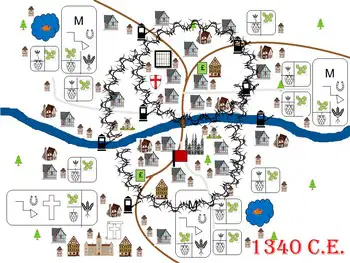
During our Urban Game activity (drawing our own city), what was something that helped boost the speed at which our small town grew?
Factory
Cemetery
Schools
Bars
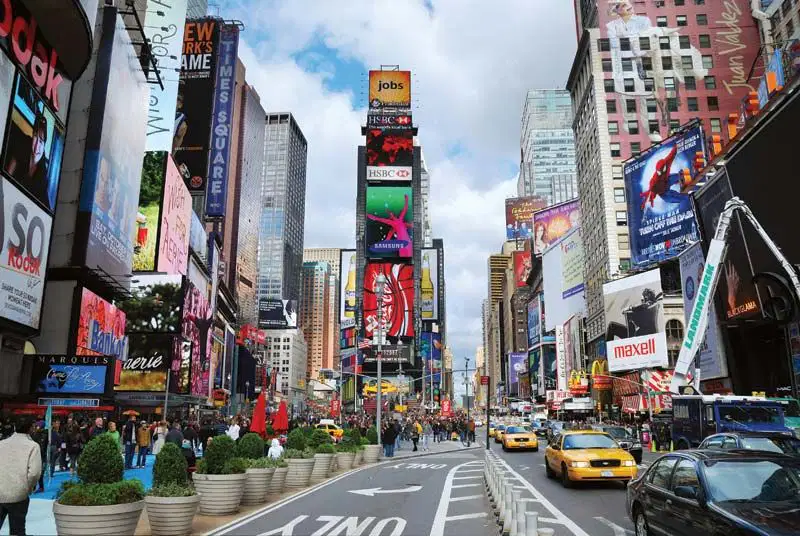
A Minimum of 10 Million people live in this type of settlement:
Mega City

Please explain why or why not you would live in an Urban area with THREE reasons:

