
NEW
Font size
 Worksheets
Religious Significance of Jerusalem
Total questions: 35
Worksheet time: 18mins
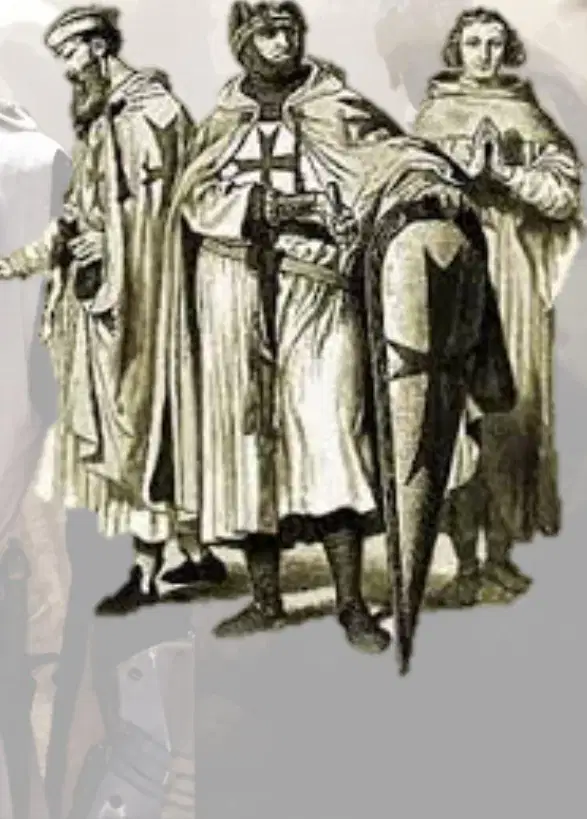
A crusade is a series of religious wars sanctioned by the Latin Church in the medieval period. What is a crusade?
A series of religious wars
A type of medieval architecture
A form of ancient art
A medieval festival
What is the significance of Jerusalem to Christians?
It is the site of the ancient temple built by Solomon
It is the place where Jesus was crucified and ascended to heaven
It is where Muhammad ascended to heaven
What is the significance of Jerusalem to Muslims?
It is the site of the ancient temple built by Solomon
It is the place where Jesus was crucified and ascended to heaven
It is where Muhammad ascended to heaven
What is the significance of Jerusalem to Jews?
It is the site of the ancient temple built by Solomon
It is the place where Jesus was crucified and ascended to heaven
It is where Muhammad ascended to heaven
In 600 CE, who entered Jerusalem and took control?
Romans
Arabs
Persians
Egyptians
Fill in the blank: Jews and Christians could live in Palestine as long as they paid their ______ like everyone else.
taxes
dues
fines
fees
What significant event occurred around 1095 involving a new group of Arabs?
A) They opened Jerusalem to all pilgrims.
B) They took control of Jerusalem and closed it to Jewish and Christian pilgrims.
C) They allied with the Byzantine empire.
D) They began trading with Europe.
In 1093, which Byzantine Emperor asked for help against invaders?
Byzantine Emperor Alexios I Komnenos
Byzantine Emperor Constantine XI
Byzantine Emperor Justinian I
Byzantine Emperor Basil II
Who were the invaders that the Byzantine Emperor sought help against?
The Roman Empire
The Muslim Turks
The Mongols
The Vikings
What did Pope Urban II call for after reading the letter asking for help?
A peace treaty
A holy war or CRUSADE
A council meeting
A trade agreement
Those who fought and died in the Crusades were promised a spot in ______ with all sins forgiven.
Heaven
Purgatory
Valhalla
Elysium
How many men took up Pope Urban II's offer and left western Europe to fight in Jerusalem?
10,000
20,000
30,000
40,000
Describe the significance of Pope Urban II's role in the First Crusade as depicted in the image.
Pope Urban II initiated the First Crusade by calling Christians to arms.
Pope Urban II was a passive observer in the First Crusade.
Pope Urban II opposed the First Crusade.
Pope Urban II's role was insignificant in the First Crusade.
The image depicts an event where Pope Urban II is sending off which crusade?
First Crusade
Second Crusade
Third Crusade
Fourth Crusade
What were the motives for the Crusades?
Economic and religious
Political and social
Cultural and educational
Scientific and technological
Fill in the blank: Kings and the Church saw the Crusades as a way to get rid of ______ who always fought each other and threatened the peace of the kingdom.
knights
merchants
peasants
scholars
They fought because of
a misunderstanding.
a competition.
a personal grudge.
an accident.
Peasants fought in the holy crusades because:
they were promised land and wealth.
they wanted to escape feudal oppression.
they were seeking religious salvation.
they were forced by their lords.

What was the goal of the Christian soldiers?
To recover Jerusalem and the Holy Land
To conquer Europe
To establish trade routes
To spread Christianity in Asia
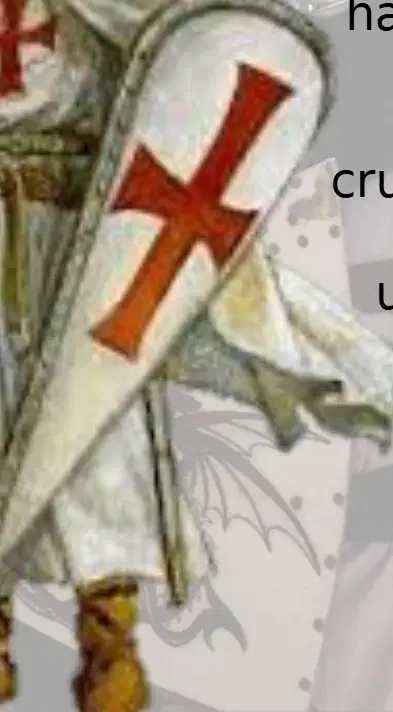
What was the purpose of the red cross symbol for the crusaders?
To signify their rank
To unify them as an army
To show their wealth
To indicate their nationality
What years did the First Crusade take place?
1093-1095
1100-1102
1080-1085
1099-1101
The troops in the First Crusade were _______.
unprepared
prepared
well-equipped
experienced
What city was captured during the First Crusade?
Rome
Jerusalem
Constantinople
Paris
How many Crusader states were carved out after the First Crusade?
2
3
4
5
Who took control of Jerusalem during the Second Crusade?
Richard the Lionheart
Saladin
Frederick Barbarossa
Philip II
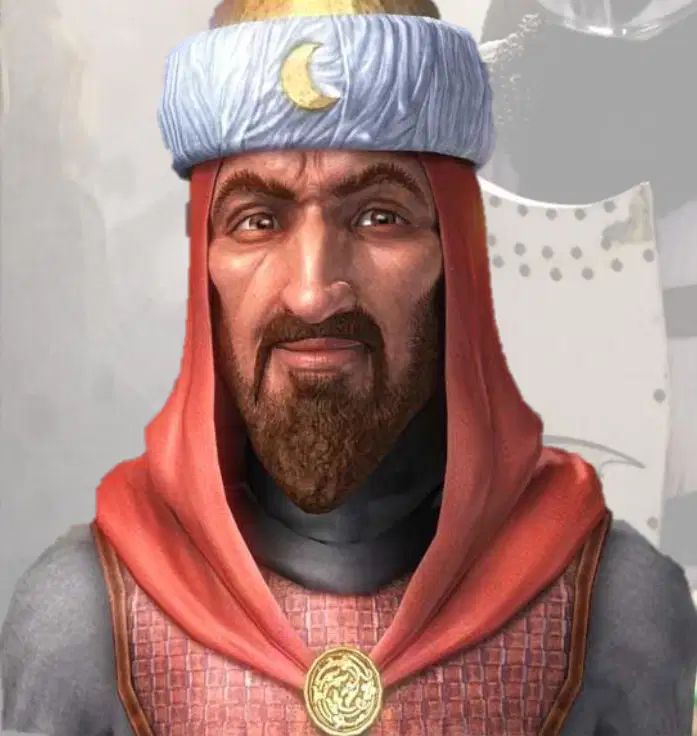
How is Saladin described in the context of the Second Crusade?
Cruel and cowardly
Honest and brave
Weak and indecisive
Arrogant and selfish
Who was Richard the Lion Hearted?
French King
English King
German King
Spanish King
Richard the Lion Hearted and two other leaders failed to recapture ______.
Jerusalem.
Rome.
Constantinople.
Alexandria.
The city of Jerusalem is important to what three major religions?
Buddhism, Hinduism, and Islam
Islam, Christianity, and Hinduism
Islam, Christianity, and Judaism
Why is the city of Jerusalem Important?
Jerusalem is important due to its religious, political, and cultural significance to the Christianity, Judaism and Islam
Which leader was known for his chivalry and leadership during the Third Crusade?
Saladin
Richard the Lionheart
Philip II
Frederick Barbarossa
What was the primary motivation for the Crusaders to embark on the Crusades?
To establish trade routes
To reclaim the Holy Land
To spread Christianity
To gain wealth and land
Which event marked the end of the First Crusade?
The Battle of Hattin
The Treaty of Jaffa
The fall of Constantinople
The capture of Jerusalem
The city of Jerusalem is important to what three major religions?
Buddhism, Hinduism, and Islam
Islam, Christianity, and Hinduism
Islam, Christianity, and Judaism

