
 Worksheets
APES Unit 3 Quizs (CED Alignment)
Total questions: 20
Worksheet time: 10mins
Replacement Fertility Rate
1.5 children per woman on average
2.1 children per woman on average
3.0 children per woman on average
2.5 children per woman on average
Refugee
A person who seeks asylum due to persecution.
An individual who voluntarily leaves their country for better opportunities.
An exile who flees for safety.
A tourist visiting another country temporarily.
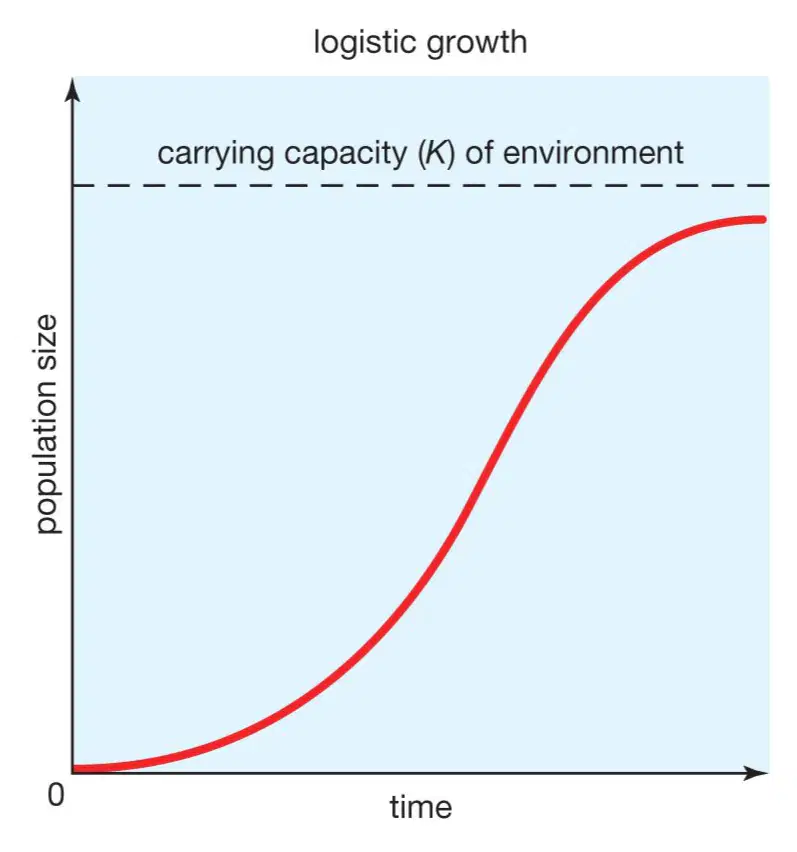
Logistic Growth
A growth pattern where population growth is constant regardless of population size.
A growth pattern characterized by rapid population growth followed by a decline as resources become limited.
A growth pattern in which exponential population growth occurs when the population is small, and population growth decreases steadily with time as the population approaches the carrying capacity.
A growth pattern where population growth is limited only by environmental factors.
Population Explosion
The rapid growth of the world's human population during the past century.
A sudden decrease in the population due to natural disasters.
A stable population growth rate over several decades.
The migration of people from rural to urban areas.
Census
A period count of the population.
A survey of household income.
An estimate of future population growth.
A record of historical events.
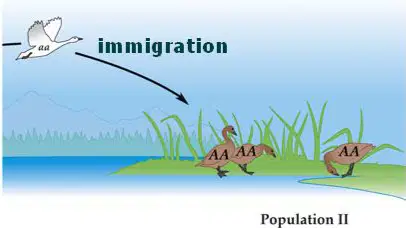
Immigration
Migration into a population.
Movement out of a population.
Permanent relocation to another country.
Temporary travel for work or study.
Population Momentum
Continued growth of a population due to a high number of individuals at childbearing age.
A sudden decline in population due to natural disasters.
The process of urbanization leading to population decrease.
A demographic transition resulting in an aging population.
Demography
The study of human behavior in social contexts.
The branch of sociology that studies the characteristics of human populations.
The analysis of economic trends in society.
The examination of historical events and their impact on society.
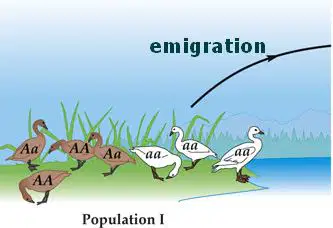
Emigration
Migration from a population.
Migration to a population.
Migration within a population.
Migration of a population to another country.
Total Fertility Rate
The average number of children born to a woman during her reproductive years.
The total number of children born in a year per 1,000 women of childbearing age.
The number of children born to an average woman in a population during her entire reproductive life.
The number of children a couple plans to have in their lifetime.
Age Structure Diagram
Graphic representation of a population showing the percentage of the total population by age and sex.
A chart that displays the economic status of a population.
A visual representation of the geographical distribution of a population.
A diagram illustrating the historical events affecting a population.
Natural Increase
Crude death rate subtracted from crude birth rate.
Crude birth rate subtracted from crude death rate.
Total population divided by the area of land.
The rate at which a population grows without immigration.
Seasonal Movement
Movements that are taken based on a seasonal basis.
Movements that occur randomly throughout the year.
Movements that are influenced by weather patterns only.
Movements that are restricted to specific geographical areas.
Migration
The process of adapting to a new environment.
The movement of organisms from one population to another.
The ability of organisms to reproduce in a new habitat.
The seasonal movement of animals from one region to another.
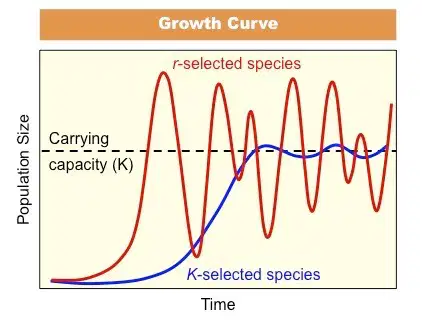
r-selected
Organisms that have a low rate of reproduction and a high investment in individual offspring.
Organisms that reproduce quickly and have many offspring with little parental care.
Organisms that have a high survival rate and invest heavily in a few offspring.
Organisms that are adapted to stable environments and have long lifespans.

Demographic Transition
Change in a population from high birth and death rates to low birth and death rates due to industrialization.
Increase in population due to higher birth rates and lower death rates.
Stagnation of population growth due to equal birth and death rates.
Rapid population decline due to high death rates and low birth rates.
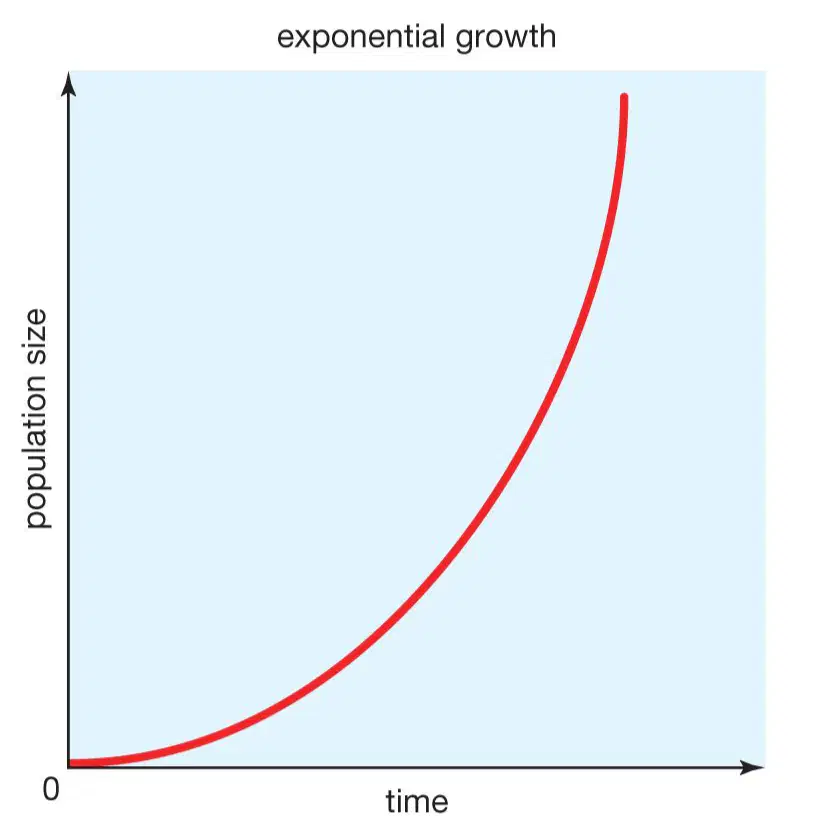
Exponential Growth
A growth pattern that remains constant over time.
A growth pattern that starts slowly but then accelerates as the population increases, because the base size of the population is increasing.
A growth pattern that decreases as the population increases.
A growth pattern that fluctuates randomly without a clear trend.
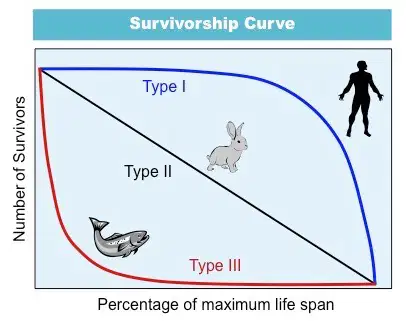
A pattern where the probability of survival decreases with age.
A pattern where the probability of survival remains relatively constant throughout an organism's lifespan.
A pattern where the probability of survival is highest at birth and decreases rapidly thereafter.
A pattern where the probability of survival is low at birth but increases with age.
Population Composition
Structure of a population in terms of age, sex, and other properties, such as education.
The total number of individuals in a given area.
The distribution of resources among different populations.
The genetic makeup of a population.
Population Density
Number of individuals per unit area.
Total number of individuals in a population.
Average age of individuals in a population.
Total area occupied by a population.

