
 Worksheets
IELTS EXPRESS
Total questions: 15
Worksheet time: 5mins
Name
Class
Date
1.

What is the purpose of IELTS Express?
a)
To teach IELTS strategies
b)
To provide general English lessons
c)
To help students achieve IELTS certification quickly
d)
To focus only on grammar
2.
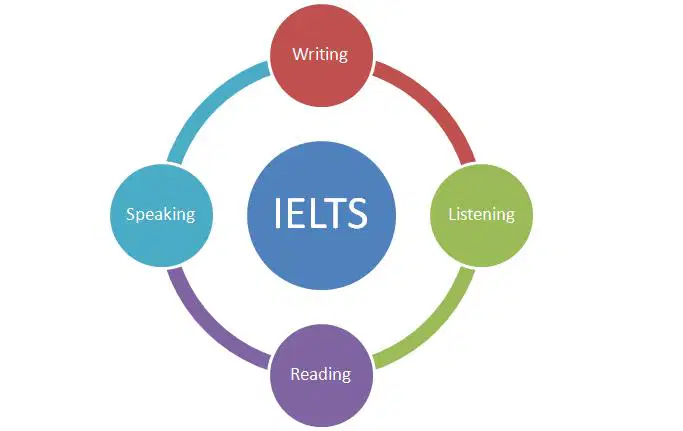
Which IELTS skill requires identifying the main idea?
a)
Reading
b)
Writing
c)
Speaking
d)
Listening
3.

What is the key challenge in True/False/Not Given questions?
a)
Finding matching words
b)
Understanding paraphrasing
c)
Ignoring all details
d)
Memorizing answers
4.

Which part of the IELTS test requires opinion justification?
a)
Listening Part 2
b)
Speaking Part 3
c)
Reading Task 1
d)
Writing Task 1
5.

What is an effective strategy for Writing Task 2?
a)
Using only personal opinions
b)
Ignoring structure
c)
Providing clear arguments
d)
Writing less than 150 words
6.

Which listening question type tests inference skills?
a)
Matching headings
b)
Multiple choice
c)
Gap fill
d)
True/False/Not Given
7.
Why is critical thinking important for IELTS?
a)
It helps in memorizing answers
b)
It enhances analysis and reasoning
c)
It reduces exam stress
d)
It replaces practice
8.

How can students improve reading comprehension?
a)
By skimming and scanning
b)
By reading word-by-word
c)
By ignoring unknown words
d)
By translating everything
9.

What is the best way to develop Speaking Part 2 answers?
a)
Memorizing model answers
b)
Using one-sentence replies
c)
Expanding ideas with examples
d)
Speaking very fast
10.
What should students focus on in Listening Section 4?
a)
Spelling
b)
Grammar rules
c)
Key points and structure
d)
Speaking fluency
11.
What is the primary teaching approach used in IELTS Express?
a)
Vocabulary memorization
b)
Lecture-style
c)
Skill-based
d)
Grammar-translation
12.

What percentage of foreign teacher involvement is there in IELTS Express classes
a)
10%
b)
50%
c)
75%
d)
25%
13.
How long does each IELTS Express lesson last?
a)
180 min
b)
90 min
c)
120 min
d)
150 min
14.
How many levels does IELTS Express Program have?
a)
3
b)
7
c)
5
d)
6
15.
What is the main strategy for developing critical thinking in Writing?
a)
Encouraging memorization of sample answers
b)
Using debate-style activities before Task 2 essays
c)
Focusing only on grammar accuracy
d)
Practicing vocabulary lists
100 %

