
Font size
 Worksheets
Understanding Material Failure
Total questions: 51
Worksheet time: 36mins
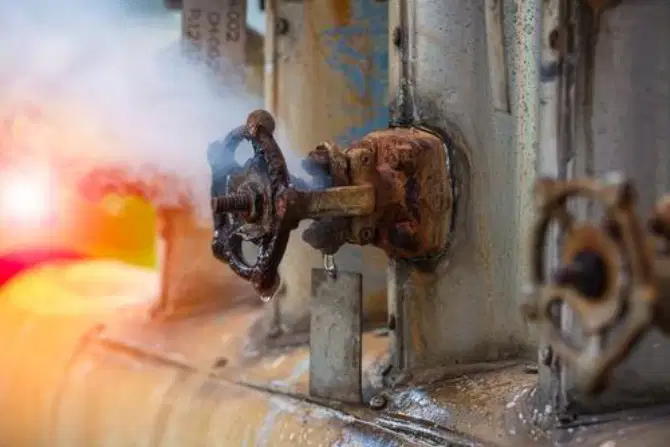
By the end of this session, learners should be able to understand the causes of material failure and methods used to prevent this. Explain the importance of this objective in engineering and manufacturing.
Understanding material failure is crucial for ensuring safety and reliability in engineering and manufacturing.
Material failure is not a significant concern in engineering and manufacturing.
Preventing material failure is only important in the construction industry.
The causes of material failure are too complex to understand.
What is corrosion?
A) A process where metal is polished to shine.
B) A process where a refined metal is naturally converted to a more stable form.
C) A process where metal is melted.
D) A process where metal rusts.
Fill in the blank: The most common type of iron corrosion occurs when it is exposed to oxygen and the presence of water, which creates a red iron oxide commonly known as _______.
rust
patina
tarnish
verdigris
Which of the following can cause metal to corrode?
Oxygen
Hydrogen
Electrical current
Dirt and bacteria
All of the above
The most common form of corrosion that takes place evenly over large areas of a material's surface is:
Pitting corrosion
Galvanic corrosion
Uniform corrosion
Crevice corrosion
Which type of corrosion is described as one of the most aggressive forms and can be hard to predict, detect, or characterise?
Pitting corrosion
Galvanic corrosion
Uniform corrosion
Crevice corrosion
Pitting corrosion can be caused by which of the following?
Damage or break in the oxide film
Uniform surface
Smooth coating
Regular structure
Crevice corrosion is a type of corrosion that occurs in which of the following conditions?
In open areas with free circulation of air
In confined spaces where stagnant solution is present
On surfaces exposed to direct sunlight
In areas with high humidity and temperature
Crevice corrosion occurs in areas where oxygen is restricted, such as under washers or bolt heads.
True
False
How can crevice corrosion be minimized?
By increasing the temperature
By using corrosion inhibitors
By reducing the pH level
By increasing the humidity
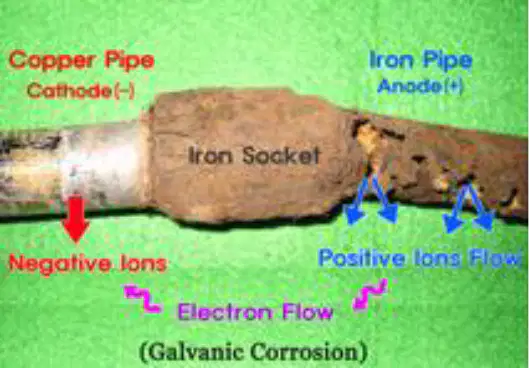
What is galvanic corrosion?
A process occurring when two different metals are in electrical contact in a solution.
A process of metal strengthening through heat treatment.
A method of metal coating to prevent rust.
A technique for metal shaping using electrical currents.
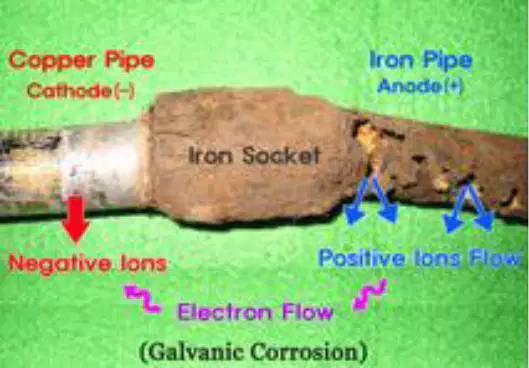
In a galvanic couple, which metal corrodes faster?
The anode
The cathode
Both corrode at the same rate
Neither corrodes
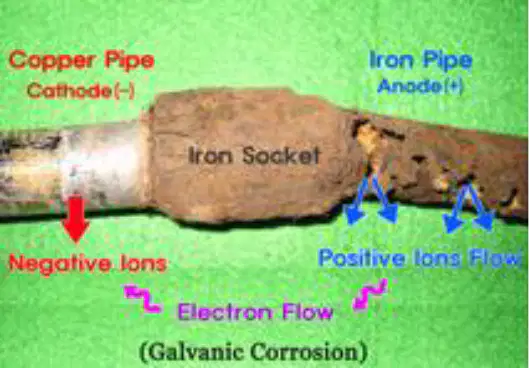
What happens when two different metals with physical or electrical contact are immersed in a common electrolyte?
They form a galvanic cell.
They dissolve in the electrolyte.
They become insulators.
They repel each other.
What is intergranular corrosion?
Corrosion that occurs at the surface of a metal
Corrosion that occurs when impurities are present at the grain boundaries
Corrosion that occurs in the presence of water
Corrosion that occurs due to high temperature.
Fill in the blank: Stress corrosion cracking (SCC) refers to the growth of cracks due to a corrosive environment which can lead to the failure of ductile metals when subjected to ________ stress, particularly at high temperatures.
tensile
compressive
shear
bending
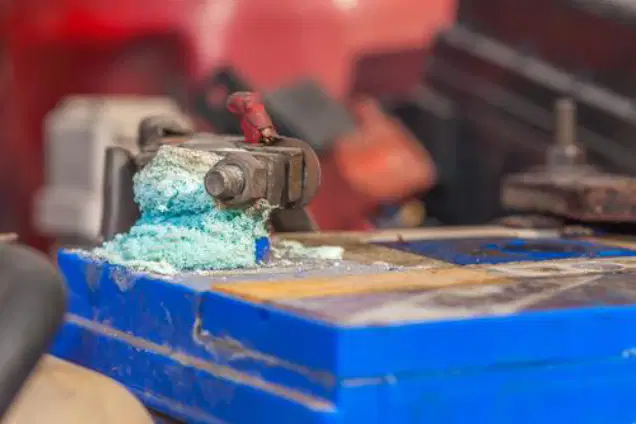
What is chemical corrosion?
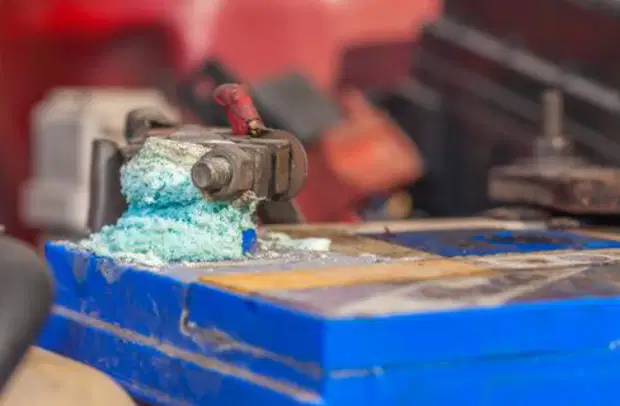
Chemical corrosion is often characterized by the oxidation of a metal with an acid to form _______.
metal oxides
metal hydroxides
metal sulfides
metal nitrates

Stress corrosion is particularly dangerous because it can lead to:
Sudden and unexpected failure of materials
Gradual wear and tear
Improved material strength
Increased resistance to corrosion
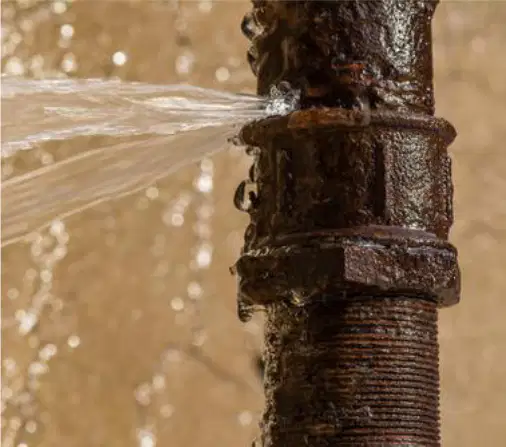
What is erosion corrosion?
The effect of fluid flow on metal surfaces
The combined effect of corrosion and erosion
The result of chemical reactions in metals
The process of metal expansion.
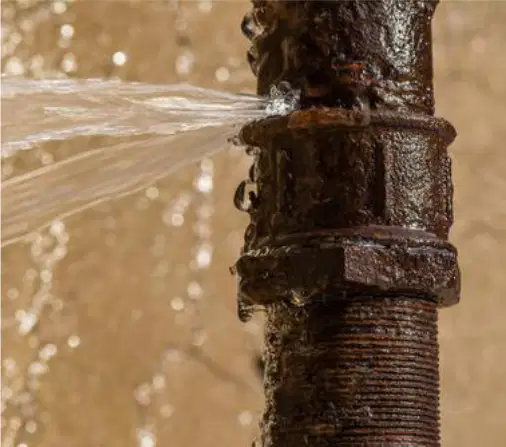
The velocity of fluid contributes to erosion corrosion by:
increasing the mechanical wear on the surface
decreasing the chemical reaction rate
preventing the formation of protective films
reducing the impact of abrasive particles
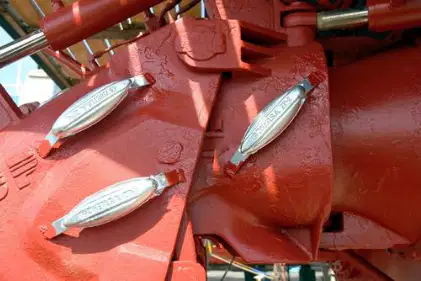
Corrosion prevention is important because it:
extends the lifespan of materials and structures
increases the weight of materials
makes materials more flexible
improves the color of materials
What is the purpose of a protective coating in corrosion prevention?
To enhance the appearance of the material
To isolate the substrate by application of layers
To increase the weight of the material
To conduct electricity.
What is the role of a metal alloy in corrosion prevention?
A) To make the material heavier
B) To choose from a selection of corrosion resistant materials
C) To conduct electricity
D) To enhance the appearance.
What are corrosion inhibitors?
A) Anticorrosive chemical compounds
B) Conductive materials
C) Decorative coatings
D) Weight enhancers
Fill in the blank: Electrochemical control measures in corrosion prevention include the use of a ________.
sacrificial anode.
cathodic inhibitor.
corrosion coupon.
galvanic isolator.
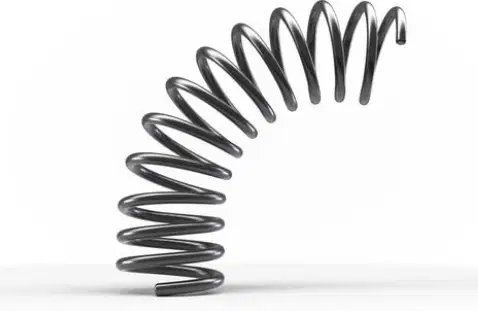
In materials engineering, what does deformation refer to?
Deformation is usually caused by forces such as tensile, compressive, shear, bending, and ________.
torsional
gravitational
magnetic
electrical
Which of the following is a type of force that causes deformation?
Gravitational
Tensile
Magnetic
Electrical
What type of force is described as 'pulling'?
Tension
Compression
Friction
Gravity
What type of force is described as 'twisting'?
Torsion
Compression
Tension
Shear
What happens to internal molecular forces as deformation occurs?
They increase
They decrease
They remain constant
They fluctuate randomly
If the applied force is not too strong, the internal forces:
remain balanced
increase
decrease
disappear
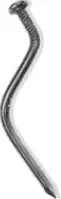
What may cause a permanent deformation of the material?
Excessive force
Temperature change
Material fatigue
All of the above
What is elastic deformation?
Elastic deformation is the reversible change in shape of a material under stress.
Elastic deformation is the permanent change in shape of a material under stress.
Elastic deformation is the change in shape of a material due to temperature change.
Elastic deformation is the change in shape of a material due to chemical reaction.
Which type of deformation is irreversible?
Plastic
Elastic
Metal fatigue occurs primarily in which type of metals?
Metal fatigue occurs primarily in ferrous and non-ferrous metals.
Metal fatigue occurs primarily in precious metals.
Metal fatigue occurs primarily in synthetic metals.
Metal fatigue occurs primarily in liquid metals.
Compressive failure is applied to which structural elements?
Columns
Beams
Slabs
Trusses
What are the two major types of fracture depending on mechanical properties?
Elastic and Plastic
Ductile and Brittle
Hard and Soft
Rigid and Flexible
Materials undergoing ductile fracture first experience ________ deformation.
plastic
elastic
brittle
shear
The two main experiences a material will undergo during failure are:
Elastic deformation and plastic deformation
Brittle fracture and ductile fracture
Tensile stress and compressive stress
Shear stress and torsional stress
In ductile fractures, the crack is stable and will undergo continuous deformation. What does this mean for the material?
The material will break suddenly without warning.
The material will absorb significant energy before fracture.
The material will not deform at all.
The material will become brittle.
Which type of fracture propagates across the material instantaneously, often with little or no warning?
Ductile fracture
Brittle fracture
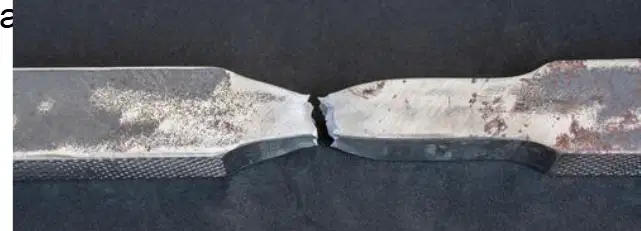
What is observed in brittle fracture?
A) Noticeable deformation
B) Instantaneous crack propagation
C) Gradual crack propagation
D) No crack propagation
In brittle fracture, crack propagation is almost purely ______ to the direction of the tensile stress.
perpendicular
parallel
diagonal
random

What type of markings are usually found in the centre of the fractured cross section in brittle steel?
U-shaped
V-shaped
Circular
Square
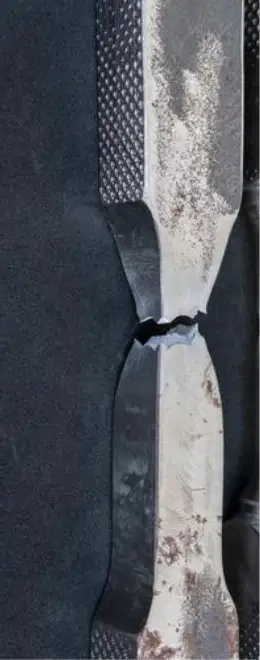
What is necking in ductile materials?
A localized reduction in cross-sectional area that occurs in ductile materials under tensile stress.
A process of hardening the surface of a material to increase its strength.
A method of joining two materials together using heat and pressure.
A technique for measuring the hardness of a material.
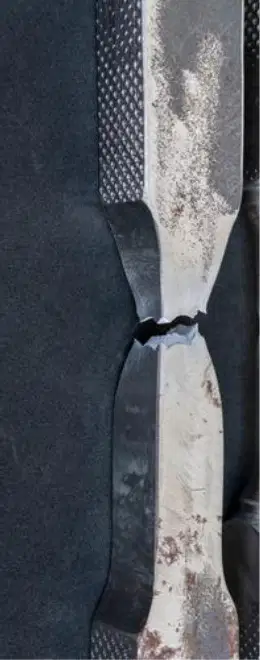
Necking is characterized by a localized reduction in the cross-sectional area of the material, giving it a V or 'neck' shape. True or False?
True
False
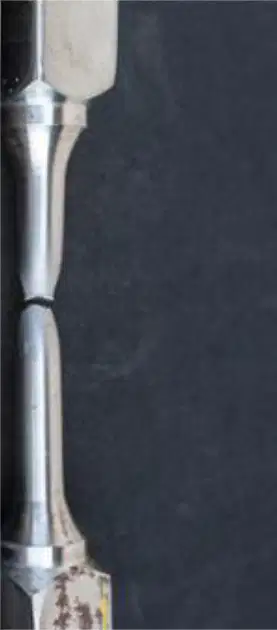
What is one of the main characteristics of ductile fracture known as?
Fill in the blank: The ductile material undergoes (a) .
What starts to form perpendicular to the stress direction in the cup-and-cone formation?
Fill in the blank: The micro-voids coalesce to form a _______.
larger void
solid
liquid
gas

