
 Worksheets
Venice Quiz
Total questions: 10
Worksheet time: 20mins

What is Venice built on?
Wooden piles driven into the ground
Sand islands
Concrete platforms
Natural rocks

Why don’t Venice’s wooden foundations rot?
Because they are made of special concrete
Because they are coated with waterproof paint
Because they are submerged in oxygen-poor material
Because they are made of stone

What is the name of the phenomenon causing Venice’s ground to sink?
Geological subsidence
Anthropogenic subsidence
Karst sinking
Sedimentary erosion

How were the historic squares (campi) of Venice originally paved?
With large stone slabs (masegni) like today
With grass or terracotta bricks (cotto)
With wooden planks to prevent flooding
With marble to reflect sunlight
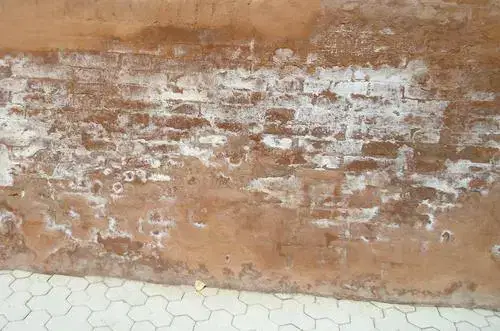
What causes salt crystallization in the bricks of Venetian buildings?
The use of low-quality clay in brick production
The natural aging process of historical buildings
Chemical reactions between rainwater and brick minerals
The absorption of saltwater from the lagoon, which evaporates and leaves salt deposits
Which is one of the most famous wooden bridges in Venice that can still be seen today?
Rialto Bridge
Bridge of Sighs
Accademia Bridge
Calatrava Bridge
What is the function of the fondamenta in Venice?
They are the city’s ancient defensive walls
They are pedestrian walkways along canals
They are the wooden pillars under the buildings
They are underground tunnels for drainage
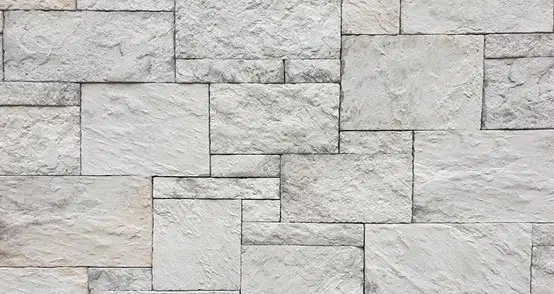
What makes Istrian stone, used in Venetian buildings, resistant to water damage?
It absorbs water and expands to prevent erosion
It contains a high amount of salt-resistant minerals
It is very dense and non-porous
It hardens when exposed to sea air
What are the main causes of acqua alta in Venice?
Heavy rainfall in the Alps
A combination of tides, winds, and atmospheric pressure
Earthquakes shifting the lagoon floor
Rising groundwater levels
Which famous Venetian square is most affected by acqua alta?
Campo Santa Margherita
Campo San Polo
Piazza San Marco
Campo Sant’Angelo

