
 Worksheets
UNIT 1 - TEST 1
Total questions: 50
Worksheet time: 13hrs 30mins
Which word has the underlined part pronounced differently from that of the others?
rare
damaged
fact
fragile
Which word has the underlined part pronounced differently from that of the others?
get
efficient
invest
competitive
Which word has a different stress pattern from that of the others?
essential
transport
commute
around
Which word has a different stress pattern from that of the others?
economy
economic
definition
introduction
While we (a) lunch, it started to rain heavily.
eats
were eating
will be eating
ate
Having a grocery store nearby is very (a) .
worthless
popular
convenient
damaged
At 8 o'clock last night, I (a) for my exam.
was studying
study
will be studying
studied
Max: Do you keep souvenirs of places that you visit? – Marry: “________”
Yes, I always visit new places every summer.
I think I will buy some souvenirs next time.
I totally agree with you.
Sometimes I keep souvenirs if I really like the place.
I didn't (a) him because he had a beard.
remind
understand
recognise
cross
When my car broke down, I had to (a) the city using public transport.
get on
get lost
get around
get over
By the time the concert began, we (a) our seats.
have found
had found
will find
found
Sara wore a (a) hat to the party. Everyone loved it.
convenient
fashionable
fragile
used
Eating too much sugar can (a) health problems like diabetes.
lead to
come across
take care of
come to
I need to (a) the solution to this complex math problem for my homework.
fill out
wait up
figure out
invest in
Look at the message and choose the best answer:
I've prepared dinner and left it in the fridge for you. Just warm it up when you get hungry. I have to stay at work a little longer than expected, so I’ll be home late. Make sure to finish your homework and get to bed on time.
Love you lots,
Mom.
Bought him a new video game.
Told him to cook dinner for himself.
Prepared dinner and left it in the fridge.
Asked him to order takeout.
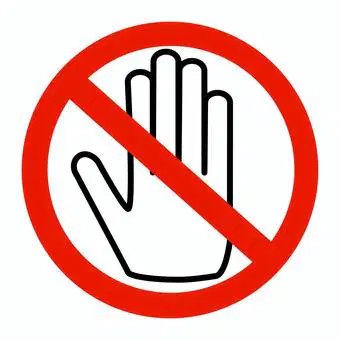
What does this sign mean?
Do not smoke here.
Do not touch.
Wash your hands.
Do not park here.

Read the following passage and do as direct:
Bicycles had been commonly used in Vietnam before motor vehicles became popular.
True
False

Read the following passage and do as direct:
Streets were always full of motorbikes in Vietnam, even before the 1990s.
False
True

Read the following passage and do as direct:
The economy growing led to the introduction of faster transportation methods like motorbikes.
False
True

Read the following passage and do as direct:
People had fewer choices of transportation after the 1990s.
False
True

Read the following passage and do as direct:
What kind of transportation was commonly used in Vietnam before motor vehicles?
Bicycles
Motorbikes
Trains
Buses

Read the following passage and do as direct:
When did motor vehicles start dramatically increasing on Vietnam's roads?
During the 1990s
In the 1980s
After the year 2000
Before the 1990s

Choose the words that best fit the blank space in the following passage:
Yesterday, Susie (23) (a) for what she thought would be a lovely trip to the park.

Choose the words that best fit the blank space in the following passage:
The morning started off sunny, but as she stepped (24) (a) , the sky clouded, and it rained cats and dogs.

Choose the words that best fit the blank space in the following passage:
She soon realized she had left her umbrella behind and ended (25) (a) getting wet.

Choose the words that best fit the blank space in the following passage:
Upon arriving, the rain (26) (a) up, but Susie remembered that she had left her lunch at home.

Choose the words that best fit the blank space in the following passage:
Looking for a place to sit and relax, she found the benches soaked through, and she (27) (a) sit down.

Choose the words that best fit the blank space in the following passage:
Disappointed, Susie returned home, her plans (28) (a) washed out by the day's events.
Supply the correct form of the word given in the sentence:
We apologize for the delay and regret any (a) it may have caused. (convenient)
Supply the correct form of the word given in the sentence:
It is (a) for students to learn money management skills. (necessarily)
Supply the correct form of the word given in the sentence:
To (a) in the global market, businesses need to innovate and adapt to changing customer needs. (competitive)
Supply the correct form of the word given in the sentence:
The (a) of modern technologies is crucial for the advancement of society. (develop)
Supply the correct form of the word given in the sentence:
She is the only (a) for her family, working two jobs to make ends meet. (provide)
Supply the correct form of the word given in the sentence:
Many people struggle to find (a) housing in big cities. (afford)
Rearrange the groups of words in a correct order to make complete sentences:
By the time
the concert began,
the band had already
set up their instruments
on stage.
Rearrange the groups of words in a correct order to make complete sentences:
She realized
she had forgotten
her passport at
home when she
reached the airport.
Rewrite the following sentence in another way so that it means almost the same as the sentence below:
I have never tried the tuk-tuk before.
=> This is the (a)
Rewrite the following sentence in another way so that it means almost the same as the sentence below:
He started working here ten years ago.
=> He has (a)
Rewrite the following sentence in another way so that it means almost the same as the sentence below:
Tom is used to driving to work in this bustling city.
=> Tom has no (a)
Rewrite the following sentence in another way so that it means almost the same as the sentence below:
The plane had departed before her arrival at the airport.
=> By the time she (a)
The author loved living near the beach as a child.
True
False
The author would play on the beach every evening.
False
True
The author and their siblings built sandcastles and collected shells.
False
True
The author remembers the feeling of the cool sea wind on their face.
False
True
The sound of the water helped the author fall asleep at night.
True
False
What did the author love doing as a child?
Going to school
Living near the beach
When would the author go to the beach?
Once a week
Once a month
Every evening
Every morning
What activities did the author and their siblings do at the beach?
Reading books and taking naps
Building sandcastles and collecting shells
Swimming and surfing
Playing volleyball and frisbee
What sensation does the author specifically remember from their beach days?
The taste of salt water in their mouth
The rough sand beneath their feet
The heat of the sun on their skin
The cool sea wind on their face
What helps the author relive their childhood beach memories?
Visiting the beach as an adult
Smelling the sea
Looking at old photographs
Talking to their siblings about the past

