
NEW
Font size
 Worksheets
Energy Flow in Ecosystems U3
Total questions: 20
Worksheet time: 10mins
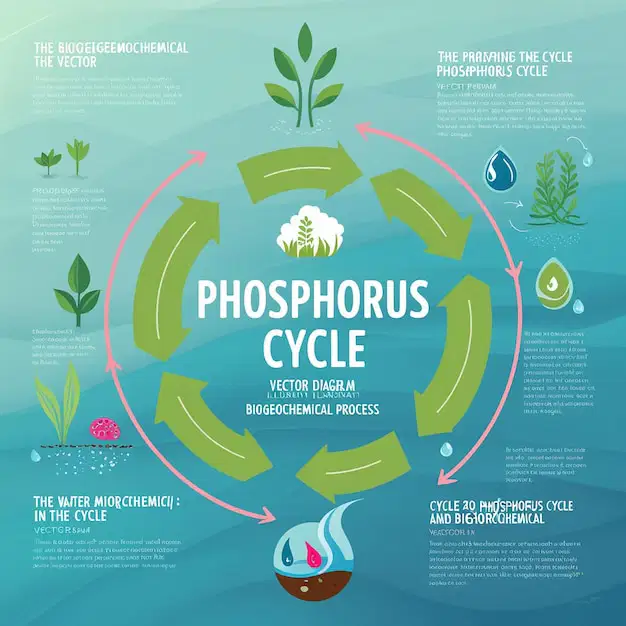
Phosphorus Cycle
The process of nitrogen fixation in the atmosphere.
The movement of phosphorus through the biosphere, hydrosphere, and lithosphere.
The cycle of carbon through living organisms and the environment.
The process of water evaporation and precipitation.

Food web
Complex network of interconnected food chains
Simple linear sequence of who eats whom
A type of food chain with only plants
A diagram showing the energy flow in an ecosystem

Food chain
Linear sequence of who eats whom
A complex network of food webs
A diagram showing energy flow
A list of all organisms in an ecosystem
Ecosystem
Community of living and non-living things interacting
A type of plant species
A method of energy production
A geological formation
Tertiary consumers
Second trophic level, herbivores
Third trophic level, primary consumers
Fourth trophic level, top predators
First trophic level, producers

Energy pyramid
Diagram showing energy flow in trophic levels
Graph representing population dynamics
Chart illustrating nutrient cycles
Model of ecosystem interactions

Sun
Primary energy source for ecosystems
Source of lunar energy
Main source of geothermal energy
Primary energy source for fossil fuels
Herbivores
Animals that eat plants
Animals that eat meat
Animals that eat both plants and meat
Animals that do not eat at all
Trophic levels
Different levels in a food chain
The number of species in an ecosystem
The energy flow in a habitat
The types of organisms in a biome

Energy flow
Movement of energy through an ecosystem
The process of photosynthesis
The transfer of nutrients in soil
The cycle of water in the environment
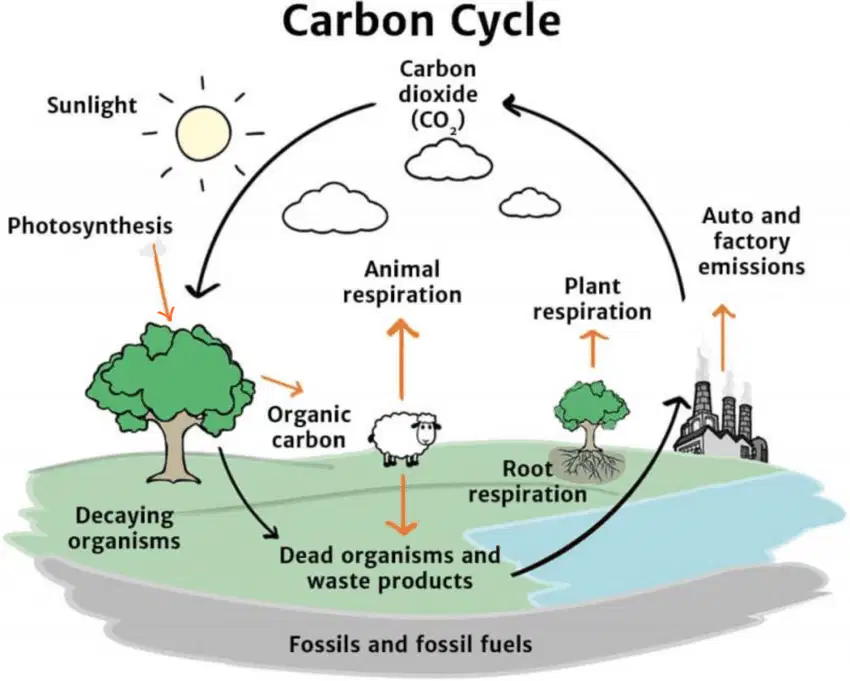
Carbon Cycle
the process that moves carbon between plants, animals, and microbes; minerals in the earth; and the atmosphere
the cycle of water through evaporation, condensation, and precipitation
the process of photosynthesis in plants converting sunlight into energy
the movement of tectonic plates causing geological changes
Abiotic factors
Living components of an ecosystem
Non-living components of an ecosystem
Biotic interactions within an ecosystem
Chemical processes in an ecosystem
Secondary consumers
First trophic level, herbivores
Second trophic level, omnivores
Third trophic level, carnivores
Fourth trophic level, decomposers
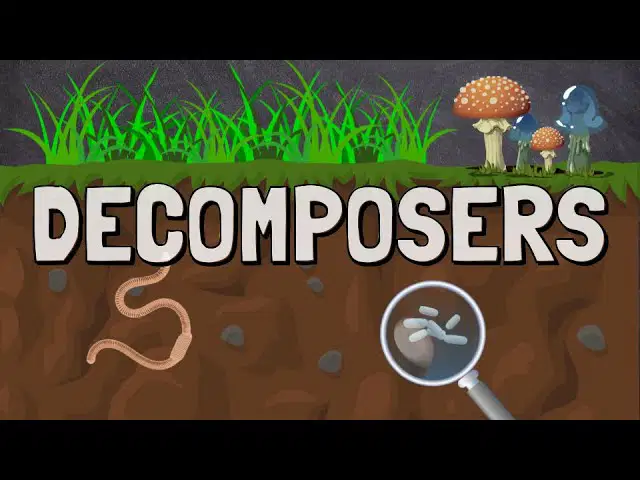
Decomposers
Organisms that break down dead material
Organisms that produce energy through photosynthesis
Organisms that consume living plants and animals
Organisms that store nutrients in the soil
Producers
First trophic level, usually plants
Second trophic level, usually herbivores
Third trophic level, usually carnivores
Decomposers, usually fungi
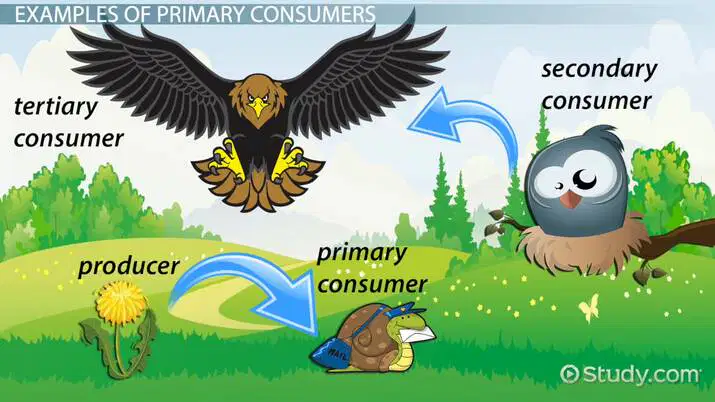
Consumers
Organisms that produce their own energy
Organisms that eat other organisms for energy
Organisms that decompose dead matter
Organisms that rely solely on sunlight for energy
Omnivores
Animals that eat only plants
Animals that eat only animals
Animals that eat both plants and animals
Animals that do not eat at all
10% Rule
Only 10% of energy is transferred to the next level
50% of energy is transferred to the next level
100% of energy is transferred to the next level
25% of energy is transferred to the next level
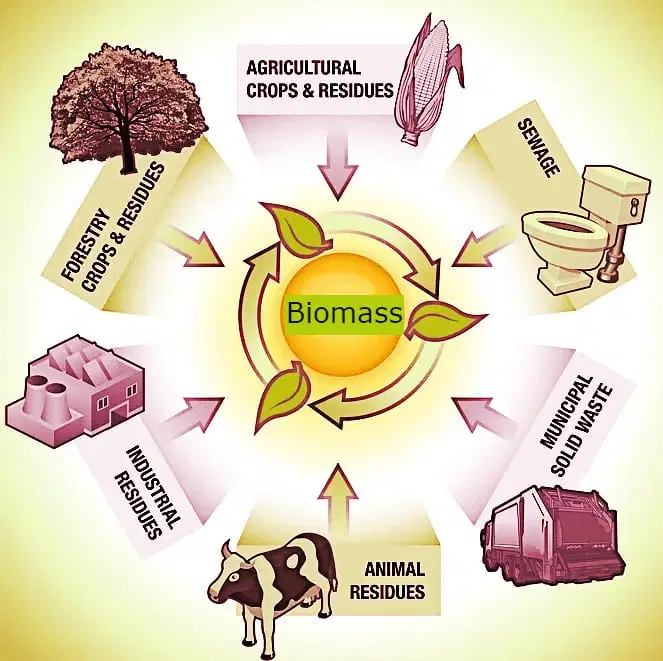
Biomass
Total mass of living organisms in a given area
Total energy produced by plants
Total number of species in an ecosystem
Total volume of water in a habitat
Autotrophs
Organisms that produce their own food
Organisms that consume other organisms
Organisms that decompose organic material
Organisms that rely on sunlight for energy

