wayground logo

Free Printable Worksheets

Font size

S
M
L
XL
Worksheets

Unit 6 Vocab

Total questions: 25

Worksheet time: 13mins
Name
Class
Date
1.

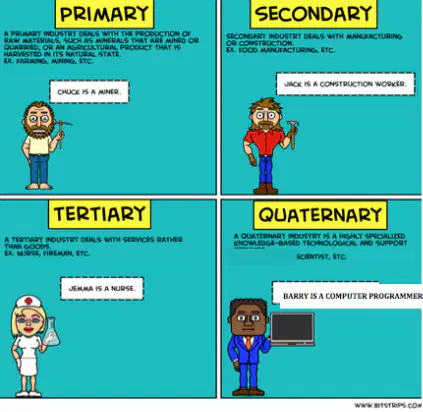
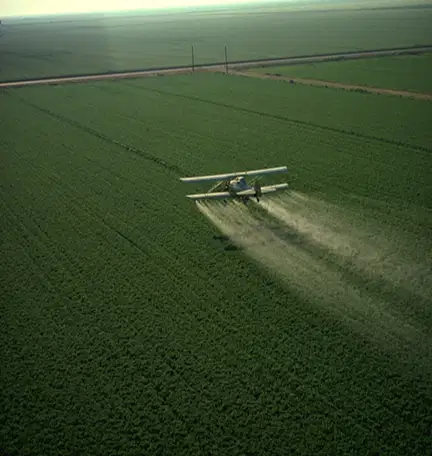
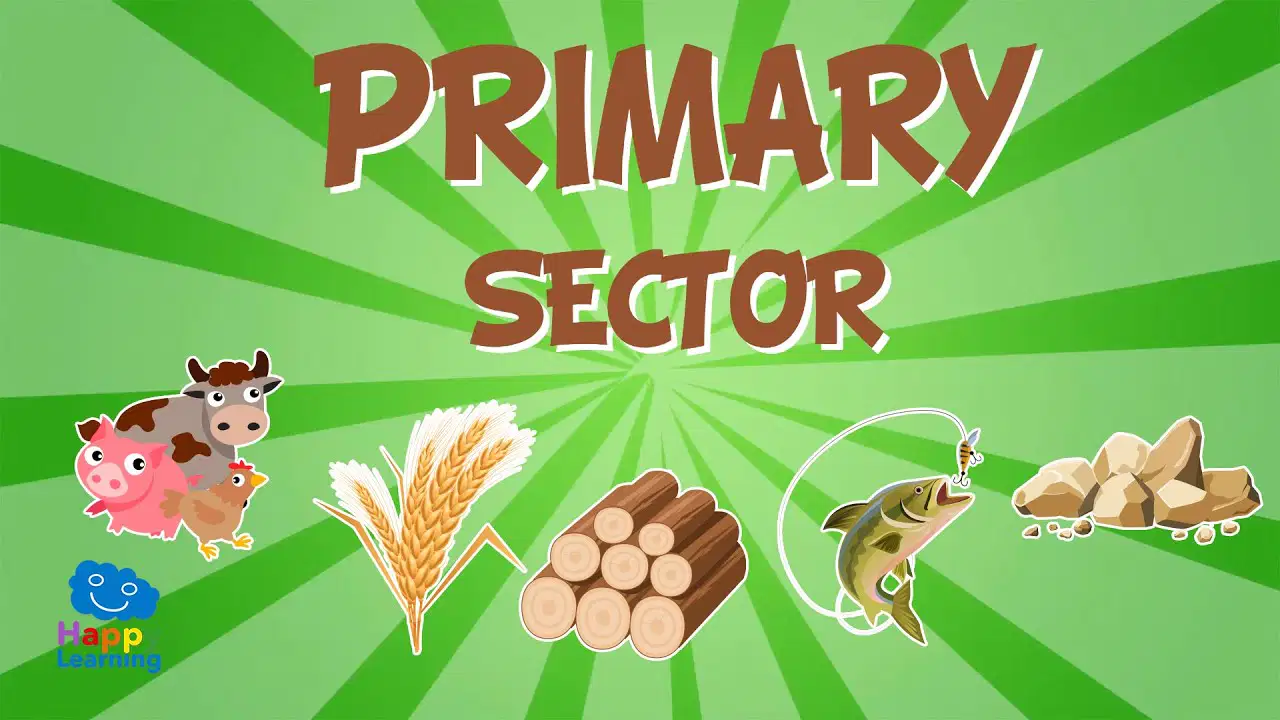
What is an example of a job in the Primary Sector?
a)
Software Developer
b)
Teacher
c)
Mechanic
d)
Farmer
2.

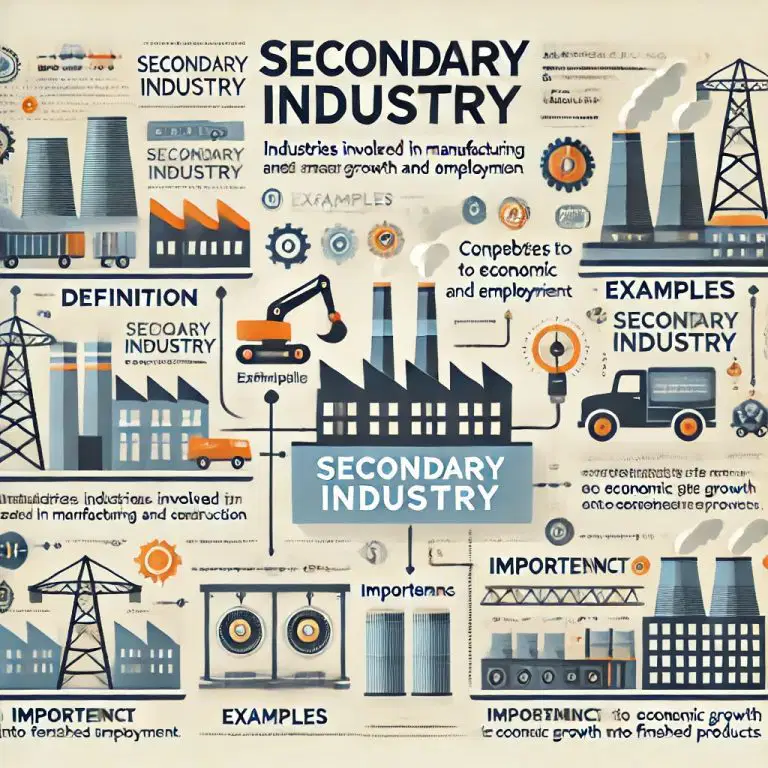
What is an example of a job in the Secondary Sector?

a)
Software developer
b)
Construction worker
c)
Teacher
d)
Factory worker
3.

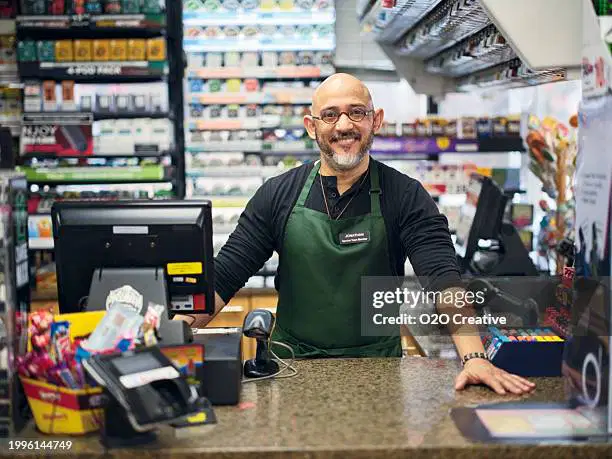
What is an example of a job in the tertiary sector?

a)
Teacher
b)

TikToker

c)

Gum Picker Upper

d)
Chef
4.

What is an example of a job in the quaternary sector?
a)
Agricultural Scientist
b)
Construction Worker
c)
Retail Manager
d)
Software Developer
5.

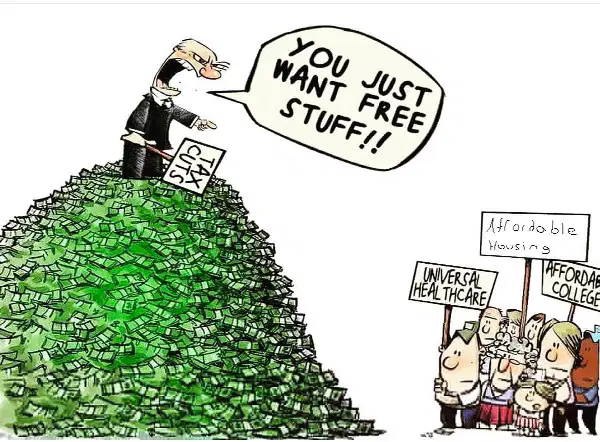
What example best relates to capitalism?

a)
A centrally planned economy with no competition.
b)
A barter system with no currency involved.
c)
A cooperative model where profits are shared equally among all members.
d)
A free market economy with competing businesses.
6.

What best describes socialism?

a)
Socialism promotes complete free market capitalism.
b)
Socialism is a system of social organization where the community or state owns the means of production.
c)
Socialism is a system where individuals own all property.
d)
Socialism is a political ideology that opposes all forms of government.
7.

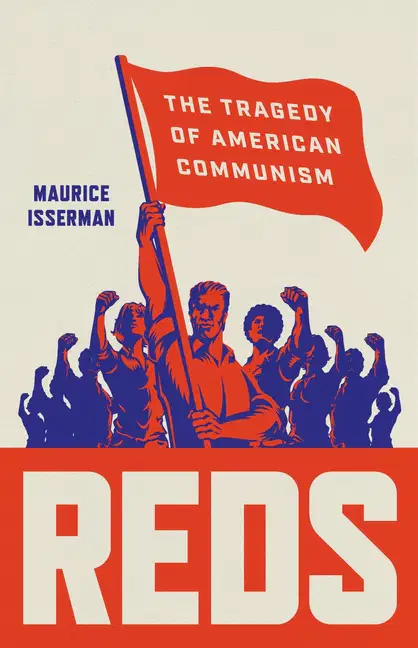
Which best describes communism?

a)
A system where all property is owned collectively and each person contributes and receives according to their abilities and needs.
b)
A political ideology that promotes private ownership and free market competition.
c)
An economic system where wealth is distributed equally among all citizens regardless of contribution.
d)
A system where the government controls all businesses and individuals have no rights.
8.

What is a special economic zone?

a)
A special economic zone is a type of currency used in trade.
b)
A special economic zone is a government program for social welfare.
c)
A special economic zone is an area where only agricultural activities are allowed.
d)
A special economic zone is a designated area with different economic regulations to promote investment and trade.
9.

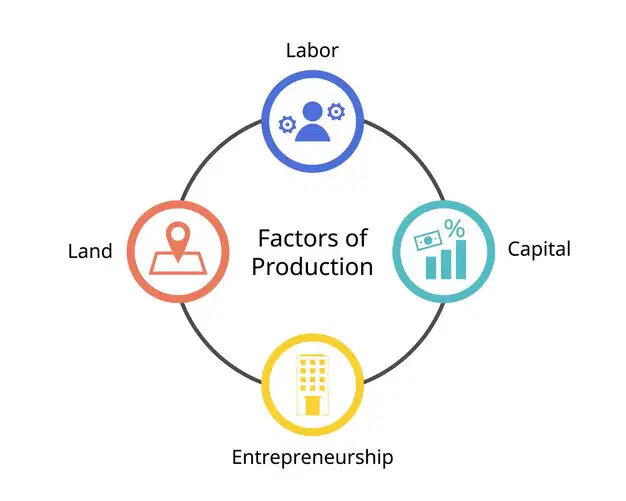
What answers below best describe factors of production?

a)
Technology, finance, marketing, management
b)
Raw materials, distribution, sales, advertising
c)
Land, labor, capital, entrepreneurship
d)
Skills, knowledge, resources, innovation
10.

Days left of school as of April 11th?

a)

25

b)

32

c)

28

d)

26

11.

What a country buys from another country is considered what?

a)
Imports
b)
Trade Surplus
c)
Tariffs
d)
Exports
12.

What a country sells to another country is considered what?

a)
Imports
b)
Trade Balance
c)
Foreign Aid
d)
Exports
13.

What is a Maquiladora?

a)
A Maquiladora is a manufacturing plant in Mexico that assembles products for foreign companies, often using imported materials.
b)
A Maquiladora is a government program for job training in Mexico.
c)
A Maquiladora is a retail store that sells imported goods.
d)
A Maquiladora is a type of agricultural cooperative in Mexico.
14.

What does "De-Industrialized" mean?

a)
A shift to agricultural practices
b)
An increase in industrial production
c)
De-Industrialized means a reduction or decline in industrial activity in a region or economy.
d)
The establishment of new factories
15.

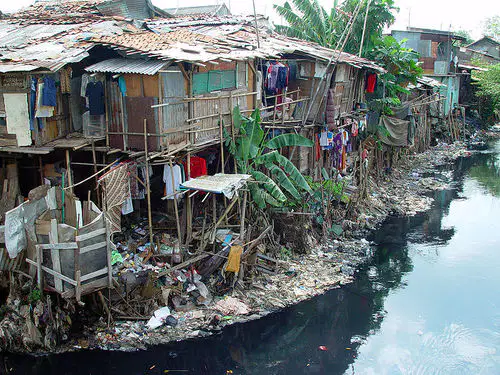
In Economics, what is a Core Country?
a)
A Core Country is a nation primarily focused on agriculture.
b)
A Core Country is a highly developed nation that plays a dominant role in the global economy.
c)
A Core Country is a region with abundant natural resources.
d)
A Core Country is a developing nation with limited global influence.
16.

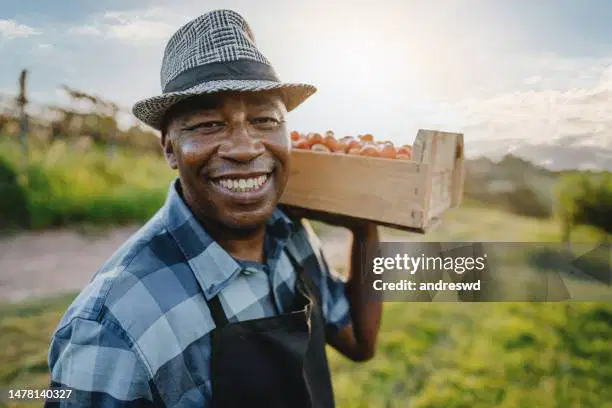
If a Core Country is a country with a successful economy, the opposite of that would be called a :
a)
Periphery Country
b)
Industrialized Nation
c)
Emerging Market
d)
Developing Country
17.

The type of farming where people grow crops just to eat is called:

a)
subsistence farming
b)
industrial agriculture
c)
organic farming
d)
commercial farming
18.

What is the commercial revolution?

a)
The Commercial Revolution was a period of economic expansion and trade growth in Europe from the 11th to the 18th century.
b)
A cultural movement focused on art and literature in the 16th century.
c)
The rise of digital commerce in the 21st century.
d)
A period of military expansion in Asia from the 12th to the 15th century.
19.

The revolution that saw agriculture begin to use chemical fertilizer and machinery was called the:

a)
Technological Advancement
b)
Industrial Revolution
c)
Green Revolution
d)
Agricultural Reformation
20.

What are Fossil Fuels?

a)
Fossil fuels are natural energy sources formed from ancient organic matter, including coal, oil, and natural gas.
b)
Fossil fuels are renewable energy sources from plants.
c)
Fossil fuels are synthetic materials created in laboratories.
d)
Fossil fuels are minerals found in the Earth's crust.
21.

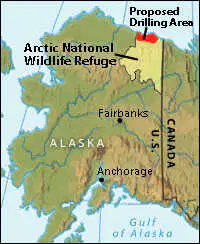
What is the ANWR:

a)
Arctic National Wildlife Refuge (ANWR)
b)
Antarctic National Wildlife Refuge
c)
Arctic Nature Wildlife Refuge
d)
Alaska National Wildlife Reserve
22.

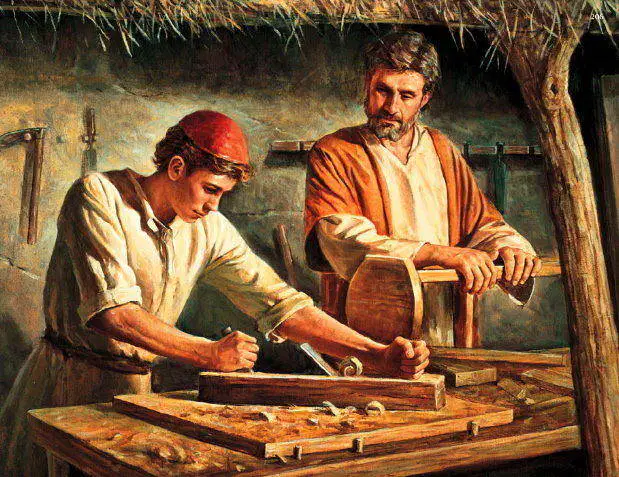
What Economic Sector would a Carpenter (Makes things out of wood) be apart of?

a)
Agricultural Sector
b)

Primary Sector

c)

Secondary Sector

d)
Service Sector
23.

What sector would a computer programmer be apart of?

a)

Tertiary Sector

b)

Secondary Sector

c)

Quaternary Sector

d)

Primary Sector

24.

Any resource that is being taken from the earth, would provide jobs for which sector?

a)

Secondary sector

b)
Primary sector
c)
Quaternary sector
d)
Tertiary sector
25.

A cashier at a grocery store would be a part of which economic sector?

a)

Primary

b)

Secondary

c)

Tertiary

d)

Quaternary