
 Worksheets
Natural Selection & Evolution Check In
Total questions: 15
Worksheet time: 8mins
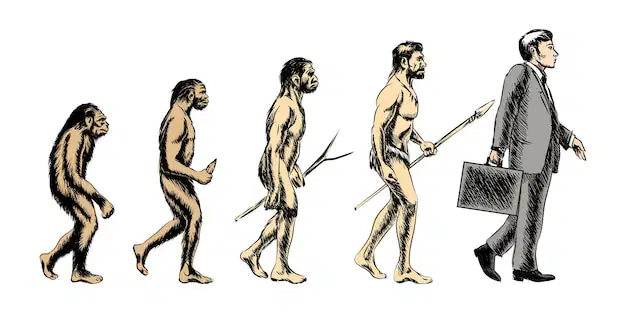
Which of these is NOT evidence of evolution?
Embryology
Genetics (DNA Fingerprinting)
Natural Selection
Fossil Record
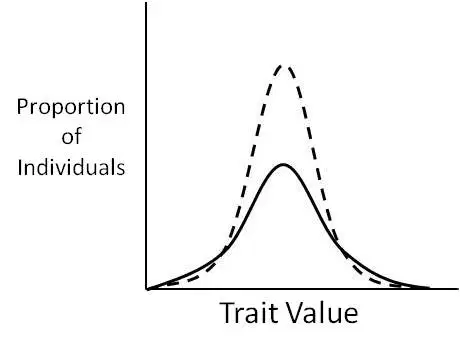
Assuming the dotted line represents the new population and the solid line represents the original population, which of the following types of selection is represented by the graph at left?
Directional (Left)
Directional (Right)
Stabilizing
Disruptive

Which of the following is NOT an assumption of Hardy-Weinberg equilibrium?
Mating is random
Dominant alleles are always more frequent than recessive alleles
No mutations are occuring in the population
No gene flow exists between populations

The colored bones at left are called _____________ structures and are evidence of ____________ evolution.
Vestigal, Convergent
Analagous, Convergent
Homologous, Divergent
Homologous, Convergent
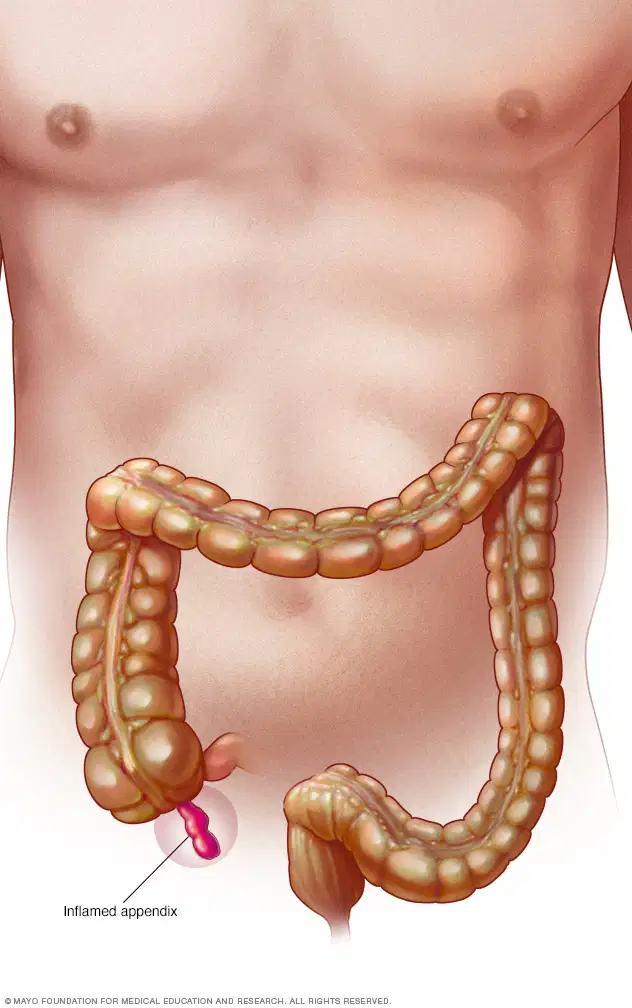
The appendix is a structure inherited from a common ancestor that serves no purpose in the current organism. This is an example of a ___________.
Vestigal Structure
Intermediate Organ
Mutualistic Exchange
Mutation

Which of the following is NOT required for selection to occur?
Consideration
Inheritance
Time
Variation

Select all that apply: All initial variation in a population comes from ____________.
Crossing Over
Gene Flow
Mutation

After a bottleneck event occurs, variation in the population is ____________.
Increased
Decreased
The Same

When looking at the fossil record, rocks that are the furthest underground (deepest) would have ___________ Carbon-14 than fossils found closer to the surface?
More
Less
The Same

Which term best fits the definition: "An organism's ability to survive and pass on its genetic material to offspring"?
Inheritance
Fitness
Adaptation
Selection
A population of birds live on an island where seeds are their primary food source. Birds with smaller beaks can eat small seeds more easily and birds with larger beaks can eat large seeds more easily. A fungus destroys the plants that make large seeds, leaving only the small seeds as food. What type of selection is most likely to occur?
Directional
Stabilizing
Disruptive
None of these
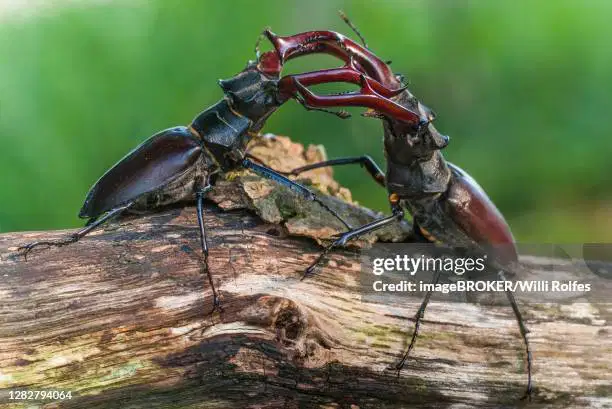
The 2 male beetles at left are competing for a nearby mate. This is an example of _____________.
Intrasexual Selection
Intersexual Selection
Mutualism
Genetic Drift
A group of minnows get separated from the original population due to increased currents in the body of water in which they live. The new population begins to survive and reproduce separately. This is an example of _________________.
The bottleneck effect
Gene flow
The founder effect
Non-random mating
According to Hardy Weinberg Equillibrium, if the dominant allele (p) accounts for 70% of the allele frequency, how much of the allele frequency is comprised of the recessive allele (q)?
70%
30%
50%
None of these
Nearby populations are __________ likely to have different species because of _____________ between the populations.
More; Gene Flow
More; Genetic Drift
Less, Genetic Drift
Less, Gene Flow

