
NEW
Font size
 Worksheets
Quizs - Ch 13 Notes Part 2- Chromosomal Mutations
Total questions: 20
Worksheet time: 10mins
Amount of chromosomes in normal human somatic cells
44 chromosomes
46 chromosomes
48 chromosomes
42 chromosomes
normal Number of autosomal chromosomes in humans
46 autosomal chromosomes
44 autosomal chromosomes
42 autosomal chromosomes
48 autosomal chromosomes
Chromosomal mutations
Chromosomal mutations during meiosis can include changes to the structure of the chromosome.
Types of chromosomal structural mutations: Deletion, Duplication, Inversion, Translocation.
Replication
Transcription
Translation
Effects of Nondisjunction in Meiosis I
All 4 gametes will be abnormal
-2 will be n+1 (have an extra chromosome)
-2 will be n+1 (missing a chromosome)
All 4 gametes will be normal
2 gametes will be normal and 2 will be abnormal
All 4 gametes will be n+1 (have an extra chromosome)
Aneuploidy
A condition where gametes have 1 extra or 1 missing chromosome due to nondisjunction.
A genetic disorder caused by the presence of an extra chromosome in all cells.
A type of mutation that affects the sequence of DNA in a single chromosome.
A condition where chromosomes fail to separate properly during meiosis.
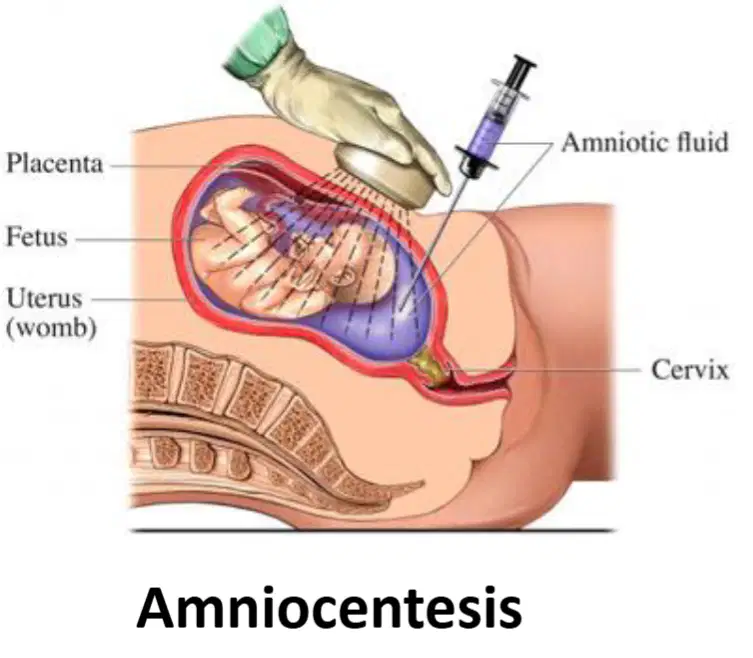
Amniocentesis
Involves collecting amniotic fluid to sample fetal cells, typically for use in creating a karyogram.
A method for determining the sex of the fetus
A technique for monitoring fetal heart rate
A test for detecting maternal blood type
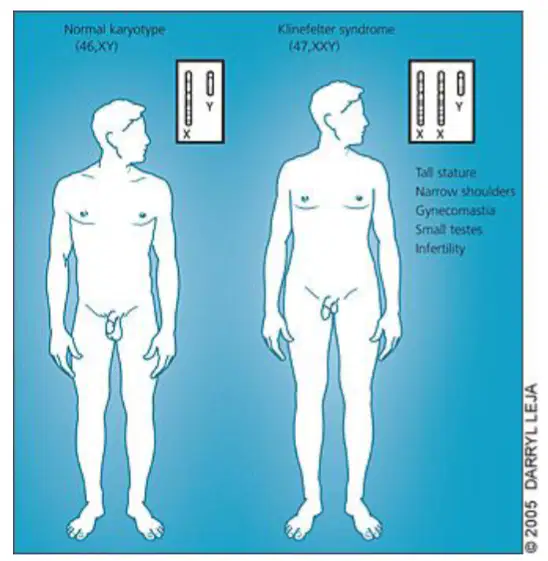
Klinefelter syndrome
Klinefelter syndrome (47,XXY) ; resulting male is sterile.
Klinefelter syndrome (46,XY); resulting male is fertile.
Klinefelter syndrome (47,XXX); resulting male has normal fertility.
Klinefelter syndrome (47,XYY); resulting male has increased testosterone.
Possible chromosomal patterns in Klinefelter’s Syndrome
XXY
XY
XXYY
XXXY
Monosomy
Monosomy is the presence of one copy of a chromosome after fertilization.
This condition can lead to genetic disorders such as Turner's syndrome
The presence of one copy of a chromosome after fertilization.
A condition where chromosomes are completely absent.
A genetic disorder caused by an extra chromosome.
Purpose of displaying all chromosomes in a cell
Examine for abnormalities.
Determine the age of the cell.
Count the number of chromosomes present.
Identify the cell type.
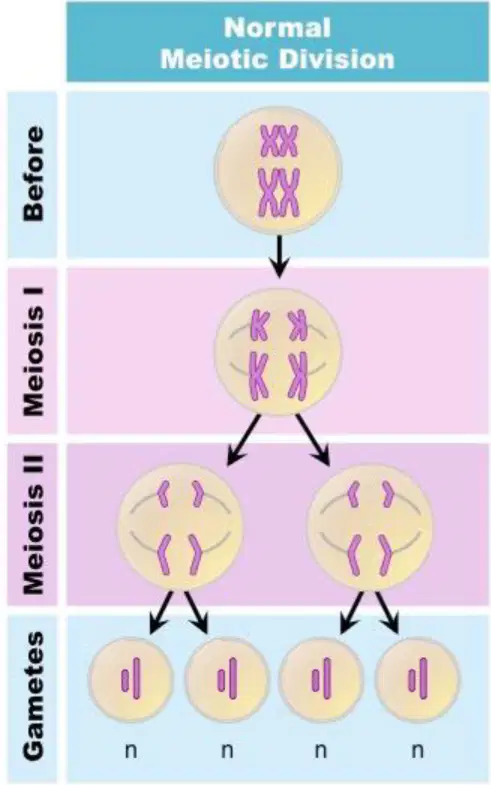
Normal meiotic division results in gametes with how many chromosomes in humans?
22 chromosomes (n = 22)
23 chromosomes (n = 23)
24 chromosomes (n = 24)
21 chromosomes (n = 21)
Examples of disorders from non-disjunction:
Down Syndrome (trisomy 21), Klinefelter Syndrome (XXY), Turner’s Syndrome (monosomy X).
Cystic Fibrosis
Sickle Cell Anemia
Turner’s Syndrome (monosomy X)
Haploid number of normal human
22 chromosomes
23 chromosomes
24 chromosomes
21 chromosomes
Diploid number of normal human
44 chromosomes
46 chromosomes
48 chromosomes
42 chromosomes
2 of the 46 chromosomes are sex chromosomes. What do they determine?
Biological sex: XX = female, XY = male.
Eye color: BB = brown, bb = blue.
Height: Tall = TT, short = tt.
Blood type: A = AA, B = BB.
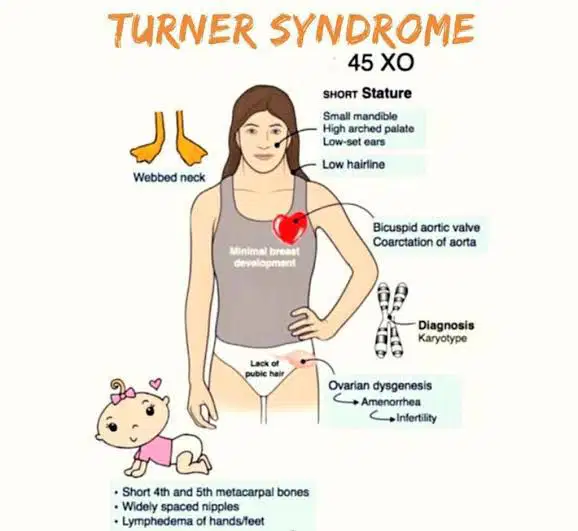
Turner's Syndrome
A sex chromosomal disorder associated with females. Causes offspring to inherit only one X chromosome (genotype = XO). Female is sterile due to underdeveloped sex organs.
AKA Fragile X syndome
A sex chromosomal disorder associated with females, causing sterility due to underdeveloped sex organs.
A genetic disorder caused by an extra Y chromosome.
A disorder characterized by multiple X chromosomes in females.
Karyogram
A micro-photograph of all chromosomes sorted and rearranged by size and position of the centromere.
A micro-photograph of all chromosomes sorted and rearranged by size and position of the centromere.
A type of genetic mutation that affects chromosome structure.
A graphical representation of the genetic makeup of an organism.
44 of the 46 chromosomes are autosomes.
They determine the sex of an individual.
They do not determine the sex of an individual.
They are involved in the immune response.
They are responsible for the production of hormones.
Down Syndrome
A condition where there are 3 copies of chromosome #21 (trisomy).
A condition characterized by the absence of chromosome 21.
A syndrome caused by a mutation in the X chromosome.
A disorder resulting from the duplication of chromosome 18.
Which parent determines the sex of the offspring?
Mother determines the sex of the offspring by donating either an X or a Y chromosome.
Father determines the sex of the offspring by donating either an X or a Y chromosome.
Both parents equally determine the sex of the offspring.
The sex of the offspring is determined by environmental factors.

