
 Worksheets
11.1.3 The great Schism of 1054
Total questions: 20
Worksheet time: 28mins
What theological disagreement played a major role in the Great Schism?
The authority of the Pope
The Filioque controversy (whether the Holy Spirit proceeds from both the Father and the Son)
The use of icons in worship
The language of the Bible
Nicene Creed (325 CE)
"We believe in one God, the Father Almighty, Maker of heaven and earth, and of all things visible and invisible. And in one Lord Jesus Christ, the only begotten Son of God, begotten of the Father before all worlds; God of God, Light of Light, very God of very God; begotten, not made, being of one substance with the Father..."
What does the Nicene Creed (325 CE) affirm about the nature of Jesus?
He is fully divine and of the same substance as God the Father
He is a highly respected prophet but not divine
He was created by God after the world was made
He was chosen by the disciples to lead the early Church
Why was the Nicene Creed written in 325 CE?
To allow the Emperor to become head of the Church
To establish the rules for celebrating Easter
To combat Arianism and unify Christian beliefs
To separate Jewish and Christian worship traditions
Letter from Pope Leo IX to Patriarch Michael I (1054 CE)
"The holy Roman Church has been set above all churches by the word of our Lord and Savior... for it is the see of Peter, the Prince of the Apostles. The Roman pontiff, as Peter’s successor, remains free from all error by divine promise."
According to Pope Leo IX, what special authority does the Pope have?
The power to appoint emperors across Europe
Equal authority with all other patriarchs
Authority given by Peter and protected from error
Permission to remove any priest at will
How did Eastern Church leaders view papal authority?
They fully supported the Pope’s supreme leadership
They believed leadership should be shared among patriarchs
They believed only bishops in the West could rule
They wanted to abolish Church leadership entirely
Canon 28 of the Council of Chalcedon (451 CE)
"Following in all things the decisions of the holy fathers, and acknowledging the canon which has just been read, we also do enact and decree the same things concerning the prerogatives of the most holy Church of Constantinople, which is New Rome... the bishop of Constantinople shall have equal privileges with the bishop of Rome, because it is the New Rome."
What does Canon 28 say about the Bishop of Constantinople?
He must obey every command from Rome
He should only lead local churches in Greece
He has equal privileges to the Bishop of Rome
He should become the new leader of the Western Church
Why did Canon 28 create conflict with the Western Church?
Because it banned Latin from Eastern worship
Because it claimed the Eastern Church no longer needed Rome
Because it reduced the Pope’s authority by giving equality to Constantinople
Because it removed the authority of all bishops
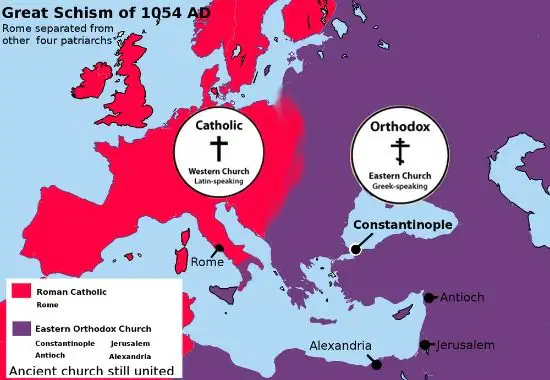
What does the 'Great Schism' refer to in Church history?
The division between the Roman Catholic and Eastern Orthodox Churches in 1054.
The split between the Catholic Church and Protestantism in the 16th century.
The separation between the bishop of Rome and the bishop of Constantinople.
The division between East Christianity and the Islamic Empire.
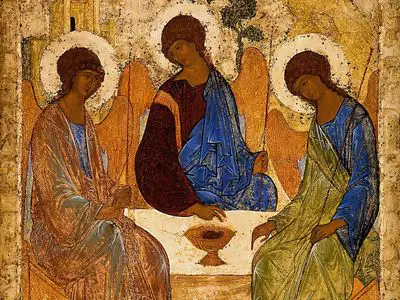
What theological issue does the term 'Filioque' address?
The belief that the Holy Spirit proceeds only from the Father.
The belief that the Holy Spirit proceeds from both the Father and the Son.
A dispute over the Pope’s authority.
A theological disagreement about Christ’s nature.
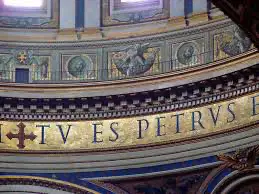
What does the concept of 'Papal Supremacy' claim?
That the Pope has supreme and universal authority over all bishops and Christian teachings.
That the Pope is a symbolic figurehead with no real authority.
That all bishops are equal and share authority equally.
That the Pope’s authority is limited to political leadership.
What does 'Excommunication' mean in the Catholic Church?
A ceremony marking the end of a bishop’s role.
The formal exclusion of a person from the Church due to heresy.
A process for reconciling sinners with the Church.
A procedure for electing a new Pope.
What was the key outcome of the 'Council of Nicaea'?
The Nicene Creed was established to define the nature of Christ and combat Arianism.
The role of the Pope was solidified as the supreme leader of the Church.
A new doctrine on the use of religious images was established.
The disagreement over the Filioque controversy was resolved.
Which of the following events happened first in Church history?
The Council of Chalcedon (451 CE)
The Great Schism (1054 CE)
The First Council of Nicaea (325 CE)
The Council of Ephesus (431 CE)
Which of the following events happened last in Church history?
The Council of Chalcedon (451 CE)
The Great Schism (1054 CE)
The First Council of Nicaea (325 CE)
The Council of Ephesus (431 CE)
The (a) was the first council convened by Emperor Constantine in 325 CE, which was pivotal in defining the nature of Christ’s divinity.
Excerpt from Nicene Creed (325 CE):
"We believe in one God, the Father Almighty, Maker of heaven and earth, and of all things visible and invisible. And in one Lord Jesus Christ, the only-begotten Son of God, begotten of the Father before all worlds; God of God, Light of Light, very God of very God; begotten, not made, being of one substance with the Father..."
What is the main theological claim made in this excerpt?
Jesus is a created being, different from God the Father.
Jesus is divine, of the same substance as God the Father.
The Nicene Creed was developed to address issues of church leadership.
The Nicene Creed denies the divinity of the Holy Spirit.
Match the following Church leaders with their corresponding churches during the early church period:
Pope Leo IX
Roman Catholic Church
Patriarch Michael I
Eastern Orthodox Church
Bishop of Constantinople
Eastern Roman Empire Church (Byzantine)
Gregory the Great
Western Church
In 451 CE, the Council of Chalcedon proclaimed the equality of the bishops of Rome and Constantinople. What impact did this decision have on the relationship between the Eastern and Western Churches?
It united the Eastern and Western Churches under one supreme authority.
It created tensions between the Pope in Rome and the Patriarch in Constantinople.
It resolved theological disagreements regarding the nature of Christ.
It marked the beginning of the Great Schism of 1054.
The term (a) refers to the doctrine that the Holy Spirit proceeds from both the Father and the Son, which became a point of contention between the Eastern and Western Churches.
On the map below, label the following cities:
Rome – The center of the Western Church and Papal authority.
Constantinople – The center of the Eastern Church and the Byzantine Empire."
Constantinople
Rome
Which theological doctrine caused a major divide between the Eastern and Western Churches in the lead-up to the Great Schism?
Filioque
Transubstantiation
Arianism
Iconoclasm
Organize these options into the right categories
The Holy Spirit proceeds from the Father and the Son (Filioque clause)
Use of unleavened bread in the Eucharist
Pope has supreme authority over all churches (Papal supremacy)
The Holy Spirit proceeds from the Father only
Use of leavened bread in the Eucharist
Authority is shared among Patriarchs (Conciliar model of leadership)

Reorder Arrange the following events in chronological order: following
Edict of Milan (313 CE)
First Council of Nicaea (325 CE)
Council of Chalcedon (451 CE)
Great Schism (1054 CE)

