
 Worksheets
Understanding the Water Cycle
Total questions: 22
Worksheet time: 17mins
Which of the following stages of the water cycle involves the transformation of water from liquid to gas?
Condensation
Evaporation
Precipitation
Infiltration
What is the primary effect of condensation in the water cycle?
Formation of clouds
Melting of ice
Absorption of sunlight
Increase in temperature
Which type of precipitation is characterized by frozen raindrops that reach the ground?
Snow
Sleet
Hail
Rain
How does evaporation contribute to the water cycle?
It cools the atmosphere
It increases atmospheric pressure
It adds moisture to the air
It decreases humidity
Which of the following best describes the importance of the water cycle to Earth's ecosystems?
It regulates temperature
It provides nutrients
It distributes water resources
It creates wind patterns
What is one way human activities impact the water cycle?
Increasing precipitation
Reducing evaporation
Altering natural water flow
Enhancing condensation
Which stage of the water cycle is directly responsible for the formation of dew on grass in the morning?
Evaporation
Condensation
Precipitation
Transpiration
What type of precipitation occurs when water droplets in clouds freeze and fall to the ground as ice pellets?
Snow
Hail
Sleet
Drizzle
How does the process of evaporation affect the surrounding environment?
It increases air pressure
It cools the environment
It warms the environment
It decreases humidity
Which of the following is a consequence of human impact on the water cycle?
Increased natural precipitation
Decreased water pollution
Altered precipitation patterns
Enhanced natural evaporation


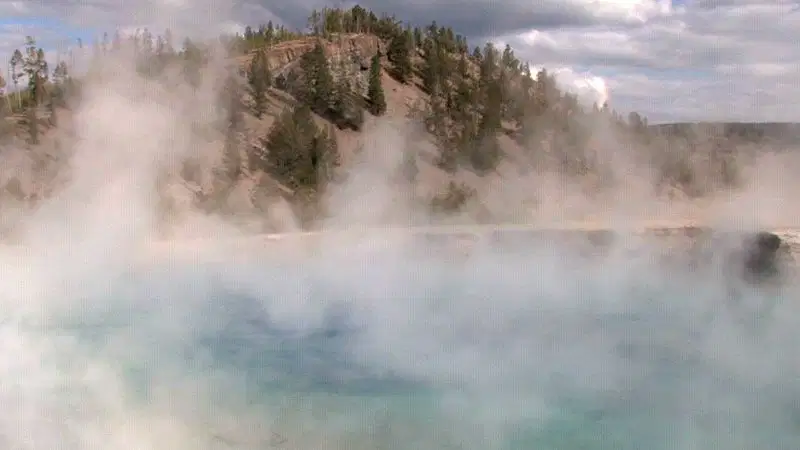
What is the process where the suns heat turns liquid into a gas (water vapor)?
Condensation
Evaporation
precipitation
rain
This falls to the Earth in the form of rain, snow, sleet and hail.
precipitation
water cycle
condensation
evaporation
Provides heat, light and energy.
clouds
rain
sun
trees

