
 Worksheets
Understanding the European Union (EU) and Its Impact
Total questions: 57
Worksheet time: 29mins
The European Union (EU) is a political and economic union of how many member countries?
24
27
30
32
The European Union (EU) is a political and economic union of how many member countries?
27
28
30
25
Identify the countries that are part of the European Union.
France, Germany, Italy
Brazil, Argentina, Chile
China, Japan, South Korea
Australia, New Zealand, Fiji
The EU impacts political relationships between its member states by:
Promoting economic cooperation and reducing trade barriers
Increasing military alliances among member states
Encouraging cultural homogeneity
Imposing strict immigration controls
The economic benefits of the EU include:
Free trade and economic cooperation
Political integration and military alliance
Cultural exchange programs
Environmental regulations
The European Union is:
A political and economic union of 27 European countries
A single country in Europe
An organization for Asian countries
A trade agreement between the US and Europe
The main goals of the European Union are:
Economic cooperation and political integration
Military expansion and territorial conquest
Cultural assimilation and language unification
Isolationism and self-sufficiency
Countries join unions like the EU for various reasons, including:
Economic benefits and trade advantages
Cultural exchange and tourism
Military alliances and defense
Environmental protection and sustainability
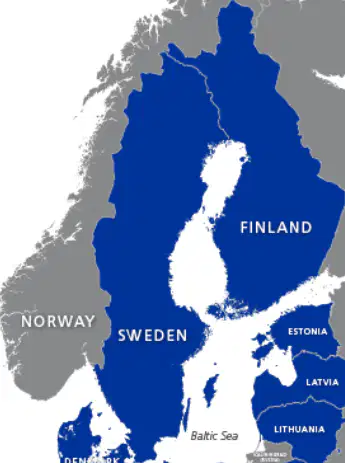
Which countries are notable non-members of the EU?
United Kingdom
Norway
Switzerland
Some countries might choose not to join the EU because:
They want to maintain sovereignty and control over their own laws.
They prefer to align with other international organizations.
They have economic concerns about EU membership.
All of the above.
Which country is a member of the European Union?
Norway
Austria
Switzerland
Iceland
Which of the following is a member of the European Union?
Belgium
Norway
Switzerland
Iceland
Which country is a member of the European Union?
Bulgaria
Norway
Ukraine
Turkey
Which of the following is a member of the European Union?
Croatia
Norway
Switzerland
Iceland
Which country is a member of the European Union?
A) Cyprus
B) Iceland
C) Liechtenstein
D) Monaco
Which of the following is a member of the European Union?
Czech Republic
Norway
Switzerland
Turkey
Which country is a member of the European Union?
Denmark
Norway
Switzerland
Russia
Fill in the blank: _______ is a member of the European Union.
Estonia
Norway
Switzerland
Iceland
Which country is a member of the European Union?
Finland
Norway
Iceland
Greenland
_______ is a member of the European Union.
France
Brazil
China
Australia
Which country is a member of the European Union?
Germany
Norway
Switzerland
Liechtenstein
Fill in the blank: _______ is a member of the European Union.
Greece
Norway
Switzerland
Turkey
Which country is a member of the European Union?
A) Hungary
B) Norway
C) Iceland
D) Switzerland
Which of the following is a member of the European Union?
Ireland
Norway
Switzerland
Iceland
Which country is a member of the European Union?
A) Italy
B) Norway
C) Switzerland
D) Liechtenstein
Which of the following is a member of the European Union?
Latvia
Norway
Switzerland
Iceland
Which country is a member of the European Union?
Lithuania
Norway
Iceland
Switzerland
Which of the following is a member of the European Union?
Luxembourg
Norway
Switzerland
Iceland
Which country is a member of the European Union?
Malta
Norway
Iceland
Liechtenstein
Which of the following is a member of the European Union?
Netherlands
Norway
Switzerland
Iceland
Which country is a member of the European Union?
Poland
Norway
Switzerland
Liechtenstein
Which of the following is a member of the European Union?
Portugal
Norway
Switzerland
Iceland
Which country is a member of the European Union?
Romania
Norway
Iceland
Switzerland
Which of the following is a member of the European Union?
Slovakia
Norway
Switzerland
Iceland
Which country is a member of the European Union?
Slovenia
Norway
Iceland
Liechtenstein
Which of the following is a member of the European Union?
Spain
Norway
Switzerland
Iceland
Which country is a member of the European Union?
A) Sweden
B) Norway
C) Iceland
D) Switzerland
What is one of the economic benefits of the EU?
Free trade (no tariffs between member states)
Shared decision-making on security
Freedom to travel across EU countries
How many countries use the shared currency (Euro) in the EU?
15
20
25
What type of support does the EU provide for struggling economies?
Financial support
Military support
Cultural exchange programs
Educational grants
What is one of the political benefits of the EU?
Shared decision-making through the EU Parliament Cooperation on security, climate change, and global issues
Cultural exchange and diversity
Free trade (no tariffs between member states)
What is one of the social benefits of the EU?
Financial support for struggling economies
Freedom to travel, work, and study across EU countries
Shared currency (Euro) used by 20 countries
What does the EU promote in terms of cultural aspects?
Cultural exchange and diversity
Economic competition
Military alliances
Technological innovation
What are some of the economic challenges faced by the EU?
High unemployment rates
Rising public debt
Economic inequality
All of the above
What are some of the political challenges faced by the EU?
Brexit negotiations
Climate change policies
Digital transformation
All of the above
The benefits of the EU outweigh its challenges.
Agree
Disagree
Neutral
What is one of the world's largest trading blocs?
The EU
NAFTA
ASEAN
MERCOSUR
How do EU countries work together in terms of climate action?
To reduce carbon emissions
To increase fossil fuel usage
To promote deforestation
To ignore climate change
What does the EU support in terms of human rights and aid?
Supports countries in crisis and promotes democracy
Ignores international conflicts
Focuses only on economic growth
Prioritizes military expansion
How does the EU negotiate in world affairs?
As a united bloc
Individually by each member state
Through bilateral agreements
By following the lead of the largest member state
Pick an EU member country and research: How has the EU helped its economy?
The EU has provided financial aid and subsidies to support economic growth.
The EU has imposed strict regulations that hinder economic growth.
The EU has not played any significant role in the country's economy.
The EU has only focused on political integration without economic support.
Pick an EU member country and research: What political benefits has it received?
Improved trade relations
Enhanced security cooperation
Increased political influence
All of the above
Pick an EU member country and research: What challenges has it faced in the EU?
Germany has faced challenges related to its energy policy within the EU.
France has faced challenges related to its agricultural policies within the EU.
Italy has faced challenges related to its economic stability within the EU.
Spain has faced challenges related to its regional independence movements within the EU.
The biggest advantage of being in the EU is:
Economic stability and growth
Cultural exchange and diversity
Political influence and power
Access to a large single market
Would you recommend a country join the EU? Why or why not?
Yes, because of economic benefits and political stability.
No, because of loss of sovereignty and cultural identity.
Yes, because of access to a larger market and resources.
No, because of bureaucratic regulations and financial obligations.
One benefit of the EU is:
Free trade among member countries
Increased national sovereignty
Isolation from global markets
Reduced travel restrictions

Final Thought: The EU is still evolving—how might it change in the future?
The EU will expand its membership.
The EU will dissolve.
The EU will remain the same.
The EU will become a single country.

