
Font size
 Worksheets
Fork Lift - Reach Truck Safety Awareness
Total questions: 20
Worksheet time: 10mins
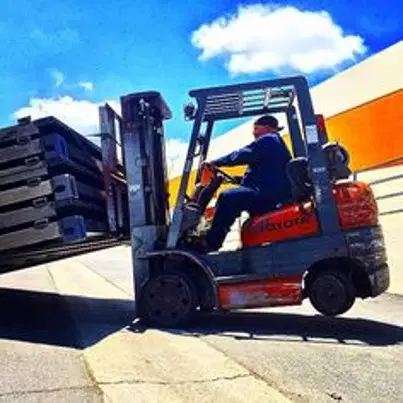
What is the most common cause of forklift accidents?
फॉर्कलिफ्ट दुर्घटनाओं का सबसे आम कारण क्या है?
Equipment failure
उपकरणकीखराबी
Poor visibility
खराबदृश्यता
Operator error
ऑपरेटरकीगलती
Overloaded pallets
अधिकलोडेडपैलेट
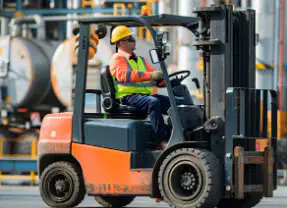
Before using a forklift, the operator should:
फॉर्कलिफ्ट का उपयोग करने से पहले ऑपरेटर को क्या करना चाहिए?
Adjust the mirrors
मिरर समायोजित करना
Check the oil
तेलजांचना
Conduct a pre-operation inspection
पूर्व-ऑपरेशननिरीक्षणकरना
Load the forklift
फॉर्कलिफ्टकोलोडकरना
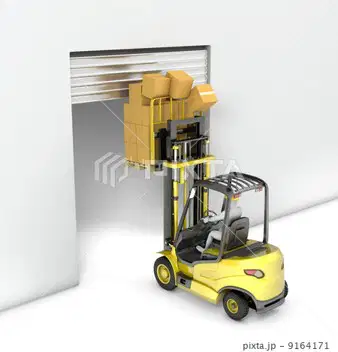
What is the recommended way to travel with an elevated load?
उठाए गए लोड के साथ यात्रा करने का सही तरीका क्या है?
Fast and straight
तेज़औरसीधेचलें
Tilt the mast forward
मस्तकोआगेकी ओर झुकाएं
Drive in reverse
रिवर्स में चलाएं
Lower the load as close to the ground as possible
लोड को ज़मीन के जितना संभव हो उतना पास रखें
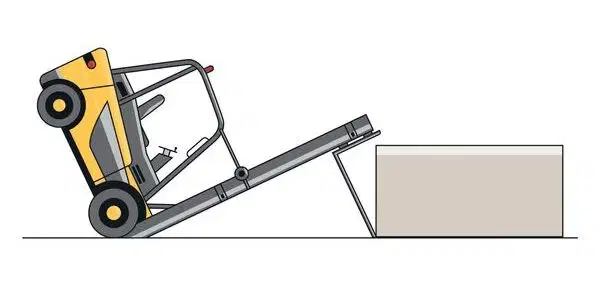
What should you do if the forklift starts to tip over?
यदि फॉर्कलिफ्ट पलटने लगे तो क्या करना चाहिए?
Jump out immediately
तुरंतकूदजाएं
Lean away from the direction of the tip
पलटनेकीदिशासेदूरझुकें
Speed up to regain balance
बैलेंस वापस पाने के लिए गति बढ़ाएं
Stay in the seat and hold on
सीट पर रहें और पकड़ें
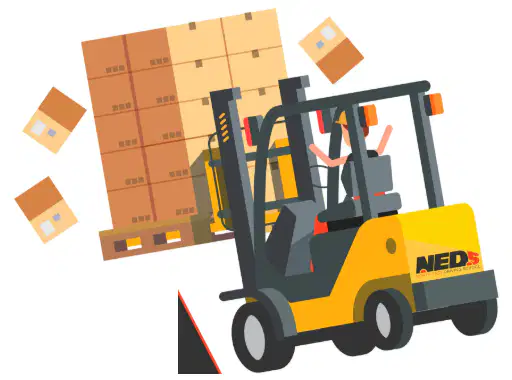
When is it acceptable to exceed the rated capacity of a forklift?
फॉर्कलिफ्ट की निर्धारित क्षमता से अधिक वजन कब उठाना उचित होता है?
On smooth surfaces only
केवल समतल सतहों पर
Never
कभीनहीं
If the distance is short
अगर दूरी कम है
With supervisor approval
सुपरवाइज़र की अनुमति से

Forklifts should be refueled or recharged:
फॉर्कलिफ्ट को ईंधन भरना या चार्ज करना चाहिए:
Anywhere in the facility
किसी भी जगह
Only when the fuel runs out
जब ईंधन खत्म होजाए
At the operator's convenience
ऑपरेटर की सुविधा अनुसार
In designated, ventilated areas
निर्धारित और हवादार क्षेत्रों में

How far should you stay from the edge of a loading dock with a forklift?
फॉर्कलिफ्ट को लोडिंग डॉक के किनारे से कितनी दूरी पर रखना चाहिए?
At least the length of the forklift
फॉर्क लिफ्ट की लंबाई के बराबर
1 foot
1 फीट
2 feet
2 फीट
As close as needed
जितना पास चाहिए
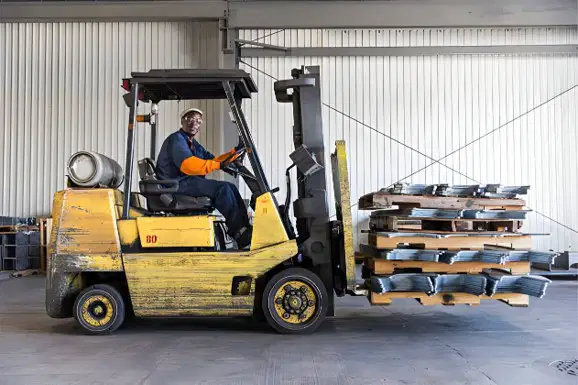
Which of the following is a proper practice while operating a forklift?
फॉर्कलिफ्ट चलाते समय सही अभ्यास कौन सा है?
Carry passengers
यात्रियों को ले जाना
Travel with the forks raised
फोर्क्स को ऊपर रखकर चलना
Honk at intersections
चौराहों पर हॉर्न बजाना
Speed through pedestrian zones
पैदल चलने वाले क्षेत्रोंमें तेज़ चलना
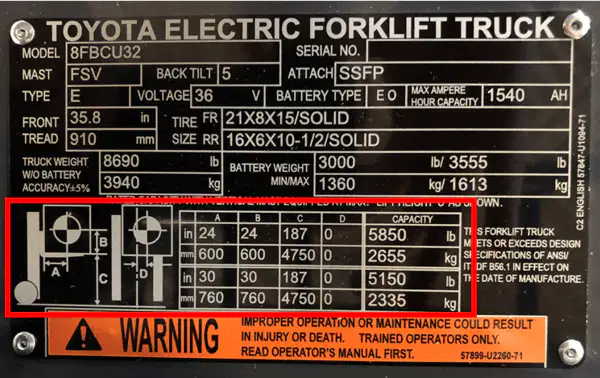
What does the load capacity plate on a forklift tell you?
फॉर्कलिफ्ट पर लोड क्षमता प्लेट क्या बताती है?
How much fuel the forklift uses
फॉर्क लिफ्ट कितना ईंधन इस्तेमाल करती है
The number of hours it can operate
कितने घंटे तक चल सकती है
The maximum driving speed
अधिकतम ड्राइविंग गति
The maximum load weight and lift height
अधिकतम लोड वजन और लिफ्ट ऊंचाई

If a load blocks your forward view, you should:
अगर लोड आगे देखने में रुकावट बनता है तो क्या करना चाहिए?
Drive in reverse carefully
सावधानीपूर्वक रिवर्स में चलाएं
Ask someone to walk ahead of you
किसीको आगे चलने को कहें
Drive faster to minimize the time in transit
जल्दी चलें ताकि रास्ता जल्दी खत्महो
Raise the load higher
लोड को और ऊँचा उठाएं
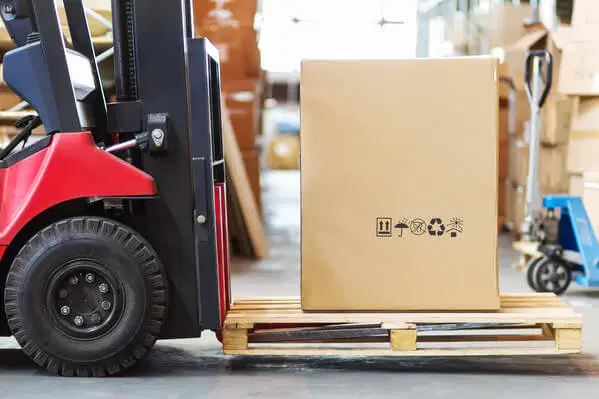
What should you do before lifting a load?
लोड उठाने से पहले क्या करना चाहिए?
Rev the engine
इंजन को तेज़ चलाएं
Ensure the load is stable and secure
लोडको सुरक्षित और संतुलित करना सुनिश्चित करें
Turn off the forklift
फॉर्क लिफ्ट बंद करें
Raise the forks to full height
फोर्क्स को पूरी ऊँचाई तक उठाएं
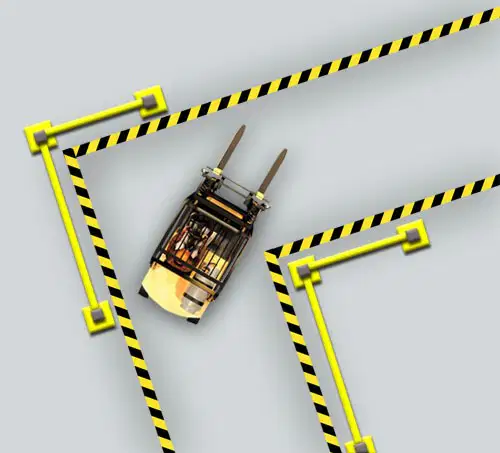
When turning a corner with a forklift, you should:
मोड़ लेते समय क्या करना चाहिए?
Turn sharply to save time
तेज़ मोड़ लें
Slow down and sound the horn
धीमे चलें और हॉर्न बजाएं
Speed up to avoid tipping
संतुलन बनाए रखने के लिए गति बढ़ाएं
Lean in the direction of the turn
मोड़कीदिशामेंझुकें
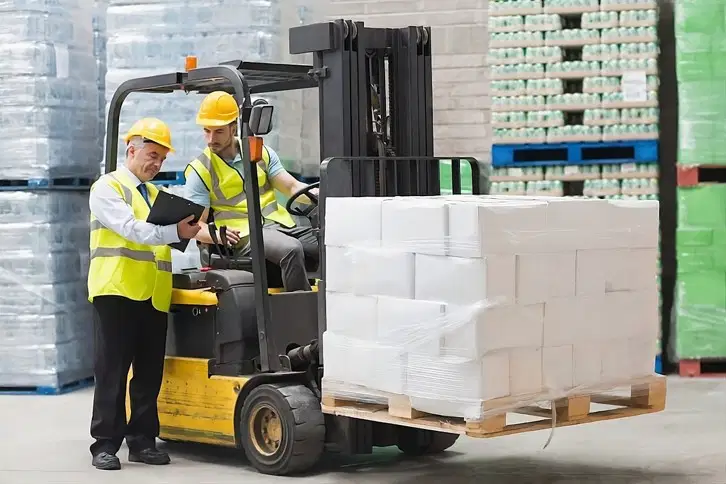
Which type of footwear is recommended for forklift operators?
फॉर्कलिफ्ट ऑपरेटर के लिए कौन से जूते उपयुक्त हैं?
Sneakers
स्नीकर्स
Open-toed sandals
खुले सैंडल
Steel-toed boots
स्टील-टो बूट्स
Running shoes
रनिंग शूज
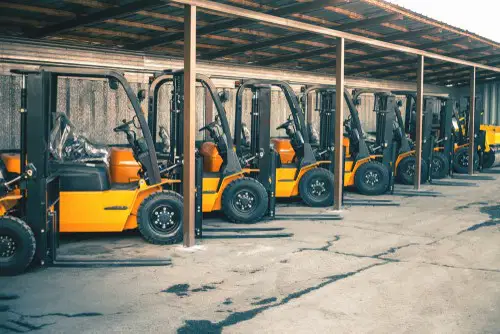
When parking a forklift, you must:
फॉर्कलिफ्ट पार्क करते समय क्या करना चाहिए?
Leave the keys in the ignition
चाबी अंदर ही छोड़ दें
Lower the forks, set the brake, and turn off the engine
फोर्क्स नीचे करें, ब्रेक लगाएं और इंजन बंद करें
Leave the forks in the air
फोर्क्स को हवा में छोड़ दें
Keep the forklift running
फॉर्क लिफ्ट चालू रखें
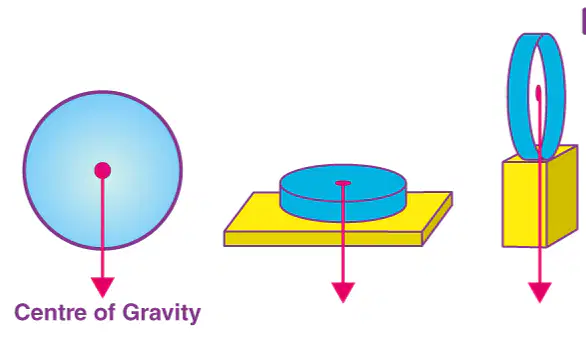
What is the center of gravity in forklift operation?
फॉर्कलिफ्ट संचालन में "संतुलन केंद्र (Center of Gravity)" क्या है?
The heaviest part of the forklift
फॉर्कलिफ्ट का सबसे भारी भाग
The point where the operator sits
जहाँ ऑपरेटर बैठता है
The balance point between the load and the truck
लोड और ट्रक के बीच संतुलन बिंदु
The area around the tires
टायर के आसपास का क्षेत्र
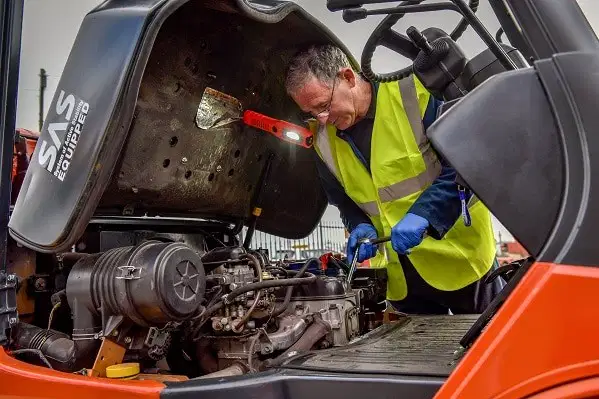
What should you do if you notice a mechanical issue during operation?
अगर संचालन के दौरान कोई यांत्रिक समस्या दिखे तो क्या करें?
Ignore it and finish your task
नजरअंदाज करें और काम पूरा करें
Try to fix it yourself
खुद ठीक करने की कोशिश करें
Speed up to complete the task quickly
काम जल्दी खत्म करने के लिए गति बढ़ाएं
Report it and stop using the forklift
रिपोर्ट करें और फॉर्क लिफ्ट का उपयोग बंद करें
Forklift operators must be trained and certified according to:
फॉर्कलिफ्ट ऑपरेटर को प्रशिक्षित और प्रमाणित होना चाहिए:
Legal Compliance
कानूनी नियमों के अनुसार
Workplace policies
कार्यस्थलकी नीतियों के अनुसार
The manufacturer's manual
निर्माता की मैनु अल के अनुसार
Supervisor instructions
सुपरवाइज़र के निर्देशोंसे

It is safe to lift people with a forklift if:
लोगों को फॉर्कलिफ्ट से कब उठाया जा सकता है?
They hold on tightly
जब वे कस कर पकड़ें
A safety cage is used and it’s approved
जब सुरक्षा पिंजरा (सेफ्टीकेज) हो और वह स्वीकृत हो
It’s only for a short duration
यदि समय कम हो
They are standing on the forks
जब वे फोर्क्स पर खड़े हों
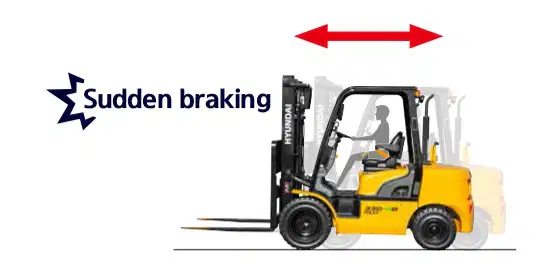
Why should you avoid sudden stops or turns when carrying a load?
लोड के साथ अचानक रोक या मोड़ क्यों नहीं लेना चाहिए?
It saves fuel
ईंधन बचता है
It keeps the engine from overheating
इंजन गर्म नहीं होता
It increases productivity
उत्पादकता बढ़ती है
It prevents tipping and load shift
पलटने और लोड शिफ्ट को रोकता है
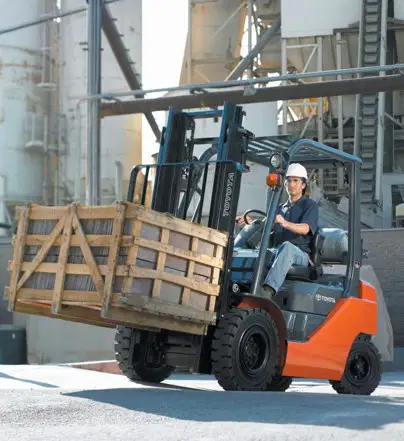
When traveling up or down a ramp with a load, which direction should the load face?
रैम्प पर ऊपर या नीचे जाते समय लोड किस दिशा में होना चाहिए?
Always uphill
हमेशा ऊपर की ओर
Always downhill
हमेशा नीचे की ओर
Side ways
साइड में
It doesn’t matter
कोई फर्क नहीं पड़ता