
 Worksheets
8.1 Aquatic Point Source Pollution
Total questions: 13
Worksheet time: 7mins
What is a point source of pollution?
A single, identifiable source of a pollutant.
A widespread, non-specific source of pollution.
A natural source of pollution.
A temporary source of pollution.
What is a non-point source of pollution?
Contributions from many sources accumulating over a wide area, eventually reaching levels that affect water quality.
A single factory discharging waste into a river.
A leaking oil tanker in the ocean.
A sewage treatment plant releasing treated water.
What is a main issues that is caused by sewage discharge pipes?
Wastewater contains disease-causing organisms.
Sewage discharge pipes help in water purification.
Sewage discharge pipes increase fish population.
Sewage discharge pipes reduce water pollution.
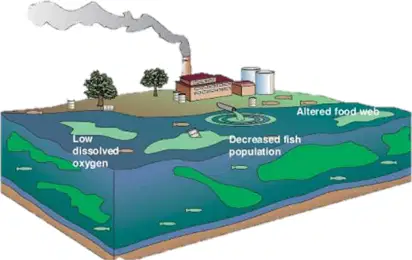
What is the effect of thermal pollution on water?
Lowers oxygen concentrations and can lead to stress and death of organisms.
Increases water clarity and supports aquatic life.
Promotes the growth of beneficial algae.
Enhances the natural filtration process of water.
What act regulates thermal pollution according to the image?
The Clean Water Act of 1972.
The Air Quality Act of 1967.
The National Environmental Policy Act of 1969.
The Endangered Species Act of 1973.
What chemical reaction occurs in acid mine drainage?
Water and air react with pyrite (FeS2) to break down into iron and sulfuric acid.
Pyrite reacts with carbon dioxide to form carbonic acid and iron.
Water reacts with limestone to produce calcium sulfate and hydrogen gas.
Air reacts with copper sulfide to produce copper sulfate and sulfur dioxide.
What is the pH effect of acid mine drainage on water?
Lowers pH of water (pH can be close to 0).
Raises pH of water (pH can be close to 14).
Has no effect on pH of water.
Neutralizes the pH of water.
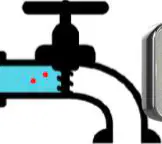
What is the main health risk associated with lead pipes?
Exposure leads to attacks on nervous system, learning & behavioral problems, and kidney damage.
Causes immediate respiratory failure.
Leads to increased risk of skin cancer.
Results in severe dehydration.
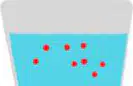
What was the main reason for switching water source in Flint, Michigan in 2014?
To save money.
To improve water quality.
To increase water supply.
To comply with federal regulations.
What is a point source of oil spills?
Leaking tankers or pipes.
Natural seeps.
Runoff from land.
Atmospheric deposition.
Which oil spill is considered the largest accidental oil spill in history?
BP Deep Water Horizon (2010, Gulf of Mexico).
Exxon Valdez (1989, Prince William Sound, Alaska).
Ixtoc I (1979, Bay of Campeche, Mexico).
Atlantic Empress (1979, off the coast of Tobago).
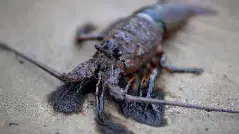
How do oil spills affect wildlife?
Fouling/Oiling, clogs gills, birds lose ability to fly, insulating properties of fur disappear, toxicity, severe health problems.
Enhances the ability of birds to fly, improves water quality, promotes healthy fish populations.
Increases the insulating properties of fur, cleanses the gills, detoxifies the environment.
Provides nutrients to marine life, supports coral growth, purifies the ocean.
What is bioremediation in the context of oil spills?
A particular bacterium consumes oil; scientists are trying to genetically engineer the bacterium to consume oil even faster.
Bioremediation is the use of chemical dispersants to break down oil.
Bioremediation involves burning the oil to remove it from the environment.
Bioremediation is the physical removal of oil using skimmers and booms.

