
 Worksheets
WORLD LINE DESIGN QUIZ GAME
Total questions: 35
Worksheet time: 42mins
1. Primary colors are red, yellow and (a)
2. (a) is a color formed by mixing yellow and blue.
3. When red is mix with orange, the color is (a) .
Is a very pleasing design having one part that is more interesting than
any other.
Emphasis
Rhythm
Harmony
Balance
It can be described as having equal "weight" on equal sides of a centrally
placed like a see saw.
Formal
Informal
Harmony
Balance
Repetition is
Choosing the different font styles within the same category
Purposely duplicating elements or aspects of elements within the same document
Alignment of clipart to appear behind the text
Using an ornamental font style for title text
Alignment can be demonstrated using which of the following methods?
text direction
line spacing
element rotation
all of these
A design method in which spatial properties are used to determine the optimal placement of objects or groups of objects is
Proximity
Approximation
Arrangement
Alignment
Which text choice below would be the best for keying a sentence you want to get noticed?
Using all capital letters
Changing each word to be a different color
Highlighting the text in bright yellow
Using bold
A method of design that uses spatial properties to purposely place related items together is
Proximity
Approximation
Arrangement
Alignment

What design principle refers to the distribution of visual weight in a design?
Harmony
Proportion
Symmetry
Balance

Which design principle involves the use of differences in elements like color, size, and shape to create interest?
Unity
Contrast
Alignment
Harmony

In design, what is used to make certain parts of a design stand out and grab the viewer's attention?
Harmony
Brightness
Alignment
Contrast

Which design principle guides the viewer's eye through a composition?
Hierarchy
Contrast
Proximity
Alignment

What design principle is created by repeating elements in a consistent and organized way?
Balance
Harmony
Unity
Rhythm
Unity in design refers to the relationship between the individual parts and the whole. True or False?
Not sure
Partially true
False
True
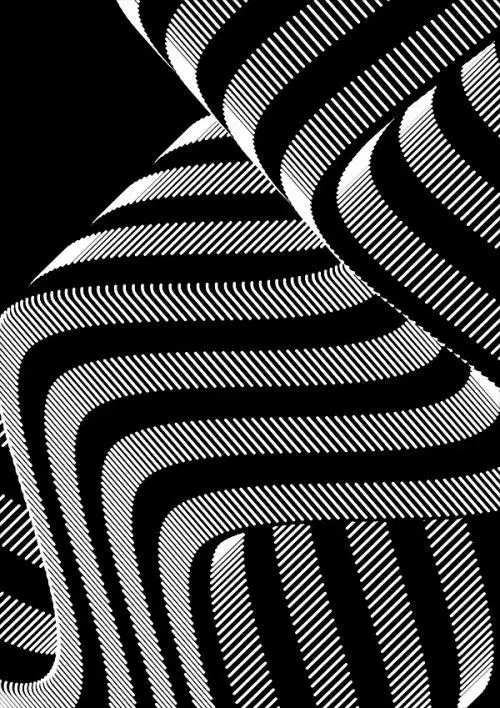
Which design principle involves creating a sense of movement in a composition?
Rhythm
Balance
Harmony
Contrast
In design, what principle brings together a sense of visual harmony and completeness?
Proximity principle
Gestalt principle
Closure principle
Symmetry principle
Which design principle involves the careful placement of elements to create a feeling of completeness and wholeness?
Balance
Proportion
Symmetry
Harmony
What is the purpose of incorporating movement into a design?
To confuse the viewer
To guide the viewer’s eye through the artwork
To make the design appear larger
To reduce the importance of the focal point
How can movement affect the mood of a design?
It can make the design feel more dynamic and energetic
It can guide the viewer’s emotions in a specific direction
It can create a sense of calm and stillness
A and B
What does the principle of movement in design refer to?
The physical movement of the viewer around the artwork
The path the viewer’s eye takes through the artwork, often to focal areas
The actual motion depicted in the artwork
The technique used to create texture in a piece
How can a designer create emphasis in a piece of work?
By making an element larger than others
By using a dull color for the element
By placing the element in the background
By ensuring all elements have equal visual weight
Which element can be used to create a sense of movement in a design?
Color
Shape
Lines
All of the above
In terms of movement, what role do diagonal lines play in a design?
They create stability and balance
They suggest movement and action
They are primarily used for decorative purposes
They make the design appear static
How can patterns affect the perception of a design?
They can make a design appear more spacious
They can alter the perceived weight and importance of elements
They have no effect on perception
They can only make designs appear more cluttered
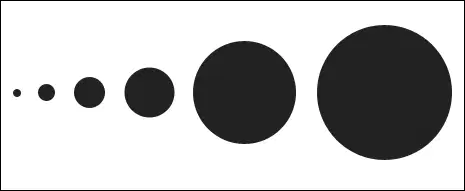
In the context of using patterns in design, what does the term "scale" refer to?
The cost of implementing the pattern
The hierarchy of elements within a pattern
The relative size of the pattern's elements
The color scheme of the pattern
Which of the following best describes the principle of unity in design?
The use of contrasting elements to make a piece more interesting.
The process of combining various parts of a design to make them work together as a whole.
The repetition of specific design elements to create a pattern.
The arrangement of elements to lead the viewer’s eye across the design.
The focal point of the design which captures the viewer's attention.
Balance
Repetition
Emphasis
Unity
The equal visual distribution of weight in a design.
Emphasis
Balance
Unity
Variety
The repeating visual elements in a piece of art.
Unity
Repetition
Variety
Movement
The sense of harmony between all the elements in an artwork.
Unity
Variety
Scale
Proportion
The use of several elements or different types of the same element to add visual interest.
Scale
Unity
Variety
Proportion
Which is an example of variety


Which is an example of UNITY?`



