
 Worksheets
Systems 14.1 Questions
Total questions: 29
Worksheet time: 15mins
Explain the use of systems theory.
To understand complex interactions within an organization
To simplify individual components without considering interactions
To focus solely on external factors affecting a system
To ignore the relationships between different parts of a system
Differentiate between healthcare delivery systems and related agencies.
Healthcare delivery systems focus on providing medical services, while related agencies may regulate or support these services.
Healthcare delivery systems and related agencies both provide direct patient care.
Related agencies are responsible for healthcare delivery, while delivery systems focus on policy making.
There is no difference between healthcare delivery systems and related agencies.
The purpose of an organizational chart in the healthcare delivery system is to:
illustrate the hierarchical structure of the organization
provide detailed patient care plans
list all healthcare policies
describe medical procedures
An organized structure with many interdependent parts that work together is a ________.
system
network
machine
organism
Systems achieve their goals by maintaining balance between its many parts. Resources coming in such as people, time, talent are ________.
Input
Output
Process
Feedback
Systems achieve their goals by maintaining balance between its many parts. Treatment and the process of the patient going to the clinic is an example of ________.
Throughput
Input
Output
Feedback
Systems achieve their goals by maintaining balance between its many parts. The quality and end of throughput is an example of ________.
Output
Input
Process
Feedback
Systems achieve their goals by maintaining balance between its many parts. The part that is used to check the process is called the ________.
Feedback loop
Control mechanism
Equilibrium state
Dynamic process
Systems achieve their goals by maintaining balance between its many parts. External things that affect the processes is the ________.
Environment
Technology
Management
Resources
What type of facilities care for patients with sudden and severe illness?
Acute care facilities
Long-term care facilities
Rehabilitation centers
Outpatient clinics
What type of care centers handle immediate, non-life-threatening conditions such as sprains, deep cuts, and minor burns?
Urgent care centers
Primary care centers
Emergency rooms
Rehabilitation centers
What type of care involves walk-in for non-emergency situations?
Emergency care
Primary care
Urgent care
Specialty care
Which type of healthcare includes cosmetic surgery and surgical centers?
Primary healthcare
Urgent Care
Ambulatory Care
Emergency Care
Behavioral and mental health services are part of which healthcare delivery system?
Acute Care
Urgent Care
Ambulatory Care
Emergency care
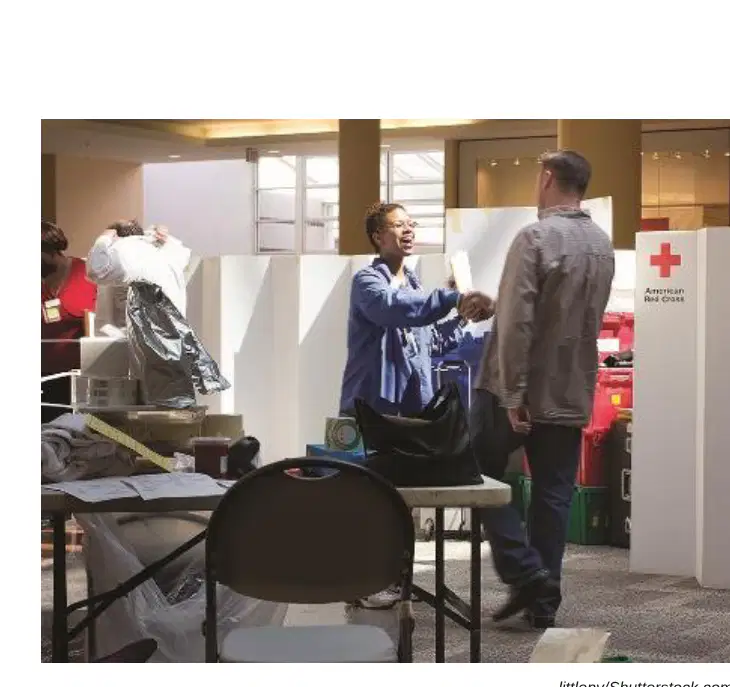
Which type of care is provided at home for patients?
Hospital care
Home care
Emergency care
Intensive care
What type of care is designed for patients with terminal illnesses?
Hospice care
Intensive care
Preventive care
Rehabilitative care
An outline of the levels of authority within an organization is an ________.
organizational chart
organizational policy
organizational strategy
organizational procedure
What does an organizational chart show?
The financial status of the organization
How all departments are interconnected and function to reach the organization’s goals
The number of employees in each department
The history of the organization
What is the usual grouping method for therapeutic services?
By patient age
By medical specialty
By geographical location
By treatment type
Therapeutic services provide a ________ of command.
chain
link
series
sequence

Authority in therapeutic services is directly proportional to what?
Number of patients
Training and experience
Hospital size
Equipment used

Which of the following is generally not patient facing?
Housekeeping
Nursing
Surgery
Pharmacy

What is the role of facilities managers in a healthcare facility?
Creates the environment of the healthcare facility
Manages patient care directly
Performs surgical procedures
Diagnoses medical conditions

What is the primary responsibility of housekeeping in a healthcare facility?
Ensures smooth function and regular maintenance
Provides medical care to patients
Manages patient records
Conducts surgical procedures

Which of the following is a part of support services in a healthcare facility?
Central supply
Surgery
Pharmacy
Radiology

What service is responsible for dietary needs in a healthcare facility?
Dietary services
Housekeeping services
Nursing services
Maintenance services
Why are there so many options for healthcare providers in the US?
Due to a competitive market and diverse needs
Because of government regulations
To limit patient choices
To increase healthcare costs
The importance of having a setting for almost every situation from emergencies to routine care is:
To ensure preparedness and effective response
To create confusion and chaos
To increase costs unnecessarily
To limit flexibility and adaptability
Discuss how routing patients to the right providers and the right levels of care makes a more efficient system.
It ensures patients receive appropriate care, reducing wait times and improving outcomes.
It increases the workload on healthcare providers, leading to burnout.
It decreases the efficiency of the healthcare system by causing delays.
It has no impact on the efficiency of the healthcare system.

