
 Worksheets
World History Final Review
Total questions: 98
Worksheet time: 2hrs 22mins
Who posted the 95 Theses?
Martin Luther
John Calvin
King Henry the VIII
Queen Elizabeth I
Believed in Predestination
Martin Luther
John Calvin
Henry VIII
Elizebeth I
The act of selling pardons for sins to reduce punishment?
Confession
Usury
Indulgences
Free pass
Who dismissed the authority of the Pope and started the Anglican Church?
Queen Elizabeth
Martin Luther
John Calvin
Henry VIII
What invention led to increased literacy and cheaper books?2
The internet
Engima Machine
School
Printing Press
The Protestant Reformation initially tried just to reform the Catholic Church
False
True
What was the most stable, dependable, and wealthy institution in Europe?
Feudalism
Protestant Church
Orthodox Church
Catholic Church
A Heretic is:
Someone who disagrees with the Catholic Church's teachings
Someone who becomes a saint
Someone who believes everything the Pope says
Someone who joins the Catholic Church
John Calvin's teachings became the basis of which branch of Christianity?
Lutherans
Methodist
Presbyterian
Catholics
Theocracy is:
Religious colony of cannibals
Religious government led by religious leaders
Political government led by politicians
Government led by Theo
Which did Martin Luther not agree with?
Using the vernacular for the Bible
Priests should be allowed to marry
Salvation through belief in God's love
Priests being the interpreters of the Bible
Which religion did Henry VIII establish?
Church of Spain
Lutheranism
Church of England
Anabaptists
How did the Church respond to Luther?
Excommunication
Welcomed his family
Banished him
Killed him
How did peasants react to the reformation
burned the town
Killed 100,000 people
Embraced it
Revolted
What is the significance of the Edict of Worms?
Made Martin Luther an outlaw in the Holy Roman Empire
Defined Catholic policy during the Reformation
Religion of each German state would be decided by its ruler
Statement of Lutheran beliefs

Why did Henry VIII break with Rome and the Catholic Church?
For personal reasons - He wanted to divorce Katherine of Aragon and marry Anne Boleyn.
For economic reasons - He wanted to stop paying taxes to the Catholic Church and thought he could take some of the Church's wealth.
For political reasons - He wanted a male heir as he was worried that a Queen would not be accepted by the country as a true ruler.
For religious reasons - Henry hated the Catholic Church and wanted to change everything.


What was the name of the first attempt of the colonies to work together to defend themselves?
Proclamation of 1763
Albany Plan of Union
Articles of Confederation
Constitutional Convention
Why did England begin taxing the colonies after about 100 years of salutary neglect?
The colonies offended England by not buying English goods
England needed money to pay for wars it had been involved in
England declared war on the colonies
The colonies declared war on England
The Proclamation of 1763 forbid the colonists from:
buying tea from anyone but England
buying sugar from the French colonies
settling past the Appalachian mountains
having representatives in Parliament
What event in the colonies brought a great amount of unity to the colonists before the Revolutionary war?
the Enlightenment
The Great Awakening
The French and Indian War
The Boston Tea Party
What is popular sovereignty?
rule by consent of the governed
Rule by a monarch
Rule by an elected official
Rule by church leaders
Which of the following was NOT a cause of the French Revolution
heavy taxation of the poor
incompetent rulers like Louis XV and Louis XVI
discontent in the First Estate
France's bankrupt condition
What did the Tennis Court Oath state?
That the delegates of the 3rd estate would meet until they had written a constitution for France
that the delegates would not leave until the King abdicated the throne
that the delegates would not leave until they were given more votes
that the delegates would play tennis until the King was disposed of.
Which 1789 French document lists the national rights of all people and the rights possessed by citizens?
The Bill of Rights
The Brunswick Manifesto
The Declaration of the Rights of Man
the Monroe Doctrine
What was the purpose of the Reign of Terror?
to get rid of the Bourgeoisie
to squelch any opposition to the Revolution
to silence the church
To stop the peasants from attacking the nobles
Which general rose to power during the Directory and later became emperor of France?
Mousolini
Napoleon Bonaparte
Jacques Cartier
Samuel de Champlain
What was Napoleon’s most famous and enduring accomplishment?
Conquering all of Europe
the Napoleonic Code
Becoming emperor of France
his agreement with the pope
What was the most common method of execution during the French Revolution?
electric chair
drowning chamber
guillotine
sword
Who was the King of France during the French Revolution?
Louis XV
Louis XIV
Louis XVI
Charles I
Who was the leader of the Committee for Public Safety that wanted to end the Reign of terror?
Robespierre
Danton
Louis XVI
Jacques Cartier
Who declared himself First Consul for life?
Napoleon
Louis XVI
Charles V
Mussolini
What was the name of the government that was set up after the Reign of Terror?
the Legislative Assembly
the Directory
The Consolate
The National Convention
Who was the leader of the Reign of Terror who was eventually overthrown and executed with the guillotine?
Robespierre
Danton
Jacques Cartier
Louis XVI
What was the American colonists’ main disagreement with Britain?
they did not want to pay any taxes
They were upset they had no representation in Parliament
They wanted to settle past the Appalachian mountains
They wanted more tea
What was the term given to the time period where Britain essentially allowed the colonies to rule themselves?
Isolationism
Salutary Neglect
Continental System
Imperialism
Where was Napoleon exiled the first time?
Elba
Helena
Siberia
Waterloo
Where was Napoleon exiled the final time?
Elba
St. Helena
Siberia
Waterloo
At which battle was Napoleon defeated the final time?
Leipzig
Austerlitz
Trafalgar
Waterloo
How many different constitutions did France have between 1789 and 1799?
3
1
5
10
What was the name of France’s legislative body that King Louis XVI called into session to raise taxes?
Parliament
Congress
Estates General
National Convention
The far radical left group that led the Reign of Terror was the:
Jacobins
Friars
Tories
Whigs
Who wrote the Albany Plan of Union?
Thomas Jefferson
Benjamin Franklin
George Washington
Alexander Hamilton
Militarism
Austria-Hungary, Germany, Ottoman Empire
an increase in the importance of the military of a country
to prepare for war
A form of warfare in which opposing armies fight each other from trenches dug in the battlefield.

Central Powers
Britain, France, Russia, Italy and the United States
Mexico
Australia
Austria-Hungary, Germany, Ottoman Empire

Allied Powers (WWI)
Britain, France, Russia, Italy and the United States
Mexico
Australia
Austria-Hungary, Germany, Ottoman Empire
Stalemate
A form of warfare in which opposing armies fight each other from trenches dug in the battlefield.
A situation in which no progress can be made or no advancement is possible
German submarines
British passenger liner sunk in 1915 that helped sway American opinion of the war.
mobilize
A form of warfare in which opposing armies fight each other from trenches dug in the battlefield.
A situation in which no progress can be made or no advancement is possible
to prepare for war
an increase in the importance of the military of a country

Trench Warfare
to prepare for war
A form of warfare where soldiers fight from trees.
Britain, France, Russia, Italy and the United States
A form of warfare in which opposing armies fight each other from trenches dug in the battlefield.
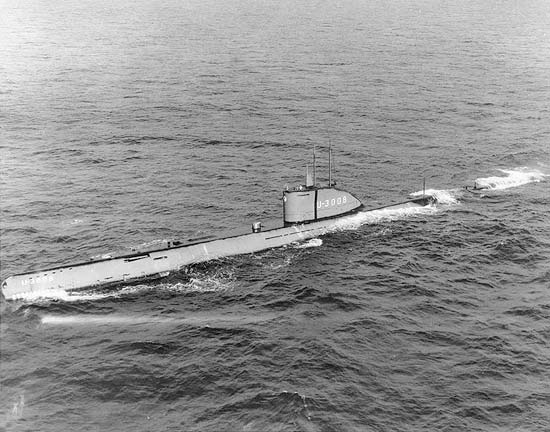
U-boats
German submarines
to prepare for war
Agreement to stop fighting
an increase in the importance of the military of a country

Luisitania
British passenger liner sunk in 1915 that helped sway American opinion of the war.
American citizens were lending money to the government to pay for the war.
Agreement to stop fighting
Treaty that ended WW I. It blamed Germany for WW I and handed down harsh punishment.

Zimmerman Note
A form of warfare in which opposing armies fight each other from trenches dug in the battlefield.
A situation in which no progress can be made or no advancement is possible
1917 - Germany sent this to Mexico instructing an ambassador to convince Mexico to go to war with the U.S.
British passenger liner sunk in 1915 that helped sway American opinion of the war.

Liberty Bonds
American citizens were lending money to the government to pay for the war.
Agreement to stop fighting
British passenger liner sunk in 1915 that helped sway American opinion of the war.
A form of warfare in which opposing armies fight each other from trenches dug in the battlefield.

Armistice
Agreement to stop fighting
As part of the Treaty of Versailles, Germany was ordered to pay fines to the Allies to repay the costs of the war.
Law passed by Congress in 1917 that required all men from ages 21 to 30 to register for the military draft
Treaty that ended WW I. It blamed Germany for WW I and handed down harsh punishment.

Reparations
As part of the Treaty of Versailles, Germany was ordered to pay fines to the Allies to repay the costs of the war.
American citizens were lending money to the government to pay for the war.
Law passed by Congress in 1917 that required all men from ages 21 to 30 to register for the military draft
British passenger liner sunk in 1915 that helped sway American opinion of the war.

Selective Service Act
Law passed by Congress in 1917 that required all men from ages 21 to 30 to register for the military draft
Agreement to stop fighting
American citizens were lending money to the government to pay for the war.
British passenger liner sunk in 1915 that helped sway American opinion of the war.

League of Nations
A world organization established in 1920 to promote international cooperation and peace. It was first proposed in 1918 by President Woodrow Wilson, although the United States never joined the League of Nations.
As part of the Treaty of Versailles, Germany was ordered to pay fines to the Allies to repay the costs of the war.
1917 - Germany sent this to Mexico instructing an ambassador to convince Mexico to go to war with the U.S.
British passenger liner sunk in 1915 that helped sway American opinion of the war.

Treaty of Versailles
Treaty that ended WW I. It blamed Germany for WW I and handed down harsh punishment.
Law passed by Congress in 1917 that required all men from ages 21 to 30 to register for the military draft
American citizens were lending money to the government to pay for the war.
British passenger liner sunk in 1915 that helped sway American opinion of the war.
What was the name for the secret project to build an atomic bomb?
Manhattan Project
Tuskegee Airben
Secret Boom
Normandy
Which industry was well suited to change over to military equipment production?
clothing
steel
culinary
automobile
Which future president served as commander during the French invasion?
Dwight Eisenhower
Winston Churchill
Neville Chamberlain
Erwin Rommel
Who was the British leader that signed an appeasement with Hitler?
Benito Mussolini
Douglas MacArthur
Adolph Hitler
Neville Chamberlain
Who was the fascist leader of Italy?
Adolph Hitler
Dwight Eisenhower
Benito Mussolini
Neville Chamberlain
Which act permitted the US to sell arms to warring countries on a cash & carry basis?
Neutrality Act 1939
Lend-Lease Act
Anschluss
Double V
Which was a major cause of the rise dictators in Europe after WW1?
economic prosperity
Treaty of Versailles
redrawing of European borders
German win of WWI
What is the name of the Allied military strategy in the Pacific Ocean?
firebomb
island hopping
kamikaze
blitzkrieg
The D-Day Allied invasion of France took place where?
Paris
Plymoth
Tokyo
Normandy
What is the name of the program that encouraged African-Americans to join the war effort?
Tuskegee Airmen
Rosie the Riveter
Double V
NAACP
Who was the American General overseeing the Pacific Theater?
General Douglas MacArthur
General Eisenhower
General Rommel
General Lee
At first many Americans were against the war and supported ________________________.
fascism
communism
isolationism
internationalism
The purpose of the Nuremberg Trials was to
test the newly developed atomic bomb.
determine how the holocaust happened.
punish German leaders for war crimes.
remove the emperor of Japan from power.
What is the name of the new political party to rise in Germany following WW1?
Socialist
Nazi
Fascist
Bolshevik
Japan's goal was to take over
North America
Soviet Union
Eastern Asia
Western Asia
What was the term for the action of Britain & France giving in to Hitler's demands?
appeasement
militarization
nationalism
unification
Which Battle was the last German offence?
D-Day
Midway
Bulge
Normandy

What is the name of this iconic poster woman?
Tanya the Tank
Wonder Woman
Eleanor Roosevelt
Rosie the Riveter
Why were the Japanese unable to decipher the messages of the Navajo code talkers?
The code consisted of a series of whistle-like noises.
The code talkers had an advanced code machine.
They used the Navajo language, which had no written alphabet.
They used a math code based on the Navajo numeric system.
The turning point in the war against Japan in the Pacific was the
Battle of Midway.
bombing of Pearl Harbor.
internment of Japanese Americans.
Battle of the Bulge.

