wayground logo

Free Printable Worksheets

Font size

S
M
L
XL
Worksheets

Science Review (Combined)

Total questions: 240

Worksheet time: 6hrs 35mins

Name
Class
Date
1.

What state/phase is the object likely from points A to B?

a)

solid

b)

liquid

c)

gas

d)

plasma

2.

Where on the graph are phase changes taking place?

a)

1

b)

2

c)

3

d)

4

e)

5

3.

Which of the following is the BEST clue that a chemical change has occurred?

a)

the substance is smaller after the change

b)

the substance forms bubbles when the change occurrs

c)

the substance looks the same as it did before the change

4.

If reactants' mass is 18g , what is the mass of the Products?

a)

15

b)

36

c)

81

d)

18

5.

Kelly has two cubes of sugar and decides to add them to a glass of water. The mass of the sugar cubes is 6.0 grams total. And the mass of the water, glass, and straw is 520 grams total. Once the sugar dissolves in the water, what will the total mass of Kelly's drink be (including the glass and straw)?

a)

83 grams

b)

514 grams

c)

526 grams

d)

580 grams

6.

Cayman left an ice cube in a cup. After an hour, the ice had changed into liquid water. The liquid water has the same _______ as the solid ice cube.

a)

temperature

b)

mass

c)

shape

d)

state of matter

7.

Jody is trying to find out how much salt will dissolve in 200 mL of water. She adds salt to the beaker of water, but the salt seems to just sit on the bottom of the beaker. What can Jody do to help the salt dissolve?

a)

cool the water

b)

add sugar

c)

add food coloring

d)

stir the water

8.

Peter is dissolving sugar in water. What can Peter do to make the sugar dissolve easier?

a)

cool the sugar

b)

add salt to the water

c)

cool the water

d)

heat the water

9.
Students collected data on the appearance of four substances and how they reacted when mixed with water. Which substances dissolved when mixed with water?
a)
A and B
b)
A and C
c)
B and C
d)
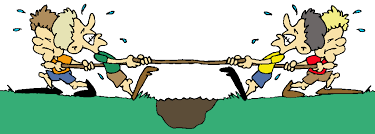
C and D
10.

Which of the following is an example of a physical change?

a)

Water freezing into ice.

b)

A piece of wood burning.

c)

A toy car rusting.

d)

Zinc producing hydrogen gas when mixed with water.

11.

These forces are...

a)

Balanced

b)

Unbalanced

12.
How is gravity affected by mass?
a)
the larger the mass of the object, the greater the gravity
b)
small objects have no gravity
c)
gravity is not affected by mass of objects, whether large or small
13.

The diagram shows how a water wave is moving. One wave passes every 2 seconds. If a particle of water starts at the point represented in the illustration by A, where will the particle be after 4 seconds?

a)

A

b)

B

c)

C

d)

D

14.

How could Elena best show Miguel evidence of gravity on Earth?

a)

Race two remote controlled cars along to ground to see which is fastest.

b)

Kick a soccer ball up into the air and watch it fall back down.

c)

Make two toy cars collide with each other and see how they change direction.

d)

Kick one soccer ball along the ground slowly and kick another one harder.

15.

The two factors (in any order) that affect how strong the force of gravity between two objects are ______________ and _______________.

a)

mass and distance

b)

mass and volume

c)

volume and distance

d)

distance and gravity

16.

If a spacecraft travels from Earth to the edge of the solar system, what will happen to the gravitational pull between Earth and the spacecraft? The gravitational pull between Earth and the spacecraft will _________________.

a)

increase

b)

decrease

c)

remain the same

17.
The following are all examples of instincts except:
a)
Blinking
b)
Breathing
c)
Talking
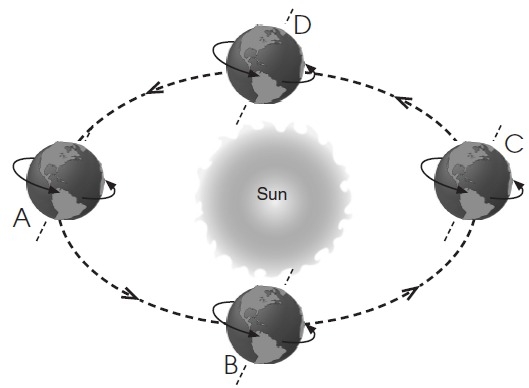
d)
Swallowing
18.
A bear raids a campsite for food. This is an example of What?
a)
An instinct
b)
A talent
c)
A learned behavior
d)
None of the above
19.
Whales migrating
a)
learned behavior
b)
instinct
20.
Eating with a fork
a)
learned behavior
b)
instinct
21.

I have green eyes.

a)

Inherited

b)

Acquired

22.

A woman with her ears pierced.

a)

inherited

b)

acquired

23.

Differences

a)

Species

b)

Survival

c)

Trait

d)

Variations

24.

An eagle’s beak shape is an example of an ______________.

a)

inherited behavior

b)

inherited trait

25.

Birds with large sharp claws and beaks most likely eat

a)

tall grasses

b)

pond microorganisms

c)

small animals

26.

Bears have a thick coat of fun, this adaptation is best in an environment that is

a)

dry

b)

windy

c)

cold

27.

Which adaptation would not be useful in the desert?

a)

digging in burrows underground

b)

getting water from plants

c)

webbed feet

28.

Animals that hibernate in the winter

a)

avoid harsh sun.

b)

conserve energy when food is difficult to find.

c)

build strong muscles during hibernation.

29.

The Milky Way is a....

a)

spiral galaxy

b)

elliptical galaxy

c)

irregular galaxy

d)

star

30.
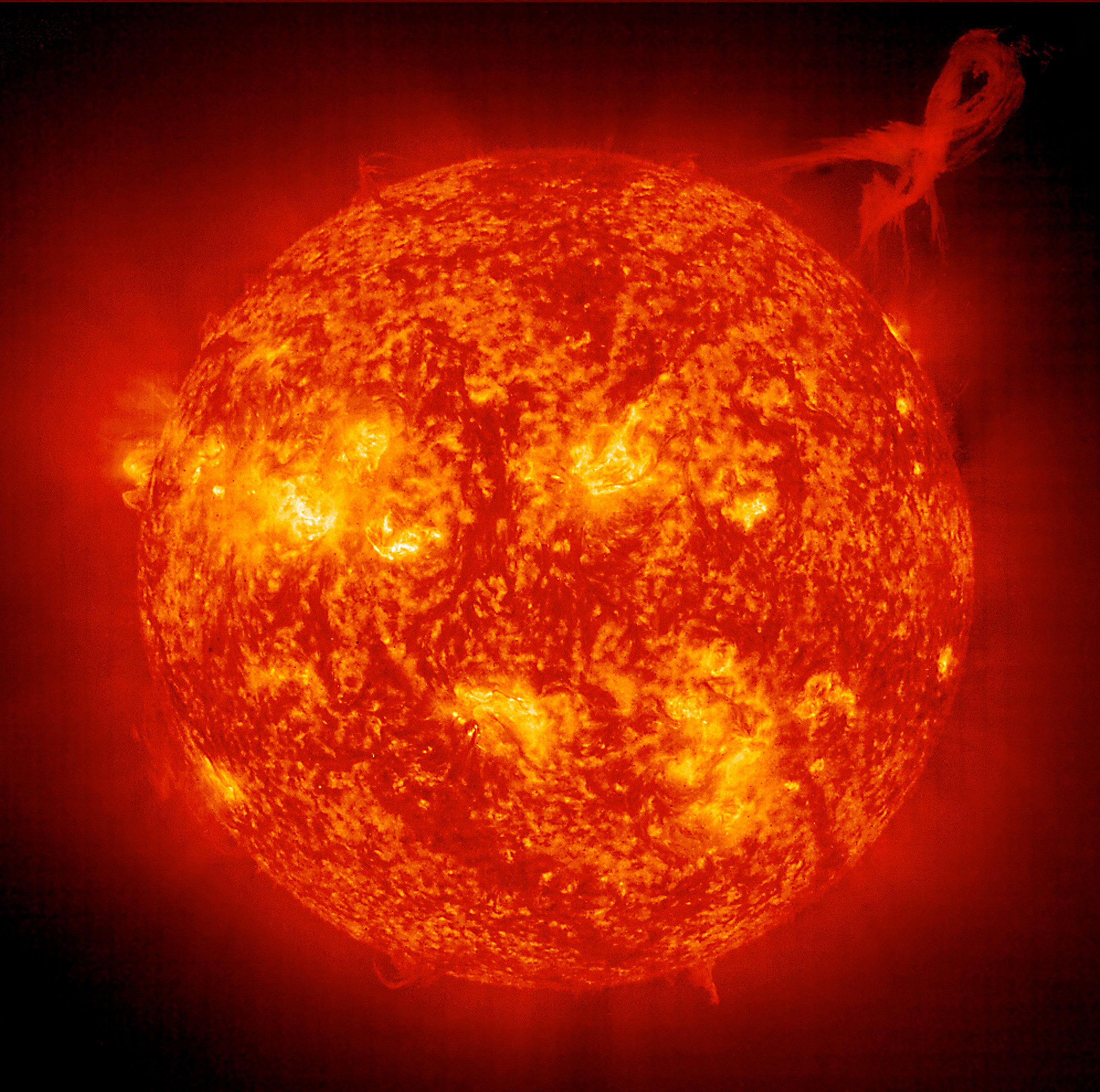
Why does the sun appear to be the largest star in the sky?
a)
It is far away
b)
It is very big
c)
It is the closest star to earth
d)
It is a planet
31.

Which star appears the least bright from Earth?

a)

B

b)

A

c)

C

d)

D

32.
When the Northern Hemisphere of Earth is leaning away from the Sun, What season is the Southern Hemisphere experiencing?
a)
Summer
b)
Winter
c)
Spring
d)
Fall
33.
When the Northern Hemisphere is pointing towards the sun, what season is the Southern Hemisphere?
a)
Winter
b)
Spring
c)
Fall
d)
Summer
34.
Which diagram(s) BEST represent(s) the position of the Moon during a New moon?
a)
A
b)
B
c)
C
d)
A and C
35.
What type of eclipse is this?
a)
Solar eclipse
b)
Lunar eclipse
36.
What type of eclipse is this?
a)
Solar Eclipse
b)
Lunar Eclipse
37.

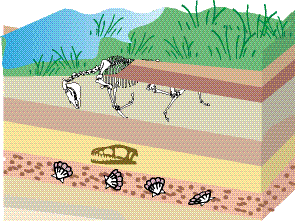
Youngest rock layers are found on the _________ .

a)

bottom

b)

top

38.

Which layer is the youngest?

a)

Layer A

b)

Layer B

c)

LAyer C

d)

Layer D

39.

Which layer is the oldest?

a)

Layer A

b)

Layer B

c)

Layer C

d)

Layer D

40.
If 25 grams of sugar dissolves into 150 grams of water, what is the new weight of the liquid?
a)
125 g
b)
150 g
c)
25 g
d)
175 g
41.
Why does the weight of the dry ice go down while it's sitting on the scale?
a)
it's melting
b)
it's disappearing
c)
turning into a gas
d)
none of these
42.

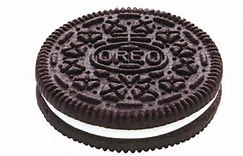
An oreo cookie has a mass of 20 grams. It gets crushed into crumbs for a recipe. What is the mass of the crumbs?

a)

15 grams

b)

25 grams

c)

20 grams

43.

At what temperature is water a gas?

a)

below 0° C

b)

above 100° C

c)

between 0° C and 100° C

d)

between 0° C and 120° C

44.

The sun is the center of the solar system. Which objects in the solar system do not revolve around the sun?

a)

asteroids

b)

comets

c)

moons

d)

dwarf planets

45.

Which two factors affect the gravitational force between two objects?

a)

force and size

b)

size and distance

c)

mass and distance

d)

mass and force

46.

A litter of rabbits is born in an area with a lot of snow year-round. Two babies are white and two are brown. What is true about this variation?

a)

The variation will help the brown rabbits survive.

b)

The variation will help all the rabbits survive.

c)

The variation will help none of the rabbits survive.

d)

The variation will help the white rabbits survive.

47.

Which of the following is an example of a living thing's environment affecting its physical characteristics?

a)

a puppy born with brown fur

b)

a flower in the shade not growing very tall

c)

a bird's ability to fly

d)

a baby crying when hungry

48.

What can the presence of fossils tell us?

a)

Oceans once covered what is now dry land.

b)

Forests once covered what are now deserts.

c)

Glaciers once covered much of North America.

d)

All of the answers are correct.

49.
a)

The objects move in opposite directions, and both objects move at the same speed.

b)

The objects move in the same direction, and both objects move at the same speed.

c)

The objects move in the same direction, and Object 1 moves half as fast as Object 2.

d)

The objects move in the same direction, and Object 1 moves twice as fast as Object 2.

50.

A male guinea pig receives information that determines its physical characteristics. This information comes from

a)

both parents.

b)

only the mother.

c)

only the father.

d)

only the dominant parent.

51.

The sun is a medium-sized star, but it appears much larger than other stars. Why does the sun appear to be so large?

a)

The sun is hotter than other stars.

b)

The sun produces more light than other stars.

c)

The sun is much closer to Earth than other stars are.

d)

The sun is affected by Earth's gravity more than other stars are.

52.
a)

Planet A

b)

Planet B

c)

Planet C

d)

Planet D

53.
A student throws a ball up into the air.  What force causes the ball to fall back to the ground?
a)
electricity
b)
magnetism
c)
friction
d)
gravity
54.
Which tool will help a student observe the veins of an insect?
a)
telescope
b)
safety goggles
c)
binoculars
d)
magnifying glass
55.
A students has a type of plant.  The student knows the plant should be kept in a room of 24 degrees Celsius.  The plant should also get 25 milliliters of water each week.  Which tools should the student use to make sure the temperature and amount of water are correct?
a)
ruler and rain gauge
b)
thermometer and graduated cylinder
c)
barometer and thermometer
d)
graduated cylinder and ruler
56.
A student wants to find out whether plants will grow faster if she waters them using soapy water.  She has two plants. Which steps will help the student in her investigation?
a)
water one plant with regular water and one plant with soapy water each week
b)
water one plant with regular water for a week and soapy water the next week
c)
water both plants with regular water each week for one month
d)
water both plants with soapy water each week
57.

The inner planets are __________.

a)

close to the sun and made of gas

b)

close to the sun and made of rock

c)

far away from the sun and made of rock

d)

far away from the sun and made of gas

58.
What is #14?
a)
cell wall
b)
cell membrane
c)
vacuole
d)
cytoplasm
59.

Students roll toy cars down the same ramp with different coverings like carpet, foil, and sandpaper. What are they trying to test?

a)

How does the height of a ramp affect the distance a car will roll?

b)

How does the mass of the car affect the distance a car will roll?

c)

How does the surface of a ramp affect how fast a car will travel?

d)

How does the surface of a ramp affect the distance a car will roll?

60.

A person on Pluto’s surface would experience a(n) ____________ gravitational force compared to on Earth. (Pluto is a very small planet that is very far out in the solar system.)

a)

Weaker, because Pluto is further from the Sun

b)

Weaker, because Pluto has less mass than Earth.

c)

Equal, because both planets orbit the Sun.

d)

Stronger, because Pluto’s surface is closer to its core.

61.

Caiden boiled 15 grams of water. If all of the water changed into a gas, what would be the mass of the steam?

a)

0 g

b)

5 g

c)

10 g

d)

15 g

62.

Which of the following are chemical reactions? Select all that apply.

a)

sugar dissolving in water

b)

water turning into steam

c)

burning wood

d)

mixing baking soda and vinegar

e)

tearing paper

63.
In any chemical reaction, the mass of the products is always:
a)
slightly less than the mass of the reactants
b)
much less than the mass of the reactants
c)
the same as the mass of the reactants
d)
greater than the mass of the reactants
64.
10g of white powder reacts with 10g of clear liquid. The reaction bubbles and changes color producing a black liquid that has a mass of 13g. What can be concluded?
a)
5g of gas was produced
b)
This experiment violates the conservation of mass
c)
7g of gas was produced
d)
The excess reactant is destroyed & disappears during the reaction
65.
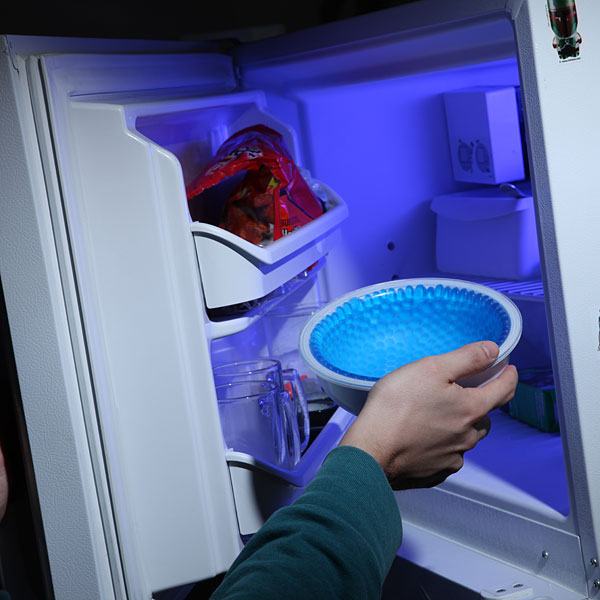
Maria fills a bowl with 200 g of water. She puts the bowl of water in the freezer, and the water freezes. Which will most likely be the mass of the frozen water?
a)
50 g
b)
100 g
c)
200 g
d)
400 g
66.

A glass of ice water is placed on a table inside a room that is at room temperature. The ice inside the glass melts. The diagram represents the changes observed.


Which piece of evidence supports the conservation of matter during the changes shown in the diagram?

a)

A. The contents of the glass are wet before and after the ice melts.

b)

B. The combined mass of the glass and its contents is the same before and after the ice melts.

c)

C. The combined mass of the glass and its contents is less after the ice melts.

d)

D. The contents of the glass are colorless before and after the ice melts.

67.

Cherise mixed 30 grams of sugar into 100 grams of water. The sugar dissolved. Cherise recorded the data in the table below.


Based on the data in the table, find the mass of the sugar solution.

a)

A. 100 grams

b)

B. 108 grams

c)

C. 130 grams

d)

D. 200 grams

68.

Melting an ice cube is an example of...

a)

physical change

b)

chemical change

c)

how life be at times

d)

shrug emoji

69.

Which THREE substances will have a phase change if the temperature goes up from 50° to 300°?

a)

Gallium

b)

Phosphorus

c)

Potassium

d)

Rubidium

e)

Sodium

70.

Students put solid butter and solid water on a table. The air temperature around the table is 20°C. Which statement describes the most likely state of each substance after 2 hours?

a)

The butter and water will both remain solids.

b)

The butter and water will both become liquids.

c)

The butter will remain a solid, and the water will become a liquid.

d)

The butter will become a liquid, and the water will remain a solid.

71.

A student sets up an investigation to see what happens to the temperature when ice melts to liquid water.

First, ice was added to a cup. Then, the cup was set on a kitchen counter. The student recorded the appearance and temperature of the cup every five minutes until the ice completely melted.

What reason best explains why the temperature of the water is 32°F (0°C) in two of the pictures?

a)

The melting ice will keep the water around 32°F (0°C) until the ice completely melts.

b)

More ice was added to the 32°F (0°C) water to keep it at that temperature.

c)

Liquid water can only be found at 32°F (0°C) or below, or else it boils to steam.

72.

What state/phase is the object likely from points A to B?

a)

solid

b)

liquid

c)

gas

d)

plasma

73.

A substance's heating curve is shown in the graph. What is its boiling point?

a)

100°C

b)

80°C

c)

60°C

d)

20°C

74.

A sugar cube would dissolve the fastest in which of the following glasses?

a)

A glass of room temperature water

b)

A glass of ice water

c)

A glass of boiling water

d)

A sugar cube would dissolve in the same amount of time in any of the glasses

75.
Students collected data on four substances. If the same students were then given a mystery substance made of tan crystals that dissolves in water, it could be –
a)
Corn starch
b)
brown sugar
c)
white sand
d)
sand
76.

Which of the following is an example of a physical change?

a)

Water freezing into ice.

b)

A piece of wood burning.

c)

A toy car rusting.

d)

Zinc producing hydrogen gas when mixed with water.

77.

What is an example of a chemical change that happens inside your body?

a)

Food being broken down by enzymes in your stomach

b)

Food being broken into small pieces by your teeth

c)

Food being moved from your esophagus into your stomach

d)

Water being absorbed inside your large intestine

78.

Stirring the solution increases the rate of dissolution (rate of dissolving).

a)

True

b)

False

79.

The smaller the particle size the faster the rate of dissolution (rate of dissolving).

a)

True

b)

False

80.

Which will dissolve faster? Crushed table salt or a cube of table salt. Assume they have an equal mass.

a)

crushed table salt

b)

crystal of table salt

81.

What combination would dissolve a solid solute the fastest?

a)

high temperature, no stirring

b)

no heat, no stirring

c)

sugar cube, no heat

d)

high temperature, stirring

82.

John has three cups of sugar particles. Cup 1 has large sugar particles, Cup 2 has medium-sized particles, and Cup 3 has small sugar particles. If John pours each cup in water, which cup of sugar particles will dissolve the fastest?

a)

Cup 1 will dissolve the fastest.

b)

Cup 2 will dissolve the fastest.

c)

Cup 3 will dissolve the fastest.

d)

They will dissolve at the same rate.

83.

Two different mixtures that are dissolving sugar and salt are described below:


Mixture 1: Large chunks of sugar and salt are put into a pot of water and slowly stirred.

Mixture 2: Small grains of sugar and salt are stirred into a hot pot of water.


Which statement is true about dissolving?

a)

The two mixtures will dissolve the sugar and salt at the same rate.

b)

Mixture 1 will dissolve the sugar and salt at a faster rate.

c)

Mixture 2 will dissolve the sugar and salt at a faster rate.

d)

Mixture 2 will not dissolve the sugar and salt at all.

84.
When a solid reaches the temperatures of its ___, it can become a liquid.
a)
melting point
b)
freezing point
c)
boiling point
d)
density
85.
When a liquid reaches the temperatures of its ___, it can become a gas.
a)
melting point
b)
freezing point
c)
boiling point
d)
density
86.
The freezing and melting points of water are the same.
a)
True
b)
False
87.

Examine the table. At which temperature would the element radon be a solid?

a)

50 degrees celsius

b)

-50 degrees celsius

c)

-65 degrees celsius

d)

-83 degrees celsius

88.
Use this table to answer the question.
Which two elements will turn into gases before reaching 1000 degrees Fahrenheit?
a)
P and Q
b)
Q and R
c)
R and S
d)
P and S
89.
What state is a substance in if the temperature of a substance is between its melting point and its boiling point?
a)
solid
b)
liquid
c)
gas
d)
plasma
90.
Aluminum is a solid at room temperature. That is because, at room temperature, aluminum is:
a)
 below its melting point
b)
 above its sublimation point
c)
 above its boiling point
d)
 between its melting point and boiling poin
91.
What is the main goal of the design process?
a)
To write reports
b)
To make things
c)
To make charts and graphs
d)
To find solutions to problems
92.
Washing machines, cell phones, and door knobs are examples of ___________.
a)
technology
b)
mathematics
c)
prototypes
d)
risks
93.

How is failure part of the design process?

a)

Once a prototype fails, the process has ended.


b)

Failure is not part of the design process.


c)

Failure convinces engineers to give up.

d)

Failure can reveal areas that need improvement.

94.
Define a liquid.
a)
Indefinite shape, indefinite volume
b)
Definite shape, definite volume
c)
Found in stars
d)
Definite volume, indefinite shape
95.
The state of matter that has no definite size or shape is
a)
Solid
b)
Liquid
c)
Gas
96.
A chemical change
a)
doesn't really change much.
b)
creates a new substance
c)
is a change in the state of matter
97.
A physical change is...
a)
a change that doesn't change the identity
b)
a change that makes something new.
c)
a chemical reaction
98.
An oreo cookie weighs 20 grams.  It gets crushed into crumbs for a recipe.  How much do its crumbs weigh?
a)
15 grams
b)
25 grams
c)
20 grams
99.
Mrs. Roth's tea cup and hot tea weigh 100 grams.  She stirs in 10 grams of sugar. How much is the total amount of matter in Mrs. Roth's tea cup and tea now?
a)
100 grams
b)
110 grams
c)
90 grams
100.
Rey is making soup. He will dissolve cubes of instant soup mix in hot water.
How can Rey make the soup cubes dissolve more quickly in the water?
 
a)
use less water
b)
use more water
c)
add ice cubes to cool the water
d)
break the soup cubes into smaller pieces
101.
Sharla is using powdered mix to make hot chocolate. She will boil some water and then stir in the mix.
       

What is the best way to make the powdered mix dissolve more quickly?
 
a)
use cold water
b)
use more water
c)
stir the mix more quickly
d)
stir the mix for a longer time
102.
Aliria and Charlie each dropped a sugar cube into a beaker of water. Aliria’s sugar cube dissolved faster.
     
What could be a reason that Aliria’s sugar cube dissolved faster?
 
a)
Charlie used more water than Aliria
b)
Charlie stirred the water and Aliria did not
c)
Aliria used warmer water than Charlie
d)
Aliria used a larger cube of sugar than Charlie
103.
If these teams are pulling with the same amount of force what will happen?
a)
The boy in blue will win.
b)
They will not move at all.
c)
The boy in red will win.
d)
Both will fall down.
104.
This is an example of what kind of force?
a)
Balanced Force
b)
Pushing Force
c)
Gravity Force
d)
Unbalanced Force
105.
How is gravity affected by mass?
a)
the larger the mass of the object, the greater the gravity
b)
small objects have no gravity
c)
gravity is not affected by mass of objects, whether large or small
106.
A greater applied force is required to move an object with a greater mass than one with a smaller mass.
a)
True
b)
False
107.
What pulls a ball back to earth?
a)
Gas
b)
Gravity
c)
Friction
d)
Molecules
108.

Mark and Ann were playing kickball. They both kicked the same ball, but noticed that Mark kick made the ball travel farther than Ann's. What most likely caused the difference?

a)

Mark kicked with less force

b)

Mark kicked with more force

c)

Mark kick had less friction

d)

Mark's kick had more friction

109.

Planets A, B, C, and D have the same mass in the same solar system. They are listed in order from closest to farthest from the Sun. Which will experience the gravitational pull of the Sun the strongest?

a)

C

b)

B

c)

D

d)

A

110.

The direction of the greatest gravitational force acting on an object near the Earth’s surface is towards the –

a)

Earth's atmosphere.

b)

center of the Earth.

c)

other planets near Earth.

d)

star nearest the Earth, the Sun.

111.
Two factors effecting the magnitude of force of gravity between 2 objects are...
a)
weight and mass 
b)
distance and weight 
c)
mass and matter 
d)
mass and distance 
112.
As distance between objects increases the pull of gravity...
a)
increases 
b)
decreases 
c)
Stays the same 
113.
Crayfish live in water and often hide under rocks or plants. They come out to look for food and will eat both plants and animals. Which of these is a trait that a crayfish most likely inherits from its parents?
a)
The average distance it travels each day
b)
The number of legs it has
c)
The amount of food it eats each day
d)
The type of plants in its habitat
114.

A dog rolls over and receives a treat. The dog rolls over again. This is an example of...

a)

learned behavior

b)

adaptive behavior

c)

inherited behavior

d)

instinctive behavior

115.
Which of the following is NOT a Learned Behavior?
a)
Food Preference
b)
Height
c)
Religion 
d)
Language
116.

Some birds fly south for the winter. Birds know when and where to fly because of ________________.

a)

camouflage

b)

mimicry

c)

instinct

d)

hibernation

117.

Knowing how to ride a bike is a _______

a)

inherited trait

b)

acquired trait

118.

What is NOT an example of an inherited TRAIT?

a)

eye color

b)

tongue rolling

c)

height

d)

speaking a language

119.
Fossils can provide evidence of how life has changed over time, how Earth's surface has changed, and clues about what past environments were like.
a)
True
b)
False
120.
Which layer is oldest?
a)
A
b)
W
c)
G
d)
Z
121.
According to the law of superposition, which layer is the youngest?
a)
A
b)
B
c)
C
122.
According to the law of superposition, the oldest fossils are found 
a)
At the top of the rock layers
b)
Near the bottom of the rock layers
c)
In the middle of the rock layers
d)
Somewhat near the surface
123.
On top of Mt. Everest, there are fossilized remains of sea life; this tells us that the rocks at the top of world's highest mountain 
a)
used to be above sea level.
b)
used to be below sea level.
c)
came from an asteroid.
124.
Finding the fossils of trees in an area that is currently a desert without much life might tell us that the area, millions of years ago - 
a)
was heavily eroded by strong winds
b)
received enough rain to support a forest
c)
suffered very powerful earthquakes
d)
was destroyed by the impact of meteorites
125.
Several wooly mammoth fossils have been found. Mammoths, which lived hundreds of thousands of years ago, were covered with thick fur.  Based on the evidence, mammoth fossils tell us that the area in which they are found - 
a)
has too many humans 
b)
no longer has large animals 
c)
was, at one time, very cold
d)
receives more rain that it used to 
126.

Small, icy bodies that have highly eccentric orbits and can be found in the Oort cloud or the Kuiper belt are called

a)

meteors

b)

comets

c)

asteroids

d)

meteorites

127.

Most asteroids lie between the orbits of

a)

Mercury and Venus

b)

Venus and Earth

c)

Earth and Mars

d)

Mars and Jupiter

128.

A small rock in space is called a

a)

comet

b)

moon

c)

meteoroid

d)

asteroid

129.

_______________________ are also referred to as "dirty snowballs".

a)

comets

b)

asteroids

c)

meteors

d)

sun

130.
This is a diagram of the moon phases Which moon phase would a lunar eclipse occur in?
a)
New Moon
b)
1st quarter
c)
Full moon
d)
3rd quarter
131.
This is a diagram of the moon phases. In which phase would a solar eclipse occur?
a)
New Moon
b)
1st quarter
c)
Full Moon
d)
3rd Quarter
132.
What type of eclipse is occuring inthe diagram?
a)
solar
b)
lunar
133.
At which position is Tennessee experiencing summer?
a)
Position 1, because North America receives the most direct sun 
b)
Position 2, because North America is tilted toward the sun 
c)
 Position 3, because North America is parallel to the sun
d)
Position 4, because North America is tilted away from the sun 
134.
As the moon's shape appears to get smaller, we say that the moon is _.
a)
swelling
b)
waxing
c)
waning
d)
disappearing
135.
Phases of the moon in which the moon appears to be getting larger are referred to as _.
a)
waxing
b)
waning
c)
new
d)
eclipse
136.
What moon phase would be seen from Earth when the moon is at position 1? 
a)
new moon
b)
first quarter
c)
third quarter 
d)
full moon
137.
What moon phase would be seen from Earth when the moon is at position 5? 
a)
new moon
b)
first quarter
c)
full moon
d)
third quarter
138.
The Milky Way Galaxy is a 
a)
spiral
b)
lenticular
c)
elliptical 
d)
irregular
139.
What type of galaxy is this?
a)
Spiral
b)
Elliptical
c)
Irregular 
d)
Irrational
140.
What type of galaxy is this?
a)
Spiral
b)
Elliptical
c)
Irregular
d)
Irrational
141.
Our sun is located on one of the Spiral Galaxy arms.  
a)
True
b)
False
142.
What type of galaxy is this?
a)
Spiral
b)
Elliptical
c)
Irregular
d)
Irrational
143.
A very bright star can seem to be dimmer because it is 
a)
further away
b)
cooler in temperature
c)
very close
d)
batteries are dying
144.
Why do other stars appear so much smaller than the sun?
a)
They are much smaller
b)
They are so far away
c)
They are not as bright
d)
They are dwarf stars
145.
Which star has the highest apparent (magnitude) brightness because it is closer to Earth?
a)
Sirius
b)
Antares
c)
Our Sun
d)
Polaris the North Star
146.
Huge chunks of rock and metal (some measuring miles wide) and are believed to be left-over pieces of planets and moons are called:
a)
Comets
b)
Meteors
c)
Asteroids
d)
Meteroids
147.

Nearly round bodies whose orbits cross the orbits of other bodies.

a)

comet

b)

planet

c)

moon

d)

dwarf planet

148.

A group of billions of stars, the objects that orbit the stars, gas, and dust that is held together by gravity.

a)

meteoroids

b)

galaxy

c)

asteroid belt

d)

universe

149.

A large, round body that revolves around a star.

a)

moon

b)

dwarf planet

c)

planet

d)

meteor

150.

Large natural object that orbits, or travels around a planet

a)

comet

b)

planet

c)

moon

d)

meteoroid

151.

The Milky Way is a....

a)

spiral galaxy

b)

elliptical galaxy

c)

irregular galaxy

d)

star

152.

Our solar system is in which galaxy?

a)

The Clouds of Magellan

b)

Andromeda

c)

The Milky Way

d)

Betelguese

153.
Why does the sun appear to be the largest star in the sky?
a)
It is far away
b)
It is very big
c)
It is the closest star to earth
d)
It is a planet
154.

Which season has the shortest amount of daylight?

a)

Winter

b)

Spring

c)

Summer

d)

Fall

155.

Which season has the longest amount of daylight?

a)

Winter

b)

Spring

c)

Summer

d)

Fall

156.

How many of the stars, visible in the night sky, are closer to Earth than the Sun?

a)

all of them

b)

none of them

c)

about half of them

d)

only one of them

157.
a)

1 and 3

b)

2 and 3

c)

3 and 4

d)

2 and 4

158.
Which two positions represent an equinox?
a)
A and B
b)
C and D
c)
B and D
d)
A and C
159.
How do the temperatures at Earth’s equator compare to the temperatures at the poles, duringthe year?
a)
The equator is generally cold.
b)
The poles are generally warm.
c)
There is less variation in temperature at the equator.
d)
There is more variation in temperature at the equator.
160.
Which solar system event does this diagram show? 
a)
Solar eclipse
b)
Lunar eclipse
c)
First Quarter moon
d)
Third Quarter moon
161.
Which location is the Full Moon? 
a)
1
b)
3
c)
5
d)
7
162.
What is this diagram showing?
a)
tides
b)
solar eclipse
c)
lunar eclipse
d)
rotation
163.

Which statement below is true?

a)

A shows summer and daytime for the northern hemisphere

b)

B shows summer and night time for the northern hemisphere

c)

C shows summer and night time for the northern hemisphere

d)

D shows summer and daytime for the southern hemisphere

164.
What season does A represent?
a)
Summer
b)
Fall
c)
Winter 
d)
Spring
165.
What season does B represent?
a)
Summer
b)
Fall
c)
Winter 
d)
Spring
166.
What phase of the moon is labeled 2?
a)
waning crescent
b)
waxing crescent
c)
waxing gibbous
d)
waning gibbous
167.

Which season is taking place in the Northern Hemisphere in Position 3?

a)

Winter

b)

Spring

c)

Summer

d)

Fall

168.

What is the name of the moon phase in the diagram?

a)

New Moon

b)

Full Moon

169.

What is the name of the moon phase in the diagram?

a)

Waxing Crescent Moon

b)

Waning Crescent Moon

170.

What is the name of the moon phase in the diagram?

a)

New Moon

b)

Full Moon

171.
What is a small body of ice, rock & cosmic dust loosely packed together?
a)
meteor
b)
meteoroid
c)
asteroid
d)
comet
172.

The largest planets in our solar system are called _______.

a)

meteors

b)

gas giants

c)

terrestrial

173.

Which planets are made up of mostly rock?

a)

Inner planets

b)

Outer planets

174.

Which position is the Northern Hemisphere experiencing Summer?

a)

A

b)

B

c)

C

d)

D

175.

Which position is the Northern Hemisphere experiencing Winter?

a)

A

b)

B

c)

C

d)

D

176.

The Milky way is located at the center of the galaxy.

a)

True

b)

False

177.

This model is showing us a...

a)

lunar eclipse

b)

solar eclipse

c)

phases of the moon

d)

earth eclipse

178.

This image is showing us a.....

a)

solar eclipse

b)

lunar eclipse

c)

phases of the moon

d)

earth eclipse

179.
As the Earth rotates on its axis, which part of the planet has the best view of the stars?
a)
the Northern Hemisphere
b)
the part facing toward the Sun
c)
the part facing away from the Sun
d)
the Southern Hemisphere
180.
As the moon's shape appears to get smaller, we say that the moon is _.
a)
swelling
b)
waxing
c)
waning
d)
disappearing
181.
T/F:
The further North of the equator you are the less direct the sunlight that hits the Earth is.
a)
True
b)
False
182.

when the moon lies between the sun and the earth , it casts its shadow on

a)

the earth

b)

the sun

c)

itself

d)

no correct answer

183.

the type of eclipse differ according to the movement of ...............in front of the sun

a)

earth

b)

moon

c)

mercury

d)

saturn

184.
A solar eclipse only happens during a ________ moon.
a)
New
b)
Cresent
c)
Gibbous
d)
Full
185.
a)
solar eclipse
b)
lunar eclipse
186.

During a _______the moon through Earth's shadow.

a)

red

b)

4000

c)

full moon

d)

Lunar eclipse

187.

A lunar eclipse only happens during a full moon.

a)

false

b)

true

188.

What type of eclipse is this an example of?

a)

Lunar Eclipse

b)

Solar Eclipse

189.

What type of eclipse is this an example of?

a)

Lunar Eclipse

b)

Solar Eclipse

190.
Phases of the moon in which the moon appears to be getting larger are referred to as _.
a)
waxing
b)
waning
c)
new
d)
eclipse
191.
What season is letter A?
a)
Winter
b)
Summer
c)
Spring
d)
Fall
192.
When the Northern Hemisphere is pointing towards the sun, what season is the Southern Hemisphere?
a)
Winter
b)
Spring
c)
Fall
d)
Summer
193.
What are the reasons for the seasons?
a)
Earth's tilt and rotation.
b)
Earth's rotation and revolution.
c)
Earth's tilt and revolution.
d)
Earth's tilt and resolution
194.
Which moon phase is shown in this diagram?
a)
new moon
b)
first quarter
c)
full moon
d)
last quarter/3rd quarter
195.
Name the phase of the moon for letter a
a)
First Quarter
b)
Last Quarter
c)
Waxing Gibbous
d)
Waning Gibbous
196.
Name the phase of the moon for letter f
a)
Waning Gibbous
b)
Waxing Gibbous
c)
Waning Crescent
d)
Waxing Crescent
197.
The belt between Mars and Jupiter
a)
Comets
b)
Asteroids
c)
Meteors
d)
Stars
198.
A meteorite is DIFFERENT from a comet mainly because
a)
has a tail of ice and gas
b)
is found in orbit between Jupiter and Mars
c)
enters the Earth's atmoshere
d)
has a nucleus mad of rock and snow.
199.
Sometimes I am called a "dirty snowball". I have a hydrogen cloud, coma, and a nucleus. I am invisible except when near the sun. What am I?
a)
Asteroid
b)
Star
c)
Meteor
d)
Comet
200.
I am several miles in diameter, originate beyond the outer plants, thought to have struck early Earth, consists of bodies of ice, stone and organic compounds 
a)
comet
b)
asteroid
c)
meteor
d)
star dust
201.

Rocky bodies of irregular shape and of different sizes.

a)

nebula

b)

asteroids

c)

comets

202.

Solid fragments of relatively small size.

a)

meteorites

b)

comets

c)

asteroids

203.

Where the meteorites travel?

a)

Nebula

b)

Space

c)

Different galaxies

d)

All are incorrect

204.

Which of the following celestial bodies has a long and lighted tail?

a)

Comet

b)

Asteroid

c)

Meteorite

205.

Which of the following ones orbits around the sun?

a)

Satellites

b)

Meterorites

c)

Asteroids

206.
Name the phase of the moon for letter f
a)
Waning Gibbous
b)
Waxing Gibbous
c)
Waning Crescent
d)
Waxing Crescent
207.

What causes the phases of the moon?

a)

Earth's movement around the sun

b)

the moon's movement around Earth

c)

Earth's movement around the moon

d)

the sun's movement around the moon

208.

Which moon phase is shown in this diagram?

a)

new moon

b)

first quarter

c)

full moon

d)

3rd quarter

209.
What phase is this?
a)
Waning Gibbous Moon
b)
Waxing Gibbous Moon
c)
Waning Crescent Moon
d)
Waxing Crescent Moon
210.

What phase is this?

a)

First Quarter Moon

b)

Third Quarter Moon

c)

Waxing Gibbous Moon

d)

Waning Gibbous Moon

211.

What phase is this?

a)

Full Moon

b)

First Quarter Moon

c)

Third Quarter Moon

d)

New Moon

212.
The Moon orbits Earth in a ________________ direction
a)
clockwise
b)
counterclockwise
c)
upwards
d)
downwards
213.

What is the missing phase?

a)
b)
c)
d)
214.

What is the missing phase?

a)
b)
c)
d)
215.

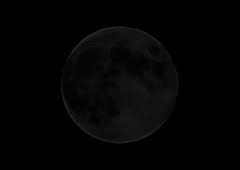
What moon phase comes after this?
a)
b)
c)
d)
216.
Name the moon phase
a)
First Quarter
b)
Last Quarter
c)
New Moon
d)
Full Moon
217.
Name the moon phase
a)
First Quarter
b)
Last Quarter
c)
New Moon
d)
Full Moon
218.
During the phases of the Moon, the Moon appears to change shape.  This change in appearance is due to the Moon...
a)
physically changing size and shape.
b)
moving closer and then farther away from Earth.
c)
reflecting a different amount of light due to alignment with Earth and the Sun.
d)
having craters on its surface.
219.
As the moon's shape appears to get smaller, we say that the moon is _.
a)
swelling
b)
waxing
c)
waning
d)
disappearing
220.
Phases of the moon in which the moon appears to be getting larger are referred to as _.
a)
waxing
b)
waning
c)
new
d)
eclipse
221.

What is the name of the moon phase in the diagram?

a)

New Moon

b)

Full Moon

222.

What is the name of the moon phase in the diagram?

a)

New Moon

b)

Full Moon

223.

What is the name of the moon phase at #2

a)

Waxing Gibbous

b)

Waning Gibbous

224.

What is the name of the moon phase at #1

a)

New Moon

b)

Full Moon

225.

What is the name of this moon phase?

a)

Waxing Gibbous

b)

Waning Gibbous

226.

What phase is this?

a)

Full Moon

b)

First Quarter Moon

c)

Third Quarter Moon

d)

New Moon

227.
When the moon is in between the earth and the sun it is a
a)
New Moon
b)
Full Moon
c)
First Quarter
d)
Third Quarter
228.
The Earth's axis is tilted _____ degrees.
a)
23.5
b)
25.3
c)
30.2
d)
24
229.
At position A, which hemisphere would have summer?
a)
Northern hemisphere
b)
Southern hemisphere
230.
What happens when the area in which you live tilts away from the sun?
a)
It is summer.
b)
It is spring.
c)
It is winter.
d)
It is fall.
231.
The term equinox means....
a)
equal amount of day light and equal amount of night
b)
Equal amount of winter and summer
c)
Equal amounts of hot dogs for everyone
d)
The longest day of the year
232.
What do June 21 and December 21 have in common?
a)
equinox dates
b)
the moon is full
c)
solstice dates
d)
the cold fronts blow in
233.
What is the longest day of the year?
a)
winter solstice
b)
summer solstice
c)
fall equinox
d)
spring equinox
234.

Why do we experience the changing of the season on the earth?

a)

distance from the sun

b)

rotation of the earth

c)

change in solar output

d)

tilt of the earth's axis

235.
Why is the Equator warmest?
a)
Because it is closest to the sun.
b)
Because it receives the most direct sunlight
c)
Because no clouds form here.
d)
Because it is far from the sun
236.
Which season is taking place in the Southern Hemisphere in Position 1?
a)
Winter
b)
Spring
c)
Summer
d)
Fall
237.
Which season is taking place in the Northern Hemisphere in Position 1?
a)
Winter
b)
Spring
c)
Summer
d)
Fall
238.
Which season is taking place in the Northern Hemisphere in Position 2?
a)
Winter
b)
Spring
c)
Summer
d)
Fall
239.
Which season is taking place in the Northern Hemisphere in Position 3?
a)
Winter
b)
Spring
c)
Summer
d)
Fall
240.
Which season is taking place in the Northern Hemisphere in Position 4?
a)
Winter
b)
Spring
c)
Summer
d)
Fall