
 Worksheets
Classifications of Economies
Total questions: 96
Worksheet time: 48mins
What is a characteristic of a More Developed Country?
Advanced technological infrastructure
Mostly agricultural economy
Low literacy rate
Rapid population growth
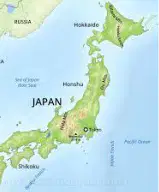
Which of the following is an example of a More Developed Country?
Afghanistan
Japan
Bangladesh
Cambodia
A Less Developed Country mostly relies on _______ trade and products.
agricultural
technological
automobile
pharmaceutical
Which of the following is NOT a characteristic of a Less Developed Country?
A) Rapid population growth
B) High literacy rate
C) High number of unskilled laborers
D) Mostly agricultural economy
Fill in the blank: A More Developed Country has a _______ and sophisticated economy.
mature
fragile
primitive
unstable
Most European countries are considered More Developed Countries.
True
False
Which of the following countries is an example of a Less Developed Country?
USA
Britain
Ethiopia
Japan
What is a Primary Economic Activity?
A) Industries that provide commerce and services
B) Industries involved in the extraction and production of raw materials
C) Industries that produce a finished usable product
Which of the following is an example of a Secondary Economic Activity?
Logging
Car manufacturers
Medical facilities
Fill in the blank: Tertiary Economic Activity industries provide commerce, administration, transportation, financial services, real estate, business administration, and _______ to customers.
education
mining
farming
manufacturing
Which of the following is NOT an example of a Tertiary Economic Activity?
Schools
Factories
Insurance
Fill in the blank: Secondary Economic Activity industries produce a _______ usable product or are involved in construction.
finished
raw
partial
unusable
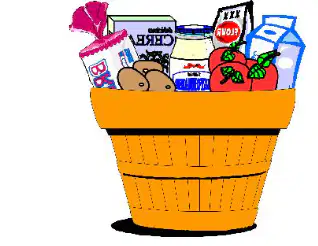
What are 'Goods'?
Physical tangible objects that are produced
Actions or tasks that are performed
Anything that is useful
Energy sources

What is a 'Resource'?
Actions or tasks that are performed
Anything that is useful, items used to make goods or provide services
Physical tangible objects
Only money
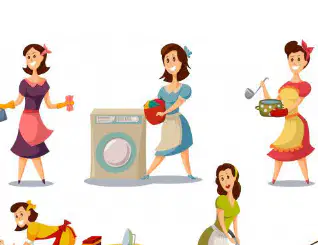
Fill in the blank: ________ are actions, activities, or tasks that are performed, such as by doctors, lawn care workers, dentists, waiters, and barbers.
Services
Products
Goods
Materials
Which of the following is an example of a renewable resource?
Solar energy
Money
Goods
Waiters
Fill in the blank: The total sum of money, supplies, materials, people, and other factors that allow a nation's economy to function is called ________.
resources
exports
currency
products
What does the Human Development Index (HDI) describe?
The population size of a country
The life expectancy, education level, and income of a nation
The climate of a country
The government type of a country
List the three main factors that the Human Development Index (HDI) uses to describe a nation.
Life expectancy, education level, and income
Population size, military strength, and natural resources
Geographical area, climate, and language diversity
Political system, export volume, and urbanization rate
What does Literacy Rate measure?
The amount of people 15 years and older within a country who can read and write
The number of schools in a country
The percentage of people with college degrees
The average income of a country's population
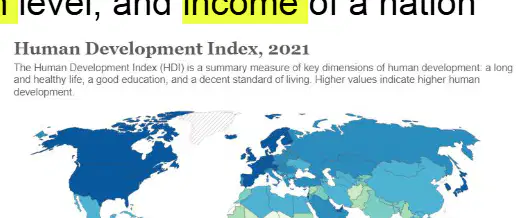
True or False: The Human Development Index (HDI) is a summary measure of key dimensions of human development, including a long and healthy life, a good education, and a decent standard of living.
True
False
What is the definition of Trade?
A voluntary exchange of goods and services between economic actors such as consumers, companies, and nations.
A mandatory government regulation on the production of goods.
A process of storing goods in warehouses for future use.
A system where only one company controls all resources.
Fill in the blank: Imports are goods or services bought ___ from other countries.
in
by
with
for
Fill in the blank: Exports are goods or services sold and sent ___ to other countries.
out
in
up
down
Which of the following best describes trade?
Only selling goods to other countries
Voluntary buying and selling of goods and services between parties
Only buying goods from other countries
Forcing countries to exchange goods
Fill in the blank: In a Free Market, ______ own and decide what to do with scarce resources.
individuals
governments
corporations
committees
Fill in the blank: ______ guide economic decisions in a Free Market.
Prices
Laws
Traditions
Government Plans
Which of the following is another name for a Free Market Economy?
Socialist Economy
Capitalist Economy
Command Economy
Mixed Economy
Fill in the blank: Voluntary trades in markets, where (a) make their own decisions, are a feature of a Free Market.
Fill in the blank: Individuals decide what ______ are made and consumed in a Free Market.
goods
laws
taxes
services
Fill in the blank: Capitalism is an economic system where industry is controlled by (a) owners or individuals.
Which of the following countries is an example of a Free Market Economy?
North Korea
Cuba
USA
Venezuela
The United States has a free market system, also known as capitalism.
True
False
Fill in the blank: Highly ______, not always just or equitable.
efficient
complicated
expensive
unpredictable
What does 'Laissez-Faire' mean as a component of Free-Market Economies?
A) Government should intervene in the market
B) Government should NOT intervene, the market will regulate itself
C) The market needs constant government control
D) None of the above
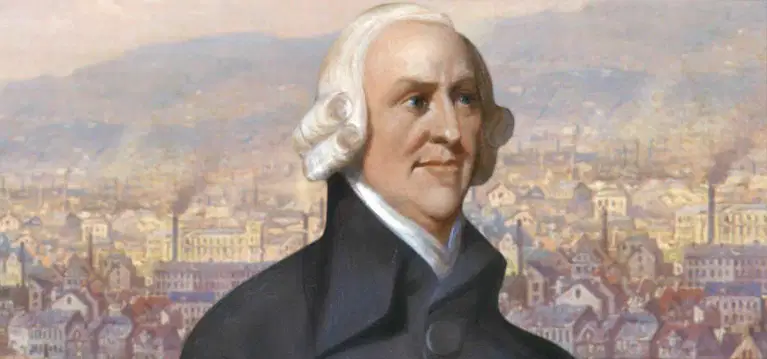
According to the concept of Laissez-Faire, who agreed with this idea and believed in limited government involvement?
Adam Smith
Karl Marx
John Maynard Keynes
Milton Friedman
Fill in the blank: In a Laissez-Faire economy, the market will ______ itself without government intervention.
regulate
destroy
ignore
punish
Adam Smith believed that the government should have a large role in regulating the economy.
True
False
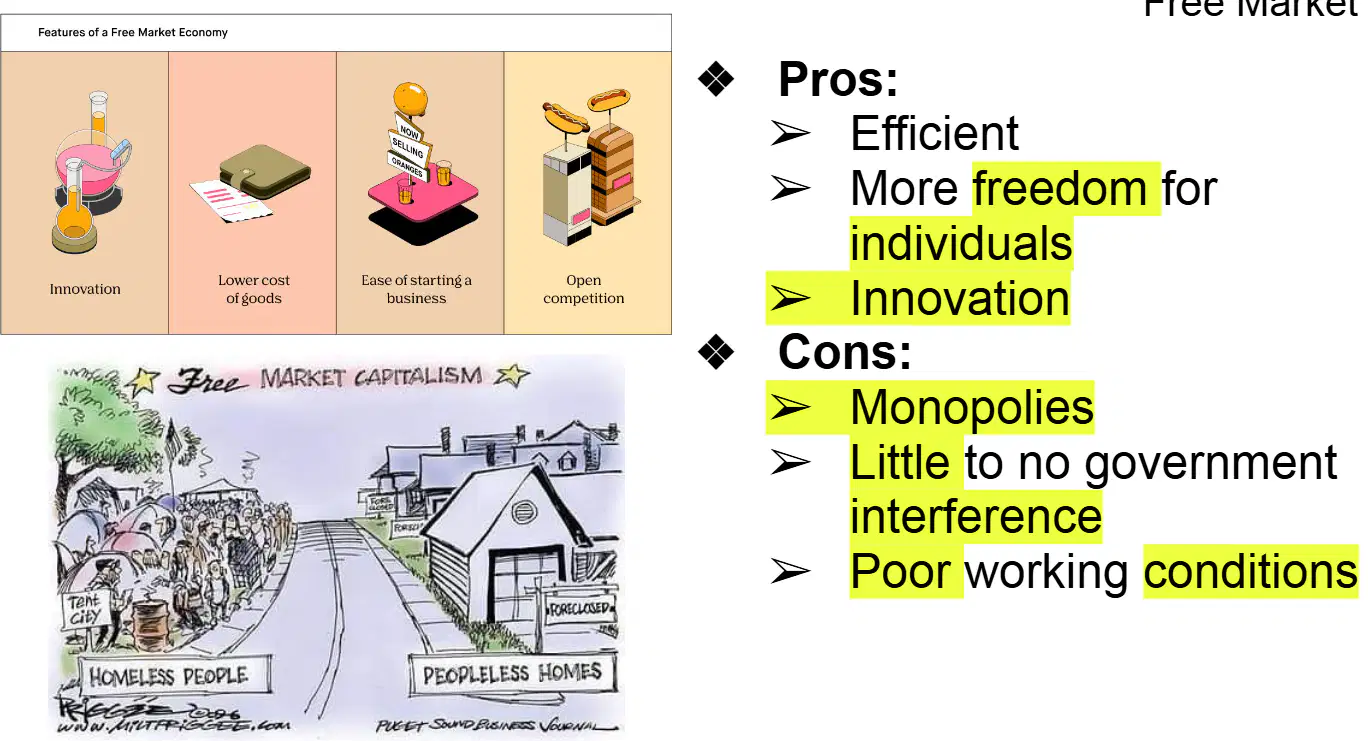
Which of the following is a feature of a free market economy?
Government regulation
Innovation
High taxes
Price controls

Which of the following is NOT a feature of a free market economy?
Lower cost of goods
Ease of starting a business
Open competition
Central planning
Fill in the blank: One of the pros of a free market is that it is _________
Efficient
Unpredictable
Restrictive
Inefficient
Which of the following is considered a con of a free market?
Monopolies
High government interference
Lack of innovation
High cost of goods
In a free market, there is more freedom for individuals.
True
False
Which of the following is a pro of a free market?
Poor working conditions
Innovation
Monopolies
Little to no government interference
Fill in the blank: A con of a free market is ________ working conditions.
poor
excellent
comfortable
safe

According to the cartoon, what is a possible negative outcome of free market capitalism?
Homeless people and empty homes (foreclosed homes)
Increased government control over businesses
Universal access to affordable housing
Elimination of poverty
What is another name for a Centrally Planned Economy?
Free Market Economy
Command Economy
Mixed Economy
Traditional Economy
In a centrally planned economy, who is in charge of what is made and consumed?
Private individuals
The government
Corporations
Consumers
Fill in the blank: In a centrally planned economy, a central authority owns the scarce ________, decides how to use them, and decides who will receive the products produced from these resources.
resources
products
markets
currencies
Which of the following countries is an example of a centrally planned economy?
United States
North Korea
Canada
Australia
In a centrally planned economy, the government does not like private (personal) property or free market.
True
False
According to the diagram 'Five Characteristics of a Command Economy', what does the government do in a command economy?
The government controls all economic decisions.
The government allows free market competition.
The government has no role in the economy.
The government only regulates imports and exports.
What is one of the pros of a centrally planned economy?
Focus on individual profit
Focus on common good
High unemployment
Lack of government control
Fill in the blank: A centrally planned economy is often efficient and _______.
Speedy
Flexible
Innovative
Decentralized
Fill in the blank: One of the pros of a centrally planned economy is the lack of _______ (but not equitable).
inequality
competition
resources
growth
Fill in the blank: In a centrally planned economy, there is little to no _______ (and job choice).
unemployment
competition
inflation
private ownership
Fill in the blank: In a centrally planned economy, the _______ controls wages.
Government
Workers
Private companies
Trade unions
Which of the following is a con of a centrally planned economy?
No competition
High economic growth
Focus on individual good
Lack of government control
Fill in the blank: A con of a centrally planned economy is the lack of economic _______.
growth
equality
planning
resources
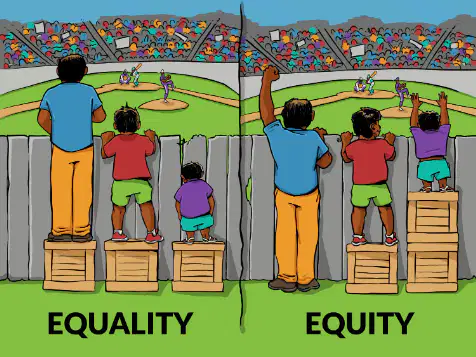
What is the difference between equality and equity as shown in the diagram?
Equality means giving everyone the same resources, while equity means giving people the resources they need to reach an equal outcome.
Equality and equity both mean giving everyone the same resources.
Equality means treating people differently, while equity means treating everyone the same.
Equality and equity are the same concept.
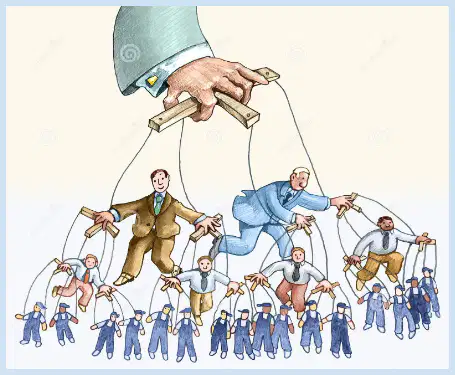
The diagram with the large hand controlling people like puppets represents what in the context of a centrally planned economy?
Individual freedom
Government control over the economy
Market competition
Private ownership
What is a mixed economy?
An economy with only private ownership
An economy with only government involvement
A mixture of free market and government involvement ideology
An economy with no regulation
Which of the following is NOT a characteristic of a mixed economy?
A) Private and Public Ownership
B) Private Property
C) No Regulation
D) State Interventions
Fill in the blank: In a mixed economy, there is a mixture of _______ market and government involvement ideology.
free
closed
black
illegal
Name two countries that have a mixed economy.
USA and Germany
North Korea and Cuba
Somalia and Afghanistan
Venezuela and Zimbabwe
No country is likely to be a pure free or command market.
True
False
What are the characteristics of a mixed economy?
Private and Public Ownership, Private Property, Regulation, Social Security, State Interventions
Only Private Ownership, No State Intervention, No Regulation
Only Public Ownership, No Private Property, Complete State Control
No Social Security, No Regulation, Only Free Market
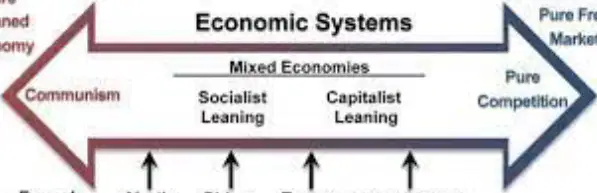
According to the diagram, which economic system is located between communism and pure competition?
Mixed Economies
Traditional Economies
Command Economies
Market Economies
Fill in the blank: The government regulates business by requiring _______ to operate.
licenses
permits
taxes
advertisements
Fill in the blank: The government regulates business by charging _______ or offering tax incentives to businesses.
taxes
fees
permits
licenses
Fill in the blank: The government regulates business by offering tax _______ to businesses.
incentives
penalties
restrictions
audits
Fill in the blank: The government ensures safety _______ for workers.
regulations
holidays
meals
uniforms
Fill in the blank: The government prevents _______ in business.
monopolies
competition
innovation
regulation
Fill in the blank: People are generally _______ to make their own business decisions on a daily basis.
free
forced
reluctant
unable
Fill in the blank: People are generally free to make their own business _______ on a daily basis.
decisions
clothes
vehicles
holidays
Which of the following is a pro of a mixed economy?
Bad regulation
Efficient
High taxes
Encourages special interest groups
Which of the following is a con of a mixed economy?
Improvement of social welfare
Social Safety Net
Bad regulation
Efficient
Fill in the blank: One of the pros of a mixed economy is the improvement of social _______.
welfare
media
networks
status
Fill in the blank: A mixed economy provides a social _______ net.
Safety
Security
Support
Welfare
Which of the following is NOT a con of a mixed economy?
High taxes
Efficient
Bad regulation
Encourages special interest groups
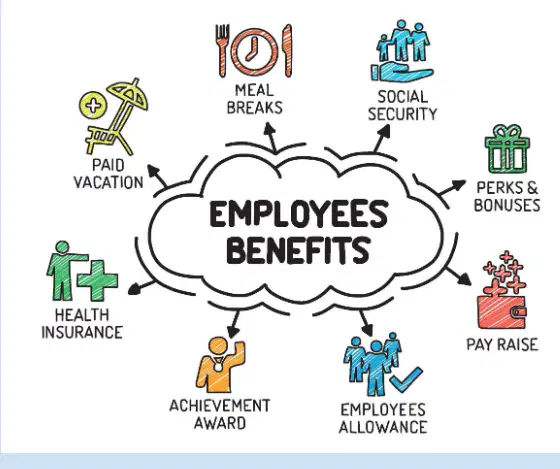
Which of the following is an employee benefit shown in the diagram?
Free housing
Paid vacation
Free transportation
Free food
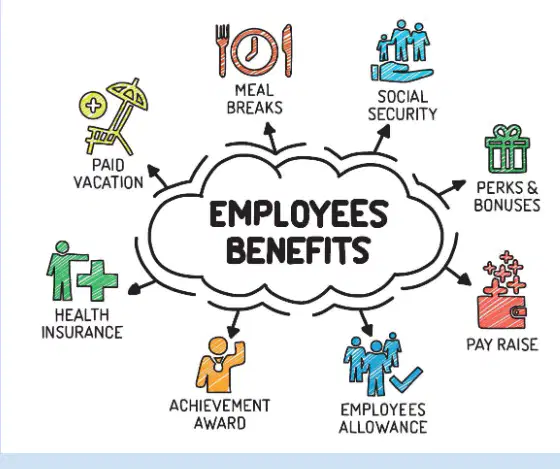
Which of the following is NOT listed as an employee benefit in the diagram?
Health insurance
Employees allowance
Free housing
Achievement award
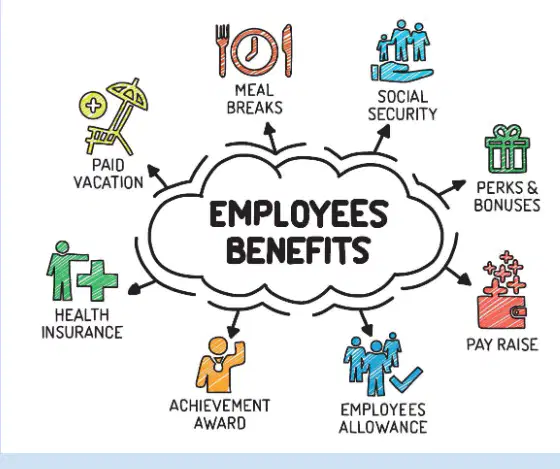
Fill in the blank: According to the diagram, employees can receive _______ as a benefit for their achievements.
Achievement award
Paid vacation
Health insurance
Stock options
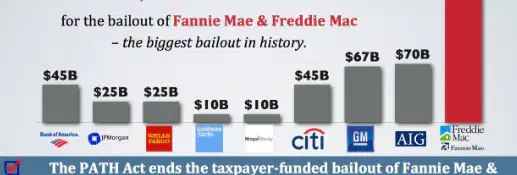
Fill in the blank: The biggest bailout in U.S. history was for _______ Mae & _______ Mac.
Fannie, Freddie
Annie, Frankie
Jannie, Jackie
Mannie, Mackie
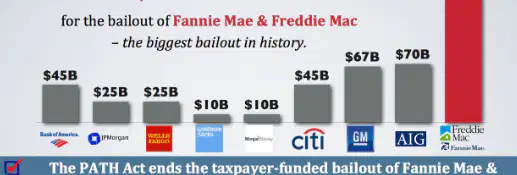
How much have taxpayers paid for the bailout of Fannie Mae & Freddie Mac, according to the image?
$45 billion
$67 billion
$200 billion
$189 billion
Who makes economic decisions in a traditional economy?
Government officials
Individuals or tribes
Large corporations
Foreign investors
Economic decisions in a traditional economy are based on existing ________, traditions, and religious beliefs.
customs
laws
technologies
governments
In a traditional economy, decisions are based on customs, ________, and religious beliefs.
traditions
technology
laws
markets
In a traditional economy, decisions are based on customs, traditions, and ________ beliefs.
religious
scientific
technological
political
In Peru, a local village elder makes bowls out of pottery. She often trades the bowls to farmers for fruits and vegetables. What type of economy is this an example of?
Market Economy
Command Economy
Traditional Economy
Mixed Economy
Which of the following is an advantage of traditional economies?
High individual profit
Everyone's needs are met to a basic extent
Rapid technological advancement
Large, connected communities
In traditional economies, everyone is involved in the community.
True
False
What is a disadvantage of traditional economies?
Easy to introduce new technology
High individual standards of living
Communities are more exposed to catastrophic damage
Strong connection to outside economies
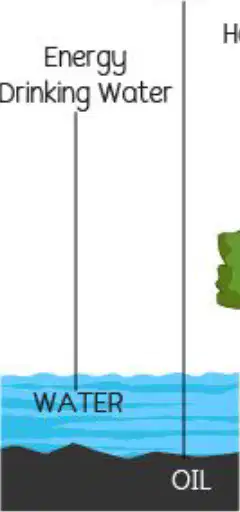
Which natural resource provides energy and drinking water?
Forests
Water
Minerals
Animals
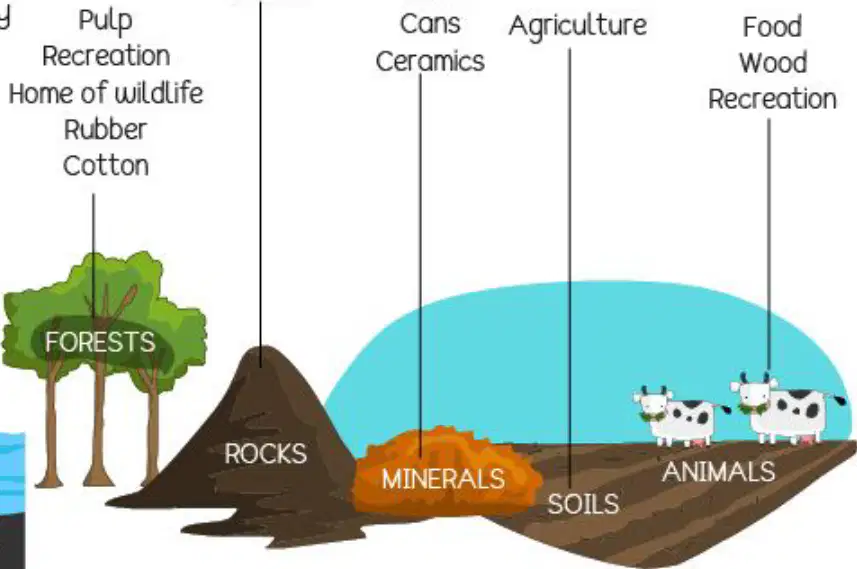
Which of the following is NOT a use of forests?
Wood
Medicine
Jewelry
Recreation
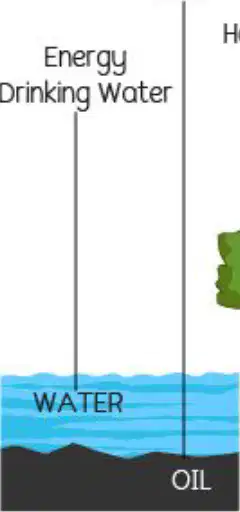
Fill in the blank: Oil is mainly used for ______ and fuel.
energy
medicine
clothing
furniture

