
NEW
Font size
 Worksheets
Methods of Heat Transfer Quiz part 3
Total questions: 20
Worksheet time: 10mins
Which of the following is a method by which heat can be transferred?
Conduction
Evaporation
Absorption
Reflection
What is one of the three methods of heat transfer?
Convection
Diffusion
Filtration
Insulation
Radiation is a method of transferring what?
Light
Sound
Heat
Electricity
What is conduction in terms of heat transfer?
Heat traveling through a vacuum
Heat traveling through or along a material
Heat traveling through radiation
Heat traveling through convection
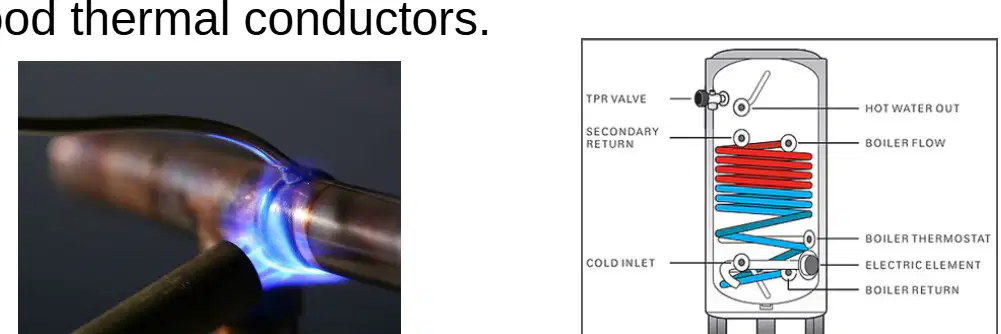
Which material is mentioned as a very good thermal conductor?
Plastic
Wood
Copper
Glass
What is the relationship between thermal and electrical conductivity in materials?
Good thermal conductors are also good electrical conductors.
Good thermal conductors are poor electrical conductors.
Thermal and electrical conductivity are unrelated.
Good electrical conductors are poor thermal conductors.
Which material is considered a bad conductor of heat?
Aluminium
Iron
Still air
Glass
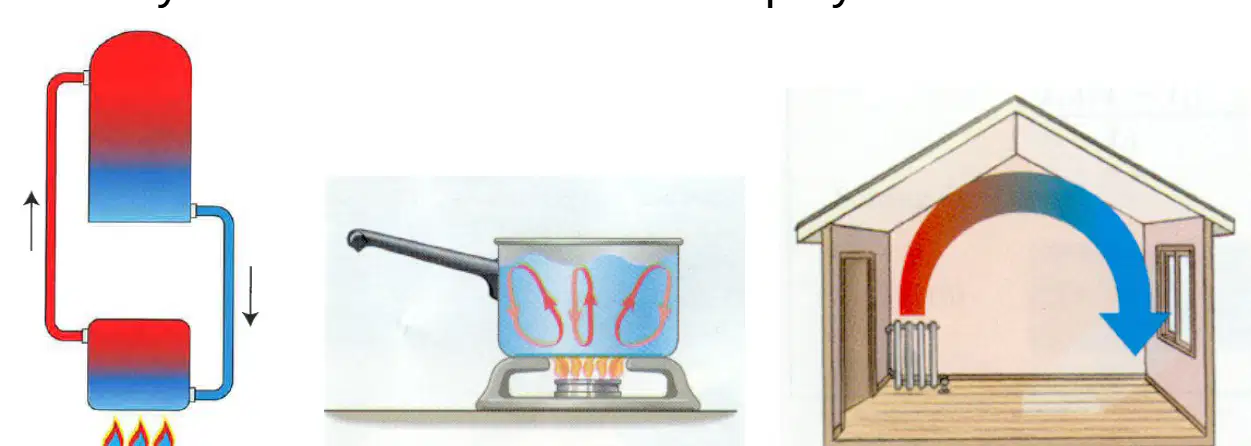
In which states of matter can convection occur?
Solid and liquid
Liquid and gas
Solid and gas
Plasma and solid
What happens to molecules during convection when they are heated?
They cool and fall
They heat and rise
They remain stationary
They expand and contract
What is the main way a DHWC heats water?
Conduction
Radiation
Convection
Evaporation
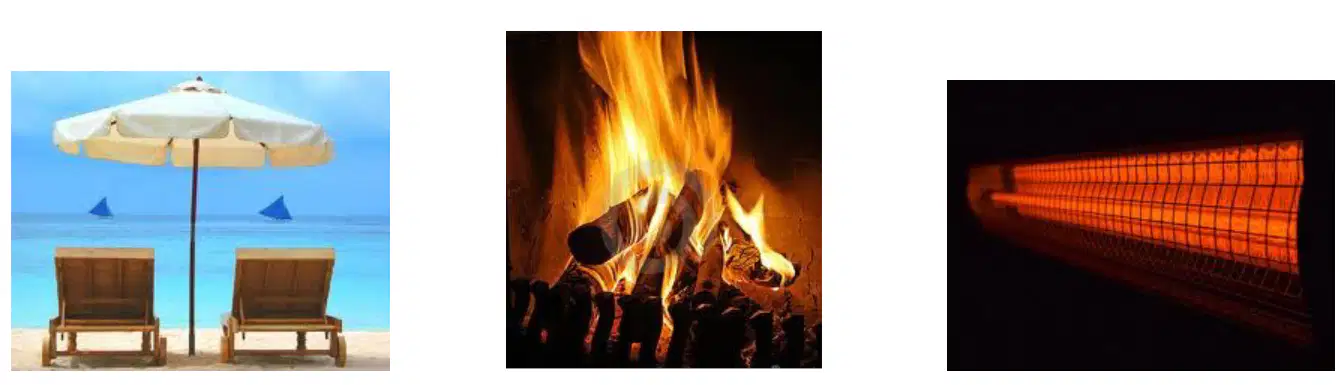
What is the method of heat transfer that occurs via infrared light and transfers heat from one body to another without heating the space in between?
Conduction
Convection
Radiation
Evaporation
In what units is heat scientifically measured?
Celsius (°C)
Fahrenheit (°F)
Kelvin (K)
Joules (J)
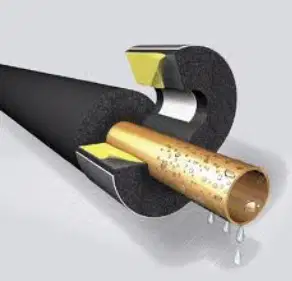
Why do hot water cylinder pipes need to be insulated?
To increase water pressure
To keep the heat in
To reduce water flow
To prevent rust
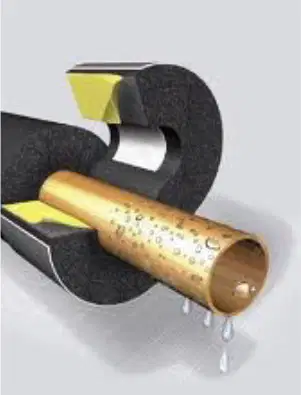
Why do cold water mains pipes need to be insulated?
To increase water pressure
To stop condensation forming on the pipe
To enhance water flow
To prevent rust
Why are white cars more common in hot countries?
White absorbs the sun’s heat
White reflects the sun’s heat
White is easier to clean
White is more aerodynamic
What is the effect of dark colors on heat?
Dark colors reflect heat
Dark colors absorb heat
Dark colors neutralize heat
Dark colors increase heat loss
What is the benefit of insulating pipework?
It increases water temperature
It increases efficiency and reduces running costs
It prevents water contamination
It enhances water taste
What is the maximum temperature the cylinder stat should be set to in the secondary circuit?
50°C
60°C
70°C
80°C
What is the purpose of TRVs in a heating system?
Control the entire house temperature
Control individual rooms
Control the boiler temperature
Control the water flow
According to the principles of heat, when should programmers be turned on?
Only during the night
Only on when needed
Always on
Only during the day

