
Font size
 Worksheets
Regulate, Relate, Reason
Total questions: 32
Worksheet time: 48mins
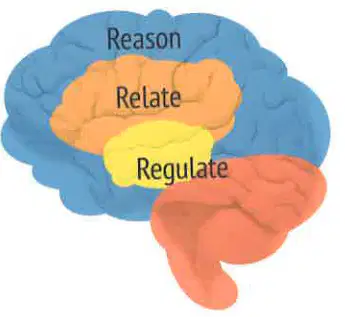
What are the words that can help you remember the importance of regulating from the bottom of the brain up?
Regulate, Relate, Reason
React, Respond, Resolve
Recognize, Relate, React
Regulate, Respond, Resolve
What is the purpose of the "Regulate, Relate, Reason" mantra?
To improve physical fitness
To practice interventions we have learned and to stay regulated
To improve memory
To increase IQ points
What is the first part of our "Mantra"
Relate
Regulate
Reason
React
Why is it important to identify triggers and know how to support yourself and others?
It makes you more competitive
It allows you to be proactive in approaching things
It makes you more famous
It helps you avoid all problems
What should you do if you've found some calming strategies that work for you?
Keep them to yourself
Share them with others
Forget about them
Use them only in emergencies
What happens to breathing when a person is regulated in the lower regions of their brain?
It stops completely
It speeds up
It slows down
It becomes erratic
What ability improves when a person is regulated in the lower regions of their brain?
Ability to ignore others
Ability to focus on what is happening around them
Ability to sleep
Ability to run faster
What should you remind a person of when they are in a calm state?
Their failures.
The positive things about your relationship.
Their mistakes.
Their bad behavior.
What is the role of relational regulation in the regulation process?
It is not important.
It helps in making quick decisions.
It is needed for both helping others and self-regulation.
It only helps in self-regulation.
What should you do when you sense your negative emotions rising?
What should you pay attention to throughout your day?
The sequence of regulate, relate, reason.
Ignoring emotions.
Acting without thinking.
Avoiding all interactions.
What is the importance of having positive relationships when upset?
They are not important.
They help calm you and provide support.
They make you more anxious.
They are a distraction.
What should you do when you are in a calm or alert state?
Ignore your emotions.
Use the regulate, relate, reason checklist.
Act impulsively.
Avoid making decisions.
What should you do if you feel unsafe in relationships?
Ignore the feeling.
Build positive relationships for support.
React aggressively.
Suppress the feeling.
How can you support someone who is feeling overwhelmed?
Ignore them until they calm down
Offer a listening ear and understanding
Tell them to get over it
Distract them with unrelated topics
This phase of "Regulate, Relate, Reason" can only happen once the other person is in the "calm" or "alert" state. This is where you can help the other person discuss what happened and what should happen next. Problem solving is able to happen here.
(a)
Describe the "Relate" part of Regulate, Relate, Reason
What should you do if you notice someone is struggling to regulate their emotions?
Criticize them for being emotional
Leave them alone to figure it out
Tell them to ignore their feelings
Encourage them to use calming strategies
This phase of "Regulate, Relate, Reason" means to make sure you are in control of your own emotions before trying to help someone else. In this phase, your brain stem and midbrain are well regulated. You can practice your regulation strategies or mindfulness exercises to get yourself in a place where you're ready to help someone else regulate.
(a)
Which of the following best describes self-awareness?
The ability to understand and manage one's own emotions
The skill of making friends and maintaining relationships
The capacity to make ethical and responsible decisions
The knowledge of societal norms and expectations
Which of the following is a strategy to improve emotional regulation?
Practicing mindfulness
Ignoring stressors
Suppressing emotions
Avoiding social interactions
What is a key component of self-awareness?
Understanding others' emotions
Focusing on external validation
Making quick decisions
Recognizing one's own emotions
How can you effectively relate to someone who is upset?
By giving unsolicited advice
By changing the subject
By offering empathy and support
By dismissing their feelings
Describe the "Regulate" part of Regulate, Relate, Reason
Describe the "Reason" part of Regulate, Relate, Reason
What are healthy ways to cool down if angry?
Listen to music
Rest
Exercise
Punch a Wall
The ability to calm yourself down when angry or upset is an example of:
Relationship skills
Emotional regulation
Social awareness
Self-awareness
How do you show others that you relate to them and their emotions?
What is a common technique to help manage stress and improve emotional regulation?
Eating junk food
Practicing deep breathing exercises
Procrastinating tasks
Ignoring the problem
What is an effective way to support a friend who is experiencing anxiety?
Advise them to avoid social interactions
Suggest they suppress their emotions
Encourage them to talk about their feelings
Tell them to ignore their feelings
This phase of "Regulate, Relate, Reason" is focused on the Limbic System. This is where you can remind the other person that they are safe and cared for. You can focus on your positive relationship when helping this person become regulated again.
(a)
What is a common sign that someone is struggling with emotional regulation?
They are laughing uncontrollably
They are unable to focus on tasks
They are sleeping more than usual
They are eating more than usual

