
 Worksheets
Story Elements
Total questions: 100
Worksheet time: 2hrs 31mins
What is the conflict of a story?
The time and place
The main problem the character encounters in the story
The most exciting part of the story
The beginning of a story
Which is the best definition of character traits?
A character's opinion
The things a character says
Personality traits for a character
What a character looks like
What is setting?
The time and place in which a story occurs
A character's personality traits
The most exciting part of a story
The ending of a story
What is the exposition of a story?
Where the action is winding down after the climax
The end of the story where everything is resolved
The most exciting part of a story; the turning point
The beginning of a story where we learn about setting and some of the characters
What is rising action?
After the climax, when the action starts to wind down
Where the conflict of the story grows and where the events increasingly build up in excitement
The most exciting part of a story; the turning point
The beginning of the story where we learn about setting and some characters
What is falling action?
The end of a story where everything is resolved
Where the conflict of the story grows and where the events increasingly build up in excitement
The most exciting part of a story; the turning point
The part after the climax where events are winding down
What is the resolution?
Where the conflict of the story grows and where the events increasingly build up in excitement
The end of a story where everything is resolved
The most exciting part of a story; the turning point
The beginning of the story where we learn about setting and some characters
What is the theme of a story?
The series of events in a story
The author's point of view
The major life lesson or message
The character's personality traits
What is the plot of a story?
The series of events in a story
The main message or life lesson of a story
The most exciting part of a story; the turning point
The time and place that a story takes place
(1) In the summer, Jenna went to the town pool with her brother Jake nearly every day. (2) The pool was open to all town residents. (3) Nevertheless, very few adults went in the pool. (4) Mrs. Dillard was an exception. (5) A middle-aged woman, she came to the pool almost daily–always alone. (6) Jenna did not like Mrs. Dillard. (7) She complained when Jenna and her friends splashed too much as they dove off the diving board, and she complained when Jake and his younger friends made too much noise playing Marco Polo. (8) Jenna thought someone with so many complaints had no business hanging around a pool full of kids. (9) When the old woman swam by, Jenna stuck her tongue out behind her back, making all her friends laugh. (10) Then, one day as he sat by the pool, Jake let out a terrible scream. (11) Jenna ran over to see what was wrong and realized that a wasp had stung him. (12) Neither she nor the lifeguards knew what to do. (13) But Mrs. Dillard came over with a special medicine that she put on the sting, and soon Jake was back to his old self. (14) After that, Jenna knew that she would never again make fun of Mrs. Dillard.
What is the MAIN conflict of this passage? What is this passage mostly about?
Jenna's struggle to take care of her brother
Jenna's struggle with her attitude toward Mrs. Dillard
Mrs. Dillard learning to swim
Mrs. Dillard saving Jake
(1) In the summer, Jenna went to the town pool with her brother Jake nearly every day. (2) The pool was open to all town residents. (3) Nevertheless, very few adults went in the pool. (4) Mrs. Dillard was an exception. (5) A middle-aged woman, she came to the pool almost daily–always alone. (6) Jenna did not like Mrs. Dillard. (7) She complained when Jenna and her friends splashed too much as they dove off the diving board, and she complained when Jake and his younger friends made too much noise playing Marco Polo. (8) Jenna thought someone with so many complaints had no business hanging around a pool full of kids. (9) When the old woman swam by, Jenna stuck her tongue out behind her back, making all her friends laugh. (10) Then, one day as he sat by the pool, Jake let out a terrible scream. (11) Jenna ran over to see what was wrong and realized that a wasp had stung him. (12) Neither she nor the lifeguards knew what to do. (13) But Mrs. Dillard came over with a special medicine that she put on the sting, and soon Jake was back to his old self. (14) After that, Jenna knew that she would never again make fun of Mrs. Dillard.
Which part of the plot is sentence 1?
Exposition
Rising Action
Climax
Falling Action
(1) In the summer, Jenna went to the town pool with her brother Jake nearly every day. (2) The pool was open to all town residents. (3) Nevertheless, very few adults went in the pool. (4) Mrs. Dillard was an exception. (5) A middle-aged woman, she came to the pool almost daily–always alone. (6) Jenna did not like Mrs. Dillard. (7) She complained when Jenna and her friends splashed too much as they dove off the diving board, and she complained when Jake and his younger friends made too much noise playing Marco Polo. (8) Jenna thought someone with so many complaints had no business hanging around a pool full of kids. (9) When the old woman swam by, Jenna stuck her tongue out behind her back, making all her friends laugh. (10) Then, one day as he sat by the pool, Jake let out a terrible scream. (11) Jenna ran over to see what was wrong and realized that a wasp had stung him. (12) Neither she nor the lifeguards knew what to do. (13) But Mrs. Dillard came over with a special medicine that she put on the sting, and soon Jake was back to his old self. (14) After that, Jenna knew that she would never again make fun of Mrs. Dillard.
Where does the climax (big BOOM of the story) of the story take place?
Sentences 1-4
Sentences 5-6
Sentences 7-9
Sentences 10-12
Sentences 13-14
(1) In the summer, Jenna went to the town pool with her brother Jake nearly every day. (2) The pool was open to all town residents. (3) Nevertheless, very few adults went in the pool. (4) Mrs. Dillard was an exception. (5) A middle-aged woman, she came to the pool almost daily–always alone. (6) Jenna did not like Mrs. Dillard. (7) She complained when Jenna and her friends splashed too much as they dove off the diving board, and she complained when Jake and his younger friends made too much noise playing Marco Polo. (8) Jenna thought someone with so many complaints had no business hanging around a pool full of kids. (9) When the old woman swam by, Jenna stuck her tongue out behind her back, making all her friends laugh. (10) Then, one day as he sat by the pool, Jake let out a terrible scream. (11) Jenna ran over to see what was wrong and realized that a wasp had stung him. (12) Neither she nor the lifeguards knew what to do. (13) But Mrs. Dillard came over with a special medicine that she put on the sting, and soon Jake was back to his old self. (14) After that, Jenna knew that she would never again make fun of Mrs. Dillard.
What change or insight does the resolution of the story contain?
Mrs. Dillard realizes she has been too grouchy.
Jake learns to live with the pain of the wasp sting.
Jenna changes her opinion of Mrs. Dillard.
Jenna realizes that she needs to take better care of her brother.
(1) In the summer, Jenna went to the town pool with her brother Jake nearly every day. (2) The pool was open to all town residents. (3) Nevertheless, very few adults went in the pool. (4) Mrs. Dillard was an exception. (5) A middle-aged woman, she came to the pool almost daily–always alone. (6) Jenna did not like Mrs. Dillard. (7) She complained when Jenna and her friends splashed too much as they dove off the diving board, and she complained when Jake and his younger friends made too much noise playing Marco Polo. (8) Jenna thought someone with so many complaints had no business hanging around a pool full of kids. (9) When the old woman swam by, Jenna stuck her tongue out behind her back, making all her friends laugh. (10) Then, one day as he sat by the pool, Jake let out a terrible scream. (11) Jenna ran over to see what was wrong and realized that a wasp had stung him. (12) Neither she nor the lifeguards knew what to do. (13) But Mrs. Dillard came over with a special medicine that she put on the sting, and soon Jake was back to his old self. (14) After that, Jenna knew that she would never again make fun of Mrs. Dillard.
What kind of conflict is presented in the passage? Who/what is Jenna in conflict with throughout this passage?
Character v Society
Character v Nature
Character v Self
Character v Character
(1) In the summer, Jenna went to the town pool with her brother Jake nearly every day. (2) The pool was open to all town residents. (3) Nevertheless, very few adults went in the pool. (4) Mrs. Dillard was an exception. (5) A middle-aged woman, she came to the pool almost daily–always alone. (6) Jenna did not like Mrs. Dillard. (7) She complained when Jenna and her friends splashed too much as they dove off the diving board, and she complained when Jake and his younger friends made too much noise playing Marco Polo. (8) Jenna thought someone with so many complaints had no business hanging around a pool full of kids. (9) When the old woman swam by, Jenna stuck her tongue out behind her back, making all her friends laugh. (10) Then, one day as he sat by the pool, Jake let out a terrible scream. (11) Jenna ran over to see what was wrong and realized that a wasp had stung him. (12) Neither she nor the lifeguards knew what to do. (13) But Mrs. Dillard came over with a special medicine that she put on the sting, and soon Jake was back to his old self. (14) After that, Jenna knew that she would never again make fun of Mrs. Dillard.
What point of view does this story use?
first person (I, me)
second person (you)
third person (she, him, they)
(1) In the summer, Jenna went to the town pool with her brother Jake nearly every day. (2) The pool was open to all town residents. (3) Nevertheless, very few adults went in the pool. (4) Mrs. Dillard was an exception. (5) A middle-aged woman, she came to the pool almost daily–always alone. (6) Jenna did not like Mrs. Dillard. (7) She complained when Jenna and her friends splashed too much as they dove off the diving board, and she complained when Jake and his younger friends made too much noise playing Marco Polo. (8) Jenna thought someone with so many complaints had no business hanging around a pool full of kids. (9) When the old woman swam by, Jenna stuck her tongue out behind her back, making all her friends laugh. (10) Then, one day as he sat by the pool, Jake let out a terrible scream. (11) Jenna ran over to see what was wrong and realized that a wasp had stung him. (12) Neither she nor the lifeguards knew what to do. (13) But Mrs. Dillard came over with a special medicine that she put on the sting, and soon Jake was back to his old self. (14) After that, Jenna knew that she would never again make fun of Mrs. Dillard.
From whose point of view is the story being told?
Narrator
The Kids
Mrs. Dillard
Which is another word for resolution?
denouement
climax
exposition
conclusion
What is the conflict of a story?
The time and place
The main problem the character encounters in the story
The most exciting part of the story
The beginning of a story
Which is the best definition of character traits?
A character's opinion
The things a character says
Personality traits for a character
What a character looks like
What is setting?
The time and place in which a story occurs
A character's personality traits
The most exciting part of a story
The ending of a story
What is the exposition of a story?
Where the action is winding down after the climax
The end of the story where everything is resolved
The most exciting part of a story; the turning point
The beginning of a story where we learn about setting and some of the characters
What is rising action?
After the climax, when the action starts to wind down
Where the conflict of the story grows and where the events increasingly build up in excitement
The most exciting part of a story; the turning point
The beginning of the story where we learn about setting and some characters
What is falling action?
The end of a story where everything is resolved
Where the conflict of the story grows and where the events increasingly build up in excitement
The most exciting part of a story; the turning point
The part after the climax where events are winding down
What is the resolution?
Where the conflict of the story grows and where the events increasingly build up in excitement
The end of a story where everything is resolved
The most exciting part of a story; the turning point
The beginning of the story where we learn about setting and some characters
What is the theme of a story?
The series of events in a story
The author's point of view
The major life lesson or message
The character's personality traits
What is the plot of a story?
The series of events in a story
The main message or life lesson of a story
The most exciting part of a story; the turning point
The time and place that a story takes place
(1) In the summer, Jenna went to the town pool with her brother Jake nearly every day. (2) The pool was open to all town residents. (3) Nevertheless, very few adults went in the pool. (4) Mrs. Dillard was an exception. (5) A middle-aged woman, she came to the pool almost daily–always alone. (6) Jenna did not like Mrs. Dillard. (7) She complained when Jenna and her friends splashed too much as they dove off the diving board, and she complained when Jake and his younger friends made too much noise playing Marco Polo. (8) Jenna thought someone with so many complaints had no business hanging around a pool full of kids. (9) When the old woman swam by, Jenna stuck her tongue out behind her back, making all her friends laugh. (10) Then, one day as he sat by the pool, Jake let out a terrible scream. (11) Jenna ran over to see what was wrong and realized that a wasp had stung him. (12) Neither she nor the lifeguards knew what to do. (13) But Mrs. Dillard came over with a special medicine that she put on the sting, and soon Jake was back to his old self. (14) After that, Jenna knew that she would never again make fun of Mrs. Dillard.
What is the MAIN conflict of this passage? What is this passage mostly about?
Jenna's struggle to take care of her brother
Jenna's struggle with her attitude toward Mrs. Dillard
Mrs. Dillard learning to swim
Mrs. Dillard saving Jake
(1) In the summer, Jenna went to the town pool with her brother Jake nearly every day. (2) The pool was open to all town residents. (3) Nevertheless, very few adults went in the pool. (4) Mrs. Dillard was an exception. (5) A middle-aged woman, she came to the pool almost daily–always alone. (6) Jenna did not like Mrs. Dillard. (7) She complained when Jenna and her friends splashed too much as they dove off the diving board, and she complained when Jake and his younger friends made too much noise playing Marco Polo. (8) Jenna thought someone with so many complaints had no business hanging around a pool full of kids. (9) When the old woman swam by, Jenna stuck her tongue out behind her back, making all her friends laugh. (10) Then, one day as he sat by the pool, Jake let out a terrible scream. (11) Jenna ran over to see what was wrong and realized that a wasp had stung him. (12) Neither she nor the lifeguards knew what to do. (13) But Mrs. Dillard came over with a special medicine that she put on the sting, and soon Jake was back to his old self. (14) After that, Jenna knew that she would never again make fun of Mrs. Dillard.
Which part of the plot is sentence 1?
Exposition
Rising Action
Climax
Falling Action
(1) In the summer, Jenna went to the town pool with her brother Jake nearly every day. (2) The pool was open to all town residents. (3) Nevertheless, very few adults went in the pool. (4) Mrs. Dillard was an exception. (5) A middle-aged woman, she came to the pool almost daily–always alone. (6) Jenna did not like Mrs. Dillard. (7) She complained when Jenna and her friends splashed too much as they dove off the diving board, and she complained when Jake and his younger friends made too much noise playing Marco Polo. (8) Jenna thought someone with so many complaints had no business hanging around a pool full of kids. (9) When the old woman swam by, Jenna stuck her tongue out behind her back, making all her friends laugh. (10) Then, one day as he sat by the pool, Jake let out a terrible scream. (11) Jenna ran over to see what was wrong and realized that a wasp had stung him. (12) Neither she nor the lifeguards knew what to do. (13) But Mrs. Dillard came over with a special medicine that she put on the sting, and soon Jake was back to his old self. (14) After that, Jenna knew that she would never again make fun of Mrs. Dillard.
Where does the climax (big BOOM of the story) of the story take place?
Sentences 1-4
Sentences 5-6
Sentences 7-9
Sentences 10-12
Sentences 13-14
(1) In the summer, Jenna went to the town pool with her brother Jake nearly every day. (2) The pool was open to all town residents. (3) Nevertheless, very few adults went in the pool. (4) Mrs. Dillard was an exception. (5) A middle-aged woman, she came to the pool almost daily–always alone. (6) Jenna did not like Mrs. Dillard. (7) She complained when Jenna and her friends splashed too much as they dove off the diving board, and she complained when Jake and his younger friends made too much noise playing Marco Polo. (8) Jenna thought someone with so many complaints had no business hanging around a pool full of kids. (9) When the old woman swam by, Jenna stuck her tongue out behind her back, making all her friends laugh. (10) Then, one day as he sat by the pool, Jake let out a terrible scream. (11) Jenna ran over to see what was wrong and realized that a wasp had stung him. (12) Neither she nor the lifeguards knew what to do. (13) But Mrs. Dillard came over with a special medicine that she put on the sting, and soon Jake was back to his old self. (14) After that, Jenna knew that she would never again make fun of Mrs. Dillard.
What change or insight does the resolution of the story contain?
Mrs. Dillard realizes she has been too grouchy.
Jake learns to live with the pain of the wasp sting.
Jenna changes her opinion of Mrs. Dillard.
Jenna realizes that she needs to take better care of her brother.
(1) In the summer, Jenna went to the town pool with her brother Jake nearly every day. (2) The pool was open to all town residents. (3) Nevertheless, very few adults went in the pool. (4) Mrs. Dillard was an exception. (5) A middle-aged woman, she came to the pool almost daily–always alone. (6) Jenna did not like Mrs. Dillard. (7) She complained when Jenna and her friends splashed too much as they dove off the diving board, and she complained when Jake and his younger friends made too much noise playing Marco Polo. (8) Jenna thought someone with so many complaints had no business hanging around a pool full of kids. (9) When the old woman swam by, Jenna stuck her tongue out behind her back, making all her friends laugh. (10) Then, one day as he sat by the pool, Jake let out a terrible scream. (11) Jenna ran over to see what was wrong and realized that a wasp had stung him. (12) Neither she nor the lifeguards knew what to do. (13) But Mrs. Dillard came over with a special medicine that she put on the sting, and soon Jake was back to his old self. (14) After that, Jenna knew that she would never again make fun of Mrs. Dillard.
What kind of conflict is presented in the passage? Who/what is Jenna in conflict with throughout this passage?
Character v Society
Character v Nature
Character v Self
Character v Character
(1) In the summer, Jenna went to the town pool with her brother Jake nearly every day. (2) The pool was open to all town residents. (3) Nevertheless, very few adults went in the pool. (4) Mrs. Dillard was an exception. (5) A middle-aged woman, she came to the pool almost daily–always alone. (6) Jenna did not like Mrs. Dillard. (7) She complained when Jenna and her friends splashed too much as they dove off the diving board, and she complained when Jake and his younger friends made too much noise playing Marco Polo. (8) Jenna thought someone with so many complaints had no business hanging around a pool full of kids. (9) When the old woman swam by, Jenna stuck her tongue out behind her back, making all her friends laugh. (10) Then, one day as he sat by the pool, Jake let out a terrible scream. (11) Jenna ran over to see what was wrong and realized that a wasp had stung him. (12) Neither she nor the lifeguards knew what to do. (13) But Mrs. Dillard came over with a special medicine that she put on the sting, and soon Jake was back to his old self. (14) After that, Jenna knew that she would never again make fun of Mrs. Dillard.
What point of view does this story use?
first person (I, me)
second person (you)
third person (she, him, they)
(1) In the summer, Jenna went to the town pool with her brother Jake nearly every day. (2) The pool was open to all town residents. (3) Nevertheless, very few adults went in the pool. (4) Mrs. Dillard was an exception. (5) A middle-aged woman, she came to the pool almost daily–always alone. (6) Jenna did not like Mrs. Dillard. (7) She complained when Jenna and her friends splashed too much as they dove off the diving board, and she complained when Jake and his younger friends made too much noise playing Marco Polo. (8) Jenna thought someone with so many complaints had no business hanging around a pool full of kids. (9) When the old woman swam by, Jenna stuck her tongue out behind her back, making all her friends laugh. (10) Then, one day as he sat by the pool, Jake let out a terrible scream. (11) Jenna ran over to see what was wrong and realized that a wasp had stung him. (12) Neither she nor the lifeguards knew what to do. (13) But Mrs. Dillard came over with a special medicine that she put on the sting, and soon Jake was back to his old self. (14) After that, Jenna knew that she would never again make fun of Mrs. Dillard.
From whose point of view is the story being told?
Narrator
The Kids
Mrs. Dillard
Which is another word for resolution?
denouement
climax
exposition
conclusion
When the struggle in the story is happening between the protagonist and him or herself, it is called ________________ (also known as person vs. self).
conflict from parents
external conflict
internal conflict
school conflict
One type of external conflict where the protagonist struggles against the antagonist (either as a single person or a small group of people) is called ____________________-.
person vs. self
person vs. society
person vs. nature
person vs. person
A type of external conflict where the setting or the environment works against the protagonist is called ________________.
person vs. self
person vs. society
person vs. person
person vs. nature
An external conflict where the protagonist is against a larger group trying to "right the wrongs" happening in the world is called ________________________.
person vs. society
person vs. nature
person vs. self
person vs. person
It is the sequence of actions and events in a story to convey a theme.
Characters
Setting
Plot
Point of View
It is the angle from which the story is told.
Setting
Characters
Conflict
Point of View
The Climax is also called the ______________ of the story.
Exposition
turning point
table of contents
Rising Action
The Chain of related events that take place in a story
The plot
The character(s)
The Setting
The Climax
Which of the following is NOT a part of a Plot?
climax
conclusion
conflict
exposition
This refers to the conversation that characters have in a story.
Speech
Monologue
Interview
Dialogue
It refers to the main idea or moral of the story.
Plot
Conflict
Theme
Climax
It creates challenges in a story by adding uncertainty as to whether the goal will be achieved or not.
setting
theme
problem
conflict
This part of a plot is where the author builds suspense and tension to keep the reader interested.
Exposition
Rising Action
Climax
Falling Action
Resolution
This part of a plot is where the major conflict of the story occurs - typically serving as a turning point for the story.
Exposition
Rising Action
Climax
Falling Action
Resolution
Which element of a story lays the foundation for the events
that follow and introduces the main characters?
Inciting Incident
Rising Action
Exposition
Climax
What element of a story involves the moral of the story or the author's message to the reader?
Resolution
Theme
Climax
Falling Action
Which element of a story refers to the central
struggle between two opposing forces?
Characterization
Conflict
Setting
Theme
In a plot diagram, which part would be considered the
highest point of tension and the turning point of the story?
Rising Action
Falling Action
Exposition
Climax
What element of a story involves the development
and traits of the individuals in the story?
Characters
Setting
Conflict
Theme
Which element of a story introduces complications
and obstacles that the main character must overcome?
Rising Action
Resolution
Climax
Falling Action
The element of a story that presents the events following
the climax and leads to the story's conclusion is known as the:
Resolution
Falling Action
Exposition
Rising Action
What does the setting of a story typically include?
The main problem or struggle faced by the characters
The sequence of events leading to the climax
The time and location in which the story takes place
The lessons learned by the characters
What does the resolution of a story typically provide to the readers?
The final outcome or solution to the story's conflict
The introduction of the main characters
The central conflict or problem faced by the characters
The unfolding of events leading to the climax
1. What is plot in a short story?
where the story happen
the events that happen in order in a story
the narrator's role in a story
What is the rising action in a short story?
the background information
the events that lead up to the climax
the point of highest action
3. The highest point of drama, also described as the turning point, in the story is called what?
the climax
the resolution
the exposition
4. The events that happen after the climax of the story that lead up to the end are called ____________________.
resolution
falling action
characters
5.What is the end of the story called when the author explains how everything turns out for the characters?
setting
resolution
narration
6.Who is the main character of a story?
antagonist
narrator
protagonist
7.Who is the antagonist in a story?
the person or people in charge
the character or characters working against the main character
the main character
8. In short stories, setting is __
time
place
time and location
9.What is conflict in a story?
the struggle that happens between the opposing sides in a story
arguments
only something experienced by the antagonist
10. What is theme?
the law in the story
the life lesson of the story
the title of the story

If a text's main character has an argument with his/her best friend, which type of conflict occurs?
person vs. self
person vs. person
person vs. nature
person vs. society

What type of conflict is the picture?
man vs man
man vs Nature
man vs Self
man vs Society

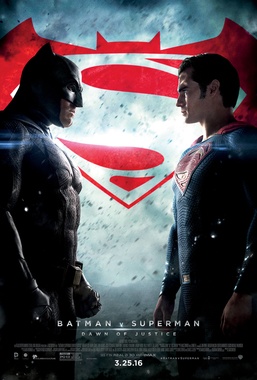
What type of conflict is the picture?
man vs man
man vs Nature
man vs Self
man vs Society

A conflict a character has with another character or thing.
internal conflict
external conflict
A conflict a character has with another character or thing.
internal conflict
external conflict
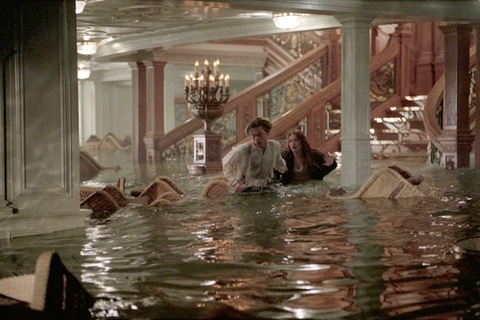

If a character in a text is beating himself/herself up about losing the big race at Field Day, which type of conflict has occurred?
person vs. nature
person vs. person
person vs. society
person vs. self

Character vs Character
Character vs Nature
Character vs Society
Character vs Self
Character vs Character
Character vs Nature
Character vs Society
Character vs Self

