
 Worksheets
HW Bush
Total questions: 20
Worksheet time: 17mins
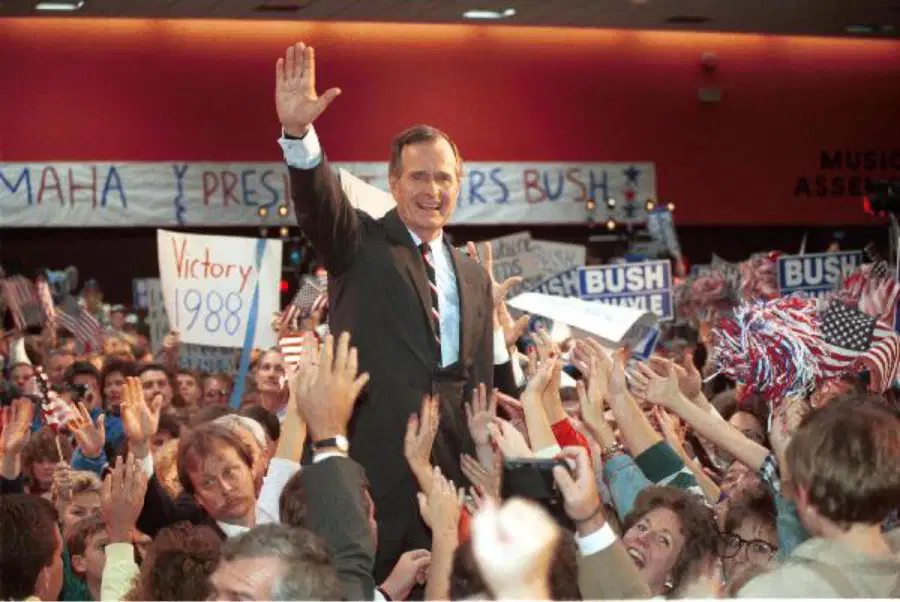
What campaign promise did George H.W. Bush break that hurt his popularity?
“Read my lips: no new taxes”
“A chicken in every pot”
“Build back better”
“No child left behind”
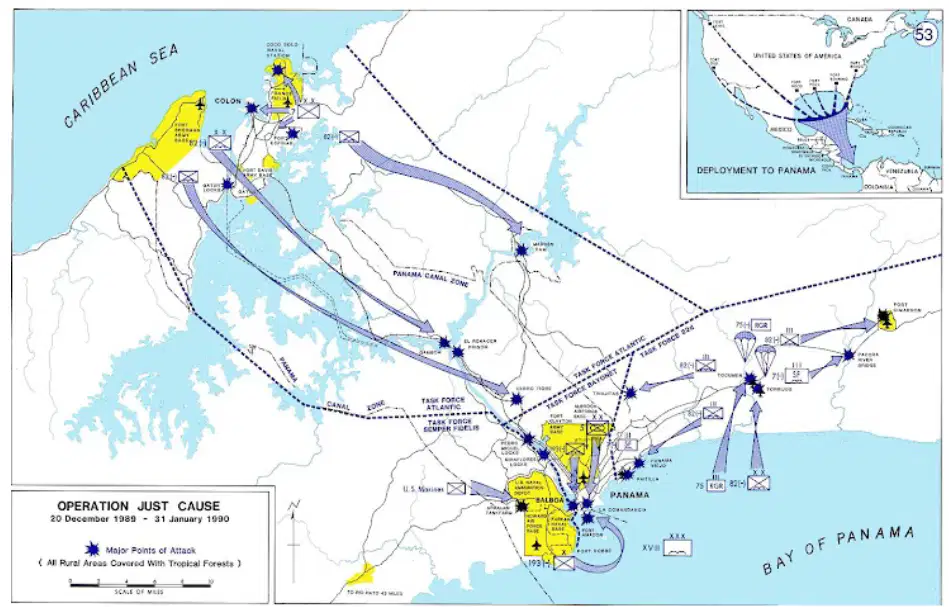
What military operation removed Manuel Noriega from power in Panama?
Operation Just Cause
Operation Rolling Thunder
Operation Desert Shield
Operation Restore Democracy
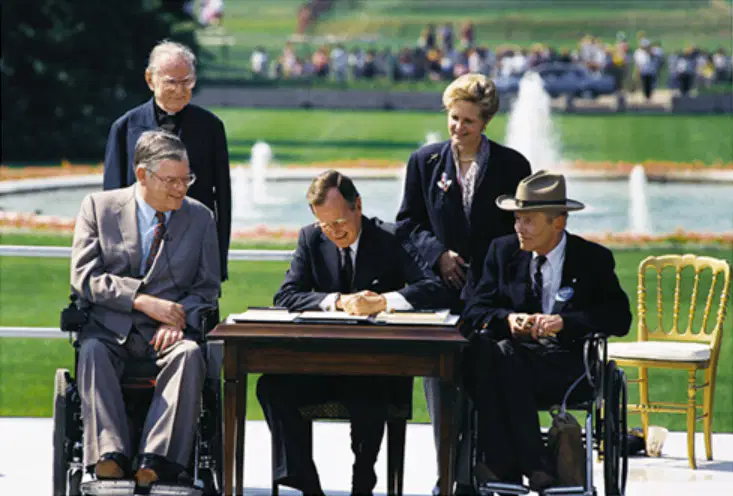
What was a major domestic achievement of the Bush administration for disability rights?
Americans with Disabilities Act (ADA)
Civil Rights Act of 1990
Equal Pay Act
Voting Rights Reauthorization
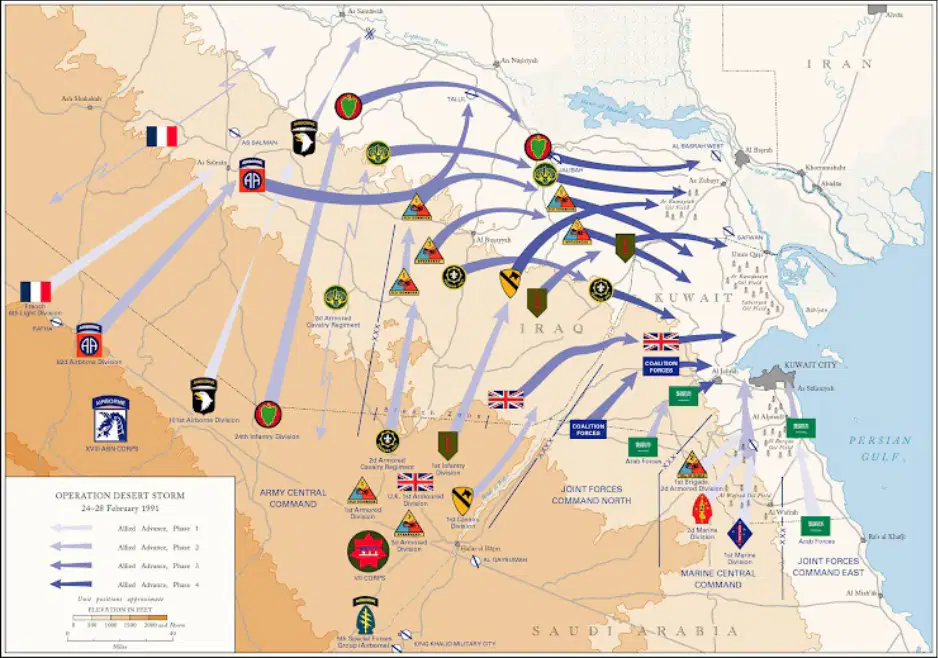
What was the goal of Operation Desert Storm in 1991? Mark only one oval.
Drive Iraqi forces out of Kuwait
Remove Saddam Hussein from power
Liberate Afghanistan from Taliban rule
Launch airstrikes against North Korea
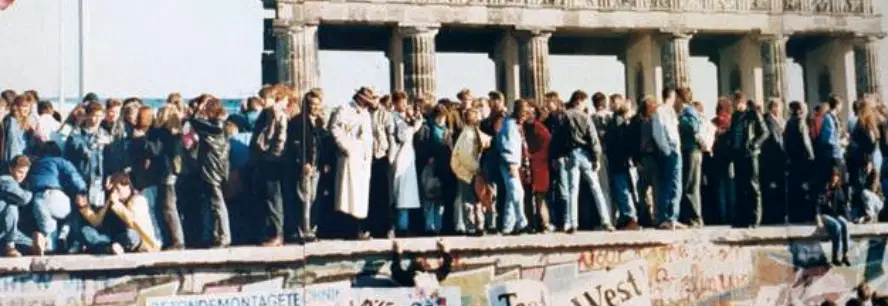
What global event signaled the end of the Cold War during Bush’s presidency?
Collapse of the Soviet Union
Fall of North Korea
Cuban Missile Crisis
U.S. withdrawal from Vietnam
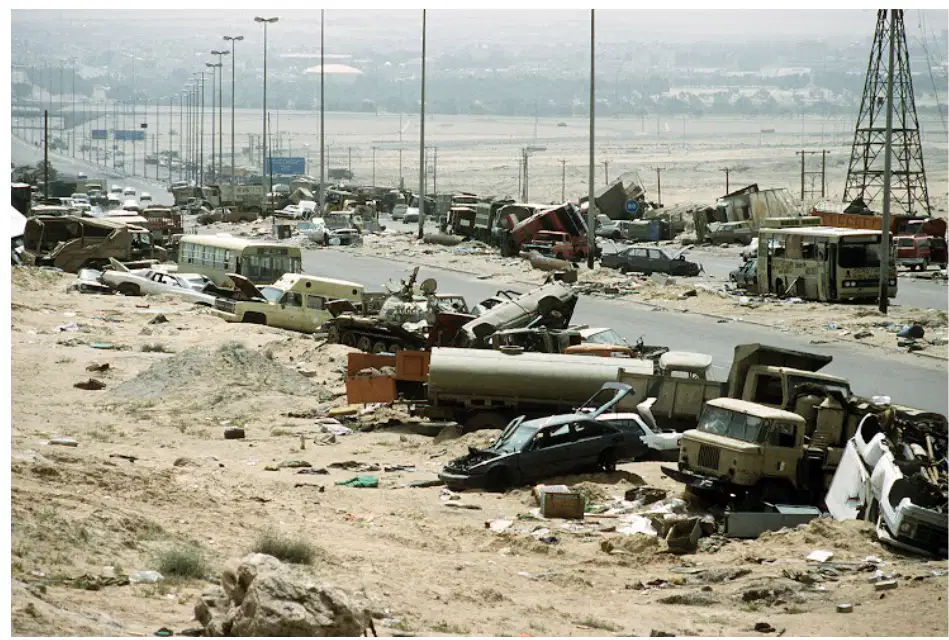
What was a criticism of Bush’s decision during the Gulf War?
He stopped short of removing Saddam Hussein
He refused to use military force at all
He canceled support for NATO
He provided too much aid to Iran
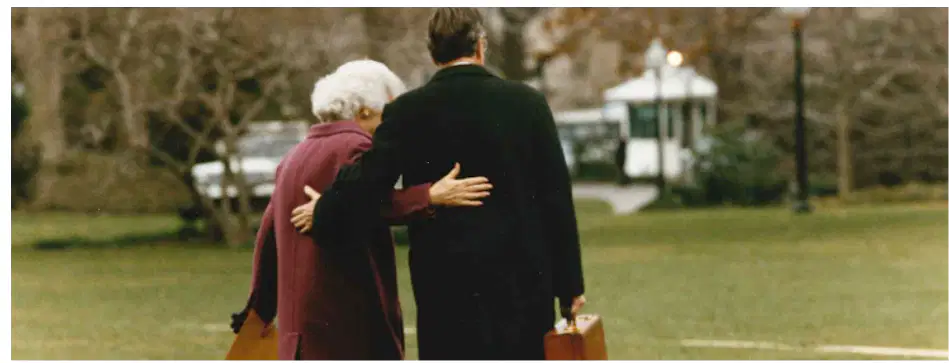
How did Bush try to make the U.S. a “kinder, gentler” nation?
By signing civil rights and public health legislation
By reducing government involvement in public education
By cutting taxes for the top income brackets
By ending Medicare and Medicaid
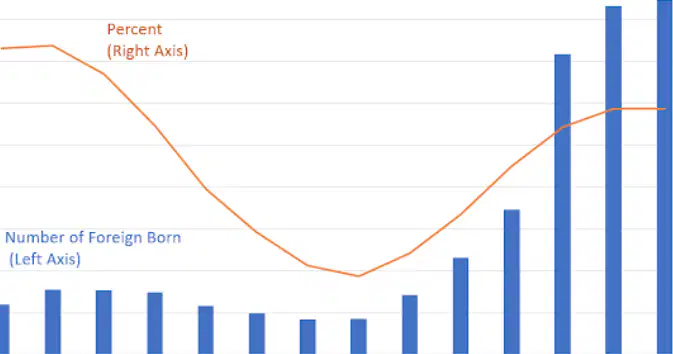
What law signed by Bush expanded immigration quotas and visa categories?
Immigration Act of 1990
DREAM Act
Chinese Exclusion Act
Patriot Act
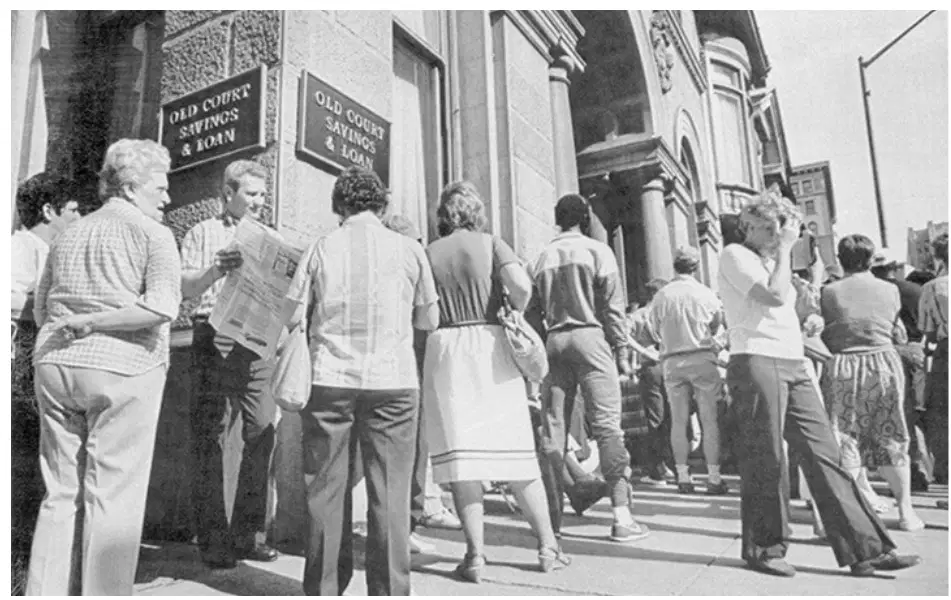
What contributed to Bush’s declining popularity in 1992?
Economic recession and broken tax pledge
Complete withdrawal from the Gulf War
Declaring martial law during the Rodney King riots
Eliminating environmental protections
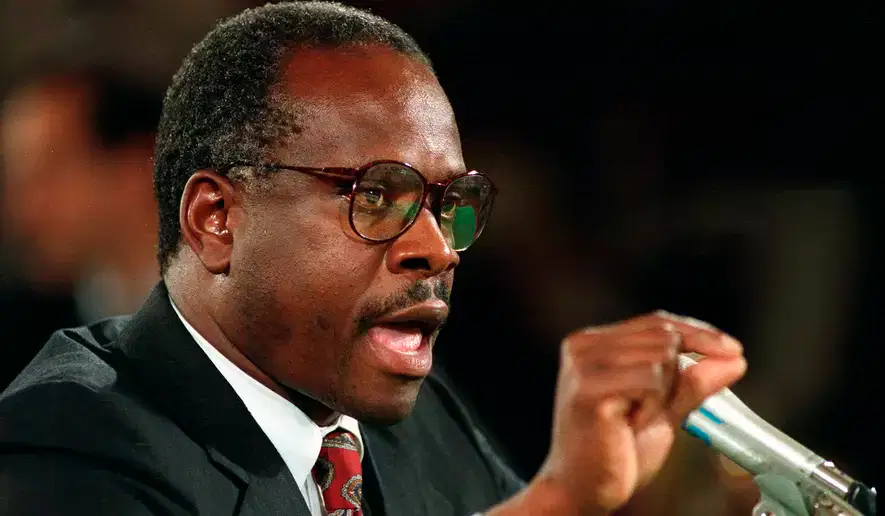
How did the Senate confirmation hearings for Clarence Thomas reflect political and social tensions of the early 1990s?
The hearings exposed deep divisions over race, gender, and judicial philosophy in American politics.
The hearings demonstrated bipartisan support for liberal judges and civil rights protections.
The hearings unified conservatives and liberals around a shared belief in expanding the Court.
The hearings led directly to the resignation of multiple senators for ethics violations.
Read the following
Excerpt A – Anita Hill, Senate Testimony, 1991
“It would have been more comfortable to remain silent. I took a risk, and my hope is that by doing so, I have helped to ensure that the next generation of women in the workplace will not experience the same humiliation, the same degradation, that I did.”
Excerpt B – Clarence Thomas, Senate Testimony, 1991
“This is a circus. It’s a national disgrace. And from my standpoint, as a Black American, it is a high-tech lynching for uppity Blacks who in any way deign to think for themselves, to do for themselves... unless you kowtow to an old order, this is what will happen to you.”
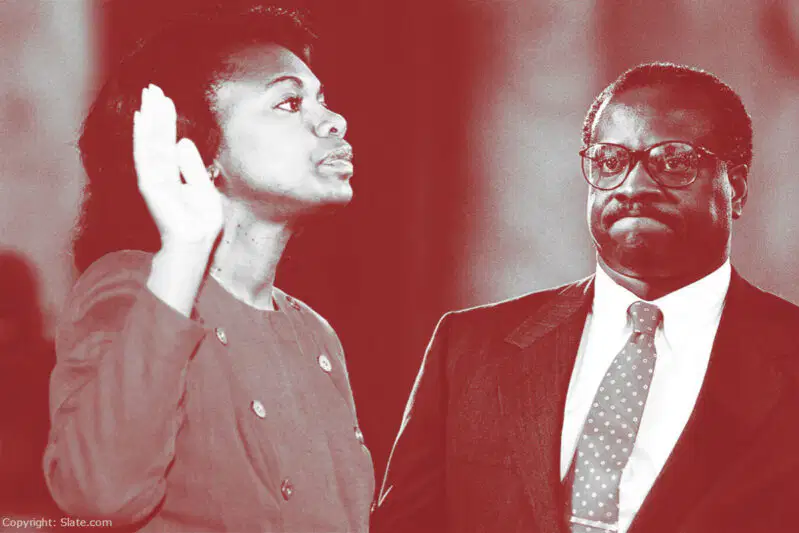
What is the primary message Thomas is trying to convey in this excerpt?
He believed the confirmation process targeted him because of his race and political independence.
He accepted the Senate’s decision and wanted to move forward in unity.
He called for increased federal funding for civil rights education and awareness.
He admitted to the accusations but criticized the media’s involvement.
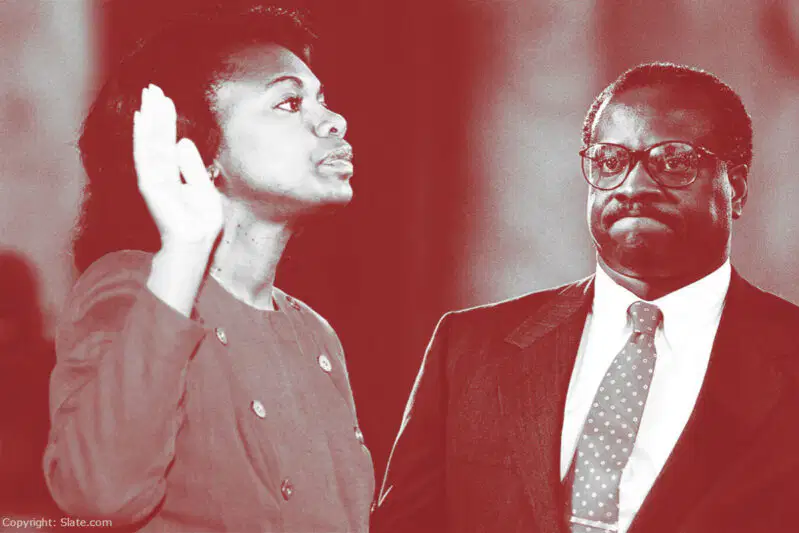
How did these hearings influence American political culture in the years that followed?
They increased public attention to workplace harassment and diversity in government.
They led to the resignation of several Supreme Court justices within a year.
They resulted in major reductions in voter turnout and civic participation.
They ended televised political hearings to reduce public controversy.
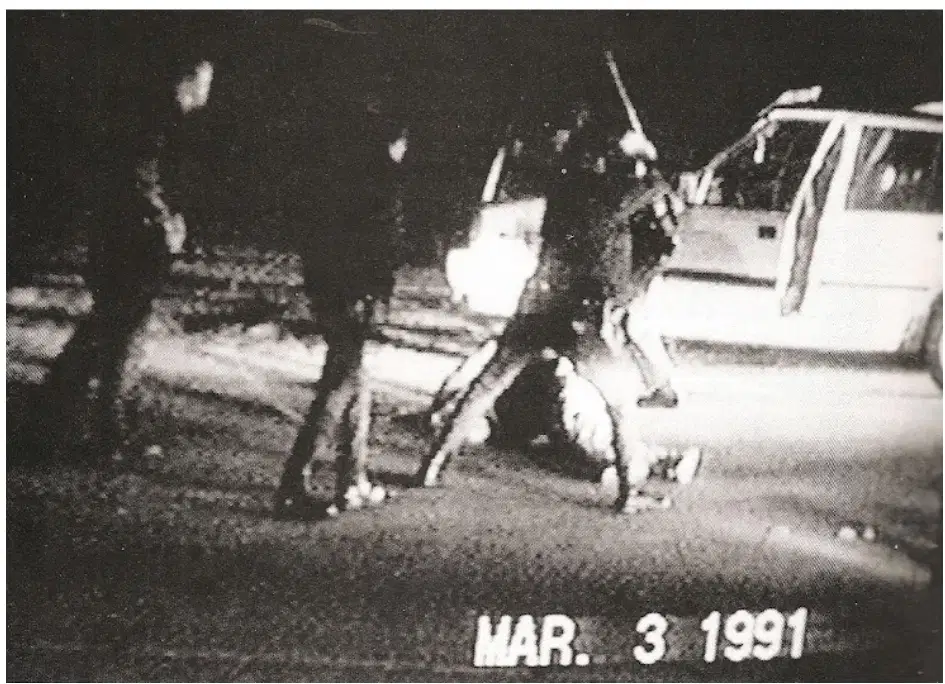
What incident in Los Angeles led to national unrest and damaged Bush’s public image?
Rodney King beating and 1992 LA riots
Watergate Scandal
Kent State shooting
Challenger disaster
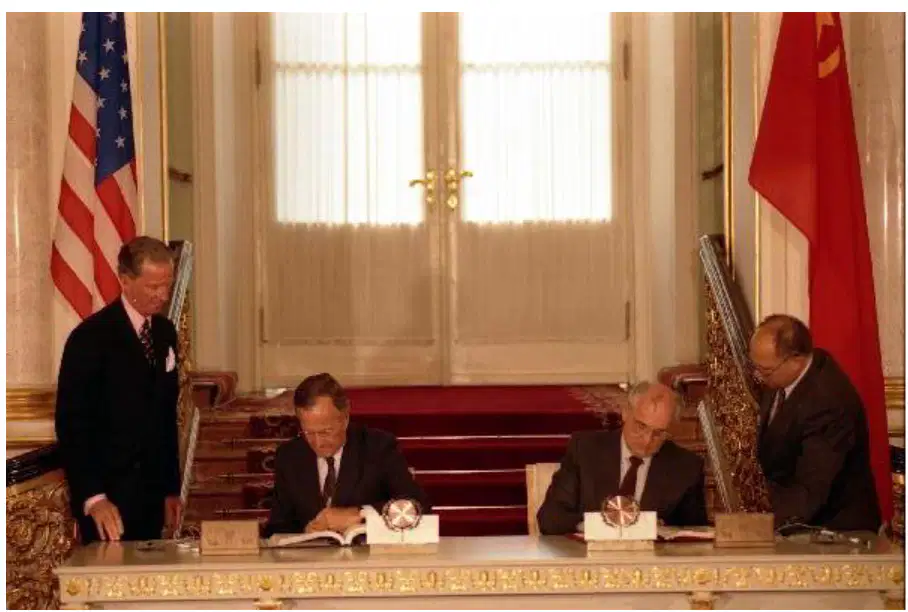
What was the purpose of the START treaties signed during Bush’s presidency?
To reduce the number of nuclear weapons held by the U.S. and the USSR
To establish open immigration policies between Cold War nations
To create a shared space program with Russia and China
To eliminate oil tariffs between the U.S. and Middle Eastern nations
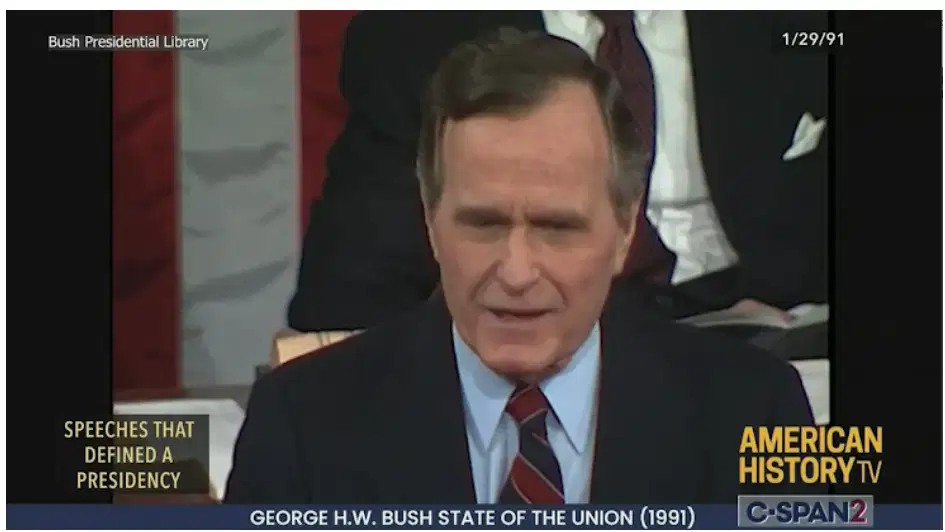
What did President Bush mean by the phrase “New World Order”?
A) A cooperative international system led by the U.S. and allies after the Cold War
B) A global government that would replace national sovereignty
C) A policy of complete U.S. withdrawal from foreign alliances
D) A rejection of all United Nations partnerships and treaties
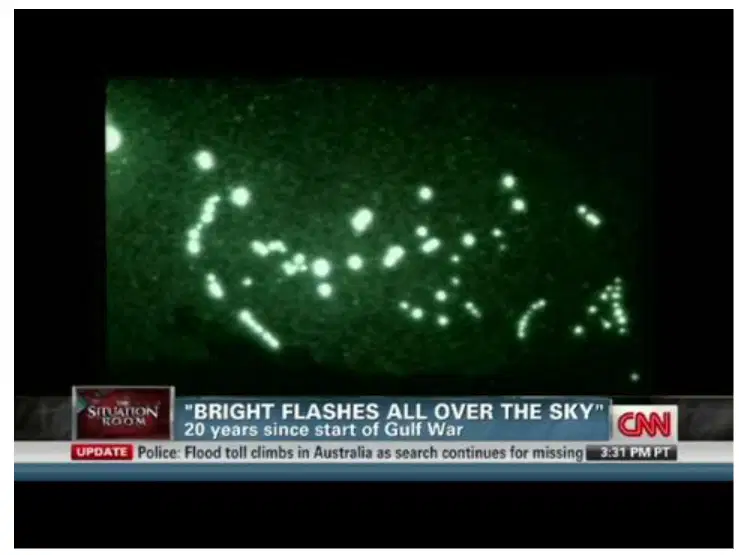
What made the Gulf War unique in terms of media coverage?
It was the first war broadcast live with satellite video and night-vision footage
It was completely hidden from the public due to Cold War secrecy laws
The media was banned from reporting any information until after the war
It was the last war covered in print newspapers only
Read the following
"In this present crisis, government is not the solution to our problem. Government is the problem."
—Ronald Reagan, Inaugural Address, 1981
"A hundred generations have searched for this elusive path to peace... Today that new world is struggling to be born."
—George H.W. Bush, State of the Union, 1991

Which statement best describes the change in presidential priorities shown in these excerpts?
Reagan focused on limiting the federal government, while Bush emphasized international leadership.
Reagan promoted Cold War military expansion, while Bush dismantled the U.S. military after the USSR collapsed.
Reagan expanded civil rights protections, while Bush reversed course with aggressive domestic policies.
Reagan embraced liberal economic reforms, while Bush introduced large-scale social welfare programs.
How did the Persian Gulf War represent a shift in U.S. foreign policy following the Cold War?
It marked the use of a multinational coalition to enforce international law.
It ended U.S. involvement in Middle Eastern affairs permanently.
It led to the withdrawal of U.S. troops from NATO military operations.
It created a long-term peace treaty between Iraq and Saudi Arabia.
How did President George H. W. Bush's decision to raise taxes affect his support from conservatives in the 1992 election?
Many conservatives saw the move as a betrayal of Reagan-era ideals and withdrew their support.
Conservative voters supported Bush more strongly, believing the tax increase was necessary.
His decision to raise taxes resulted in overwhelming support from both political parties.
Republicans rallied behind Bush to prevent further budget negotiations with Democrats.
How did George H.W. Bush’s approach to the national debt differ from Ronald Reagan’s during their presidencies?
Bush raised taxes to reduce the deficit, while Reagan increased military spending and accepted rising debt.
Bush eliminated entitlement programs, while Reagan expanded welfare to cut the deficit.
Bush expanded the national debt by cutting taxes further, while Reagan prioritized balancing the budget.
Bush avoided addressing the national debt, while Reagan focused on paying it off through spending cuts.
Read the following
Excerpt A – President George H.W. Bush, 1992:
"What we saw last night and the night before in Los Angeles is not about civil rights. It’s not about the great cause of equality that all Americans must uphold. It’s been the brutality of a mob, pure and simple."
Excerpt B – Candidate Bill Clinton, 1992:
"I don’t think we can have a discussion about law and order until we first address the deep pain and inequality that many Americans live with every day. We must confront the causes of despair and rebuild trust."
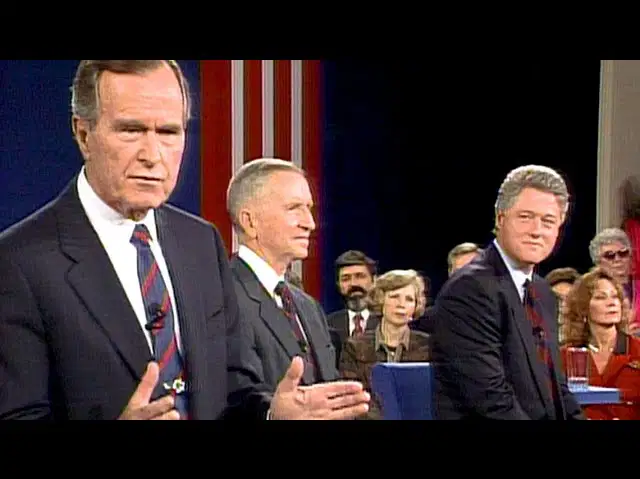
Based on the excerpts, what key difference in political appeal is reflected between Bush and Clinton during the 1992 election?
Clinton emphasized empathy and social justice, while Bush focused on law and order and condemning violence.
Clinton called for military action, while Bush asked for more civil rights legislation.
Clinton blamed the riots on conservative leaders, while Bush blamed them on economic inequality.
Clinton ignored the issue entirely, while Bush addressed the problem through urban housing reforms.

