
 Worksheets
Ch 13 Review
Total questions: 40
Worksheet time: 20mins
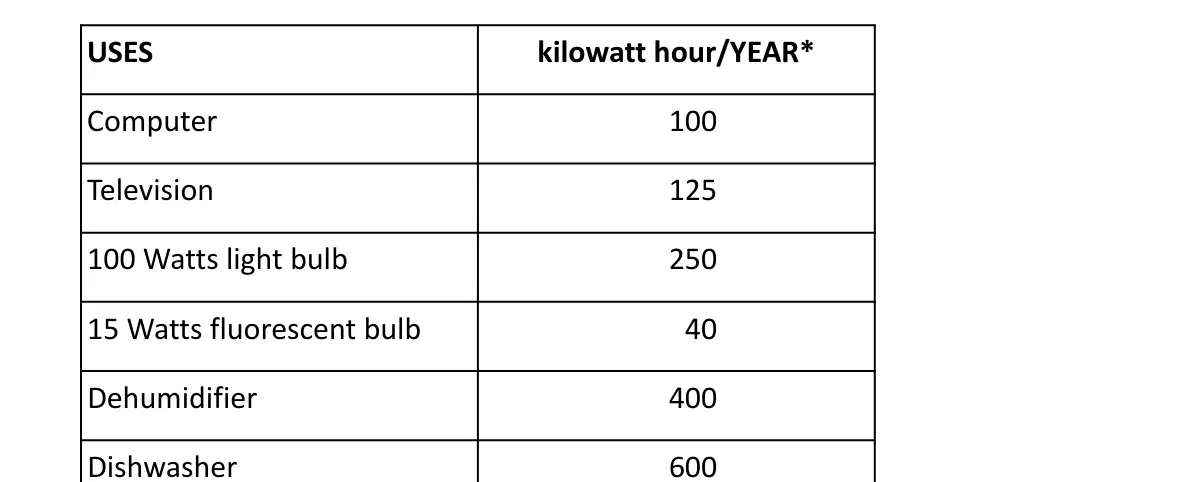
How much energy does a 100 Watts light bulb use per year according to the table?
100 kWh
250 kWh
400 kWh
600 kWh
What is one watt equivalent to?
One joule per minute
One joule per second
One joule per hour
One joule per day

What is the primary purpose of the graphs?
To show historical temperature changes
To compare predictions with actual installations
To display economic growth
To illustrate population growth
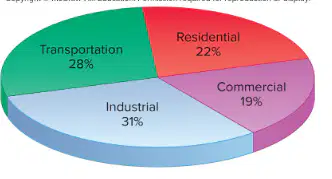
If the industrial sector's energy consumption decreased by 5%, what would be the new percentage?
26%
31%
28%
22%
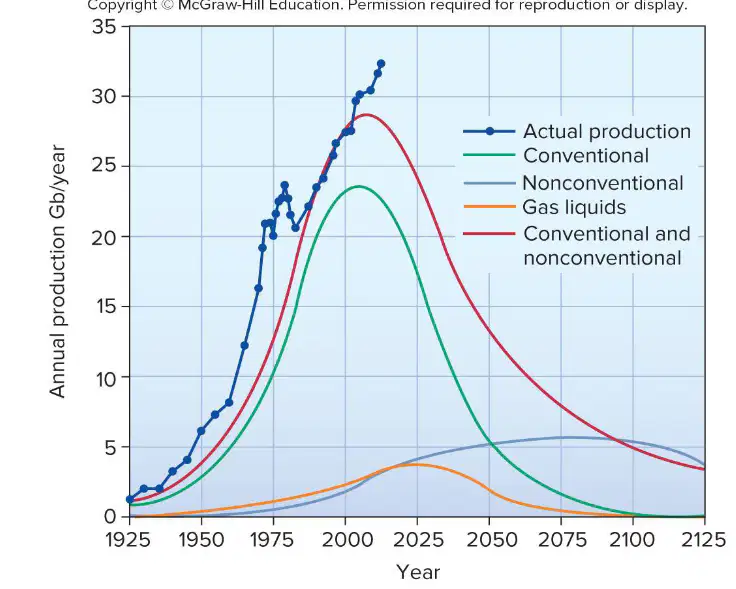
What does the graph in the image primarily depict?
Annual oil production by year
Global temperature changes
Population growth over time
Renewable energy usage
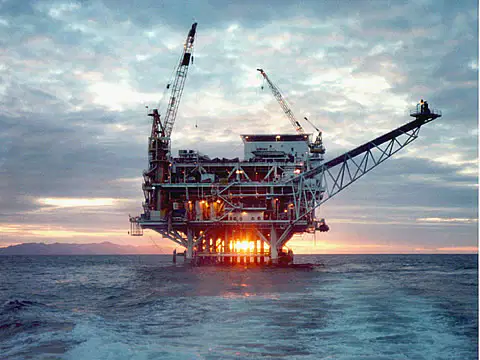
Which U.S. regions are mentioned as having potential for new oil discoveries?
Gulf of Mexico, Great Lakes, Rocky Mountains
Continental shelf on the coast of California, Arctic Ocean, Grand Banks
Appalachian Mountains, Mississippi River, Great Plains
Florida Keys, Hudson River, Sierra Nevada
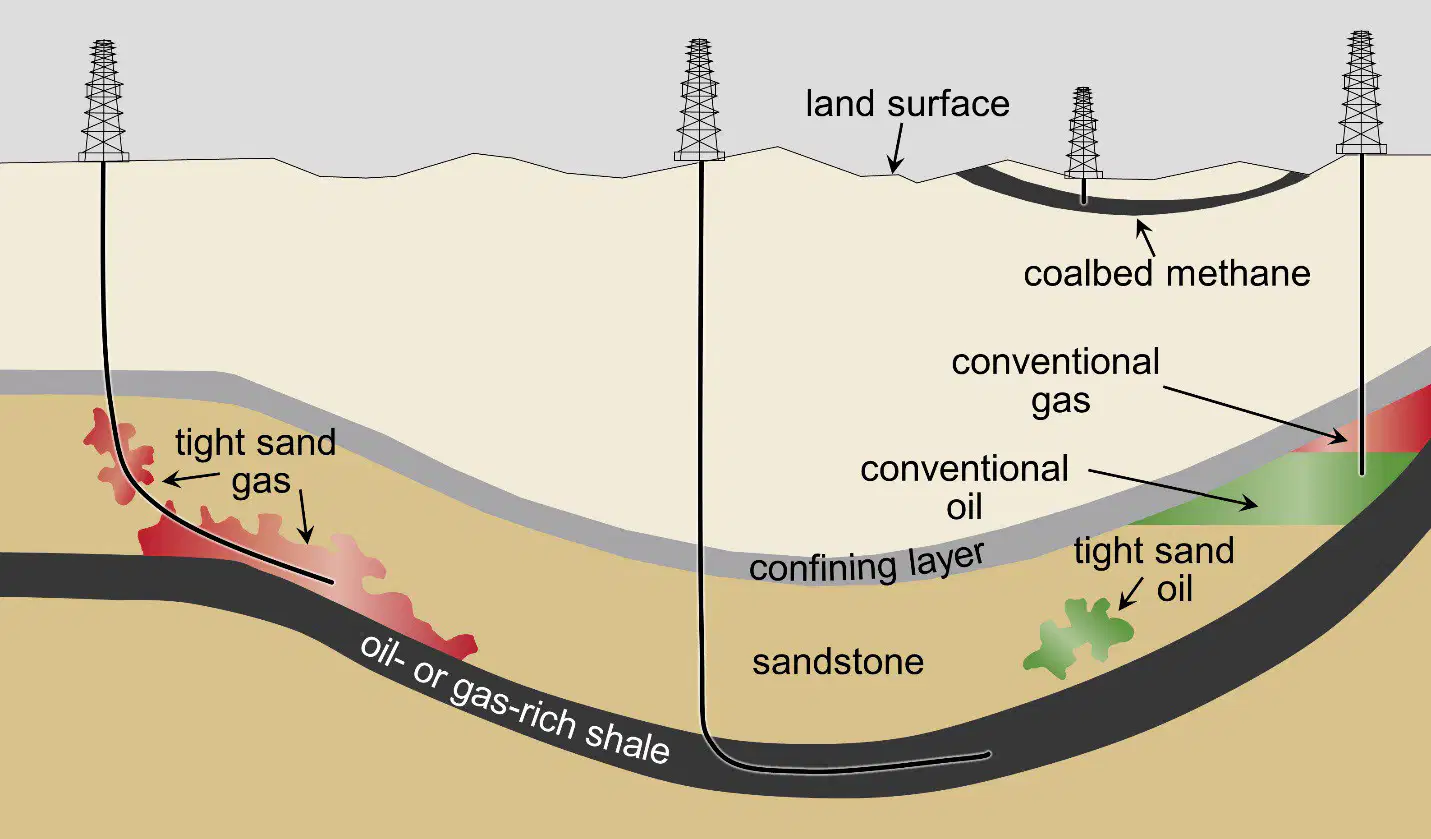
What is the main component of oil shales?
Bitumen
Kerogen
Crude oil
Natural gas
What is the estimated total of ultimately recoverable natural gas resources in the world?
5,000 trillion feet³
15,000 trillion feet³
10,000 trillion feet³
20,000 trillion feet³
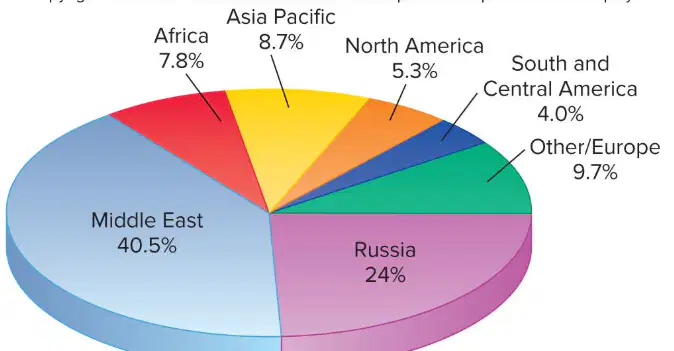
Which two regions together account for more than 50% of the world's proven natural gas reserves?
Middle East and Russia
North America and Africa
Asia Pacific and Other/Europe
South and Central America and North America
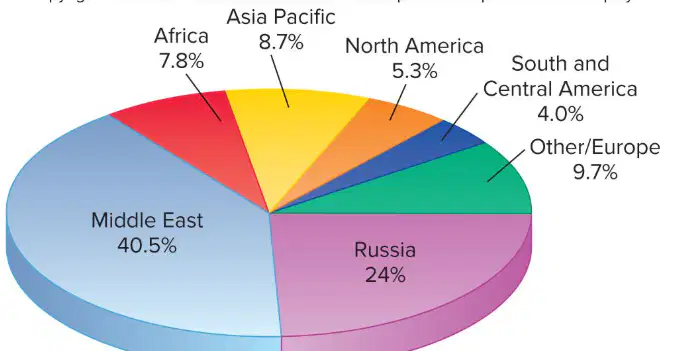
If you combine the proven natural gas reserves of South and Central America and North America, what is the total percentage?
9.3%
8.0%
10.3%
11.3%

Why is hydraulic fracturing necessary for extracting gas from tight formations?
Gas flows easily from tight formations
Gas does not flow easily from tight formations
It is the cheapest method available
It is the only method that does not use chemicals

In what year did President Dwight Eisenhower present his "Atoms for Peace" speech to the United Nations?
1945
1953
1960
1972

What is the role of neutrons in the nuclear fission process?
They stabilize the reaction.
They initiate the fission process.
They absorb energy.
They convert into protons.

What role do control rods play in a nuclear reactor?
They generate electricity
They absorb neutrons to control the fission reaction
They convert water into steam
They transfer heat to the secondary loop

What is the function of the turbine in a nuclear power plant?
To generate steam
To convert mechanical energy into electrical energy
To absorb neutrons
To cool the reactor core

What processes contribute to the production of radioactive waste in nuclear power?
Solar panel manufacturing
Wind turbine operation
Mining, fuel production, and reactor operation
Hydroelectric dam construction
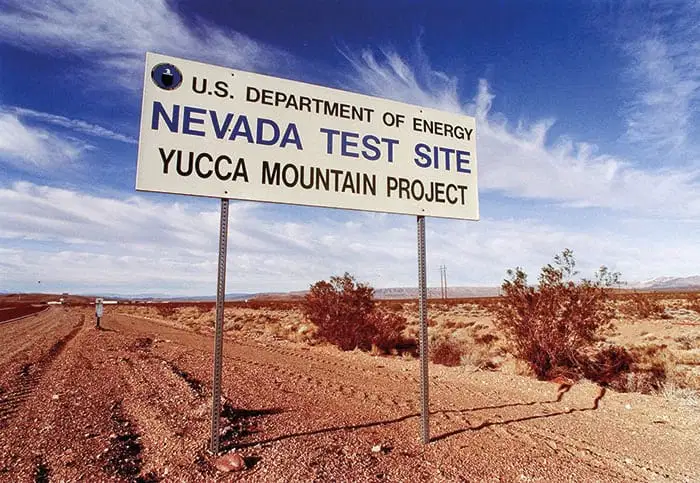
In what year did the U.S. Department of Energy announce plans to build a high-level waste repository under Yucca Mountain, Nevada?
1987
1995
2000
2010
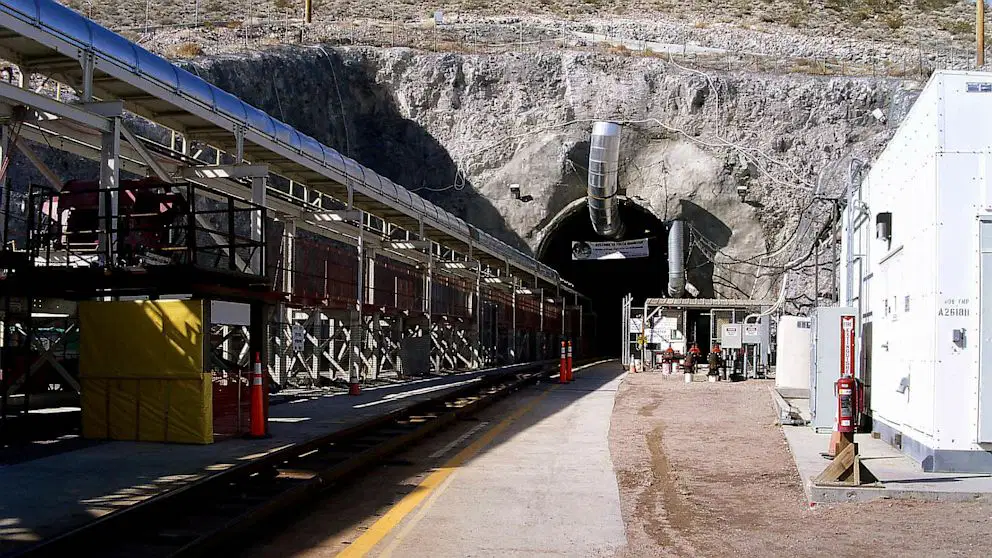
How many years of research and development were conducted before the funding for the Yucca Mountain project was cut off?
10 years
15 years
20 years
25 years

Who was the U.S. President that cut off funding for the Yucca Mountain project in 2009?
George W. Bush
Bill Clinton
Barack Obama
Donald Trump

What was the primary use of falling water in early American settlements?
Generating electricity
Driving gristmills and sawmills
Irrigating crops
Heating homes

What type of vehicles are highlighted as being high-efficiency in the text?
Diesel trucks
Hybrid gas-electric vehicles
Electric scooters
Gasoline cars
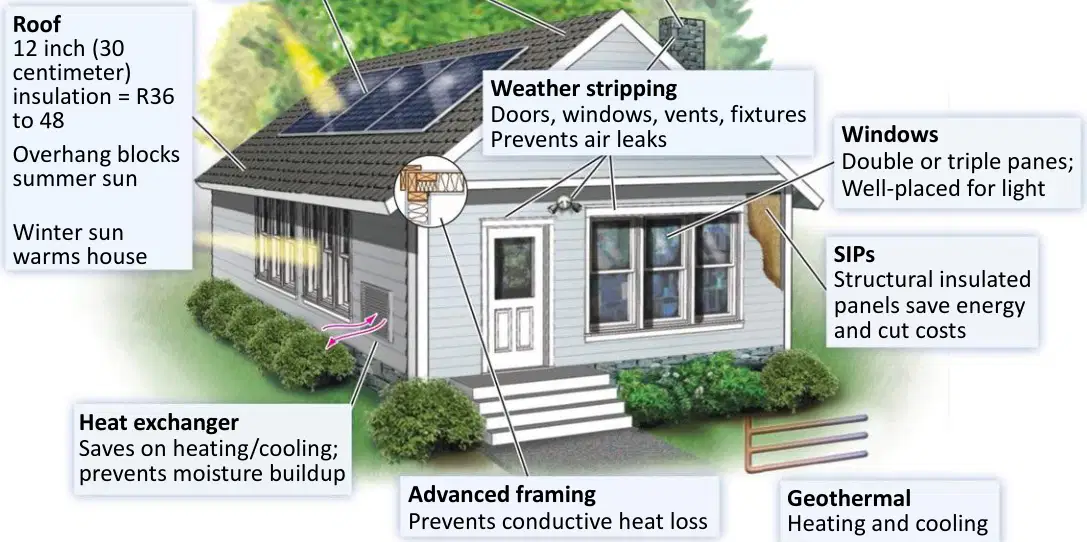
What is the function of a heat exchanger in passive housing?
To increase moisture buildup
To save on heating/cooling and prevent moisture buildup
To enhance air leaks
To reduce insulation

What is the benefit of having well-positioned windows in passive housing?
To block noise
To let in daylight
To increase privacy
To reduce costs

What is the approximate number of jobs provided by wind energy per TW-hr per year?
100
200
300
500

What are Iceland's plans regarding carbon neutrality?
To become the first carbon-neutral country
To reduce carbon emissions by 50%
To eliminate all fossil fuel usage
To increase coal production
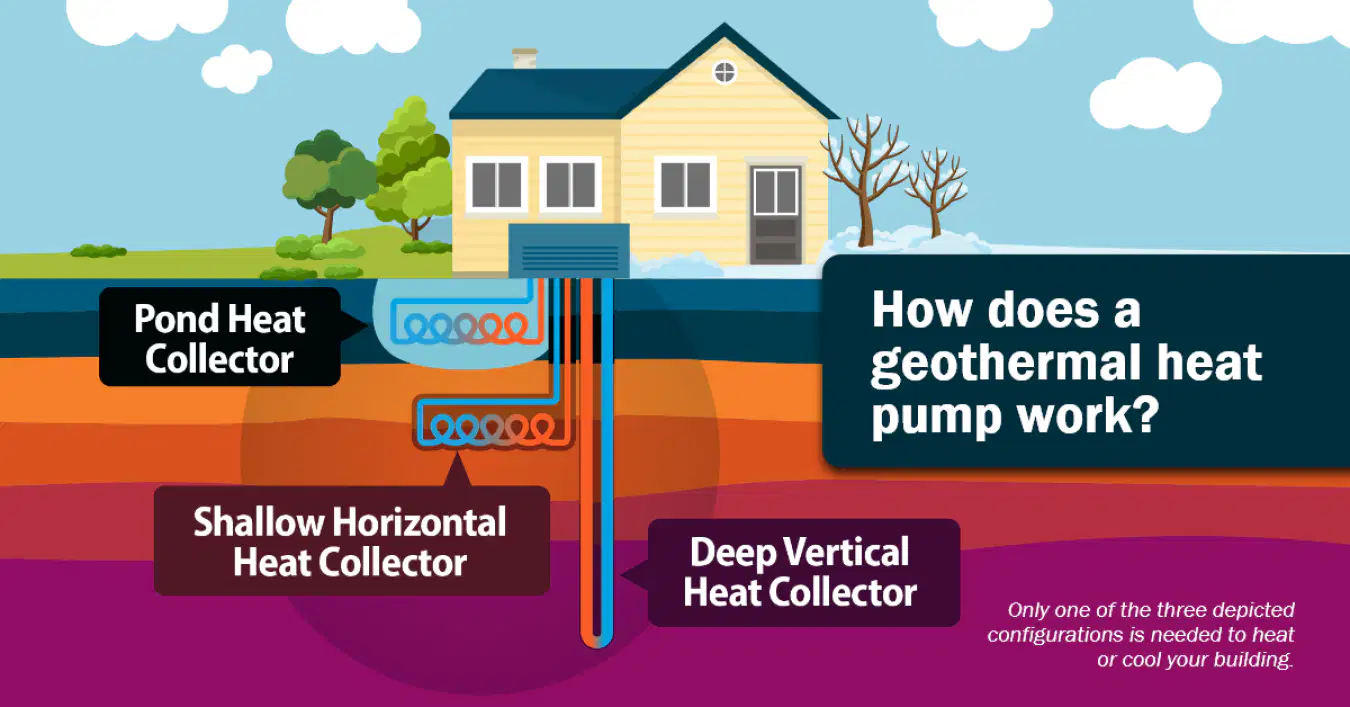
How do geothermal heat pumps exchange temperatures with the soil?
By using solar panels.
By using wind turbines.
By pumping fluids through deeply buried pipes.
By burning fossil fuels.

Why are geothermal heat pumps considered efficient?
They require a lot of energy to operate.
They use the Earth's natural warmth.
They are only effective in warm climates.
They rely on fossil fuels.

What are some key components involved in transitioning to new energy systems?
Rethinking policy, energy use practices, and technology
Increasing fossil fuel consumption
Ignoring technological advancements
Reducing renewable energy sources
How does transitioning to new energy systems help with climate change?
It helps avoid extreme climate change
It increases greenhouse gas emissions
It has no impact on climate change
It worsens climate conditions
Which of the following is NOT a benefit of transitioning to new energy systems?
Cleaner air
Cost savings
Increased fossil fuel dependency
Avoidance of extreme climate change

What is an alternative to storing and transporting energy according to the text?
Using solar panels
Generating energy locally, on demand
Importing energy from other countries
Using wind turbines
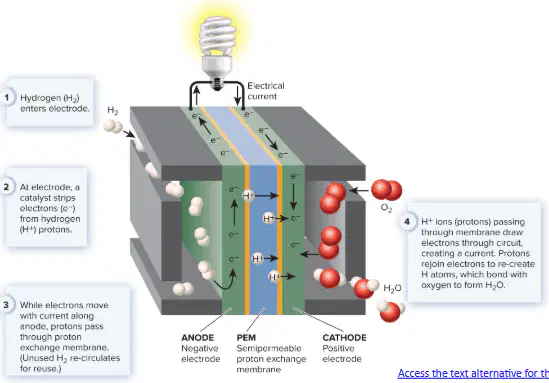
What is the first step in the operation of a fuel cell?
Oxygen enters the electrode.
Hydrogen enters the electrode.
Electrons are stripped from oxygen.
Protons pass through the membrane.
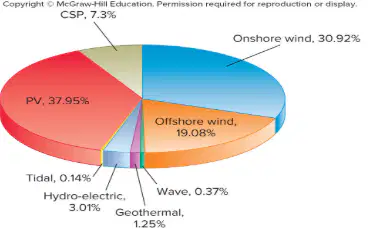
What is the projected percentage contribution of wave energy to the renewable energy scenario for 2050?
0.37%
1.25%
0.14%
3.01%

Which renewable energy source is projected to contribute 1.25% to the energy scenario for 2050?
Geothermal
Tidal
Wave
CSP
Mark Jacobson and Mark Delucchi are researchers mentioned in the text that believe we can get all our electricity from __________ sources?
renewable
nonrenewable
fossil fuels
nuclear
According to the text, by what year do the researchers believe renewable technologies could supply 100% of the world’s energy?
2025
2030
2040
2050
Why is natural gas considered cleaner than coal?
It is more abundant.
It does not release any gases.
It releases less pollution.
It is extracted without any environmental impact.

What is a benefit of nuclear power mentioned in the text?
It is abundant.
It does not create CO2 while operating.
It is a renewable energy source.
It releases methane.

What is a problem associated with nuclear power despite its benefits?
It is being depleted.
It causes environmental damage.
Storage of waste is a problem.
It releases CO2 while operating.
What advancements are making it possible to rely entirely on clean energy technologies?
Innovations in fossil fuels.
Innovations in nuclear power.
Innovations in solar, wind, and wave power.
Innovations in fracking.

