
NEW
Font size
 Worksheets
French Revolution Regents Review
Total questions: 23
Worksheet time: 12mins
What was a major cause of the French Revolution?
The overwhelming success of the French economy
The influence of the Enlightenment ideas
The desire of the French people to adopt the British monarchy system
The lack of interest in colonial expansion
Who was the King of France at the start of the French Revolution?
Louis XIV
Napoleon Bonaparte
Louis XVI
Charles X
What was the Reign of Terror?
A peaceful period during which the French Revolution's ideals spread throughout Europe
A festival celebrating the French Revolution
A period of extreme violence and political purges
The name of a famous battle during the French Revolution
Which of the following best describes Napoleon Bonaparte's role in the French Revolution?
He was a radical Jacobin leader
He led the royalist forces against the revolutionaries
He rose to power during the latter stages of the Revolution and crowned himself Emperor
He was a British spy working to undermine the Revolution
What was one impact of the French Revolution on France?
The restoration of the absolute monarchy
The establishment of a permanent republican government
The abolition of the feudal system and privileges of the nobility and clergy
The division of France into British-controlled zones
What is considered a legacy of the French Revolution?
The unification of all European countries under French rule
The spread of democratic ideals and the inspiration for other revolutions
The end of all monarchies in Europe
The permanent division of France and Germany
Which group was directly targeted during the Reign of Terror?
Foreign invaders only
Members of the French nobility and clergy, as well as perceived enemies of the revolution
Only the members of the royal family
Common criminals and thieves
What role did the Estates-General play in the French Revolution?
It was a revolutionary council that governed France during the Reign of Terror
It was a legislative body that represented the three estates of the realm: the clergy, the nobility, and the commoners
It was a military assembly that planned France's defense strategies
It was a group of financial advisors to the king
Which document declared the rights of men and citizens in revolutionary France?
The Magna Carta
The Declaration of Independence
The Declaration of the Rights of Man and of the Citizen
The Treaty of Versailles
What was the main goal of the Committee of Public Safety?
To negotiate peace with European monarchies
To oversee the education system in France
To protect the Revolution from its enemies and oversee the government during the Reign of Terror
To manage France's colonies
How did the French Revolution affect the church?
The church's power and influence increased significantly
The church was separated from the state, and its lands were confiscated
The church became the sole educator in France
The church was granted the authority to govern France
What was the outcome of Napoleon's invasion of Russia?
A decisive French victory that expanded the empire into Asia
A stalemate that led to a negotiated peace
A catastrophic loss for the French due to the harsh winter and scorched earth tactics
The establishment of a French-Russian alliance
Which financial crisis contributed to the French Revolution?
The cost of bread skyrocketed due to a wheat shortage
The discovery of gold in the Americas devalued French currency
The government's heavy investment in overseas colonies
The massive debt from involvement in the American Revolution
Who was Maximilien Robespierre?
A moderate revolutionary who sought compromise with the monarchy
A leading figure in the Reign of Terror who was eventually executed
The commander of the royalist forces against the revolutionaries
Napoleon's chief military advisor
What was the significance of the Storming of the Bastille?
It marked the beginning of the French Revolution
It was the final battle that ended the French Revolution
It was a peaceful protest against the king's policies
It was a celebration in honor of King Louis XVI
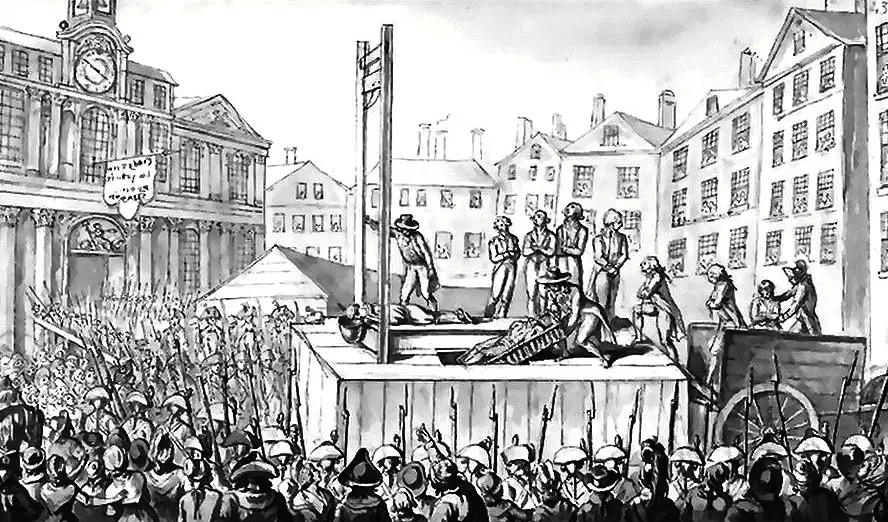
During the Reign of Terror (1793-1794) in the French Revolution, which committee played a central role in implementing radical measures and conducting mass executions?
Committee of Public Safety
Committee of National Unity
Committee for Constitutional Reforms
Committee of Royal Restoration
Which event marked the end of the French Revolution?
The signing of the Treaty of Paris
The execution of Louis XVI
The fall of the Bastille
The rise of Napoleon Bonaparte to power
What was the main reason for the financial crisis that led to the French Revolution?
Excessive spending by the monarchy
Losses in foreign wars
Failure of crops and famine
All of the above
Which of the following was a significant reform made during the French Revolution?
Introduction of the metric system
Abolition of slavery
Establishment of universal male suffrage
All of the above
Which of the following best describes the role of the Guillotine during the French Revolution?
A symbol of peace and reconciliation
A tool for executing trades and agreements
A method of execution associated with the Reign of Terror
An invention for medical purposes
What was the impact of the Napoleonic Wars on Europe?
It led to the immediate unification of all European countries
It resulted in the establishment of democratic governments across Europe
It caused widespread destruction and led to significant political changes in many countries
It had no significant impact outside of France
Which Enlightenment philosopher is best known for advocating the separation of powers in government to prevent tyranny and promote individual liberties?
John Locke
Jean-Jacques Rousseau
Montesquieu
Voltaire
Which Enlightenment thinker argued for the natural rights of life, liberty, and property and influenced the ideas of the American Founding Fathers?
Voltaire
Jean-Jacques Rousseau
Thomas Hobbes
John Locke

