
 Worksheets
WEST 2026 Final Exam EXTRA CREDIT
Total questions: 95
Worksheet time: 48mins
Name
Class
Date
1.
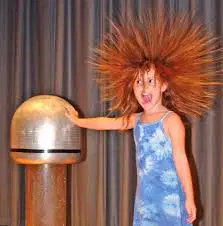
Static electricity is not a useful power source because:
a)
Electrons aren't transfered in bursts of static electricity.
b)
All energy is released at once.
c)
It is not a real form of electricity.
d)
It only occurs in lightning
2.

An electrical current...
a)
is a steady flow of electricity.
b)
is a short burst of electricity.
c)
is a wire along which electricity flows.
d)
is a power source that supplies electricity.
3.
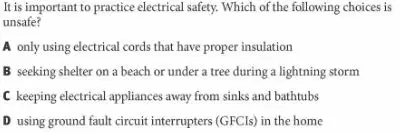
a)
A
b)
B
c)
C
d)
D
4.
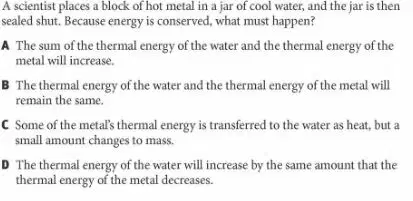
a)
A
b)
B
c)
C
d)
D
5.
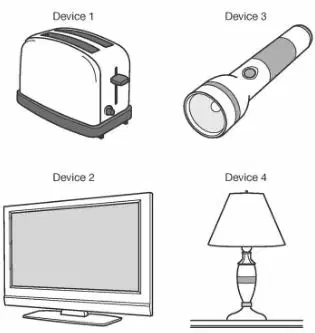
Which of the devices below run on direct current?
a)
Device 1
b)
Device 2
c)
Device 3
d)
Device 4
6.
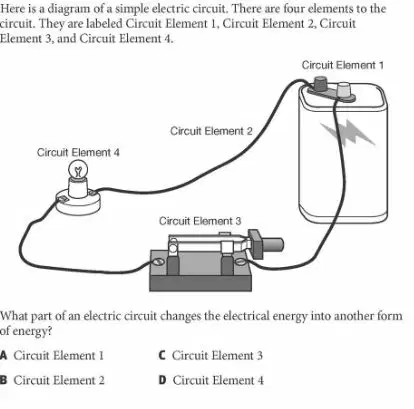
a)
A
b)
B
c)
C
d)
D
7.

Current is measured in units called:
a)
a. volts
b)
b. coulombs
c)
c. amperes
d)
d. ohms
8.
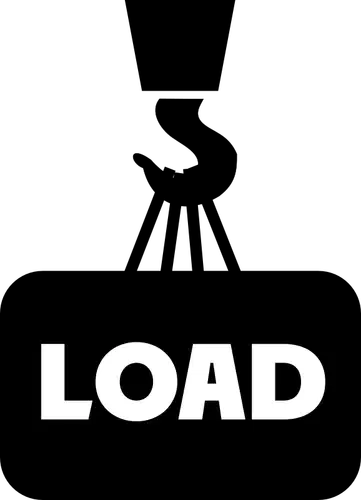
Which of the following is considered a “load” in a circuit?
a)
a. lamp
b)
b. motor
c)
c. speaker
d)
d. all are loads
9.
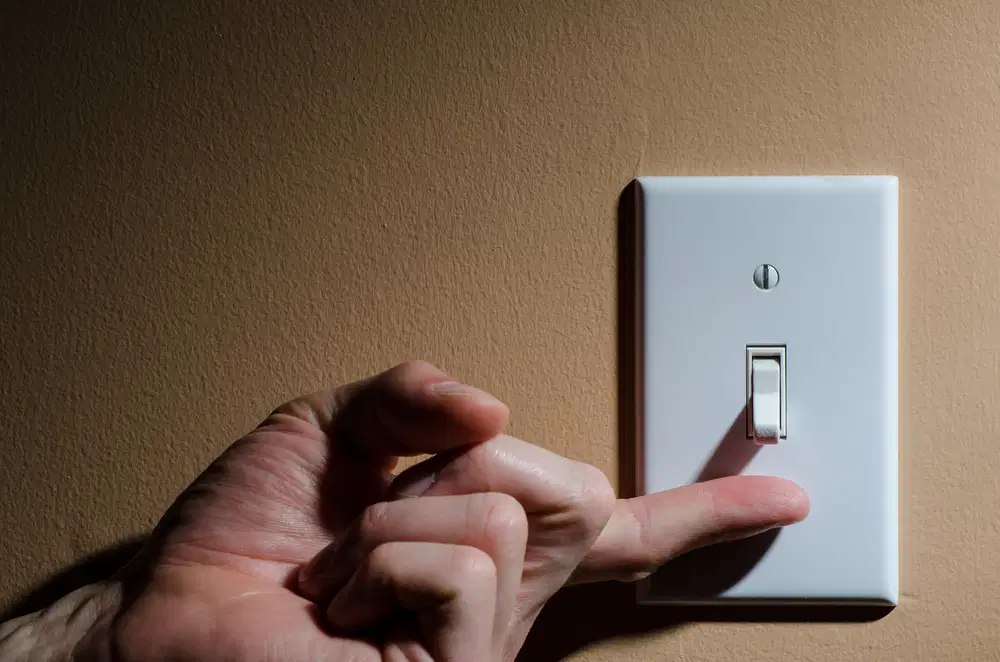
When you turn a switch “on”, you ______________ it.
a)
a. voltage
b)
b. pressurize
c)
c. close
d)
d. open
10.
Which of the following would all be connected in parallel?
a)
a. A lamp and a switch on the wall controlling it.
b)
b. The streetlamps in your neighborhood.
c)
c. A string of holiday lights that all go out if one is loose.
d)
d. None of these are connected in parallel.
11.

If there is more than one continuous path for the electrons to flow, that circuit is wired in:
a)
a. parallel circuit
b)
b. short circuit
c)
c. series circuit
d)
d. long circuit
12.

An object that is surrounded by a magnetic field and has the property of attracting steel is a(n):
a)
Electrical circuit
b)
Magnet
c)
Current
d)
Flux capacitor
13.

A circuit uses batteries to run a motor with a fan. How could you reduce the speed of the motor?
a)
a. Use more batteries to increase voltage
b)
b. Place a lamp in series with the motor to reduce voltage to it
c)
c. Remove the fan from the motor
d)
d. None of the above
14.
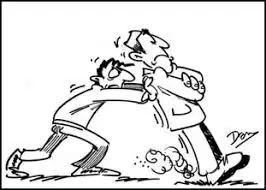
Resistance is:
a)
The movement of electricity on a wire.
b)
Closing a switch in a circuit.
c)
The opposition to the flow of current.
d)
The force (pressure) behind the flow of current
15.

Voltage is:
a)
The force (pressure) behind the flow of current
b)
The opposition to the flow of current.
c)
The movement of electricity on a wire.
d)
The flow of electric charge
e)
16.
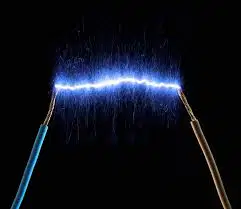
Current is:
a)
The force (pressure) behind the flow of current
b)
The opposition to the flow of current.
c)
The movement of electricity on a wire.
d)
The flow of electric charge
17.
Which has greater resistance?
a)
A hot 12 inch long wire with a diameter of .128 inches.
b)
A cold 12 inch long wire with a diameter of .128 inches.
18.

The diagram below demonstrates the following:
a)
Alternating current
b)
Temporary current
c)
Direct current
d)
Indirect current
19.

The diagram below demonstrates the following:
a)
Alternating current
b)
Temporary current
c)
Direct current
d)
Indirect current
20.

A circuit consists of following three parts:
a)
Source of electrons, a current and an outlet
b)
Source of electrons, pathway and a load device
c)
A pathway, wire and a source of electrons
d)
A load device, an outlet and a battery
21.

The following image represents a:
a)
Battery
b)
Light
c)
Wire
d)
Switch
22.

The following image represents a:
a)
Power source
b)
Light
c)
Wire
d)
Switch
23.

Where would you most likely find a GFCI (ground fault circuit interrupter) in your home?
a)
In the living room.
b)
In rhe dining room
c)
In the bathroom
d)
In the bedroom
24.

The following image represents a:
a)
Power source
b)
Light
c)
Wire
d)
Switch
25.
Which has a greater resistance?
a)
A one inch long thin wire
b)
A one inch long thick wire
26.

What type of circuit is shown below?
a)
Parallel
b)
Series
c)
Combination
d)
Typical
27.
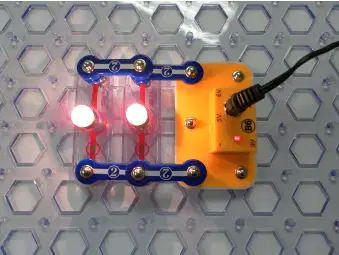
What type of circuit is shown below?
a)
Parallel
b)
Series
c)
Combination
d)
Typical
28.

What happens if the light closest to the power source is removed?
a)
The other light bulbs will get brighter
b)
There light bulbs in the rest of the circuit will not light
c)
Nothing will happen
d)
The far light bulb will be dimmer than the closer light bulb
29.
Which has greater resistance?
a)
A 12 inch long wire with a diameter of .128 inches.
b)
A 10 inch long wire with a diameter of .128 inches.
30.
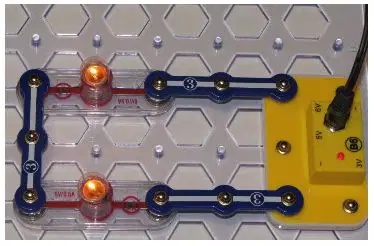
What happens if the light closest to the power source is removed?
a)
The other light bulb will get brighter
b)
The other light bulb will not light
c)
Nothing will happen
d)
The other light bulb will "pop"
31.
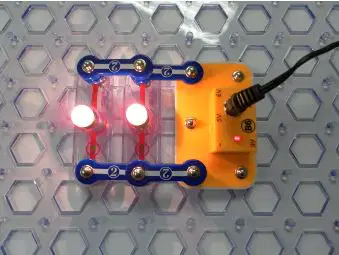
What happens if the light closest to the power source is removed?
a)
The other light bulb will get brighter
b)
The other light bulb will not light
c)
Nothing will happen
d)
The other light bulb will "pop"
32.
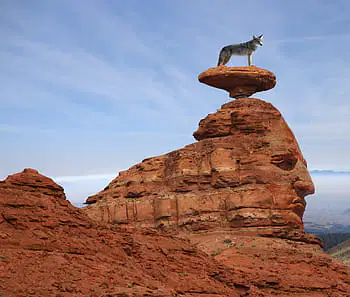
The energy that an object has because of the position, condition, or chemical composition of the object.
a)
Kinetic
b)
Potential
c)
Sound
d)
Electromagnetic/Light
33.
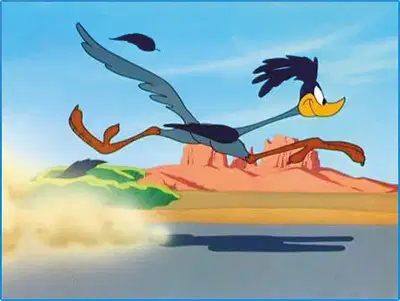
The energy of an object that is due to the object’s motion.
a)
Kinetic
b)
Potential
c)
Chemical
d)
Nuclear
34.

The sum of an object’s kinetic energy and potential energy.
a)
Nuclear
b)
Thermal/Heat
c)
Mechanical
d)
Sound
35.
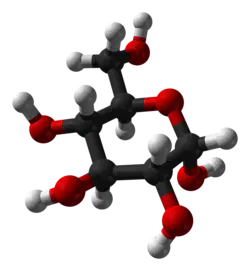
The energy stored in chemical bonds that hold chemical compounds together
a)
Chemical
b)
Mechanical
c)
Electromagnetic/Light
d)
Sound
36.

The energy an object has due to the motion of its molecules.
a)
Sound
b)
Electromagnetic/Light
c)
Thermal/Heat
d)
Nuclear
37.

The energy of moving electrons.
a)
Electrical
b)
Sound
c)
Potential
d)
Chemical
38.

The energy that occurs when an atom’s nucleus breaks apart, or when the nuclei of two small atoms join together.
a)
Mechanical
b)
Thermal/Heat
c)
Nuclear
d)
Chemical
39.

The amount of energy on in the universe....
a)
continually increases.
b)
decreases as time goes on.
c)
remains the same.
d)
is constantly changing.
40.

Primary _____________ form the basis of the food chain.
a)
producers
b)
consumers
c)
organisms
d)
species
41.
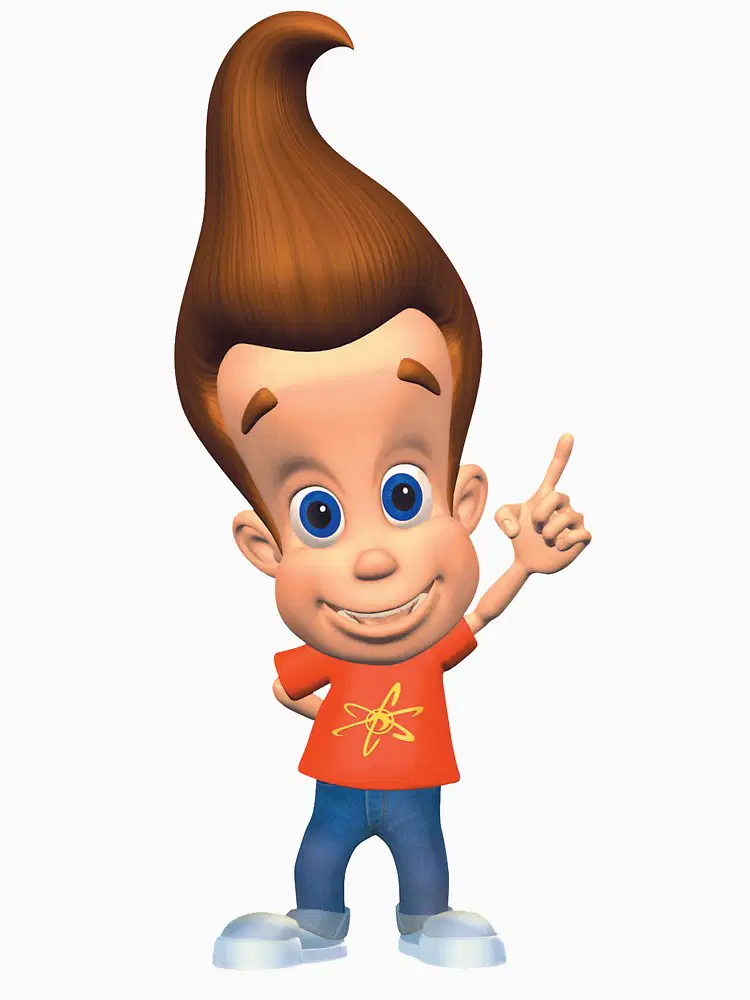
A neutron is:
a)
Particle located in the nucleus that does not have a charge.
b)
Positively charged particle
c)
Area surrounding the nucleus with a negative charged
d)
Negatively charged particle
e)
Smallest particle that still retains all the properties of an element.
42.
Protons are:
a)
Positively charged particles
b)
Area surrounding the nucleus with a negative charged
c)
Negatively charged particle
d)
Smallest particle that still retains all the properties of an element.
e)
Particle located in the nucleus that does not have a charge.
43.
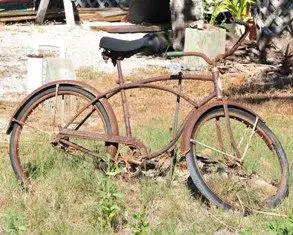
A bicycle changing color as it rusts is an example of a
a)
Physical property
b)
Chemical change
c)
Physical change
d)
Reversible process
44.

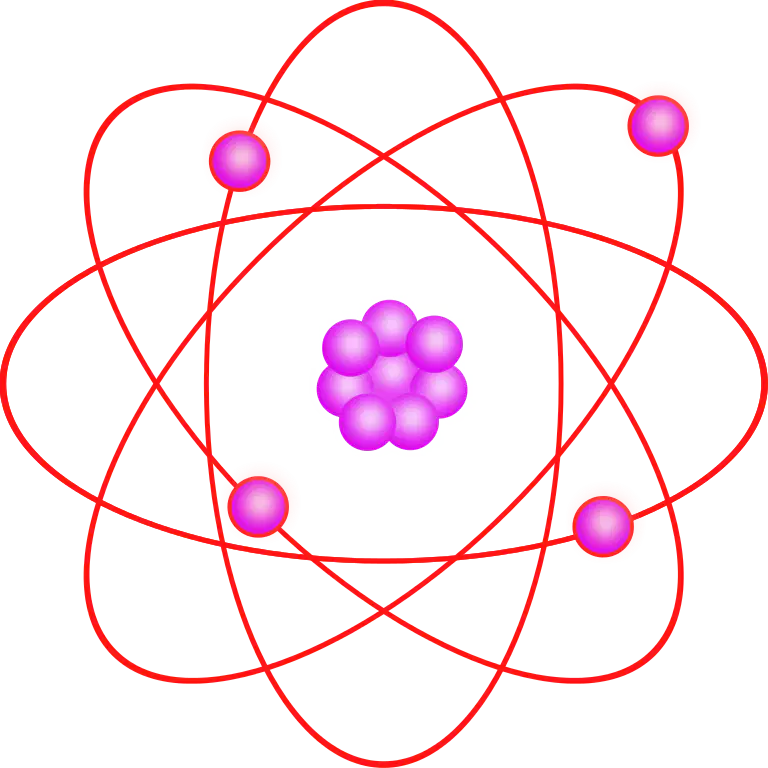
How many electrons are in the atom pictured below?
a)
4
b)
6
c)
5
d)
11
45.
The electron cloud can be described as the
a)
Area surrounding the nucleus with a negative charged
b)
Positively charged particle
c)
Negatively charged particle
d)
Smallest particle that still retains all the properties of an element.
e)
Particle located in the nucleus that does not have a charge.
46.
Electrons are:
a)
Negatively charged particles
b)
Positively charged particle
c)
Area surrounding the nucleus with a negative charged
d)
Smallest particle that still retains all the properties of an element.
e)
Particle located in the nucleus that does not have a charge.
47.

What is the mass of the atom in the picture?
a)
5 amu
b)
9 amu
c)
4 amu
d)
12 amu
48.
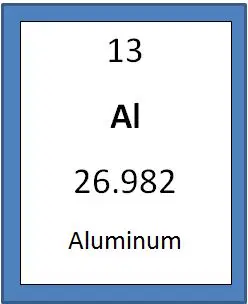
Using the cut out from the periodic table determine the number of protons in an atom of aluminum.
a)
26.982
b)
13.982
c)
13
d)
3
49.
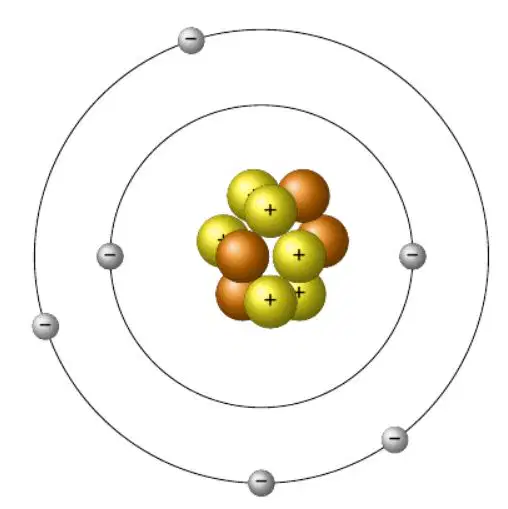
What is the mass of the atom show below?
a)
4 amu
b)
6 amu
c)
10 amu
d)
16 amu
50.
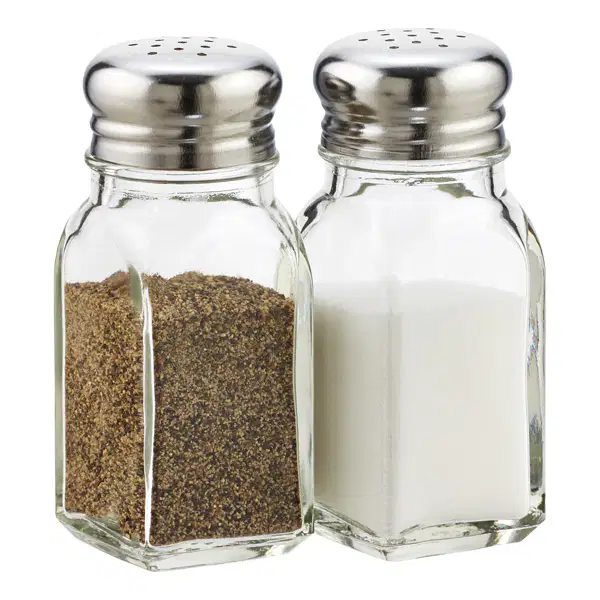
Mixing salt and pepper
a)
Is a chemical reaction
b)
Is a physical reaction
c)
Can be separated through physical means
d)
Must be chemicaly seperated
51.

Using the cut out from the periodic table determine the number of neutrons in an atom of aluminum.
a)
26.982
b)
13.982
c)
13
d)
14
52.

What is the atomic number of the atom in the picture?
a)
3
b)
5
c)
4
d)
9
53.
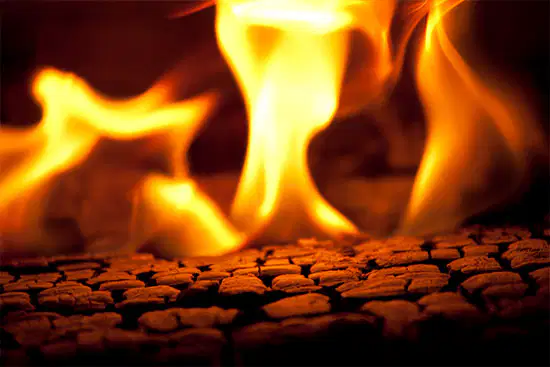
Burning a log in a fire is an example of a
a)
Physical property
b)
Chemical property
c)
Physical change
d)
Chemical change
54.

Combining hydrogen and oxygen to form water is an example of a
a)
Physical property of water
b)
Chemical property of water
c)
Chemical change
d)
Physical property of hydrogen.
55.

How many electrons are in the valence (outermost) energy level of a sodium atom?
a)
1
b)
2
c)
3
d)
4
56.

What group number is magnesium in?
a)
1
b)
2
c)
7
d)
8
57.

What period is bromine in?
a)
1
b)
2
c)
3
d)
4
58.

Oxygen has
a)
8 protons and 7 neutrons
b)
6 protons and 10 neutrons
c)
8 protons and 8 neutrons
d)
10 protons and 6 neutrons
59.

Elements in period 2 will have_________energy level(s).
a)
1
b)
2
c)
3
d)
4
60.

The first energy level in an atom can hold _____ electrons.
a)
1
b)
2
c)
7
d)
8
61.
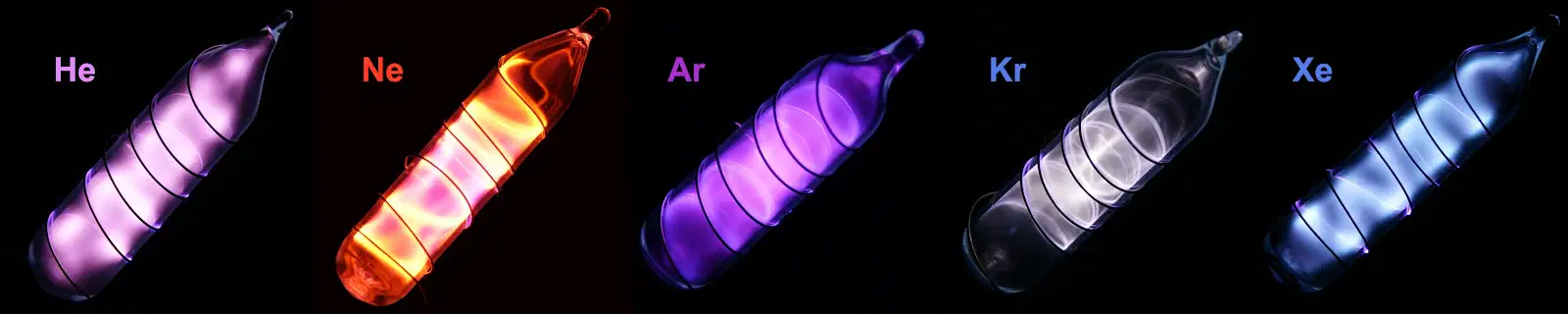
Elements in group 18 are called
a)
Halogens
b)
Nobel Gasses
c)
Alkali Metals
d)
Rare Earth
62.

Valence refers to:
a)
the first level of electrons.
b)
a complete energy level.
c)
the electrons on the outermost energy level.
d)
a positively charged atom.
63.
A Bohr model
a)
Shows only the outermost electrons
b)
Can be used to determine the atomic mass.
c)
Shows the number and location of electrons in an atom.
d)
Is helpful in calculating the number of protons in an element.
64.
Every atom wants to have
a)
a full valence shell.
b)
2 valence electrons.
c)
8 valence electrons.
d)
a positively charged nucleus.
65.
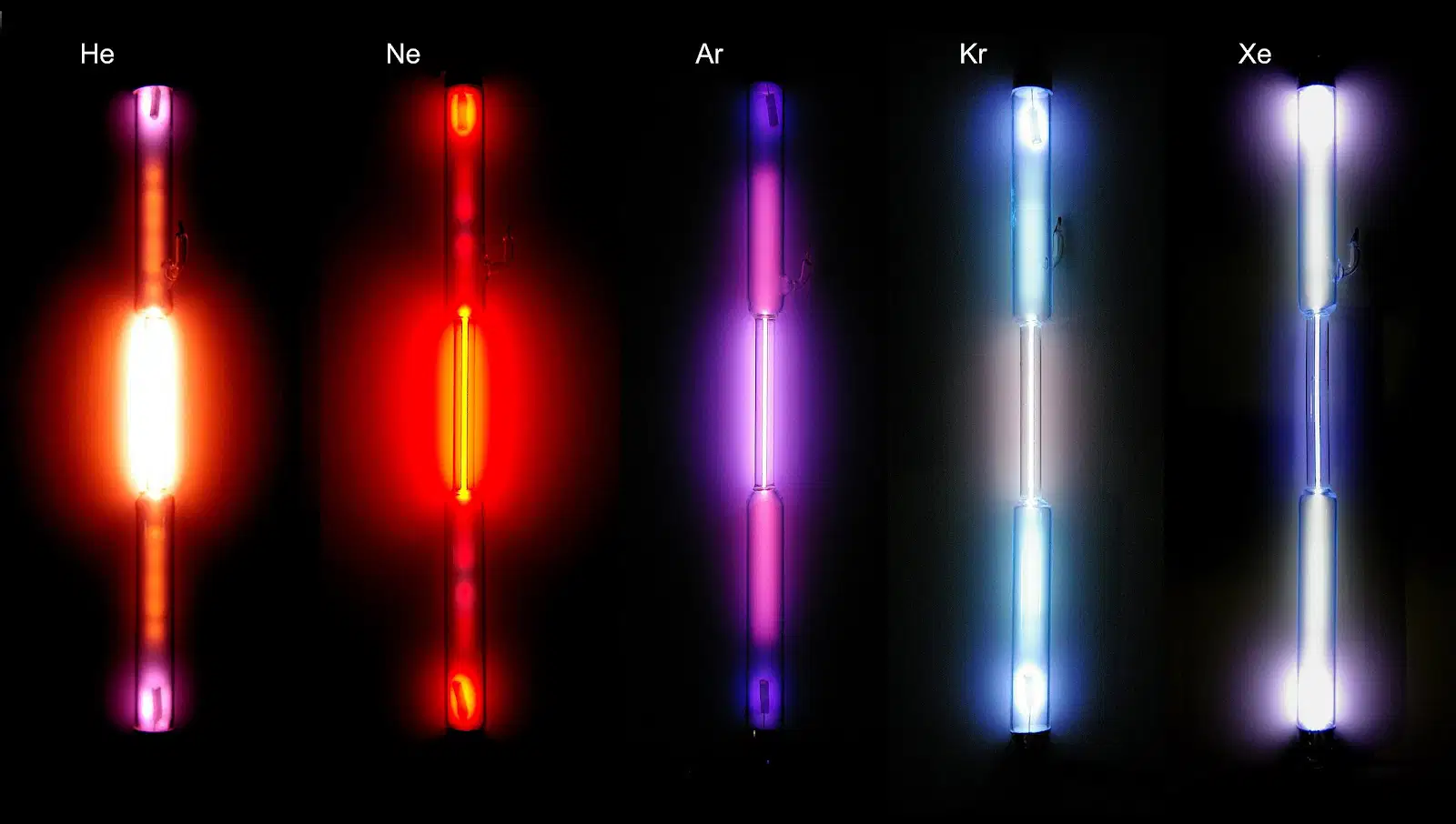
Elements in group 8A or 18 will
a)
will have 7 valence electrons
b)
react with any element on the periodic table.
c)
have a full valence shell.
d)
exist in pairs of similar elements.
66.

Identify the true statement
a)
Protons + neutrons = atomic number
b)
Protons + electrons = atomic mass
c)
Neutrons + electrons = atomic mass
d)
Atomic number = the number of protons
67.
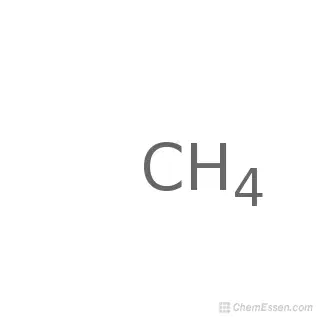
How many atoms of hydrogen are in the following formula:
a)
1
b)
8
c)
4
d)
2
68.

Is this a balanced chemical equation?
a)
Yes
b)
No
69.
A chemical formula:
a)
Is an expression that uses symbols showing the relationship between substances in a chemical reaction.
b)
Uses chemical symbols and numbers to represent a given substance.
c)
Describes the interaction between multiple substances.
d)
occurs when atoms are rearranged to produce new substances.
70.
In an endothermic reaction
a)
Heat exits the reaction and the surrounding area becomes cold.
b)
Heat exits the reaction and the surrounding area becomes warm.
c)
Heat enters the reaction and the surrounding area becomes cold.
71.
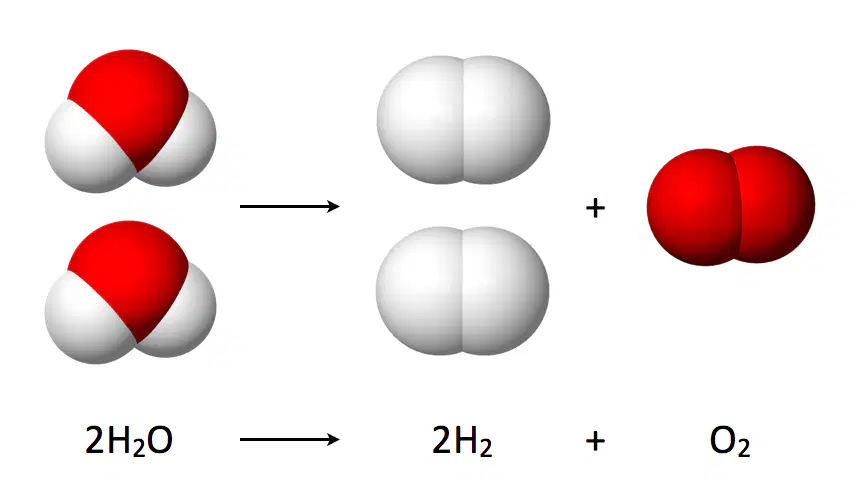
A subscript in a chemical reaction tells you:
a)
How many molecules you have in a chemical formula.
b)
How many chemical formulas there are in a reaction.
c)
How many atoms of a specific element you have in a chemical formula.
d)
How many atoms you have in a chemical equation.
72.

A chemical equation:
a)
Is an expression that uses symbols showing the relationship between substances in a chemical reaction.
b)
Uses chemical symbols and numbers to represent a given substance.
c)
Describes the interaction between multiple substances.
d)
occurs when atoms are rearranged to produce new substances.
73.
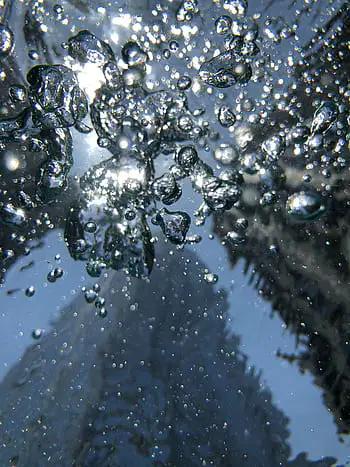
During a chemical reaction gas bubbles are released and some of the liquid evaporates. You can say that a chemical reaction occurred because:
a)
Some of the liquid evaporated.
b)
Gas bubbles were released.
c)
There was less mass when you measured it after the chemicals were mixed.
74.
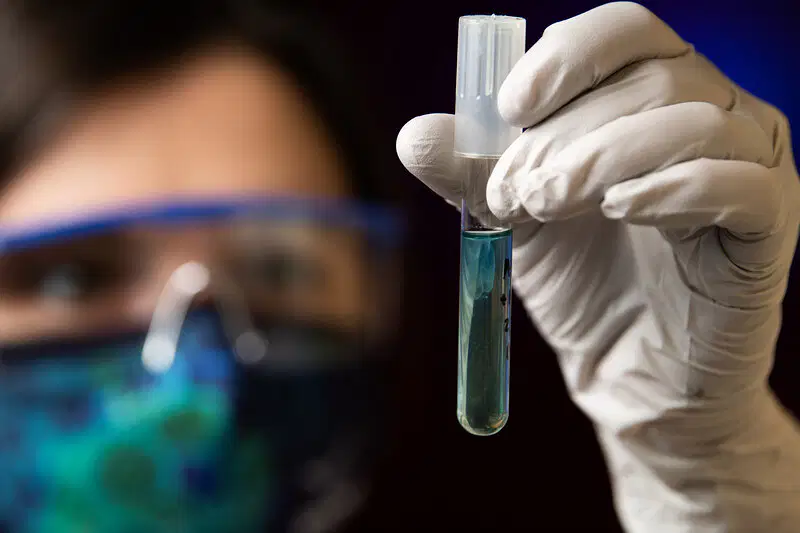
A chemical reaction:
a)
Is an expression that uses symbols showing the relationship between substances in a chemical reaction.
b)
Uses chemical symbols and numbers to represent a given substance.
c)
Describes the interaction between multiple substances.
d)
Occurs when atoms are rearranged to produce new substances.
75.
In an exothermic reaction
a)
Heat enters the reaction and the surrounding area becomes warm.
b)
Heat exits the reaction and the surrounding area becomes cold.
c)
Heat exits the reaction and the surrounding area becomes warm.
d)
Heat enters the reaction and the surrounding area becomes cold.
76.
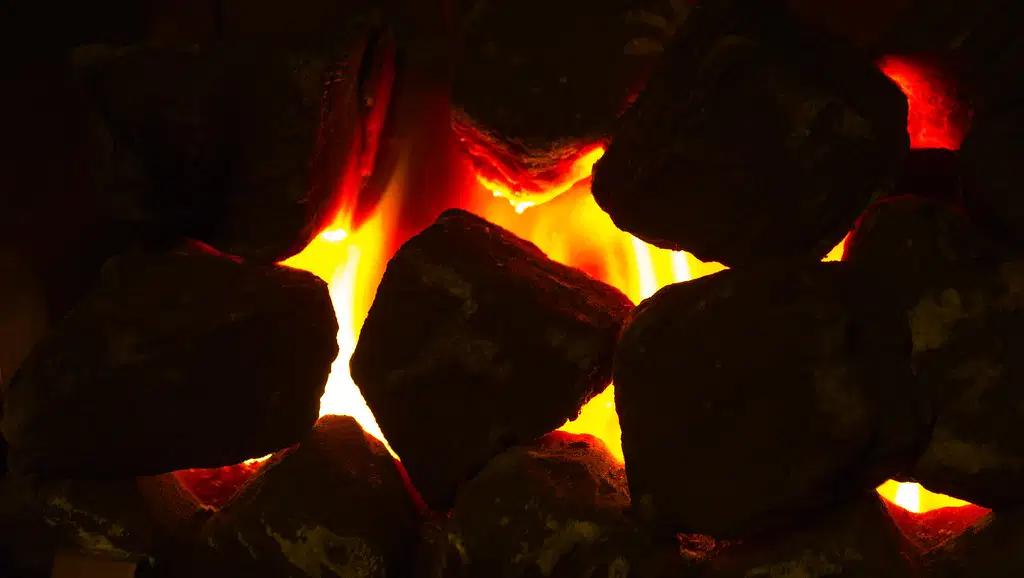
When coal is burned, sulfur is released into the air, where it reacts with oxygen to produce sulfur dioxide and sulfur trioxide. Which of the following is true of this process?
a)
The identity of each reactant remains the same.
b)
Sulfur dioxide and sulfur trioxide are the reactants in this change.
c)
The products have different chemical properties than those of the reactants.
d)
The products contain more sulfur atoms and fewer oxygen atoms than the reactants.
77.

How do you know that a chemical reaction is following the Law of Conservation of Mass?
a)
There are the same elements on both the reactant and product sides of the chemical equation.
b)
Both sides of the chemical equation have the same number of coefficients.
c)
The subscripts on either side of the reaction are the same.
d)
There are the same number of atoms of each element on either side of the chemical equation.
78.

There are several properties that help identify bases, which one of the following does not:
a)
Bases taste bitter
b)
They conduct electricity
c)
sour taste
d)
Bases aren't corrosive
79.

Which substance below is a stronger base?
a)
Eggs
b)
Milk
c)
Soap
d)
Lemon Juice
80.

When an acid and a base react:
a)
A. The products are water and a salt
b)
B. The concentration of hydronium ions increase.
c)
C. The concentration of hydroxide ions increases.
d)
D. Nothing happens.
81.
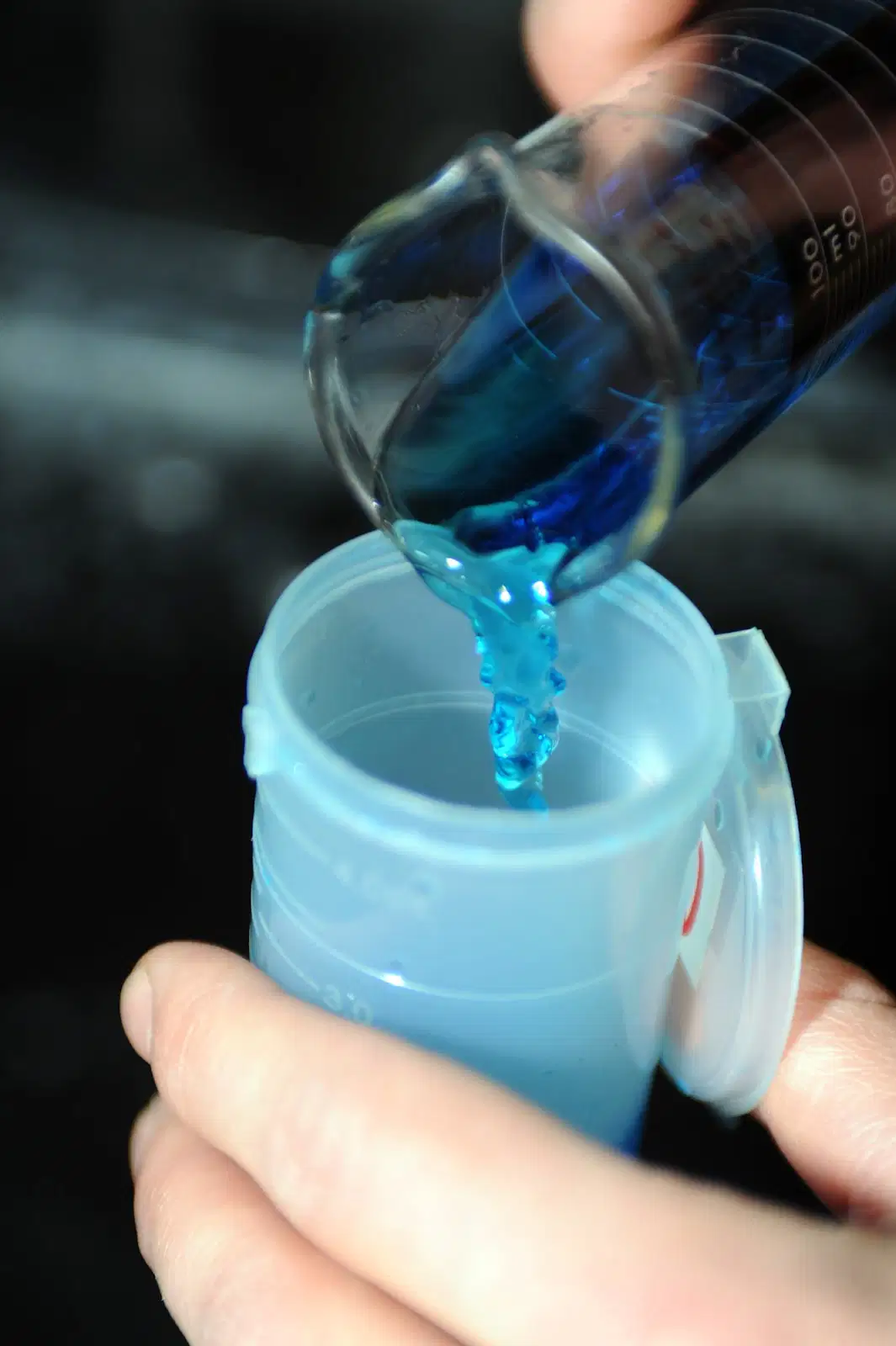
What is the pH range of a base?
a)
0-3
b)
4-6
c)
7
d)
8-14
82.
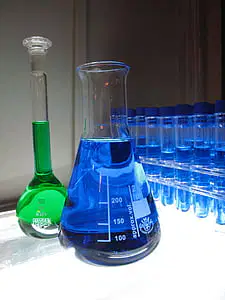
An example of a base would be:
a)
lemon juice
b)
distilled water
c)
dish soap
d)
Kool aid
83.

Which substance below is the most neutral?
a)
Coffee
b)
Milk
c)
Milk of Magnesia
d)
Pure Water
84.
A neutralization reaction results in the formation of:
a)
Hydroxide ions.
b)
Hydronium
c)
Salt and water
d)
Hydrogen ions
85.

An example of an acid would be:
a)
NaCl
b)
LiOH
c)
FeO
d)
HCl
86.
Does the concentration of an acid determine its strength?
a)
Yes
b)
No
c)
It depends on the acid
d)
Only if the pH changes
87.

What is a common property of acids?
a)
They taste sweet
b)
They turn blue litmus paper red
c)
They feel slippery
d)
They do not react with metals
88.

Which of the following is a neutral substance?
a)
Baking soda
b)
Distilled water
c)
Orange juice
d)
Ammonia
89.
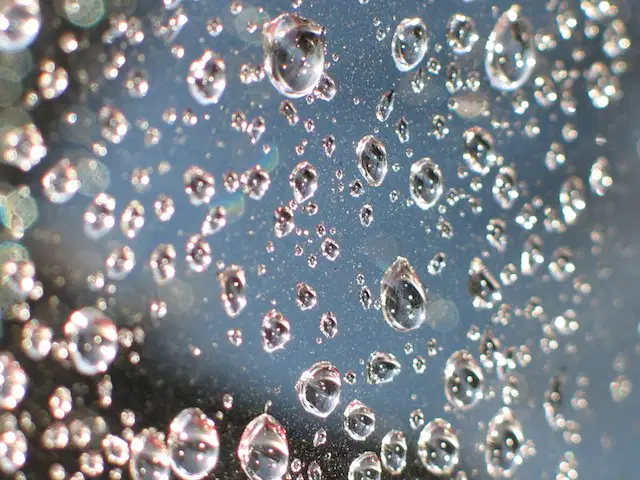
What two things could be done to increase the solubility of a gas in water?
a)
increase the temperature and decrease the pressure
b)
decrease the temperature and increase the pressure
c)
increase the surface area and decrease the temperature
d)
increase the temperature and increase the pressure
90.
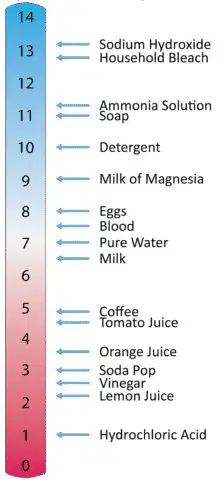
Which substance below is a stronger acid?
a)
Ammonia solution
b)
Coffee
c)
Soda Pop
d)
Milk
91.
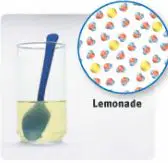
Lemonade would be an example of a:
a)
colloid
b)
solution
c)
mixture
d)
pure substance
92.
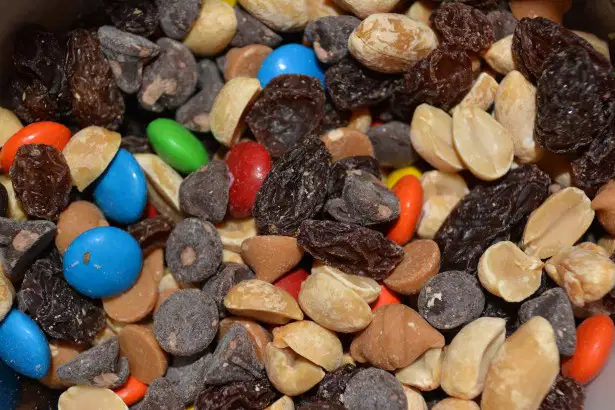
A mixture is:
a)
a substance being dissolved in a solution
b)
the substance that is being dissolved
c)
a combination of two or more substances not chemically combined
d)
two or more substances that are not chemically combined but appear to be one substance
93.
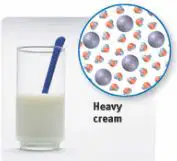
The following picture heavy cream would be an example of a:
a)
solution
b)
mixture
c)
colloid
d)
suspension
94.
A solute is:
a)
a substance that something is being dissolved into
b)
the substance that is being dissolved
c)
a combination of two or more substances not chemically combined
d)
two or more substances that arenot chemically combined but appear to be one substance
95.
A solvent is:
a)
a substance that something dissolves into
b)
the substance that is being dissolved
c)
a combination of two or more substances not chemically combined
d)
two or more substances that arenot chemically combined but appear to be one substance
100 %

