wayground logo

Free Printable Worksheets

NEW

Font size

S
M
L
XL
Worksheets

Causes of the Civil War

Total questions: 28

Worksheet time: 14mins
Name
Class
Date
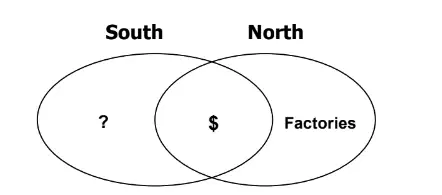
1.
Before the Civil War, the economy of South was primarily based on ______________
a)
manufacturing
b)
mining
c)
agriculture
d)
trade
2.
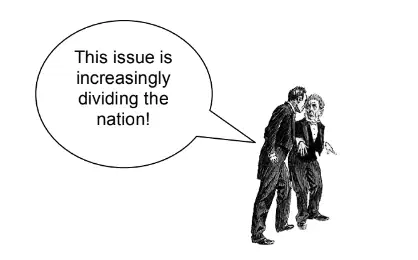
What issue are these two gentlemen talking about in 1860?
a)
immigration
b)
nullification
c)
westward expansion
d)
slavery
3.
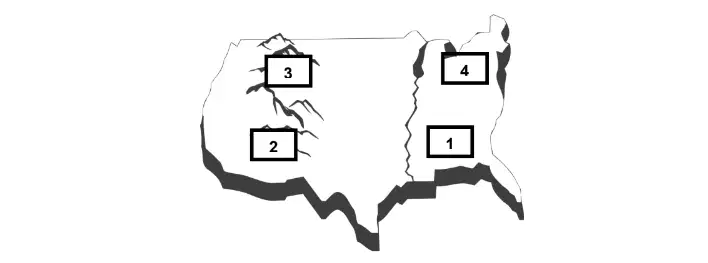
What region of the United States was a strong supporter of states’ rights before the Civil War?
a)
1
b)
2
c)
3
d)
4
4.
Popular sovereignty means _________
a)
people should decide the slavery issue
b)
the new territories should be free states
c)
the new territories should be slave states
d)
the federal government would determine the issue
5.
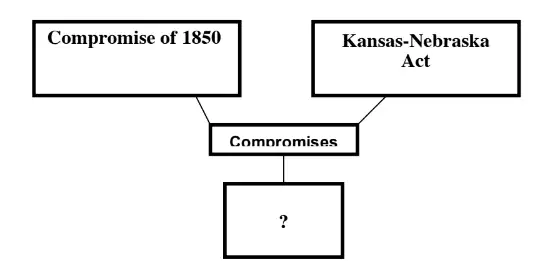
The third compromise in the diagram —
a)
allowed Texas to enter the union as a slave state
b)
allowed Missouri to enter the union as a free state
c)
allowed California to enter the union as a free state
d)
allowed Missouri to enter the union as a slave state and Maine as a free state
6.
Which compromise admitted California as a free state, banned the slave trade in Washington D.C and allowed the Southwest territories to decide slavery for themselves
a)
Kansas-Nebraska Act
b)
Missouri Compromise
c)
Compromise of 1850
d)
Three-Fifths Compromise
7.
The secession of the Southern States and the attack on Fort Sumter in 1861 came right after ___________
a)
Abraham Lincoln’s election
b)
Jefferson Davis’s election
c)
Robert E. Lee leaving the Union Army
d)
the Emancipation Proclamation
8.
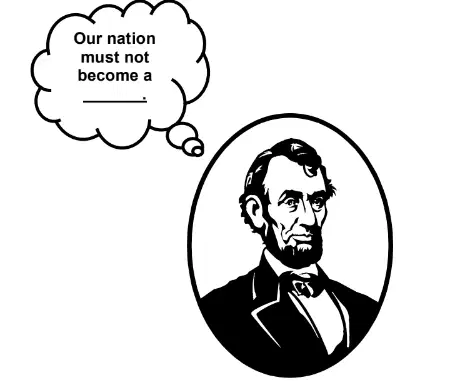
What best completes the statement made by Abraham Lincoln?
a)
nation united
b)
nation divided
c)
growing nation
d)
reformed nation
9.
Following Lincoln’s election, the southern states __________ the Union.
a)
joined
b)
remined loyal to
c)
seceded from
d)
voted for
10.
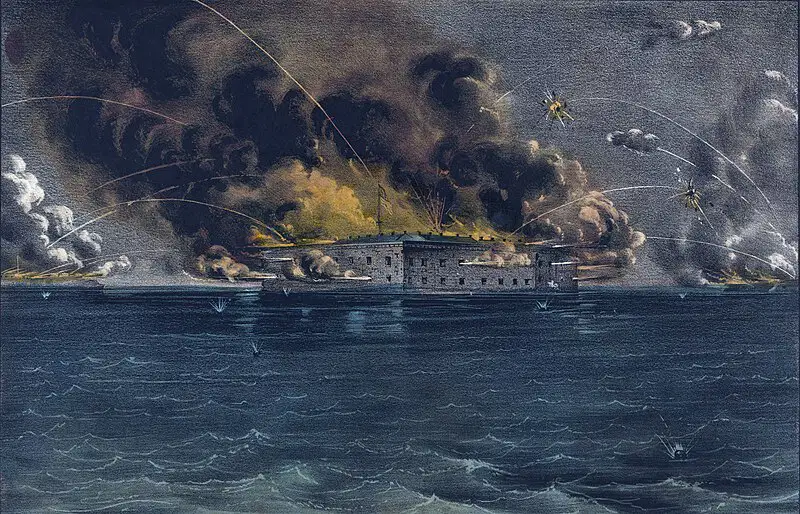
This picture illustrates which event that started the Civil War
a)
Confederate attack on Fort Sumter
b)
Emancipation Proclamation
c)
Missouri Compromise
d)
Lincoln's election
11.
The states that remained loyal to the Federal government during the Civil War.
a)
Union
b)
Confederate
12.
How was the state of West Virginia created?
a)
West Virginia became its own state after refusing to secede from the Union with the rest of Virginia
b)
It was admitted into the Union after Lincoln's election
c)
West Virginia became a state after the passage of the Kansas-Nebraska Act
d)
It became a state when Jefferson Davis became president of the Confederate states
13.
Which was considered a border state?
a)
Alabama
b)
Virginia
c)
Maryland
d)
Massachusetts
14.
Which state was a free (Union) state?
a)
New York
b)
Virginia
c)
Georgia
d)
Delaware
15.
Which state was a slave (Confederate) state?
a)
Pennsylvania
b)
West Virginia
c)
South Carolina
d)
California
16.
What was this general, Ulysses S. Grant, best known for?
a)
Defeating Robert E. Lee
b)
Capturing Jefferson Davis
c)
Fighting in the west
d)
Westward Expansion
17.
The Confederacy’s many battlefield victories occurred because of the generals’
a)
wealth
b)
political ties
c)
physcial strength
d)
military leadership
18.
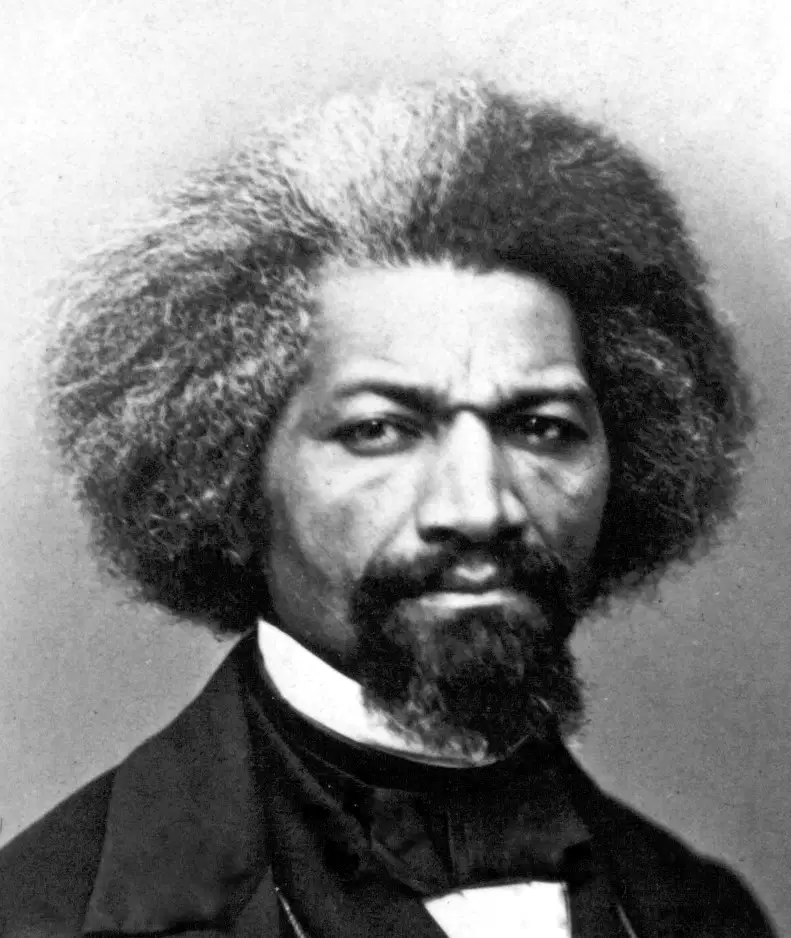
Promoted African-American involvement in the Civil War by creating the United States Colored Troops
a)
Abraham Lincoln
b)
Robert E. Lee
c)
Frederick Douglass
19.

General in charge of the confederacy during the Civil War

a)

Abraham Lincoln

b)

Jefferson Davis

c)

Robert E. Lee

d)

Ulysses S. Grant

20.

General in charge of the Union during the Civil War

a)

Abraham Lincoln

b)

Jefferson Davis

c)

Robert E. Lee

d)

Ulysses S. Grant

21.

President of the United States during the Civil War

a)

Abraham Lincoln

b)

Jefferson Davis

c)

Robert E. Lee

d)

Ulysses S. Grant

22.

Why was the South so upset when Lincoln was elected?

a)

because he was a northern segregationist

b)

because he was a southern abolitionist

c)

because he was a southern agriculturist

d)

because he was a northern abolitionist

23.

Abraham Lincoln was elected and the south felt they had the right

a)

to revolt

b)

to declare war

c)

to secede

d)

to cede war

24.

What do you call someone against the institution of slavery?

a)

an agriculturist

b)

an abolitionist

c)

a nationalist

d)

a communist

25.

The Kansas-Nebraska Act...

a)

Banned slavery in both Kansas and Nebraska

b)

Required all runaway slaves in Kansas and Nebraska to be returned to their slaveholder

c)

allowed the people of Kansas and Nebraska to demonstrate "popular sovereignty" with the issue of slavery

d)

Confirmed the Missouri Compromise

26.

Which battle is known as the first battle of the Civil War?

a)

Fort Sumter

b)

Vicksburg

c)

The Alamo

d)

San Jacinto

27.

Law that allowed the federal government to arrest any person accused of being a runaway slave, even in free states is known as the

a)

Appomattox Courthouse

b)

Fugitive Slave Act

c)

Harper's Ferry

d)

Bleeding Kansas

28.

Which act of Congress added a slave and free state and outlawed slavery in new states North of Missouri and the 36"30' line?

a)

Compromise of 1850

b)

Missouri Compromise

c)

Fugitive Slave Act

d)

Kansas-Nebraska Act