
 Worksheets
Explore the World of Music
Total questions: 60
Worksheet time: 32mins
What are the names of the lines and spaces in the treble clef?
Lines: F, A, C, E, G; Spaces: E, G, B, D
Lines: E, G, B, D, F; Spaces: F, A, C, E
Lines: C, E, G, B, D; Spaces: A, C, E, F
Lines: A, C, E, G, B; Spaces: D, F, A, C
Who composed the famous symphony known as the 'Eroica'?
Frédéric Chopin
Ludwig van Beethoven
Johann Sebastian Bach
Wolfgang Amadeus Mozart
What are the four main families of musical instruments?
Vocals, Electronics, Banjo, Accordion
Horns, Drums, Harp, Ukulele
Strings, Woodwinds, Brass, Percussion
Piano, Guitar, Flute, Synthesizer
What is the difference between a quarter note and an eighth note?
A quarter note lasts for two beats; an eighth note lasts for one beat.
A quarter note is twice as fast as an eighth note.
A quarter note lasts for one beat; an eighth note lasts for half a beat.
A quarter note is represented by a filled note head; an eighth note is represented by an open note head.
Name a popular genre of music that originated in the African American community.
Rock
Classical
Pop
Jazz
What does a sharp symbol (♯) do to a note?
A sharp symbol has no effect on the pitch of a note.
A sharp symbol lowers the pitch of a note by a whole step.
A sharp symbol raises the pitch of a note by a whole step.
A sharp symbol raises the pitch of a note by a half step.
Which period of music is characterized by composers like Bach and Handel?
Classical period
Romantic period
Baroque period
Renaissance period
What is a simple time signature? Give an example.
4/4
3/8
6/8
5/4
What is the purpose of a bass clef in music notation?
The purpose of a bass clef is to notate lower-pitched music.
To represent percussion instruments.
To indicate the tempo of a piece.
To notate higher-pitched music.
Who is known as the 'Father of Symphony'?
Ludwig van Beethoven
Wolfgang Amadeus Mozart
Franz Joseph Haydn
Johann Sebastian Bach
What is the term for a group of notes played together?
chord
scale
harmony
melody
What is the difference between a whole note and a half note?
A whole note is played for a shorter duration than a half note.
A whole note lasts three beats; a half note lasts one beat.
A whole note lasts four beats; a half note lasts two beats.
A whole note lasts two beats; a half note lasts four beats.
Name a famous composer from the Romantic period.
Wolfgang Amadeus Mozart
Frédéric Chopin
Ludwig van Beethoven
Johann Sebastian Bach
What is a flat symbol (♭) used for in music?
To signify a repeat of the previous measure.
To indicate a pause in the music.
The flat symbol (♭) is used to lower the pitch of a note by a half step.
To raise the pitch of a note by a whole step.
What is the basic unit of time in music called?
beat
note
tempo
measure
Which instrument family does the violin belong to?
String instrument
Woodwind instrument
Percussion instrument
Brass instrument
What is the term for a sudden change in volume in music?
melodic change
dynamic change
rhythmic variation
tempo shift
What is a scale in music?
A scale in music is a sequence of notes ordered by pitch.
A scale is a type of musical instrument.
A scale is a specific genre of music.
A scale refers to the volume of music played.
Name a well-known composer from the Romantic era.
(a)
What is pitch in music?
how high or low a sound is
the rhythm of music
the beat
a throw to home plate

What is this symbol?
Bass Clef
Treble Clef
Trouble Clef
Grand Staff
What are the lines in treble clef?
G, B, D, F, A
E, G, B, A, D
E, G, B, D, F
E, F, G, A, B
What are the spaces in treble clef?
A, C, E, G
F, A, C, F
F, G, A, B
F, A, C, E

What pitch is this?
A
B
C
E

What pitch is this?
E
B
G
A

What pitch is this?
D
B
A
F

What pitch is this?
E
D
A
F

What pitch is this?
C
D
A
F

What pitch is this?
C
E
A
F

What pitch is this?
A
D
E
F
Which pitch is higher?


Which pitch is lower?

What word do these notes spell?
BAG
BEE
EDGE
EGG
Sharps, Flats, and Naturals encountered in a piece of music are called _____
Dots
Rests
Accidentals
Time Signature
These always RAISE a note by half a step when added to music
Naturals
Sharps
Accents
Flats
What is the effect of accidentals in music notation?
They alter the pitch of the note for the entire measure.
They only affect the notes that follow them.
They are used to create a permanent change in the key signature.
They provide a temporary modification to the pitch of a specific note.
This accidental always lowers the pitch by half of a step.
Natural
Flat
Time Signature
Staff
In which category do "Accidentals" fit best?
Rhythms
Pitches
Which of the choices is NOT one of the steps to great posture?
Sit up with your back straight
Cross your legs
Sit on the front edge of your chair
Two fleet flat on the floor
Which type of accidental removes any other sharps and flats and makes the note "normal"?
Natural
Sharp
Flat
Whole Note

How many pitches are flat in this example?
1
2
3
4

How many pitches are flat in this example?
1
2
3
4

How many pitches are flat in this example?
3
4
5
6
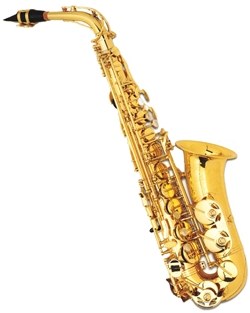
What family does this instrument belong to?
string
wood wind
brass
percussion

What family does the French Horn belong to?
string
brass
percussion
woodwind



