
 Worksheets
Insurance and Taxes
Total questions: 71
Worksheet time: 41mins
What types of insurance should individuals use at various stages of life?
Health, life, auto, and home insurance at different life stages
Only health insurance throughout life
Only auto insurance after age 18
No insurance is necessary at any stage
How do I appropriately fill out state and federal tax forms?
By guessing the information
By providing accurate personal and financial details as required
By leaving most fields blank
By submitting the forms without reviewing
What are the benefits and consequences of insurance and estate planning?
They provide financial security and help manage risks, but may involve costs and complex decisions.
They only increase expenses without any benefits.
They eliminate all financial risks completely.
They are only useful for businesses, not individuals.
How can various investing strategies and tax implications impact my ability to build wealth?
They can increase or decrease your wealth depending on your choices.
They have no effect on your wealth.
They only decrease your wealth.
They only increase your wealth.
An insurance ______ is the amount of money an individual or business pays to an insurance company for a policy.
premium
claim
deductible
beneficiary
A ______ is the amount of money you pay out-of-pocket for covered insurance expenses before your insurance company begins to share in the cost.
deductible
premium
copayment
beneficiary
An ______ is a professional who assesses the risks associated with offering insurance policies. They evaluate potential policyholders and their risks, determining if a policy should be offered.
underwriter
actuary
broker
adjuster
______ protects you financially if you are held responsible for causing bodily injury or property damage to others.
Liability Coverage
Comprehensive Coverage
Collision Coverage
Personal Injury Protection
______ protects your vehicle from damages caused by events other than collisions, such as theft, vandalism, fire, and natural disasters.
Comprehensive Coverage
Liability Coverage
Collision Coverage
Personal Injury Protection
What is the comprehensive healthcare reform law passed in 2010, also known as Obamacare, whose main goal is to expand health insurance coverage to millions of previously uninsured Americans by expanding Medicaid eligibility, creating health insurance marketplaces, and mandating insurance coverage?
Affordable Care Act or ACA
Medicare Modernization Act
Health Insurance Portability and Accountability Act
Children's Health Insurance Program
What is the fixed amount of money a person pays out-of-pocket for a covered health service, such as a doctor's visit or prescription, at the time of service?
Co-pay
Premium
Deductible
Coinsurance
What is the tax levied on the net value of the estate of a deceased person before distribution to the heirs?
Estate Tax
Income Tax
Gift Tax
Value Added Tax
What are the annual taxes a homeowner must pay on the assessed value of their house called?
Real Estate Tax
Income Tax
Sales Tax
Excise Tax
What is the tax that an individual or entity pays on an owned property or vehicle, which is an ad valorem tax based on the assessed value of real property?
Vehicle/Property Tax
Income Tax
Sales Tax
Excise Tax
A ________ is a percentage at which an individual or corporation's income is taxed. The United States uses a progressive tax rate system imposed by the federal government and many states. The federal income tax brackets for 2024 and 2025 are 10%, 12%, 22%, 24%, 32%, 35%, and 37%.
tax rate/bracket
deduction
credit
exemption
A ________ is when the tax rate you pay increases as your income rises. In the U.S., the federal income tax is progressive.
progressive tax system
regressive tax system
flat tax system
proportional tax system
A ________ is a tax system where the average tax rate decreases as income increases, meaning lower-income individuals pay a higher percentage of their income in taxes compared to higher-income individuals.
regressive tax system
progressive tax system
proportional tax system
flat tax system
What is the term for the following definition? Any gross income earned that is used to calculate the amount of tax you owe.
(a)
What is the term for the following definition? The amount of additional tax paid for every additional dollar earned as income.
Marginal tax rate
Average tax rate
Flat tax rate
Progressive tax rate
What is the term for the following definition? A category that defines the type of tax return form a taxpayer must use when filing their taxes. Filing status is closely tied to marital status.
Filing status
Tax deduction
Taxable income
Withholding allowance
What is the term for the following definition? A specific dollar amount that reduces the amount of taxable income.
Standard deduction
Tax credit
Itemized deduction
Taxable income
What is the term for the following definition? A dollar amount that can be deducted from an individual's total income, thereby reducing the taxable income. Taxpayers may be able to claim two kinds of exemptions.
Exemption
Deduction
Credit
Allowance
According to the passage, why do we have insurance?
The passage suggests that only people who engage in risky behaviors need insurance.
True
False
What is insurance?
A type of loan
A contract represented by a policy, in which an individual or entity receives financial protection or reimbursement against losses from an insurance company
A government tax
A type of investment
The insurance company ______ clients’ risks to make payments more affordable for the insured.
pools
increases
ignores
complicates
Insurance policies are used to protect against the risk of financial loss that may result from the insured or his/her property, or from liability for damage caused to others.
True
False
Which of the following is NOT one of the four types of insurance everyone should have?
Life Insurance
Health Insurance
Auto Insurance
Pet Insurance
People get ________ insurance to make sure that their families stay safe after they're gone.
life
car
health
travel
Which type of insurance can both save your life and your finances by covering health care costs?
Life Insurance
Health Insurance
Auto Insurance
Long-term Disability Coverage
Auto insurance is required by law in all states.
True
False
What type of insurance helps cover your expenses if you are unable to work for weeks, months, or ever again due to an accident at work?
Long-term disability coverage
Auto insurance
Homeowners insurance
Life insurance
________ insurance protects individuals and families from financial ruin due to unpredictable health care costs and makes care more affordable and accessible for everyone.
Health insurance
Car insurance
Homeowners insurance
Life insurance
Which type of insurance provides financial protection for a family and ensures that dependents are not burdened with the cost for funerals and final arrangements?
Health insurance
Life insurance
Auto insurance
Long-term disability insurance
Long-term disability insurance is a plan offered through your employer that can help provide income support for multiple years if you experience a long-term or permanent illness or health event.
True
False
What is a premium in the context of insurance?
The amount you pay out of pocket before insurance benefits kick in
The amount you’re charged for your insurance policy
The maximum amount your insurance policy will reimburse you for a covered loss
What does a deductible refer to in an insurance policy?
The amount you’re charged for your insurance policy
The amount you’ll pay out of pocket before your insurance benefits kick in
The maximum amount your insurance policy will reimburse you for a covered loss
What is a coverage limit in an insurance policy?
The amount you’re charged for your insurance policy
The amount you’ll pay out of pocket before your insurance benefits kick in
The maximum amount your insurance policy will reimburse you for a covered loss
What is a premium in insurance? A premium is the amount you pay for your insurance policy (usually ________).
monthly
hourly
once in a lifetime
daily
What does everyone who has a policy with the company pay for?
To cover the risks of all other policyholders
To increase their deductible
To lower their coverage limit
To avoid paying premiums
What is a deductible in insurance? A deductible is the amount you pay for a situation before ________ kicks in.
insurance
tax
interest
penalty
What is the relationship between premiums and deductibles?
Direct relationship
Inverse relationship
No relationship
Both increase together
Fill in the blank: Low deductible = (a) premium.
High deductible = ________ premium.
low
high
average
variable
What is a coverage limit in insurance? Coverage limit is the maximum amount your insurance will ________ you for one loss/claim.
reimburse
charge
ignore
penalize
What is a premium in the context of insurance?
The amount you pay (monthly) for your insurance policy
The amount you receive from the insurance company
The deductible you pay after an accident
The total value of your vehicle
Which of the following can payment frequency for insurance premiums be?
Monthly
Semi-annually
Annually
All of the above
The amount of your insurance premium is determined by your driving history, vehicle type, coverage options, location, and ___________.
demographics
weather patterns
fuel type
license plate color
Many insurance companies offer discounts for paying premiums annually, bundling policies, or having a good driving record.
True
False

What is an auto insurance premium?
The amount of money you pay regularly to an insurance company for your vehicle's insurance coverage
The amount of money you receive after an accident
The value of your car
The deductible you pay before insurance covers costs
What is a deductible in auto insurance?
The amount your insurance company pays for repairs
The amount you pay out of pocket for repairs or damages before your insurance covers the rest of the claim
The total cost of your insurance policy
The amount you receive as a discount
The lower the deductible, the ______ the premium.
higher
lower
same
unaffected
Deductibles typically range from ______, 500,to 1000.
$100
$10
$10,000
$5,000
Payments for deductibles can be made directly to the insurance company or repair shop.
True
False
Which of the following statements is true about auto insurance deductibles?
They are paid by the insurance company
They are only paid if you do not file a claim
They are the fixed amount you are responsible for paying out of pocket before your insurance company covers the remaining costs of a claim
They are always $1000
What is an insurance coverage limit? An insurance coverage limit is the maximum amount your insurance will reimburse you for your loss or the highest amount an insurance company agrees to pay for a covered loss or claim.
The maximum amount your insurance will reimburse you for your loss or the highest amount an insurance company agrees to pay for a covered loss or claim.
The minimum amount you must pay before insurance covers your loss.
The total value of all your assets insured under a policy.
The amount you pay monthly to keep your insurance active ग्रामीण
Which of the following is NOT a factor that determines your insurance coverage limit?
Driving history
Vehicle type
Favorite color
Location
Insurance limits, also known as coverage amounts, are the ______ amounts your insurer will pay for a specific type of claim.
maximum
minimum
average
fixed
Your liability coverage limits determine the maximum amount your insurance company will pay if you are at fault in an accident and cause bodily injury or property damage to someone else.
True
False
Which of the following are factors that determine your insurance coverage limit?
Your age and type of policy
Your favorite color and food
The weather and time of day
Your hobbies and interests
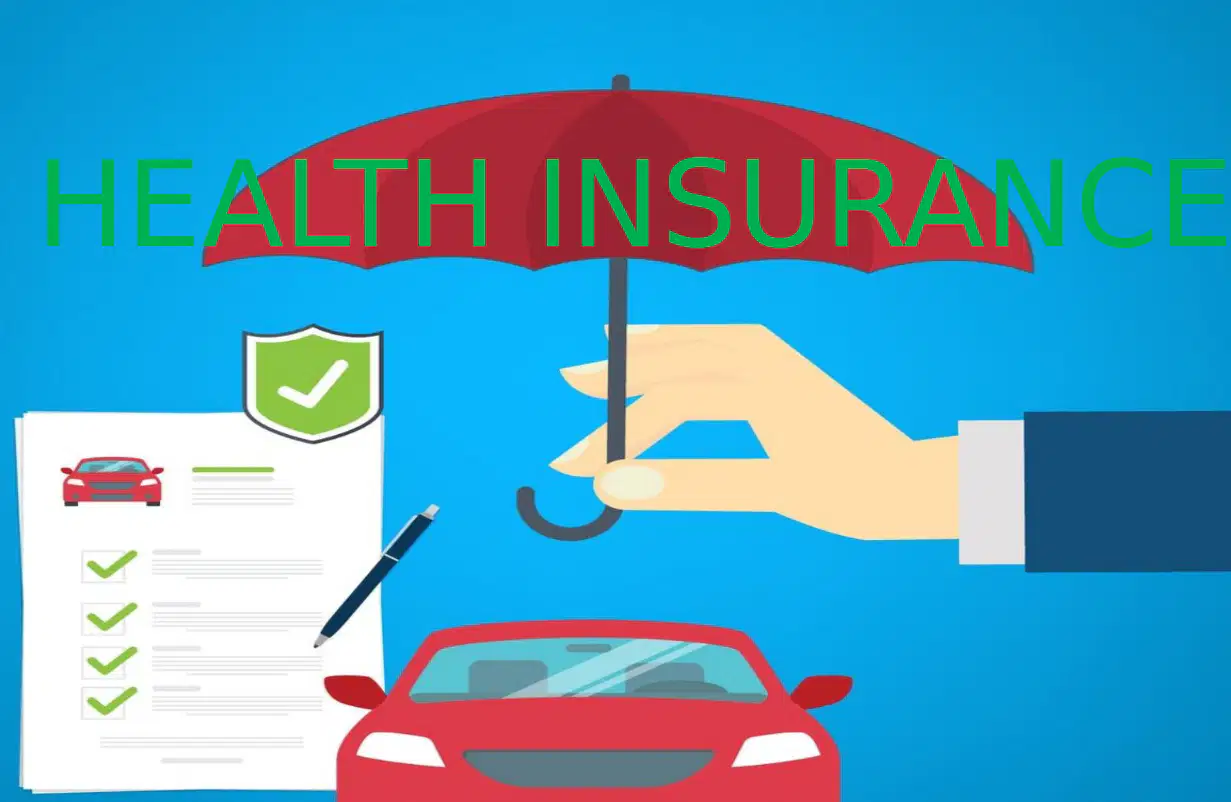
What type of insurance is depicted in the image?
Health Insurance
Car Insurance
Travel Insurance
Home Insurance
According to the passage, what percentage of Americans have health coverage through their work?
10%
25%
49%
75%
Full-time employees and businesses with over 50 people are eligible for group health coverage.
True
False
Who sponsors employer health insurance in group health insurance plans?
List one advantage of group health insurance mentioned in the passage.
It's guaranteed coverage.
It is more expensive than individual insurance.
It does not require any paperwork.
It only covers dental expenses.
Group health insurance typically requires employees to do a lot of research before getting coverage.
True
False
If you are self-employed, which type of health insurance is suggested as an option in the passage?
Individual health insurance
Employer-sponsored health insurance
Medicare
Student health insurance
Under what percentage of Americans find their own health insurance, according to the passage?
5%
10%
25%
49%
What is one drawback of individual health insurance mentioned in the passage?
Most people don’t want to dedicate time to researching what’s available and they don’t want to pay for it exclusively.
It is always more expensive than group insurance.
It covers fewer medical conditions than employer insurance.
It is only available to people over the age of 50.
Individual health insurance gives you the freedom to choose what’s best for you.
True
False
Typically, group insurance is a ______ alternative to individual coverage.
cheaper
riskier
slower
unpopular

