
 Worksheets
History of English speaking countries
Total questions: 116
Worksheet time: 58mins
How do we refer to people from England?
Celtic tribe
German
American
British

The United Kingdom is a
parliamentary dictatorship
constitutional monarchy
absolute monarchy
Republican Britain
The United Kingdom is a
parliamentary dictatorship
constitutional monarchy
absolute monarchy

London was founded in 43 AD by the
British
Romans
Greeks
IBERIANS
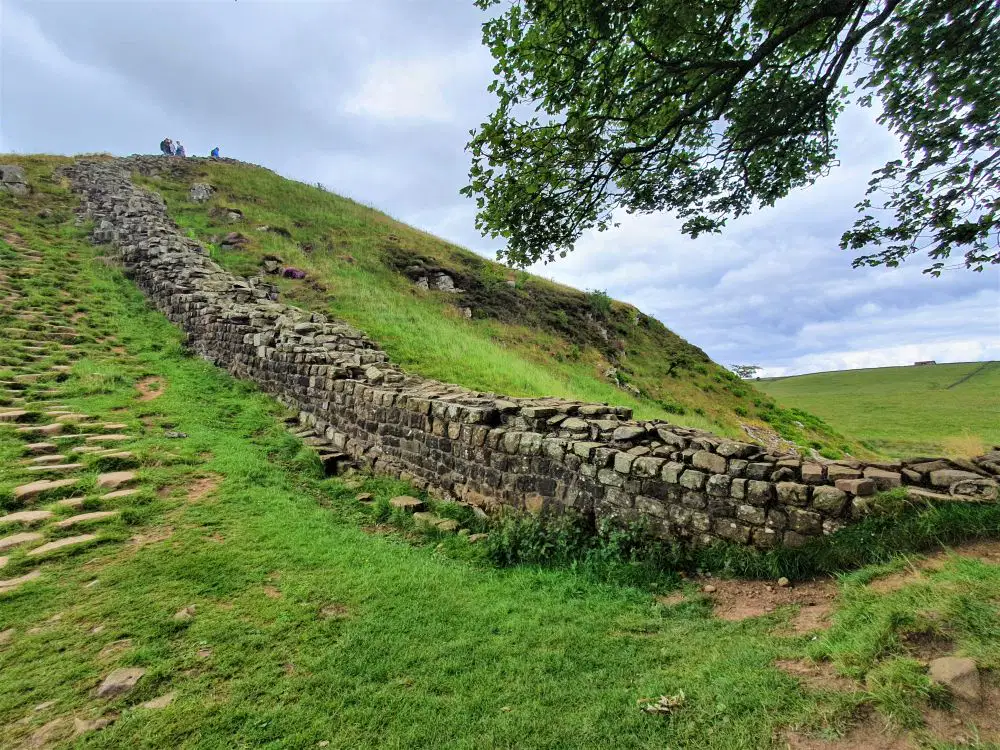
Which Roman emperor built a wall that separates Scotland from England?
Trajan
Adrian
Nero
Caesar
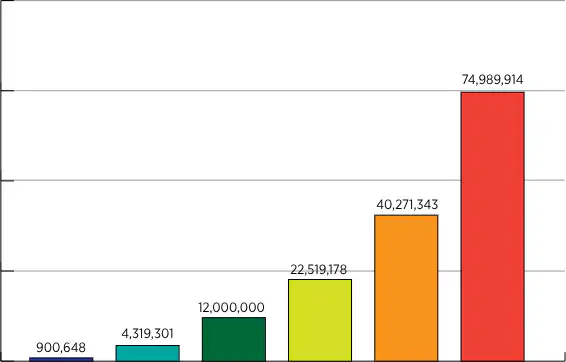
Which airport in the UK has the highest number of annual passengers?
Southend
Luton
Gatwick
Heathrow
What percentage of the UK's workforce is in the service industry?
50%
60%
70%
80%
The quaternary industry sector is growing in the UK. This includes
Traditional heavy industries such steel making
Agriculture, forestry and coal mining
Manufacturing products in factories
High technology, research and development
What are the two paths a student can choose after completing their GCSEs?
Apprenticeship or employment
Work or travel
Academic or vocational path
University or college
What is the name of the exam taken at the beginning of year six for entrance into competitive schools?
Eleven plus
SATs
A-levels
GCSE
What is the term used for private schools in the U.K.?
Community schools
Grammar schools
Public or independent schools
State schools
What must a child do from the age of 16 to 18 in the U.K.?
Attend university
Choose one of: full-time education, apprenticeship, or part-time education with voluntary work
Nothing, as education is no longer compulsory
Start full-time employment
Which political party has been the longest in power since 1945?
The Conservative Party
The Green Party
The Liberal Democrat Party
The Labour Party
Among those four political parties, which one is the oldest?
The Labour Party
The UKIP
The Liberal Democrats
The Conservative Party
How many Members of Parliament are elected to the House of Commons?
100
200
500
650
What is the role of the House of Lords in the British Parliament?
Making and passing laws
Questioning government action
Representing the public
Overseeing the Civil Service
What is the term of office for the House of Commons?
2 years
3 years
4 years
5 years
What is the role of the Monarch in the United Kingdom?
Political leader
Executive decision-maker
Head of Nation
Commander-in-chief of the armed forces
Which house of the British Parliament is the lower house?
House of Commons
House of Lords
Monarch's House
House of Representatives
How is the Cabinet formed in the United Kingdom?
Elected by the public
Appointed by the Monarch
Selected by the Prime Minister
Chosen by the House of Lords
Who is the head of state in the United Kingdom?
The Monarch
The Prime Minister
The Speaker of the House of Commons
The Lord Chancellor
Who selects the Prime Minister in the United Kingdom?
The Monarch
The House of Commons
The House of Lords
The Cabinet
Which of these is not a country in the UK?
Scotland
England
Republic of Ireland
Northern Ireland
Which is the most northern country of the UK?
Scotland
England
Northern Ireland
Wales
This document used to assess progress and determine government funding for ELLs in schools
the English Language Learning Progressions
the English Language Intensive Programme
Getting Started
ESOL Online
What are the four factors which affect a country's economic growth?
natural resources, literacy rate, per capita GDP, entrepreneurship
natural resources, literacy rate, human capital, entrepreneurship
natural resources, human capital, capital goods, and entrepreneurship
natural resources, human capital, capital goods, literacy rate
Who took the triumph at the Battle of Hastings?
Cnut the Great
Alfred the Great
Juliues Ceasar
What channel does sit between the England and France?
North Sea
Irish sea
Arctic Circle
Why is it important to understand the differences between England, Great Britain, and the UK?
To accurately identify and communicate about the political and geographical entities involved.
To learn about the cultural differences in cuisine.
To understand the history of the British monarchy.
To promote tourism in the regions.
What is the relationship between England and the other countries in the UK?
England is a separate nation from the UK.
England is the largest country in the UK.
England is one of the four countries in the UK, which includes Scotland, Wales, and Northern Ireland.
England has no relationship with Scotland, Wales, or Northern Ireland.
What historical event is associated with the use of French in England?
The establishment of the Church of England in 1534
The signing of the Magna Carta in 1215
The Norman Conquest of 1066
The English Civil War in the 17th century
What separates England and France?
The North Sea
The Mediterranean Sea
The English Channel
The Atlantic Ocean
What is the role of local bodies in Wales, Scotland, and Northern Ireland?
Local bodies are responsible for national defense in Wales, Scotland, and Northern Ireland.
Local bodies oversee international trade agreements in Wales, Scotland, and Northern Ireland.
Local bodies manage the education system exclusively for private institutions in Wales, Scotland, and Northern Ireland.
Local bodies manage local services and governance in Wales, Scotland, and Northern Ireland.
What is the distance between England and France across the English Channel?
Thirty miles (fourty-eight kilometers)
Twenty-one miles (thirty-four kilometers)
Fifteen miles (twenty-four kilometers)
Ten miles (sixteen kilometers)

London is famous for it's buses. These buses are called ...
double-deckers
buses
red buses
double-floors


The British society has had to redefine the term 'British' because...
The UK is muti-ethnic.
The Scots, Welsh, and Northern Irish see themselves as individual societies and nationalities.
The term British is often associated with colonialism and imperialism.
all of the above

The creation of Great Britain took place in...
1707
1807
1907
1803

The Norman invasion of the land of the Anglo-Saxons took place in the year...
1069
1066
1169
1089

The term 'Britain' was given by the Romans to the people of...
England and Scotland
England and Ireland
England and Wales
Kingdom of England

The earliest settlements of the British Isles date back to the...
Paleolithic (Old Stone Age)
Mesolithic (Middle Stone Age)
Neolithic (New Stone Age)
Ice Ages
During the reign of Normans, the official language of literature and government was not English, what was the language spoken by the élites for more than two hundred years?
French
German
Welsh
Latin
Most of the conflicts taking place in Ireland and Northern Ireland were the result of the clash between two religious groups of...(Choose two)
Protestants
Catholics
Muslims
Jews
The Irish finally won its independence for most of their island in the year...?
1922
1715
1707
1969
Today, several minority languages still survive in the British Isles, the most successful is ............. Spoken by half a million people.
Welsh
Scottish Gaelic
Irish Gaelic
Cornish
Which King conquered Scotland at the end of the 13th century?
Edward I
Henry VIII
James I
Henry II
There were a few years of independence for Wales in the centuries (choose two)..?
12th century
13th century
16th century
11th century
Who was Alfred the Great?
He defeated the Vikings and sent them away from Britain.
A king who died in 1066 and left no children.
He was a great Roman leader.
He was a Viking King of England.
Who was William the Conqueror?
He was a Norman. He became King of England.
A King who died in 1066, with no children.
He defeated the Vikings and sent them away from Britain.
He was a Viking King of England.
Who was King Edward?
A King who died in 1066, with no children.
He was the King of Norway. In 1066 his army invaded England.
He was a Norman. He became King of England.
He was a Viking King of England.
Who was King Cnut?
A Viking king of England.
He was king of Norway. In 1066 his army invaded England.
He was a Norman. He became king of England.
He was a great Roman leader.
When did Britain lose its empire?
After the Second World War.
After the Roman Empire arrived in Britain.
When Oliver Cromwell ruled.
When William the Conqueror became king.
Who was Boudica?
A local queen who fought the Romans.
A martyr of the catholic church.
A Briton general who fought Angles and Saxons.
Julius Caesar's wife.
When was Britain part of the Roman Empire?
After 55 BC with the arrival of Julius Caesar
After 60 AD with the arrival of Boudica
In 1066 with King Harold
After the invasion of the Normans
What is the national flower of Wales?
Daffodil
Rose
Tulip
Lily
What is the main function of the Houses of Parliament in London?
Abolishing laws
Enforcing laws
Creating laws
Interpreting laws
What is the symbol with a long history in Northern Ireland?
Shamrock
Leek
Red Hand
Thistle
Which language is spoken by about twenty per cent of the people in Wales?
English
Irish
Cymraeg
Scottish Gaelic
What is the national symbol found on the flag of Wales?
Leek
Thistle
Red Dragon
Shamrock
What is the capital city of Scotland?
Dundee
Glasgow
Edinburgh
Aberdeen
Which country in the UK is known for wearing tartan kilts and playing the bagpipes?
Northern Ireland
Scotland
England
Wales
What are the four countries that make up the United Kingdom?
England, Scotland, Wales, Northern Ireland
England, Ireland, Wales, Northern Ireland
England, Scotland, Northern Ireland, Ireland
England, Scotland, Ireland, Wales

Great Britain consists of
Scotland, England and Wales
Scotland, Ireland and England
England, Wales and Northern Ireland
5. Who was the ruling monarch when the English Civil War began?
Queen Elizabeth I
Henry VI
Edward I
Charles I
4. The English Civil War began in
1642
1776
1650
1789
The Industrial Revolution began around
1660
1840
1700
1950
Which tribe is credited coining the term Britain?
Picts
Brythones
Vikings
Romans
During the period of Edward III , war between France and England was called as
Thousand Years of war
Hundred years of war
Ten Thousand Years
None
Modern Parliament had how many groups
8
6
4
2
Who organized the first Parliament
Simon de Montfort
Chaucer
Thomas Becket
Edward II
Which book had all the details of the Lands in England
Canterbury Tales
Pilgrim Progress
Dooms Day
All the above
Feudal system means
Distribution of Lands
Distribution of Books
Distribution of Country
Distribution of Foods
The German Tribe's Division of Kingdom was known as
Separations
Partition
Heptarchy
None
How many people did Mary I kill?
300
500
100
350
which THREE of these are the things that Henry VIII do?
Jousting
Killing
writing poems
hunting
slapping
who was the first tudor monarch?
Charles I
Henry VIII
Henry VII
Cik III
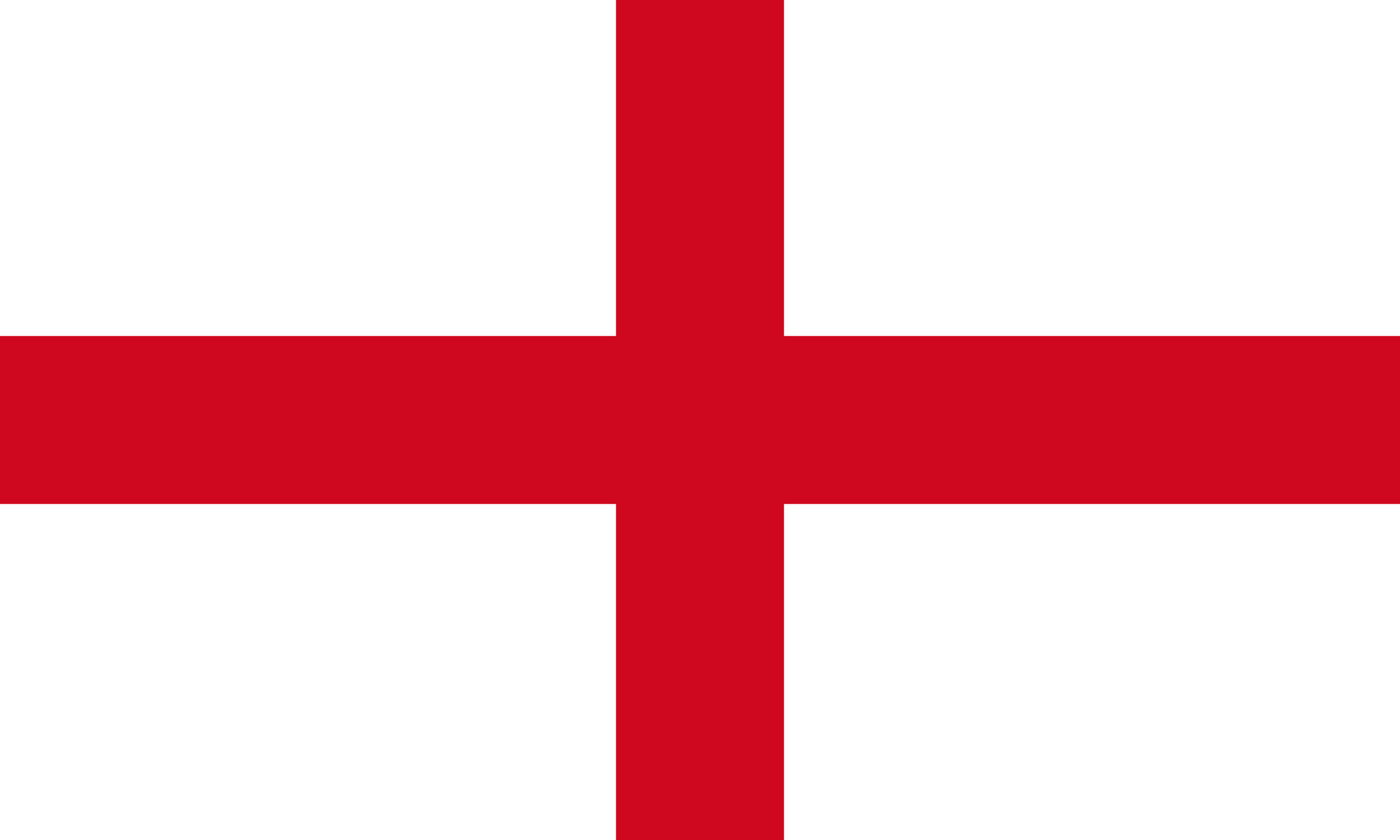
This flag with a Red Cross is the flag of....
England
Scotland
Northern Ireland
Wales
Full-time education is compulsory for all children in the UK between ages ________.
5-15
6-16
5-16
6-7
British education has been ranked among the world’s best on the ground of its ________.
long history, classic study, and English language
scientific research, literature program and outstanding faculty
education quality, the quality of its graduates, and renowned scientific research
the number of Nobel Prize winners, long history, and creative teaching methods
Traditionally, Britain works on a system of contacts among people whose business, professional, sporting and social lives produce a shared cultural ______.
potential
inheritance
legacy
milieu
Specifically speaking, children should be allowed to proceed at their own pace in response to teaching ______ them individually.
for
tailored towards
made for
designed with
What proportion of pupils in Britain stay on in full-time education after the age of 16?
30%
50%
70%
90%
What percentage of elementary and secondary schools in England and Wales are administered by LEAs?
100%
95%
90%
85%

Where are Britain's oldest universities?
London and Oxford
London and Edinburgh
London and Cambridge
Oxford and Cambridge

What percentage of schoolchildren attend state schools in England?
100%
93%
73%
53%
What new qualification has been recently introduced into education in Britain?
The Eleven-Plus
GCSEs
GNVQs
A levels
What are the key differences between the education system in England, Scotland, Wales, and Northern Ireland?
The size of the student population and the location of the schools
The availability of extracurricular activities and school uniforms
The curriculum, examination systems, and governance structures
The language of instruction and school hours
What is the significance of the Welsh Baccalaureate in the education system of Wales?
It is only for students who want to pursue a career in the arts, not for university entry in Wales
It is the qualifications that students need to enter university in Wales
It is not recognized as a valid qualification in the education system of Wales
It is only for vocational training, not for university entry in Wales
How does the university system in Great Britain differ from that in other countries?
The university system in Great Britain has no differences compared to other countries
The university system in Great Britain is exactly the same as in other countries
The university system in Great Britain only differs in terms of language used
The university system in Great Britain differs from other countries in terms of structure, curriculum, and assessment methods.
What are the options for further education after completing secondary education in Great Britain?
Joining the military
Traveling the world
Starting a business
Attending college, pursuing vocational training, or enrolling in an apprenticeship program
What is the significance of A-levels in the education system of Great Britain?
They are only for vocational training, not for university entry in Great Britain.
They are the qualifications that students need to enter university in Great Britain.
A-levels are not recognized as valid qualifications in the education system of Great Britain.
A-levels are only for students who want to pursue a career in the arts, not for university entry in Great Britain.
What is the purpose of the General Certificate of Secondary Education (GCSE) in Great Britain?
To assess students' physical fitness and sports skills
To provide vocational training for students
To prepare students for university entrance exams
To assess students' knowledge and skills at the end of their secondary education
What are the key differences between the education system in England, Scotland, Wales, and Northern Ireland?
The language of instruction and school hours
The curriculum, examination systems, and governance structures.
The size of the student population and the location of the schools
The availability of extracurricular activities and school uniforms
What are the different types of schools in the education system of Great Britain?
Primary schools, secondary schools, and tertiary schools
Public schools, charter schools, and magnet schools
State schools, independent schools, and faith schools
Boarding schools, day schools, and vocational schools
What is the age range for secondary education in Great Britain?
11 to 16 years old
13 to 18 years old
18 to 21 years old
5 to 10 years old
What are the main stages of the education system in Great Britain?
Kindergarten education, junior high education, and college education
Primary school education, high school education, and vocational education
Elementary education, middle school education, and university education
Primary education, secondary education, and higher education
What is the age range for primary education in Great Britain?
10-15
3-8
7-13
5-11

Schools in Britain have .......... terms a year.
two
three
four
no

In an independent ( or private) schools parents don't pay for their children's education
true
false
The main types of schools in Britain are
state schhols , private schools and independent schools
state schools, independent schools and public schools
state schools and private schools
People study a lot to get good _______________
prize
education
food
break

When do they go to the secondary school?
At the age of ten
At the age of twelve
At the age of nine
At the age of eleven

When do most children start primary school?
At the age of six
At the age of seven
At the age of five
At the age of eight

