
 Worksheets
Ecosystem Dynamics Test Review
Total questions: 33
Worksheet time: 13mins
What is a limiting factor in an ecosystem?
A resource that is abundant
A factor that allows unlimited growth
A resource that is lacking and prevents population growth
A factor that increases population size

When would grass be considered a limiting factor for rabbits?
When it is abundant
When it encourages rabbits to grow
When there is not enough for the rabbit population
When it increases the rabbit population
What is the term used to describe the maximum population size that an environment can support?
Growth Limit
Carrying Capacity
Resource Limit
Population Peak

What does the line going up and down in the graph represent?
Constant population growth
Fluctuations in population size around the carrying capacity
A steady decline in population
Unlimited resources
What might happen to organisms that do not get the resources they need?
They will thrive
They may move to get them or they may die
They will become predators
They will continue to reproduce
What happens to competition when there are more resources or fewer organisms in an area?
There is more competition.
There is less competition.
Competition remains the same.
Competition disappears completely.
Which of the following is a type of symbiotic relationship where both organisms benefit?
Parasitism
Commensalism
Mutualism
Predation
In which type of symbiotic relationship does one organism benefit while the other is unaffected?
Mutualism
Parasitism
Commensalism
Competition
What is parasitism?
A relationship where both organisms benefit
A relationship where one organism benefits and the other is harmed
A relationship where neither organism benefits
A relationship where both organisms are harmed
What is commensalism?
A relationship where both species benefit
A relationship where one species benefits and the other is unaffected
A relationship where one species is harmed
A relationship where both species are harmed
What is parasitism?
A relationship where both species benefit
A relationship where one species benefits and the other is harmed
A relationship where both species are harmed
A relationship where neither species is affected
How do invasive species affect local organisms?
They help increase food sources
They take up habitat and food sources
They protect local organisms
They increase biodiversity
What is a keystone species?
An organism that helps hold the ecosystem together
A species that is the most numerous in an ecosystem
A plant that provides food for many animals
A predator that hunts in groups
What might happen to an ecosystem if its keystone species disappeared?
The ecosystem would remain unchanged
The ecosystem would look very different
The ecosystem would become more diverse
The ecosystem would become more stable
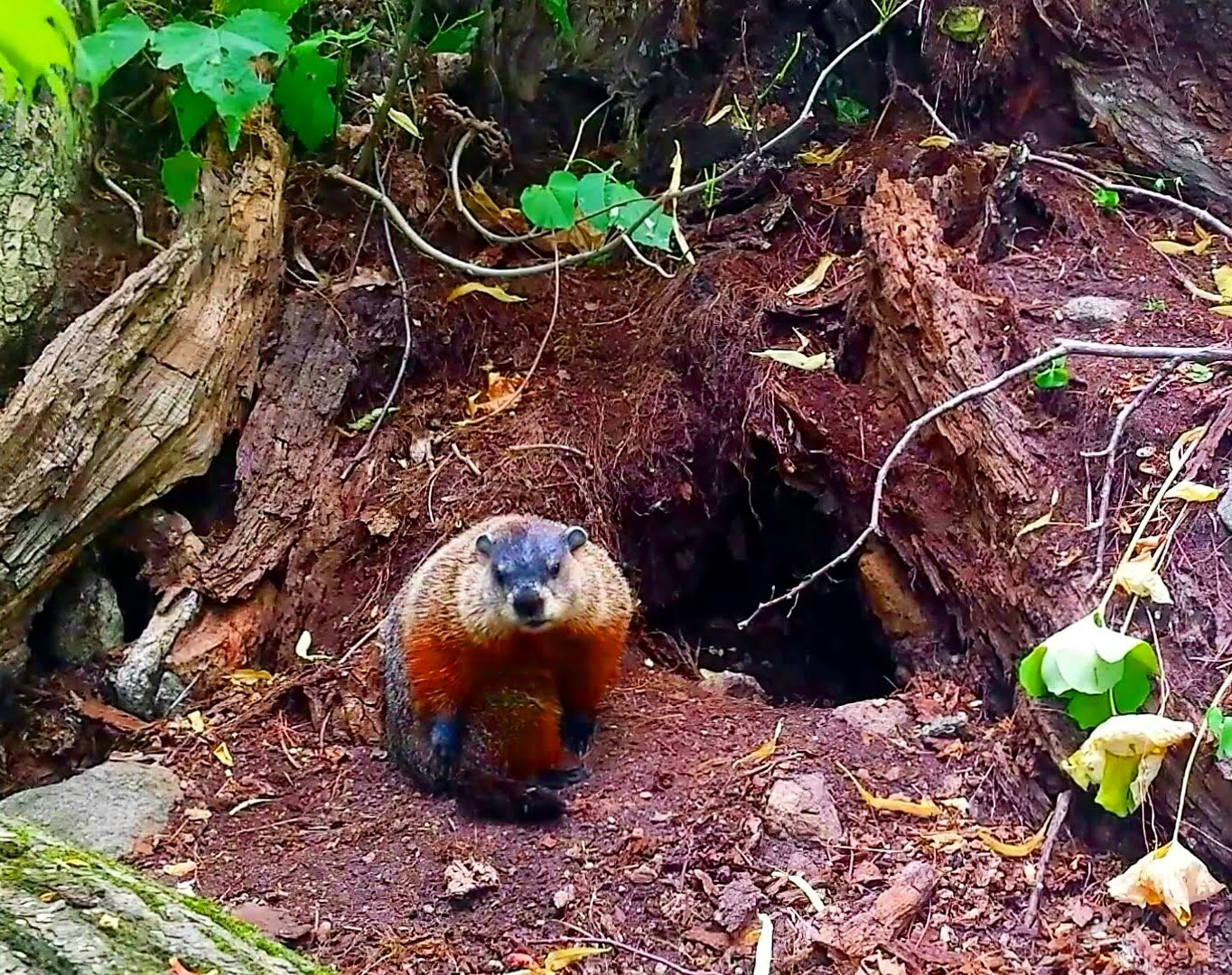

Aphids are tiny insects that live on and eat the leaves of plants, removing vital nutrients from the plants.
Mutualism
Predation
Commensalism
Parasitism

predation

Predation
Predation
Which of the following is a biotic factor that would affect the carrying capacity of a population?
Soil
Predator
Rainfall
Sunlight
Which of the following would likely be a limiting factor to a population?
Abundance of food
Living near a water source
Presence of a natural predator
Multiple sources for shelter
When rabbits were introduced to Australia, they began to breed exponentially. However, over time their population has begun to decrease due to a limiting factor.
What is most likely the limiting factor in this situation?
Abundant space to breed and live
No available predator in the area
Rabbits choosing not to mate to conserve space
Lack of available food
Which of the following demonstrates population growth when there is limited available water in an area?


Habitat availability increases for a population of prey. How would the carrying capacity of the prey change?
The carrying capacity would increase as more resources become available.
Carrying capacity occurs independent of factors in the environment.
The carrying capacity would decrease as more resources became available.
The carrying capacity is set in an environment and cannot change.
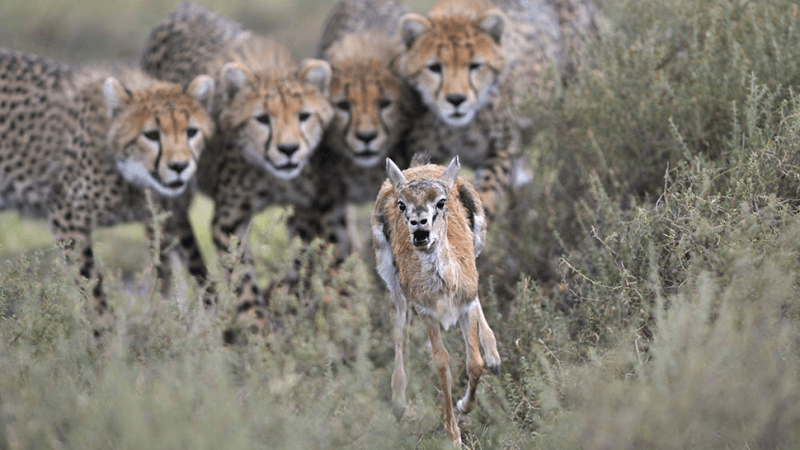
Cheetahs and lions eat the same type of food and struggle with one another to get their food. What is this an example of?
Competition
Biotic factor
Symbiosis
Population
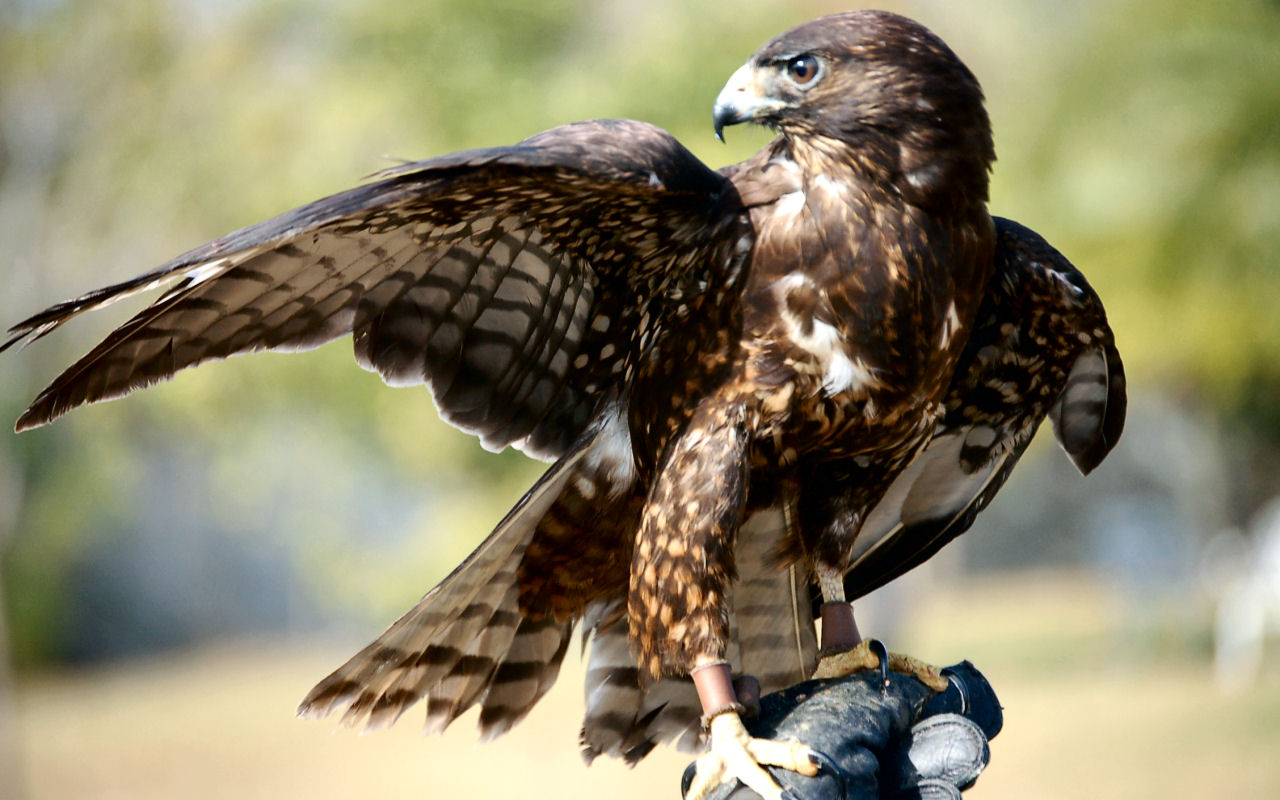
Hawks and brown bears live together in the same habitat. There will be competition between the hawks and the brown bears only if which of the following is true?
Brown bears hibernate during the winter while hawks remain active.
Pesticides in the fish population affect hawks’ eggs and decrease their population.
Both brown bears and hawks feed on the same species of fish.
Laws prevent humans from being able to hunt eagles or grizzly bears.
In a certain ecosystem, foxes and snakes prey on the same species of rabbit. What would increase the competition between the foxes and the snakes?
A reduction in the number of rabbits in the ecosystem
An increase in population of foxes and snakes
A reduction in the size of the habitat for the foxes, snakes, and rabbits
All of the above


Kudzu is an invasive plant species in the southern part of the United States. It is a fast growing vine that can cover fields and trees. The image provides evidence of kudzu's rapid growth in an area.
How does kudzu's rapid growth impact native plant populations?
Kudzu can harm native plant populations because it blocks them from receiving sunlight.
Kudzu can harm native plant populations because it causes more rainfall in the area.
Kudzu can help native plant populations because it protects them from overheating.
Kudzu can help native plant populations because it attracts new animals to the area.
The water hyacinth is a plant that floats on water and forms groups. It can grow very fast and over time will cover the surface of ponds, lakes, and rivers.
What will happen to the environment where water hyacinth plants grow and spread?
The native organisms in the area will not have enough habitat space.
The amount of light in the water will increase.
The temperature of the water will decrease.
The amount of water will increase.

If a new, NON-NATIVE species that eats rabbits was introduced into this food chain, what would probably happen?
the population of rabbits would increase
the population of eagles would increase
the population of eagles would decrease
there would be less sunlight
A habitat is ___________________.
the place in which an organism naturally lives.
how plants produce their own food.
an animal that only eats meat.
something that happens when organisms try to use the same resource

