
 Worksheets
Masonry bits
Total questions: 42
Worksheet time: 25mins
Why is it important to have a good understanding of what type of drill bits are available and what materials they can be used on?
To ensure the correct drill bit is used for the appropriate material, which improves efficiency and safety.
To make the drill bits last forever regardless of use.
So that you can use any drill bit on any material without issues.
Because it is required for all types of construction work, regardless of the task.
According to the passage, what else is important to know besides the types of drill bits and their materials?
The cost of drill bits
The different fixings and the reasons for using different types of screws
The color of drill bits
The history of screws
Masonry bits are used to penetrate which of the following materials?
Wood
Plastic
Masonry, concrete, and stone
Glass
True or False: Masonry bits can be used with softer materials.
True
False
When using a masonry bit, the drill should be on ______ action.
hammer
drill
screw
chisel
What is another name for wood drill bits?
Spur point or dowel bit
Masonry bit
Twist bit
Forstner bit
What is another name for a steel drill bit?
Flat drill
Twist drill
Masonry drill
Spade drill
Steel drill bits can be used on which of the following materials?
Metal
Plastic
All of the above
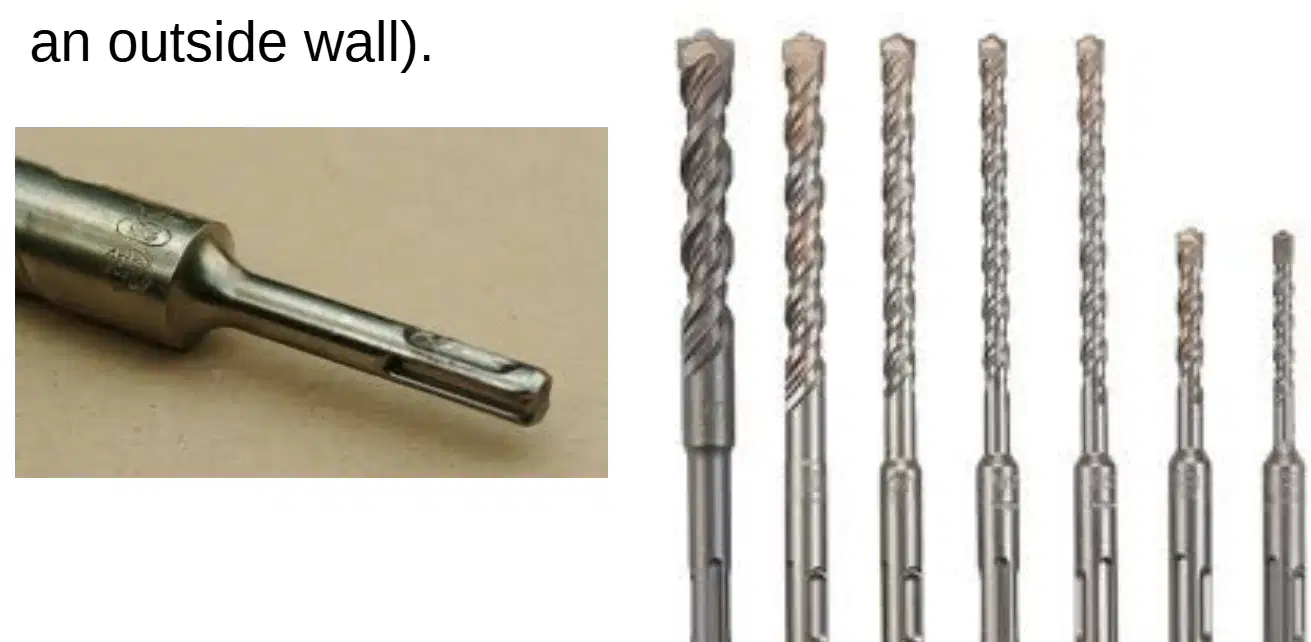
What feature do all SDS drill bits have?
They are made of plastic
They have an SDS shank that locks into the SDS chuck
They are used for cutting wood
They are painted red
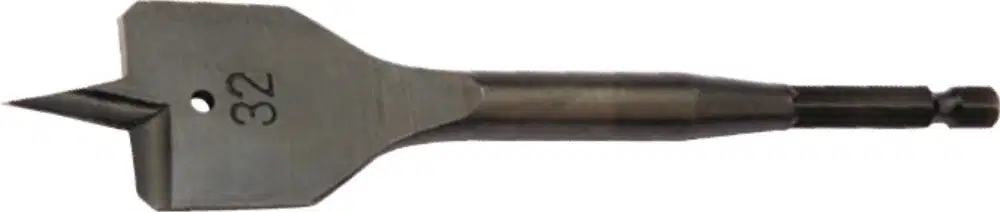
What is another name for a spade bit?
Flat bit
Twist bit
Forstner bit
Hole saw
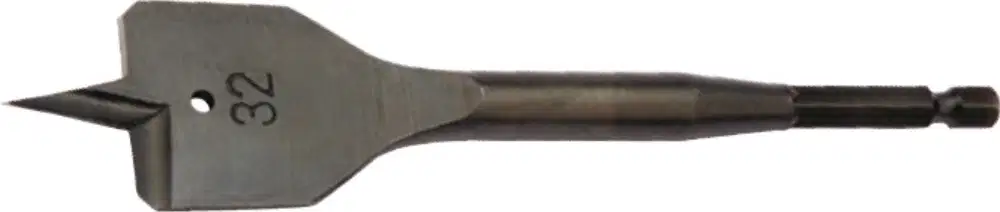
What material is a spade bit typically used on?
Metal
Wood
Plastic
Glass
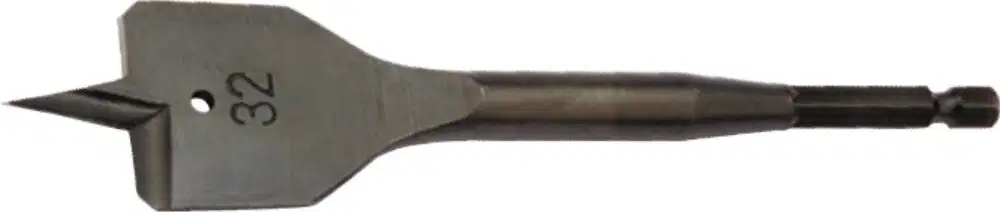
A spade bit is typically used to cut larger-diameter holes.
True
False
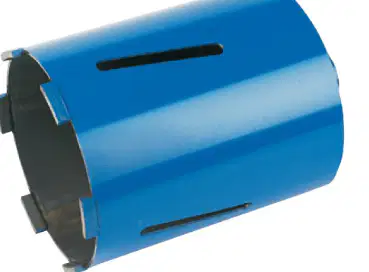
Core drills are used to produce large clean holes through which of the following materials?
Wood
Plastic
Masonry, stone, or concrete
Metal
Do hole saws need hammer action?
True
False
Safe working practices: With all drills make sure: the speed is correct for the _____ and drill type.
material
color
length
brand
Safe working practices: With all drills make sure: hammer action is on only for _____ drills.
masonry
wood
metal
plastic
According to the passage, screws can be made of which of the following materials?
Steel
Stainless steel
Brass
All of the above
According to the passage, screws are ordered in which of the following ways?
By color and material
By gauge and length
By price and brand
By weight and size
In the example given in the passage, what does '50mm x 10' represent when ordering screws?
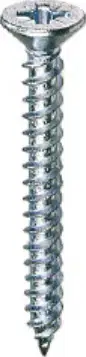
Refer to the diagram of the screw. Which part of the screw is labeled as 'gauge' and which part is labeled as 'length'?
The thickness of the screw is labeled as 'gauge' and the distance from the tip to the head is labeled as 'length'.
The distance from the tip to the head is labeled as 'gauge' and the thickness is labeled as 'length'.
The head of the screw is labeled as 'gauge' and the tip is labeled as 'length'.
The threads of the screw are labeled as 'gauge' and the shank is labeled as 'length'.
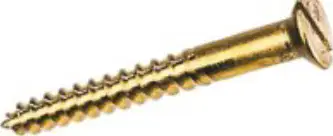
What is the main use of brass wood screws?
For electrical wiring
For general-purpose work
For painting
For gardening
Why are brass wood screws suitable for use in bathrooms and kitchens?
They are very cheap
They are corrosion resistant
They are made of plastic
They are very large
Fill in the blank: The countersunk head enables the screw to be ______ with the finished surface.
flush
raised
loose
protruding
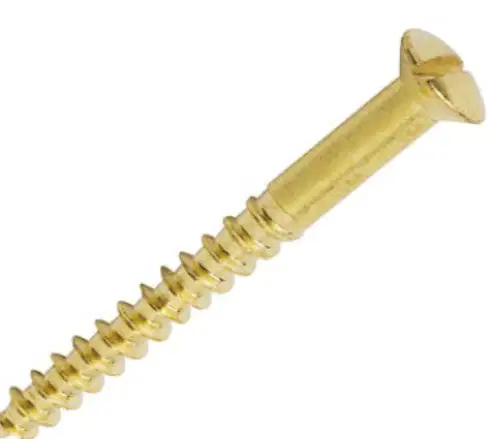
What is the primary purpose of a raised countersunk screw as described in the passage?
To be hidden in fittings
To be a decorative screw used to fit into counter sunk holes in fittings, with the head designed to be visible
To hold two pieces of wood together permanently
To be used only in metal fittings
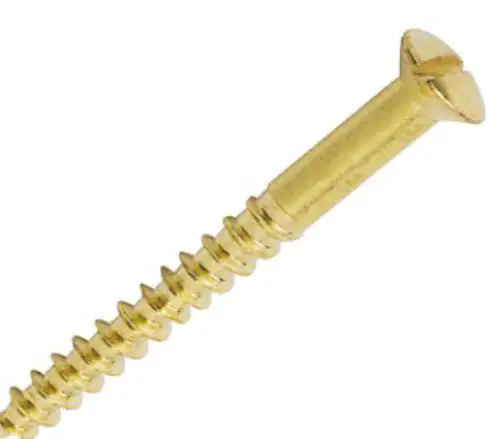
Fill in the blank: A raised countersunk screw is designed so that the head is _______.
visible
hidden
flush with the surface
rounded
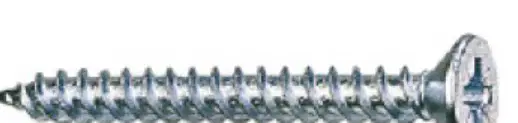
What is the most commonly used general-purpose screw on site according to the passage?
Flathead screws
Crosshead countersunk screws
Hex bolts
Wood screws
What is the main use of crosshead countersunk screws as described in the passage?
To hold floorboards, pipe clips, and trunking in place
To decorate furniture
To connect electrical wires
To paint surfaces
What type of head does a crosshead countersunk screw have?
A countersunk head
A round head
A pan head
A hex head
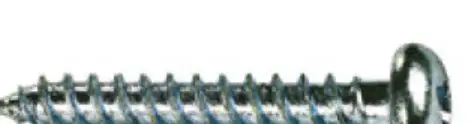
What is the main use of a roundhead screw?
To fix clips in place for pipework or conduit
To cut wood
To paint surfaces
To measure length
Roundhead screws can come in various finishes, including ______ and black.
chrome
wood
plastic
copper
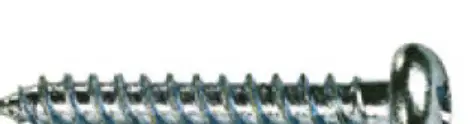
What is the object shown in the image under the section 'Fixings and components'?
Roundhead screw
Hex bolt
Wood nail
Rivet
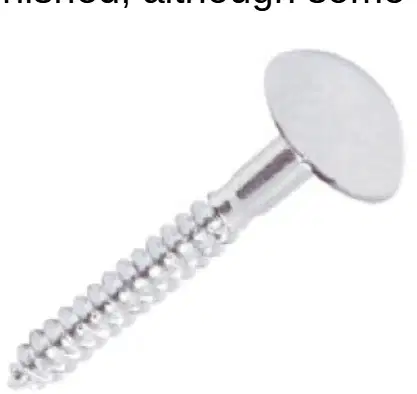
What are mirror screws used for?
Fixing mirrors and bathroom panels
Hanging pictures
Securing doors
Attaching shelves
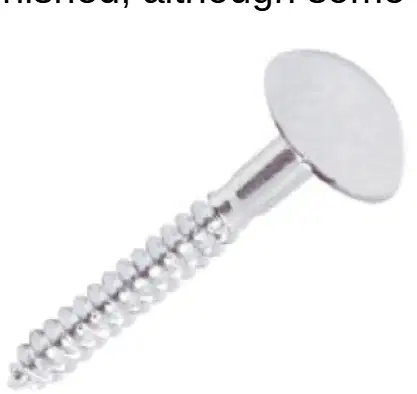
Mirror screws are a two-part screw. The first element is the main screw and the second is a ______ that screws into the screw head, hiding the head and giving an attractive finish.
cap
nut
washer
plug
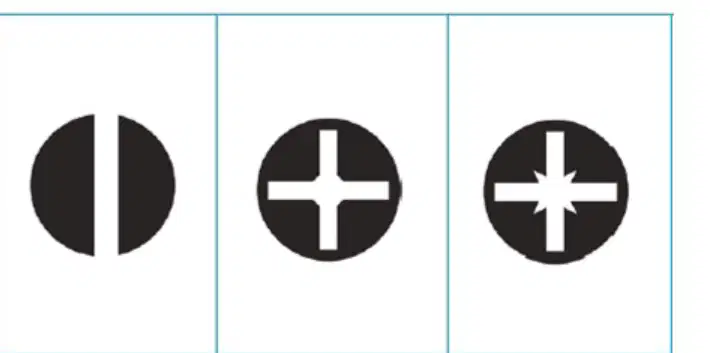
Look at the diagram of screw heads. Match the screw head type to its correct name:
Slotted
A
Philips
B
Pozidrive
C


Which on of these drill bits would you use to drill a hole in masonry for a Rawl plug


Select a 110 V or 230 V power tool and describe the procedure for using the tool safely in order.
Selection of PPE
Preliminary safety checks
Checking manufacturer’s instructions
Select a 110 V or 230 V power tool and describe the procedure for using the tool safely - Dangers. Choose 3.
Trip hazards (trailing cables)
Preliminary safety checks
Electric shock
Moving parts disks, drills, blades etc.