
 Worksheets
Quiz on the Great Migration to British North America
Total questions: 80
Worksheet time: 40mins
What was the time period of the Great Migration to British North America?
1800 to 1830
1815 to 1850
1850 to 1900
1900 to 1950
What was one effect of the Great Migration on the population balance in British North America?
Majority of French descent
Majority of British descent
Majority of Spanish descent
Majority of German descent
What did the Great Migration lead to in terms of government?
Increased monarchy control
Increased demands for democratic reforms
Decreased local control
Increased military presence
What challenges of coexistence did the Great Migration create?
Economic prosperity
Cultural integration
Social tensions
Political stability
Why did peoples in British North America want more democratic government?
To increase taxes
To reduce trade
To have more representation
To expand territory
To what extent did demands for more democratic government reflect challenges of coexistence in British North America?
They had no impact
They highlighted social divisions
They improved unity
They reduced conflicts
How did the response to demands for more democratic government shape Canada?
It led to economic decline
It caused political instability
It influenced the development of Canadian democracy
It resulted in cultural isolation

What triggered the Great Migration?
Economic opportunities in the North
Discovery of gold in California
The invention of the steam engine
The end of World War I
Why did many people lose their jobs during the Industrial Revolution in Britain?
Machines started doing the jobs people used to do.
There was a shortage of raw materials.
The government banned certain industries.
People preferred to work in agriculture.
What was one consequence of big landowners buying small farms in Britain?
Increased agricultural production
Many families had no place to live or work
More job opportunities in cities
Improved living conditions for farmers
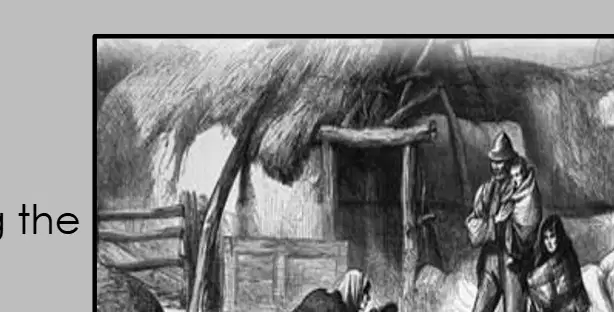
What major event in 1840 forced many people to leave Ireland?
A severe drought
A terrible famine
A political revolution
An economic boom
What opportunity did Britain's colonies offer to people?
A chance to stay in Britain and find jobs
A chance to move and start fresh
A chance to visit other countries
A chance to learn new languages
Why did the British government encourage emigration to the colonies?
To reduce the population in Britain
To help with economic problems and boost loyalty
To explore new lands
To establish new trade routes
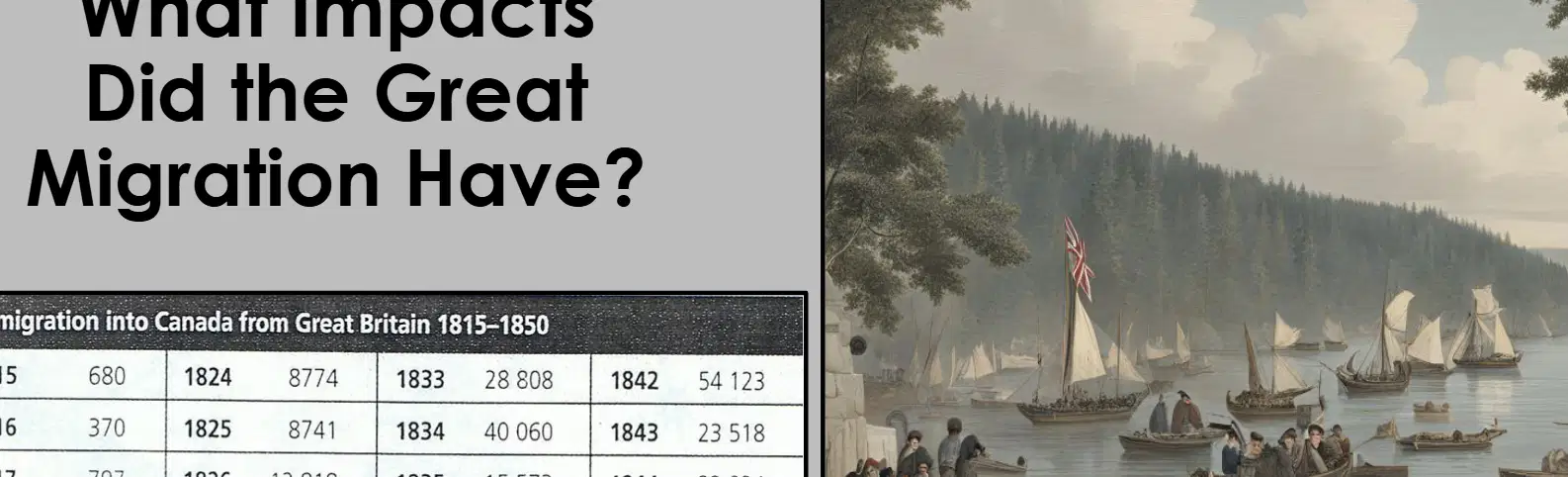
In which year did the highest number of immigrants from Great Britain arrive in Canada according to the table?
1832
1847
1829
1842
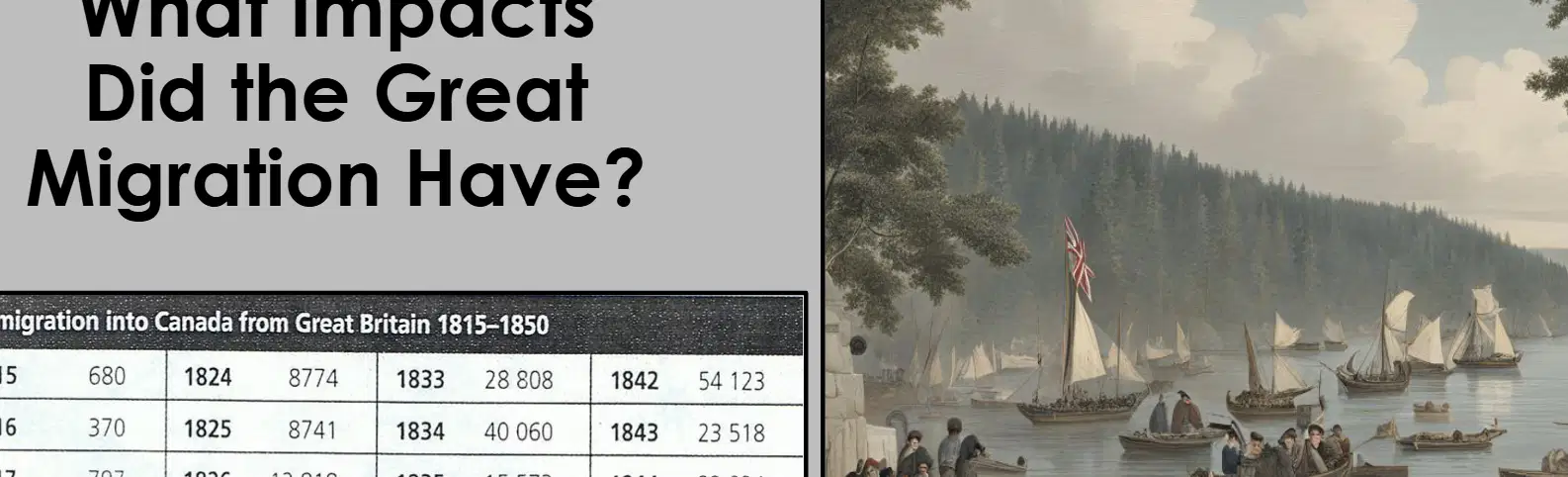
What was the number of immigrants from Great Britain to Canada in the year 1821?
12,955
17,921
11,355
8,774

Which year saw a significant drop in immigration numbers compared to the previous year?
1835
1843
1849
1825
Where were the emigrants from Britain waiting to board ships to?
South America
North America
Australia
Africa
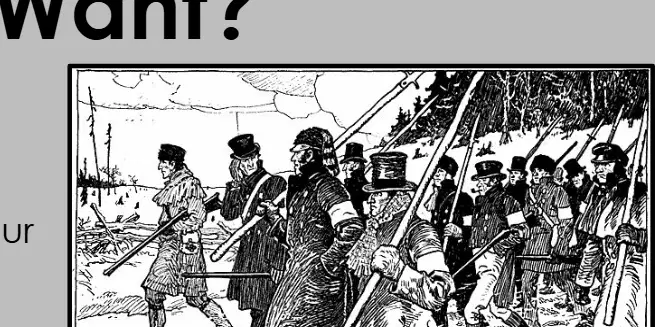
What did the reformers in British North America want from Britain?
To be treated like children
To have full control over their own decisions
To remain under strict British control
To have no say in government matters
Who chose the important leaders in the colonies of British North America?
The local assembly
The British government
The local people
The colonial council
What type of government did the colonies in British North America have?
Federal government
Colonial government
Democratic government
Monarchical government
What was the role of the local assembly in the colonies?
To make all major decisions
To choose the governor
To give advice to the governor and councils
To control the military
Who voted for the members of the local assembly in the colonies?
The British government
The governor
The local people
The colonial council
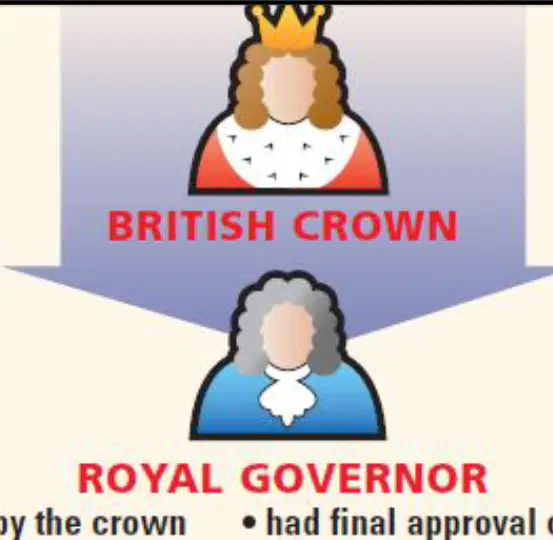
Who appointed the Royal Governor in British North America?
The British Crown
The Council
The Colonial Assembly
The Royal Governor
What was one of the roles of the Royal Governor?
Elected by eligible colonists
Had final approval on laws
Acted as the highest court
Made laws
Who had the authority to tax in British North America?
The British Crown
The Royal Governor
The Council
The Colonial Assembly
What was the role of the Council in British North America?
Oversaw colonial trade
Elected by colonists
Advisory board to the governor
Could dismiss the colonial assembly
In a democracy, how do people choose their leaders?
By voting
By inheritance
By appointment
By lottery
What did reformers in British North America want voters to have more power over?
Electing council members
Choosing the king
Deciding tax rates
Writing laws
What was one way reformers wanted to change the government in British North America?
By electing council members instead of governors
By increasing taxes
By reducing the number of council members
By appointing governors for life
What did some reformers want to do regarding British rule?
Completely break away from British rule
Strengthen ties with Britain
Increase British influence
Abolish the council system
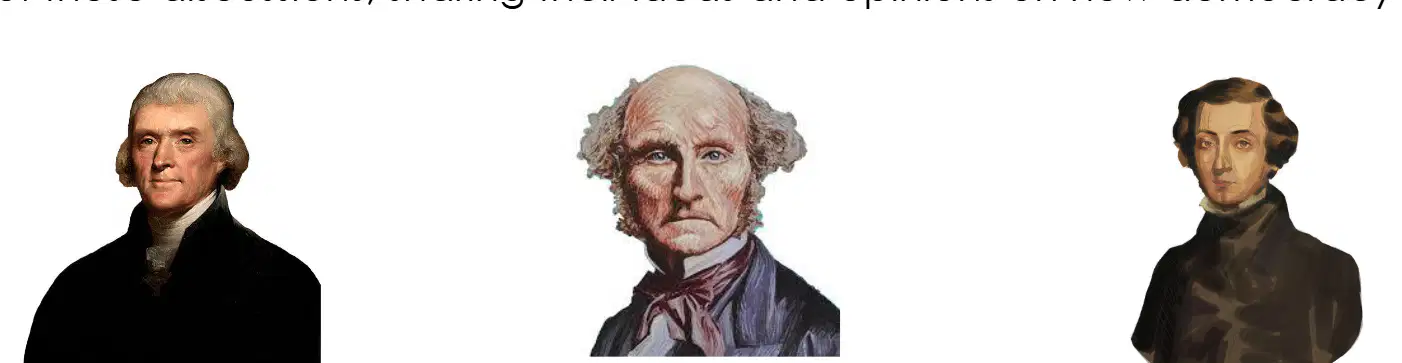
In which centuries were people in Europe and America actively debating about democracy?
1600s and 1700s
1700s and 1800s
1800s and 1900s
1900s and 2000s
Which thinkers were involved in discussions about democracy during the late 1700s and early 1800s?
Thomas Jefferson, John Stuart Mill, Alexis de Tocqueville
Albert Einstein, Isaac Newton, Galileo Galilei
Karl Marx, Friedrich Engels, Vladimir Lenin
Plato, Aristotle, Socrates

Who believed that laws should be decided by voting because everyone is equal?
John Stuart Mill
Alexis de Tocqueville
Thomas Jefferson
James Madison
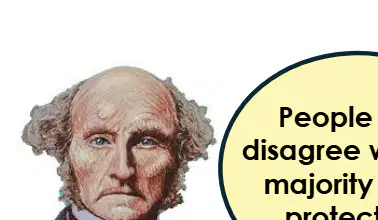
What did John Stuart Mill worry about regarding the majority?
The majority should always rule
The tyranny of the majority
The majority is always right
The majority needs more power
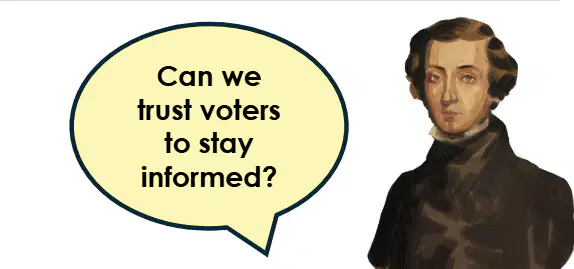
What was Alexis de Tocqueville concerned about regarding voters?
Voters always make the best decisions
Voters should not have any power
Voters who are uninformed or make poor decisions
Voters should follow the majority
Which of the following is a responsibility that all voters should follow?
Ignore political debates.
Stay informed about issues.
Vote based on appearance.
Follow friends' opinions blindly.
What was the main cultural difference causing the power struggle in Lower Canada?
The council was run by French-speaking Catholics, while most assembly members were English-speaking Protestants.
The council was run by English-speaking Protestants, while most assembly members were French-speaking Catholics.
Both the council and assembly were run by English-speaking Protestants.
Both the council and assembly were run by French-speaking Catholics.
What was the "Château Clique"?
A group of French-speaking farmers.
A group of English-speaking merchants with control in the councils.
A group of Canadien voters.
A group of British soldiers.
Which groups started winning most of the seats in the elected assembly in the 1820s?
The Château Clique
The Parti Canadien and Parti Patriote
The British soldiers
The English-speaking Protestants
What happened during elections between Canadien voters and English-speaking voters?
They peacefully agreed on candidates.
They held joint meetings.
Fights sometimes happened.
They ignored each other.
What event occurred in 1832 involving British soldiers?
They helped organize the elections.
They were called to stop a fight and ended up shooting three Canadiens.
They joined the Parti Patriote.
They supported the Château Clique.
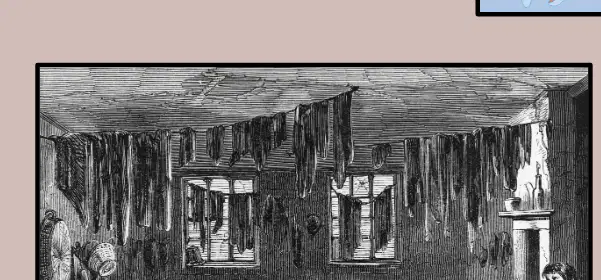
What disease caused an epidemic in Lower Canada, brought by British and Irish immigrants?
Influenza
Cholera
Smallpox
Malaria
What is the definition of an epidemic?
A rare disease affecting a few people
The infection of a large population by a disease
A disease that only affects animals
A seasonal illness
What does crop failure refer to?
Successful harvest of crops
Damage or elimination of a food crop due to natural causes
Increase in crop production
Planting new types of crops
By the winter of 1837, what were many Canadiens farmers facing due to crop failures?
Prosperity
Starvation
Abundance
Wealth
What was the "Family Compact" in Upper Canada?
A group of wealthy English Canadian families
A political party supporting democracy
A group of American settlers
A farming community
Which party won a majority in the elected assembly in 1834?
The Family Compact
The Reform party
The Loyalists
The Governor's party

What significant event occurred in Upper Canada by 1837?
The Reform party gained control
Widespread crop failures
The Family Compact dissolved
The governor resigned
Who was the reformer in Lower Canada during the 1830s?
William Lyon Mackenzie
Joseph Howe
Louis-Joseph Papineau
John A. Macdonald
Which reformer was associated with Upper Canada in the 1830s?
Joseph Howe
Louis-Joseph Papineau
William Lyon Mackenzie
George Brown
In which region was Joseph Howe a reformer during the 1830s?
Lower Canada
Upper Canada
Nova Scotia
New Brunswick
What was common among the reformers mentioned in the 1830s?
They were all military leaders.
They were all members of the elected assemblies.
They were all governors.
They were all explorers.
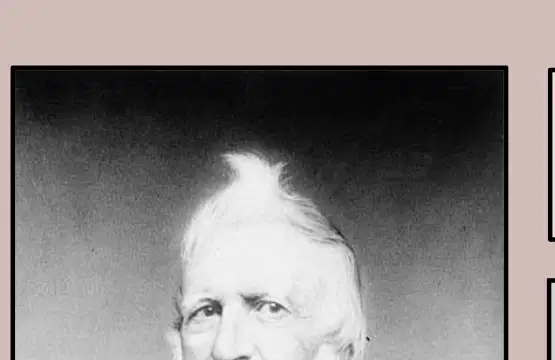
What was Louis-Joseph Papineau's stance on the government's treatment of the English minority in Lower Canada?
He supported the government's actions.
He believed it was fair to focus on the English minority.
He thought it was wrong to ignore the majority Canadiens.
He had no opinion on the matter.
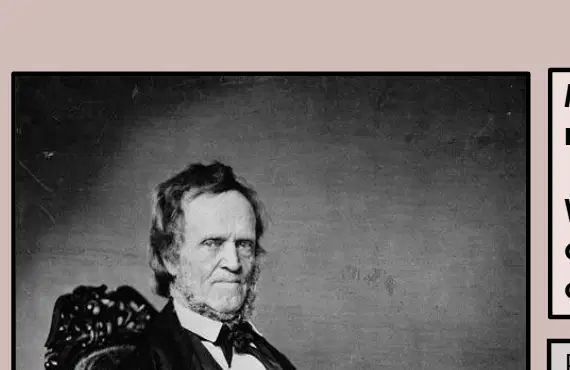
What did William Lyon Mackenzie use his newspaper for in Upper Canada?
To sell advertisements
To voice his political ideas
To report sports news
To publish fiction stories
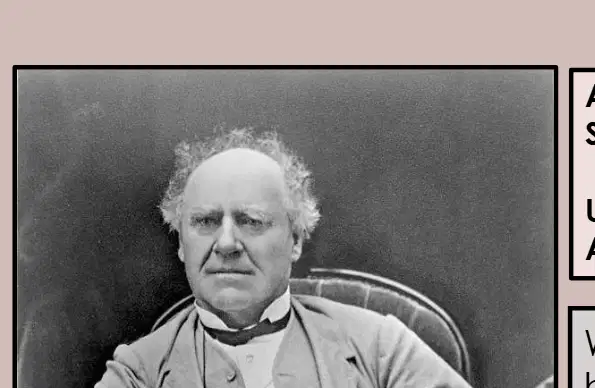
Who was Joseph Howe?
A newspaper owner who called for reform in Nova Scotia
A British politician who opposed democratic reforms
A military leader in British North America
A famous scientist from Nova Scotia
What significant change occurred under Joseph Howe's leadership in Nova Scotia?
It became the first colony in British North America to move towards a more democratic government
It gained independence from Britain
It became a major industrial hub
It formed a new alliance with France
What did Joseph Howe want for the government?
A government that reflects what people want and helps the country succeed
A government that maintains strict control over the people
A government that focuses solely on economic growth
A government that isolates itself from other countries
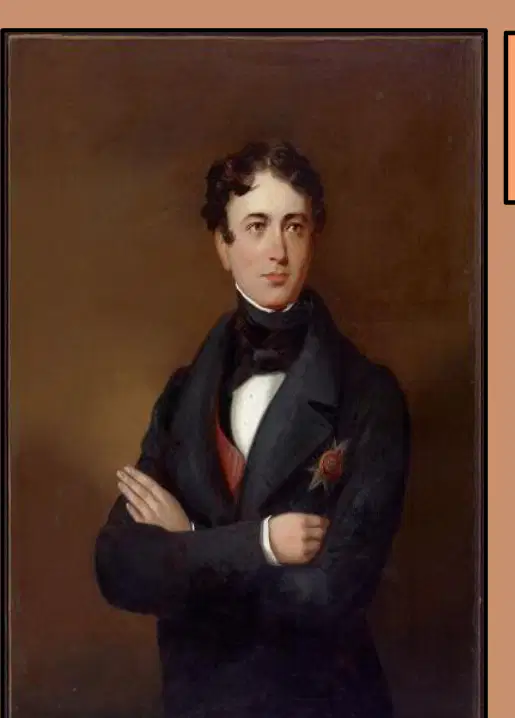
Who was appointed as the governor of British North America in 1838?
John George Lambton, First Earl of Durham
William Lyon Mackenzie
Louis-Joseph Papineau
Sir John A. Macdonald
What was the purpose of the royal commission set up in 1838?
To investigate the problems in Upper and Lower Canada
To explore new territories in North America
To establish trade routes with the United States
To negotiate peace with Indigenous peoples
Why did Britain want to understand the cause of the rebellions?
To prevent losing Upper and Lower Canada like the Thirteen Colonies
To increase taxes on the colonies
To expand their military presence
To establish new trade agreements
What was the first recommendation in the Durham Report?
Union of Lower and Upper Canada
More Democratic Government
Assimilation of the Canadiens
Independence for Canada
What did Lord Durham believe about the control of Lower Canada?
It should be given to an English majority
It should remain under British control
It should be independent
It should be governed by the Canadiens
What was the second recommendation in the Durham Report?
Union of Lower and Upper Canada
More Democratic Government
Assimilation of the Canadiens
Complete independence from Britain
What did Lord Durham think about Britain's control over the colony?
Britain should have more control
Britain should have less control
Britain should have no control
Britain should control only the economy
What was the third recommendation in the Durham Report?
Union of Lower and Upper Canada
More Democratic Government
Assimilation of the Canadiens
Economic independence
In what year did Britain pass the Act of Union?
1837
1841
1850
1867
What was the main purpose of the Act of Union according to the Durham report?
To separate Upper and Lower Canada
To pressure the Canadiens to assimilate
To establish a new currency
To create a new military alliance
What did the Act of Union combine into a single province?
Upper Canada and Lower Canada
Canada East and Canada West
Nova Scotia and New Brunswick
Ontario and Quebec
What was made the official language of government in the new Province of Canada?
French
Spanish
English
German

How was the assembly created under the Act of Union structured in terms of representation?
More representatives from Canada East
More representatives from Canada West
Equal number of representatives from Canada East and Canada West
No representatives from Canada East
Who were the two main figures in the LaFontaine-Baldwin Alliance?
John A. Macdonald and George-Étienne Cartier
Robert Baldwin and Louis-Hippolyte LaFontaine
William Lyon Mackenzie and Joseph Howe
Alexander Mackenzie and Wilfrid Laurier
What was one of the main goals of the LaFontaine-Baldwin Alliance?
To make English the only official language
To create more democracy
To expand the British Empire
To abolish the assembly
What significant event did the LaFontaine-Baldwin Alliance achieve in 1848?
The establishment of a new monarchy
The creation of a new constitution
Britain granting self-government to the Province of Canada
The end of the fur trade
What did the LaFontaine-Baldwin Alliance achieve for the 1837–1838 rebels?
They were given land
They were granted amnesty
They were sent to England
They were imprisoned
What was the purpose of the Rebellion Losses Bill of 1849?
To reward Conservative members
To help people in Lower Canada affected by the 1837–1838 Rebellions
To punish British Governor Lord Elgin
To support the British government
Who did not support the Rebellion Losses Bill, calling it a reward for 'traitors'?
LaFontaine and Baldwin
British Governor Lord Elgin
Some Conservative members
The reform alliance
What action did British Governor Lord Elgin take regarding the Rebellion Losses Bill?
He vetoed the bill
He signed the bill into law
He ignored the assembly's decision
He supported the Conservative members
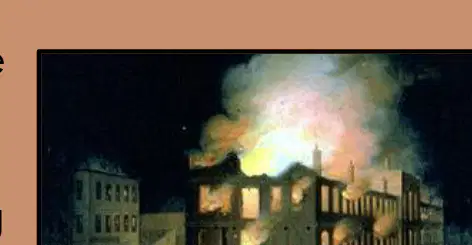
What did Lord Elgin's action demonstrate about the Province of Canada?
It was still under British control
It could make its own decisions, independent of Britain
It was divided on the issue
It was supportive of the British government
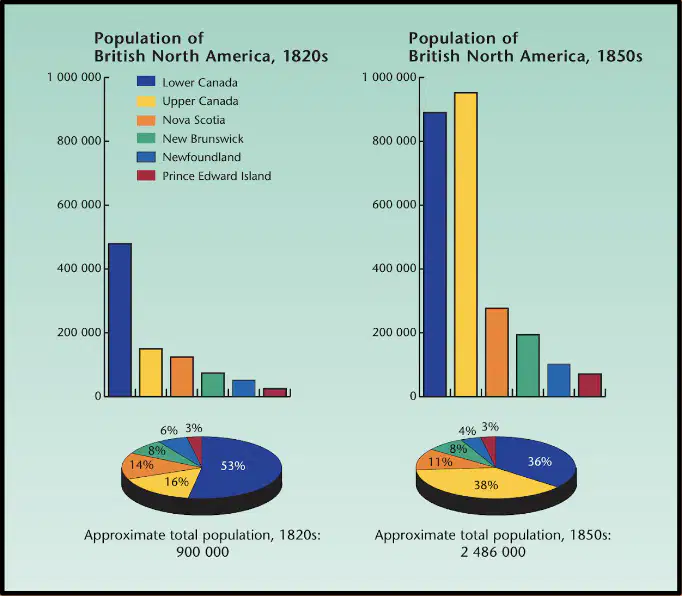
What significant event changed the demographics of British North America in the 19th century?
The American Revolution
The Great Migration
The Industrial Revolution
The French Revolution
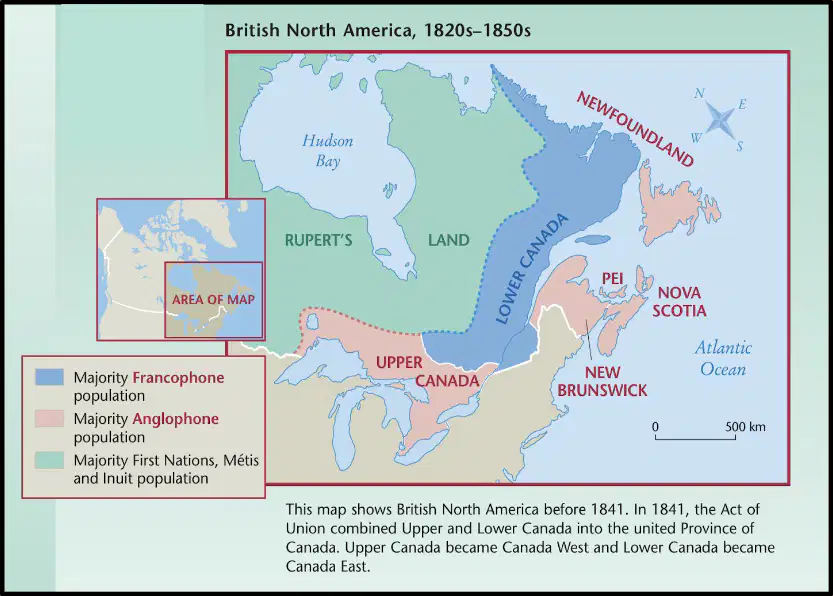
What did the Act of Union accomplish in 1841?
It separated Upper and Lower Canada
It combined Upper and Lower Canada into the Province of Canada
It established the Dominion of Canada
It granted independence to Canada

