
Font size
 Worksheets
CDL General Knowledge
Total questions: 95
Worksheet time: 2hrs 43mins
As the blood alcohol concentration (BAC) goes up, what happens first?
Judgment and Self Control are affected
Lose Muscle Controll
Can not see clearly
Can not find the petals
Implied consent means?
Implied consent means consent to be tested for alcohol in your blood.
The total weight of the powered unit, the trailer, and the cargo is called?
Gross Combination Weight (GCW)
If you do not have a CB radio, what is the 1st thing you should do at an accident scene?
Protect the area.
Which of these is true about mirror adjustments?
Mirrors should be adjusted prior to starting a trip.
Brake Fade:
Brake fade is the reduction in braking performance due to overheating.
When looking ahead of your vehicle while driving you should look?
Back and forth, near and far
Right behind your vehicle, near to far.
How far ahead of the vehicle should the driver look while driving?
20 to 25 seconds ahead
(1/2 mile)
1 to 2 minutes ahead
(1-2 miles)
12 to 15 seconds ahead (1/4 mile)
5 to 10 seconds ahead
(1/8 mile)
Which of these is the proper way to signal to change lanes?
Signal early and change lanes slowly and smoothly.
Signal when you are ready and change lanes.
Change lanes when you see an opening.
After traffic has stopped, make adjustments to speed and change lanes
You should signal continuously while turning because?
You need both hands on the wheel to turn safely.
You are driving a vehicle at 45 mph on dry pavement.
About how much stop distance would you need to stop?
Approximately 5 car lengths.
Approximately the Length of a football field.
Approximately 10 seconds.
The primary cause of fatal crashes is?
Driving to fast
You should try to park so that?
You can pull
forward to leave.
When driving at night, you should use your low beams when an oncoming vehicle is within?
You are driving in an area with few streetlights on a clear night.
If you cannot see well with your headlights, which of these actions would help?
Use high beams and keep interior lights off.
What happens to tar in road pavement when it gets extremely hot?
Tar bleeds, making the road surface slippery
What is the best advice for drivers when heavy fog occurs?
Park the truck until the fog has lifted.
Which of these statements about cold weather driving is true?
Windshield washer antifreeze should be used.
Strong winds most affect driving when?
Upon exiting tunnels
Perception distance is the distance your vehicle travels from time:
You are driving on a two-lane road.
An oncoming driver drifts into your lane headed straight for you.
Which of these is most often the best action to take?
You can see a marking on a vehicle ahead of you. The marking is a red triangle with an orange center.
What does the marking mean?
Hydroplaning is most likely to happen when:
Hydroplaning is most likely to happen when tire pressure is low.
What should you do when your vehicle hydroplanes?
Release the accelerator.
In the event of a rear tire failure, dual rear tires will?
Prevent fishtailing.
Which of these is correct about emergency or evasive action?
Steer left to avoid hazard.
In order to turn quickly you must have a firm grip on the steering wheel.
Pump brakes to charge braking system.
Use perception to avoid road hazard.
Most serious skids result from?
Loss of traction
Over length, over width, or over weight loads require?
Containerized loads are generally?
is carried part way by rail or ship
Which of these statements about an inspection of suspension components is true?
Axle mounts should be checked at each point where they are secured.
Should brake adjustments be checked often?
Yes, brake adjustments should be ignored unless there's a problem.
Yes, check brake adjustments only once a year.
No, brake adjustments are not necessary.
Which of these is NOT part of the pre-trip inspection of the engine component?
Valve clearance
A full stop is required at a railroad grade crossing when?
When the nature of the cargo makes a stop mandatory under law.
You do NOT have a Hazard Materials Endorsement on your commercial license.
You can drive a vehicle hauling hazardous material when?
The vehicle does not require placards.
You are driving a heavy vehicle with a manual transmission. You have to stop the vehicle on the shoulder while driving on an uphill grade. Which of these is a good rule to follow when putting it back in motion up the grade?
Engage the parking brake until the clutch engages.
If your brakes fail on a downgrade, you must first?
Look outside the vehicle for another way of stopping it.
To help you stay alert while driving, you should?
Take regular breaks before you get drowsy.
Which of the following is a good way to react to an aggressive driver?
Give the driver the benefit of doubt.
If you must use a cell phone while driving, you should?
Pull off the road onto a safe and legal position.
Which of the these statements about staying alert while driving is true?
Sleep is the only thing that can overcome fatigue.
During driving, medicines used to treat the common cold cause:
Improved reaction time and judgment and are fine to use while driving.
Drowsiness and shouldn't be used while driving.
Enhanced motor skills and coordination, and are fine to use while driving.
Should be discussed with a doctor before use.
While driving, which of the statements about drugs is true?
Which of these statements about causes of vehicle fires is true?
Poor trailer ventilation can cause cargo to catch on fire.
What will help keep an engine cool in hot weather?
Making sure the engine has the right amount of oil.
Which of these statements about marking a stopped vehicle is true?
If a hill or curve keeps others from seeing the vehicle within 500ft, the rear triangle should be moved to an adequate location for warning.
Which of these do not provide extra gears on some trucks?
Automatic trucks
Which of these statements about downshifting while driving is true?
Downshifting for a curve, you should do so before you are entering a curve.
Why is it important while driving to shift gears correctly?
To keep control of the vehicle.
Backing a commercial vehicle is?
Always dangerous.
While driving, what is counter steering?
Turning the wheel in the opposite direction after steering to avoid an emergency.
You see a car approaching from the rear, the next time you check your mirror the car is gone. You wish to change lanes. You should?
wait until your blind spot is clear before changing lanes.
The distance you should look ahead of your vehicle while driving is?
20 to 25 seconds ahead
(3/8 mile)
30 seconds ahead
(1/2 mile)
10 to 15 seconds ahead
(1/4 mile)
5 to 10 seconds ahead
(1/8 mile)
You are driving a heavy vehicle. You must exit the highway using an off ramp that curves downhill. You should?
When driving on packed snow you should reduce your speed by?
Merging into a road is safest if you?
wait for a large enough gap in traffic
stop and wait for a clear road completely
While driving, if you are being tailgated, you should?
Increase following distance.
What should you do while driving at night and a car is coming toward you with its high beams on?
The road you are traveling on becomes very slippery due to glare ice. Which is a good thing to do in such a situation?
Stop driving as soon as you can safely do so.
When driving through construction zones, you should:
Speed up and hurry through them so you aren't in them any longer than
necessary
Stop before entering them, get in low gear and proceed through
Watch for sharp pavement drop-offs
Reduce your speed only if workers are near the roadway
When driving a vehicle with-a height over 13 feet, you should:
Assume all clearances are of sufficient height
Height clearance is not a concern as long as you stay on state or federal roadways
Stop and check before proceeding if you are unsure of the clearance
All of the above
The proper way to load a vehicle is:
Keep the load balanced in the cargo area
Place the load at the front of the trailer to give your drive wheels better traction
Place the load at the rear of the trailer so your rear tires have better traction
It makes no difference where the cargo is placed as long as you are not over the allowable gross weight
When driving at night, you should:
Dim your lights when you are within 300 feet of oncoming traffic
Watch the white line on the left side of the roadway
Adjust your vehicle speed so as to keep your stopping distance within your sight distance
Keep your high beams on at all times
According to the Commercial Driver's License Manual, why should you limit the use of your vehicle's horn?
If your vehicle has air brakes, the air horn may not work while you are applying your brakes
It may startle other drivers
You should keep both hands on the steering wheel at all times
The Commercial Driver's License Manual does not say that a driver should limit the use of the horn
If you break down on a level, straight, four lane, divided highway, where should you place the reflective emergency triangles?
One 10 feet from the rear of the vehicle, one approximately 100 feet from the rear of the vehicle and another one about 100 feet to the front of the vehicle
One 10 feet from the rear of the vehicle, one approximately 100 feet from the rear of the vehicle, and one about 200 feet from the rear of the vehicle
One 100 feet from the rear of the vehicle, one approximately 200 feet from the rear of the vehicle, and one about 300 feet from the rear of the vehicle
One 50 feet from the rear of the vehicle, one about 100 feet from the rear of the vehicle, and one about 200 feet from the front of the vehicle
You're driving on a straight and level roadway at 60 mph and suddenly a tire blows out on your vehicle. What should you do first?
Immediately begin light, controlled braking
Immediately begin stab braking
Grip the steering wheel firmly with both hands and stay off the brakes until the vehicle has slowed down
Immediately begin emergency braking
If you drive through heavy rain or standing water, your brakes may get wet. What can this cause to happen when you apply the brakes?
Trailer jackknife
Your brakes to heat up
Hydroplaning
Hydroplaning if you were traveling faster than 30 mph when you applied the brakes
Which of the following should you NOT do?
Turn your headlights on during the day if visibility is reduced due to bad weather
Flash your brake lights to warn vehicles behind you that you are slowing down
Flash your brake lights when entering a construction zone if vehicles are close behind you
Flash your brake lights if someone is following too closely
Which of the following is true?
It is permissible to use radial and bias-ply tires together on the same axle
Tires of mismatched sizes should not be used on the same vehicle
4/32 inch tread depth is the maximum allowed on drive tires
2/32 inch tread depth is permissible for steering tires
At what Blood Alcohol Concentration (BAC) will you be placed out of service for 24 hours?
.04% or higher
.03% or higher
1.0% or higher
Any detectable amount
When you see a hazard in the roadway in front of you, you should:
Steer and countersteer around it
Stop quickly and get off the roadway if possible
Stop quickly, stay in the roadway, set your reflective emergency triangles, and go to the rear of your vehicle to flag down traffic
Turn on your 4-way flashers or flash your brakes lights to warn others
Water will extinguish which of the following fires?
Electrical
Diesel fuel
Gasoline
Tire
Your vehicle is 40 feet long and you are traveling at 50 mph. The safe following distance is:
5 seconds
6 seconds
4 seconds
3 seconds
Convex (curved) mirrors will:
Make objects appear to be larger than they really are
Make objects appear to be smaller than they really are
Make objects appear closer and larger than they really are
Show a wider area than flat mirrors
After you start your engine, which of the following should occur?
Oil pressure will build in 4 to 5 minutes
Air pressure will rise to normal in 10 to 15 minutes
The water temperature will indicate a gradual rise to normal operating temperature
The manifold exhaust indicator gauge will immediately rise to 190 degrees Fahrenheit
What is hydroplaning?
An emergency situation created when an aircraft must make an emergency landing on a highway
Excessive heat build up in the radiator
Something that only occurs at high vehicle speeds
When your vehicle wheels lift off the roadway on a thin film of water
A first offense for driving a CMV under the influence of alcohol or drugs will cause you to lose your CDL for at least:
Three years
One year
Two years
Six months
The best drivers are those that watch and prepare for hazards. This is called being:
When hydraulic brakes fail while driving, what action should you take?
Pump the brakes pedal to generate pressure.
Optional safety equipment may include emergency numbers, tire chains, and?
tire changing equipment
If you have a heavy load that is slowing you down on an upgrade, you should?
Shift into a lower gear.
Which of these is NOT a danger when an automatic transmission is forced into a low gear at high speeds?
loss of steering control
To go down a long, steep hill you should_________
apply your brakes hard
shift to a low gear after starting down the grade
shift to a high gear before starting down the grade
shift to a low gear before starting down the grade
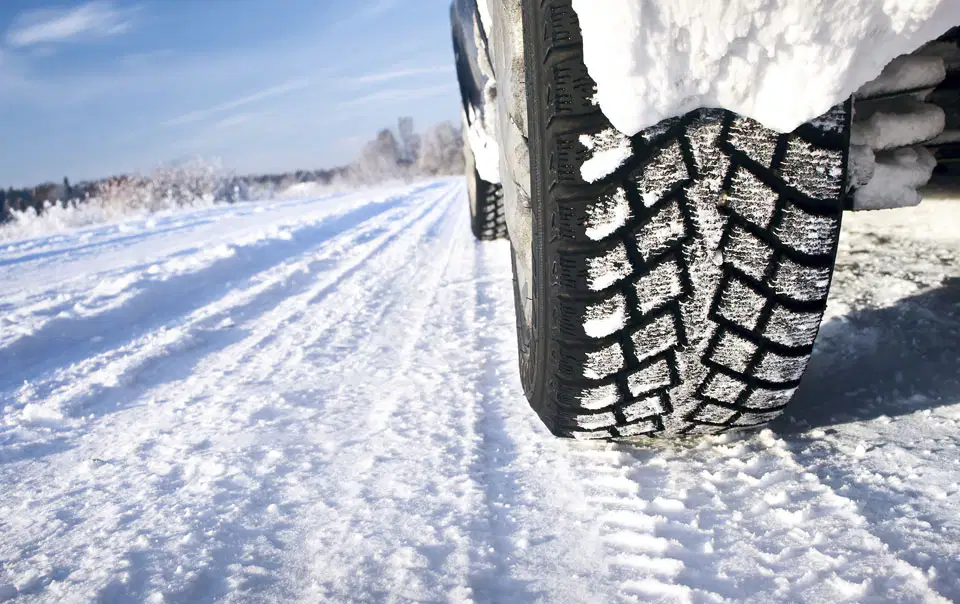
How much tread depth should you have
on your front tires when driving in the winter?
minimum of 4/32 inch
under 4/32 inch
minimum of 2/32 inch
maximum of
2/32 inch

How often must drivers of trucks and truck tractors conduct a safety inspection?
Before driving
Before driving,
every 3 hours during driving,
and after driving
Every 5 hours and after driving
After driving

What is a tractor jackknife?
Another name for hard steering
A device used in the
hydraulic system
A drive-wheel skid
A time for you to get right with the Lord

Which of the following is true about empty trucks?
They have better traction
They require less braking power
They require greater stopping distance
They are easier to steer
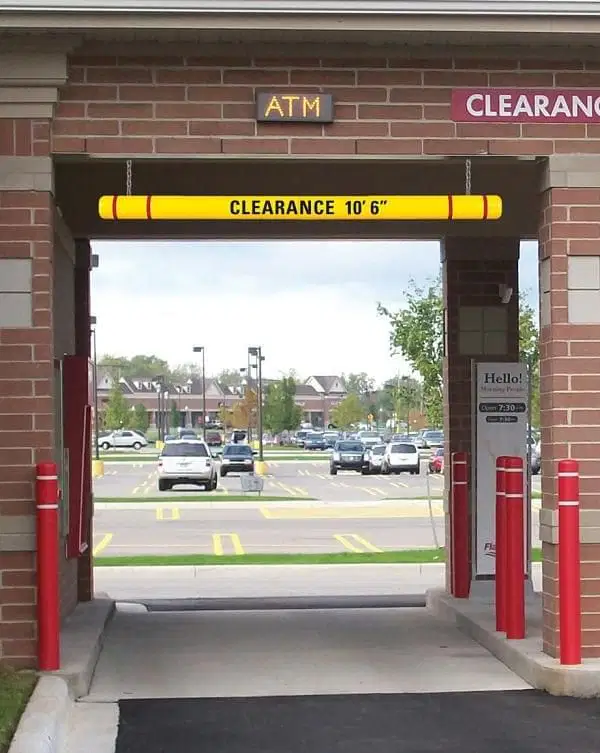
Which of the following is true about overhead clearance?
Posted heights are always correct
A loaded truck is higher than an empty one
Repaving or packed snow increases the clearance height
An empty van is higher than a loaded van
Which of the following statements about backing a commercial motor vehicle to a dock is NOT true?
Since you can't see behind you, you should back slowly until you bump the dock
Use a helper and communicate with hand signals
You should always back toward the driver's side when possible
Both A and C
At a drawbidge that lacks a signal light or traffic control attendant, you must stop at least how far from the draw of a bridge?
When is it safe to tow a bus?
When the bus is unloaded with passengers.
You can tow it with passengers to a safe spot for them to get off.
Can a bus carry 100 pounds each of class 1, class 3, class 4, and class 5 hazardous materials?
Yes, a bus can carry up to 500 pounds total.
On a bus, you may sometimes haul small-arms ammunition, emergency shipments of drugs, or hospital supplies. The total weight of all such hazardous materials must not be greater than?
What 3 emergency equipment items must you have on your bus?
Fire extinguisher, spare electrical fuses, and reflectors.
What is a standee line on a bus?
A standee line is a designated line for passengers to stand behind.
When stopping for railroad tracks, you must stop no closer than how many feet before the nearest track?
100 feet
200 feet