
 Worksheets
2025 8th Grade Science Final Review
Total questions: 30
Worksheet time: 15mins
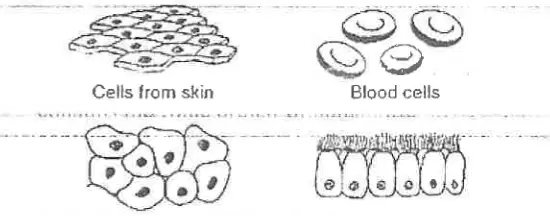
Some human body cells are shown in the diagrams below. These groups of cells represent different
tissues in which similar cells function together
organs that help to carry out a specific life activity
systems that are responsible for a specific life activity
organelles that carry out different functions
Which sequence of terms is in the correct order from simplest to most complex?
cells → tissues → organs → organ systems
tissues → organisms → cells → organ systems
cells → tissues → organ systems → organs
organs → organisms → organ systems → cells
The cell theory states that
all cells have nuclei that contain genetic information
living organisms are composed of cells that arise from preexisting cells
all cells regenerate and contain the same basic structures
organisms that lack certain organelles reproduce by binary fission
Which systems interact to regulate and coordinate all body systems?
respiratory and reproductive systems
skeletal and excretory systems
nervous and endocrine systems
circulatory and digestive systems
During a race, the body temperature of a runner increases. The runner responds by sweating, which lowers body temperature. This process is an example of
homeostasis
an allergic reaction
respiration
muscle fatigue
Which cell structure do nutrients pass through to enter a cell?
cell membrane
chloroplast
cytoplasm
nucleus
Which cell structure is found in plant cells, but not in animal cells?
cell wall
cell membrane
nucleus
cytoplasm
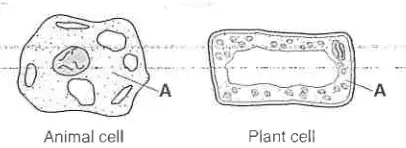
Which part of the cell is labeled A in both diagrams?
cell wall
chromosome
cytoplasm
nucleus
The structures found in a living cell can be compared to the parts of a factory that produces cars. Which part of the factory is most similar to the nucleus of a living cell?
a conveyor belt that transports materials
a storage bin that holds the pieces needed to assemble a car
the computer room that controls the assembly process
the generator that provides energy for the factory
A group of tissues that work together to perform a specific function is called
an organ
an organism
a system
a cell
Which term identifies a group of cells of the same type working together to perform a common function?
microbe
gene
tissue
hormone
A group of organs working together to perform a certain function is called
a system
a tissue
an organism
a cell
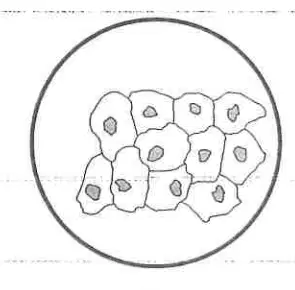
13. Base your answer to the following question on the information and diagram below and on your knowledge of science. A student was studying a prepared slide of human cheek cells under a compound light microscope. The diagram represents what the student observed on the slide at a magnification of 100x. What would the student see if the cells were viewed under 400x magnification with the same microscope?
The cells would appear larger and show more detail.
The cells would appear smaller and less detailed.
The number of cells visible would increase.
The cells would disappear from view.
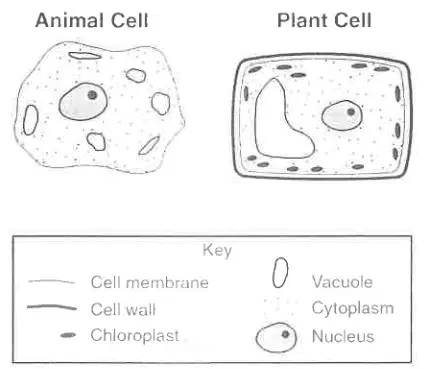
List two structures that are found in both plant and animal cells.
Cell wall and chloroplast
Nucleus and cell membrane
Vacuole and cell wall
Chloroplast and mitochondria
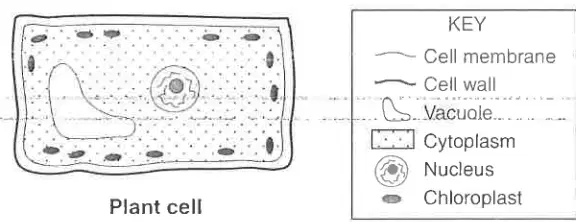
Which three of the structures labeled in the diagram key are present in the cell, and what is the function of each?
Nucleus, controls cell activities; Mitochondria, produces energy; Cell membrane, regulates entry and exit of substances
Nucleus, stores waste; Mitochondria, digests food; Cell wall, produces proteins
Chloroplast, stores genetic material; Ribosome, controls cell division; Vacuole, produces energy
Cell membrane, stores water; Nucleus, produces glucose; Mitochondria, transports substances
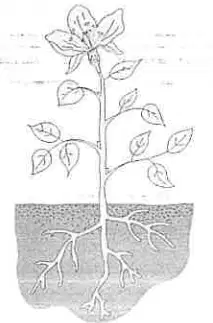
One function of the roots is:
Absorbing water and minerals from the soil
Producing food through photosynthesis
Releasing oxygen into the air
Attracting pollinators
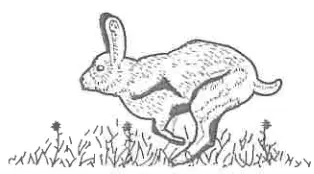
17. Base your answer to the following question on the diagram below and on your knowledge of science. The diagram represents a rabbit running in its natural environment.
[Diagram: Rabbit running in grass]
Locomotion is necessary for many activities of the rabbit's daily life. Other than escaping danger, which of the following is another way that locomotion is helpful to the rabbit?
Finding food
Sleeping
Photosynthesis
Producing sound
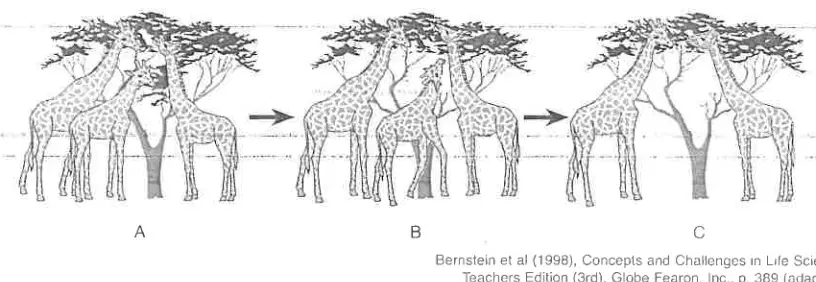
The diagram below shows a population of adult giraffes over time. Letters A, B, and C represent three time periods. Which process does this diagram best represent?
ecological succession
genetic engineering
natural selection
asexual reproduction
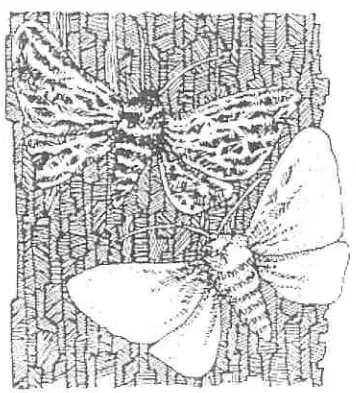
The diagram shows two variations of the same species of peppered moth resting on a tree. Originally, most peppered moths were light-colored and blended in with the light-colored bark of the trees in their environment. Due to pollution during the Industrial Revolution, the trees became blackened by soot. As a result, the population of light-colored moths decreased, due to predators. At the same time, the population of dark-colored moths increased, because they were less visible to predators. Which adaptation protected the dark-colored moths from predators?
breeding
camouflage
migration
hibernation
Which list includes only abiotic factors?
soil, water, air, and sunlight
ducks, fish, soil, and water
humidity, temperature, rodents, and grasses
trees, flowering plants, mosses, and ferns
A group of students studying the ecology of a freshwater stream recorded data in the following categories: kinds of insects, pH, number of minnows, mineral concentration, types of producers, oxygen content, water temperature. Which group of data categories contains only biotic factors of the stream?
A) A, C, and E
B) E, F, and G
C) A, B, and C
D) D, F, and G
An abiotic factor affecting the behavior and survival of flowers is the
population of rabbits
length of daylight
presence of harmful bacteria
number of herbivores
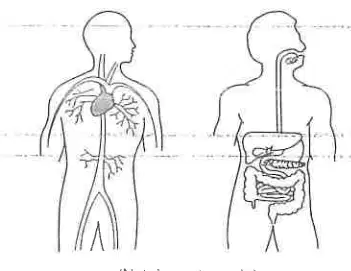
The diagrams below represent two systems of the human body. Which two systems are represented in the diagrams?
endocrine and skeletal
endocrine and respiratory
circulatory and respiratory
circulatory and digestive
Which pathway do most nutrients take after a person takes a bite of food?
digestive system → circulatory system → body cells
circulatory system → body cells → digestive system
digestive system → body cells → circulatory system
circulatory system → digestive system → body cells
The main function of the human digestive system is to
break down foods for absorption into the blood
exchange oxygen and carbon dioxide in the lungs
release energy from sugars within the cells
carry nutrients to all parts of the body
What is the main function of the circulatory system?
secrete enzymes
digest proteins
produce hormones
transport materials
Running is an activity that causes the cells in the muscular system to use oxygen at a faster rate. Which system responds by delivering more oxygen to these cells?
digestive
nervous
circulatory
endocrine
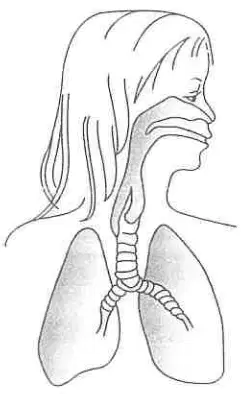
The diagram below shows a human organ system. Which human organ system is shown?
nervous
digestive
circulatory
respiratory
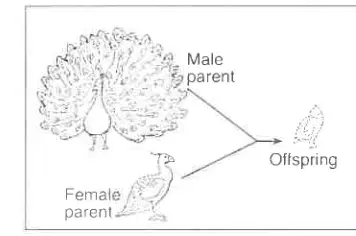
The offspring is not genetically identical to either parent because:
it inherits a mix of genes from both parents.
it only inherits genes from one parent.
it does not inherit any genes from the parents.
it is a clone of one parent.
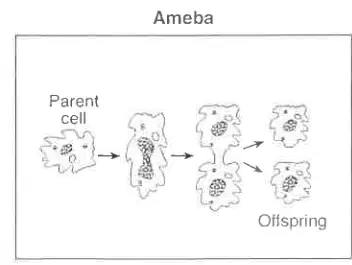
The bird offspring will differ from its parents more than the ameba offspring will differ from its parent because:
Birds reproduce sexually, leading to genetic variation, while amebas reproduce asexually, producing identical offspring.
Birds and amebas both reproduce sexually, but birds have more mutations.
Amebas have more genetic variation than birds.
Birds and amebas both reproduce asexually, but birds mutate more often.

