
 Worksheets
Grade 6 SS Final Review
Total questions: 142
Worksheet time: 1hrs 11mins
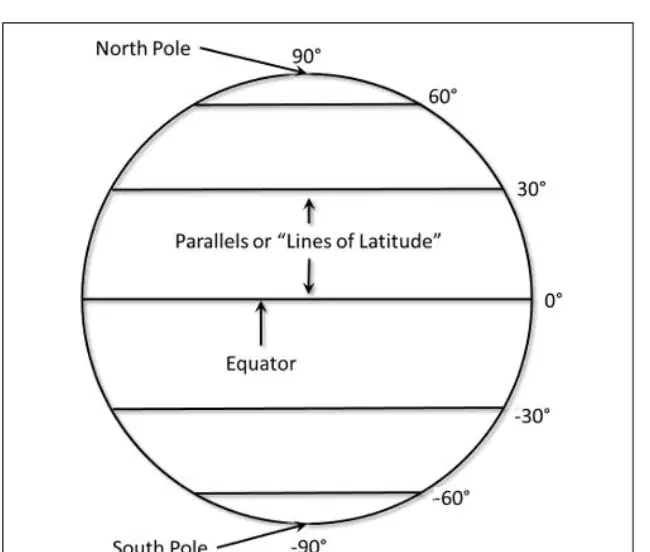
These lines run east and west separating the earth into the northern and southern hemisphere.
latitude lines
longitude lines
prime meridian
equator

This is used to determine distance on a map. __________
map scale
legend
compass rose
latitude

A group of places that share a common feature is a ____________.
region
continent
island
city

__________ lines run north and south but measure east and west.
longitude
latitude
equator
prime meridian

5. ________ - an imaginary line circling the earth, separating the earth unto the eastern and western hemisphere.
Prime Meridian
Equator
Tropic of Cancer
International Date Line

6. __________ an imaginary line that circles the earth halfway between the north and south pole.
Equator
Prime Meridian
Tropic of Cancer
Arctic Circle
Know how to read a timeline...how to calculate time BC to BC and BC to AD. BC to BC or AD to AD........you need to _________.
add
subtract
multiply
divide
Know how to read a timeline...how to calculate time BC to BC and BC to AD. BC to AD........you need to _________.
A) add
B) subtract
C) multiply
D) divide
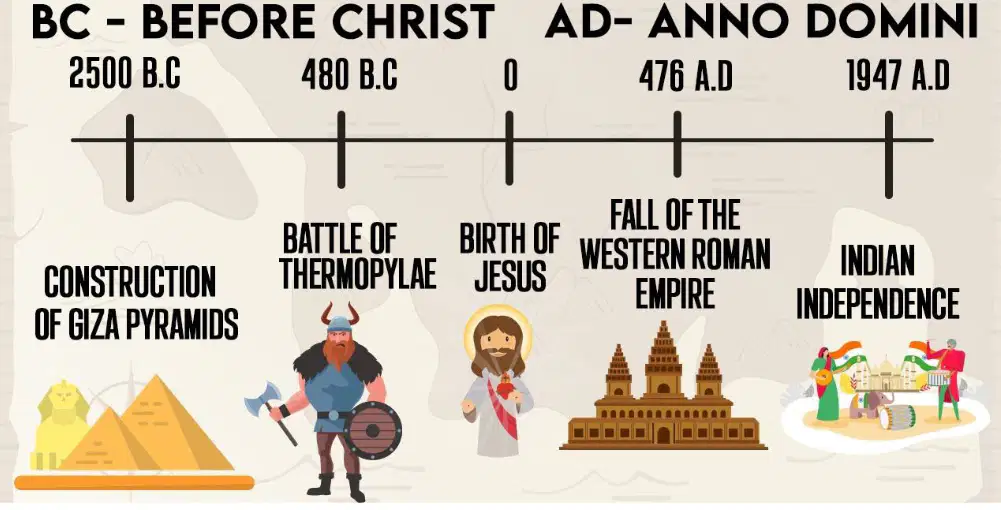
On the timeline, in which year did the Construction of Giza Pyramids occur?
2500 B.C.
1500 B.C.
500 B.C.
1000 A.D.
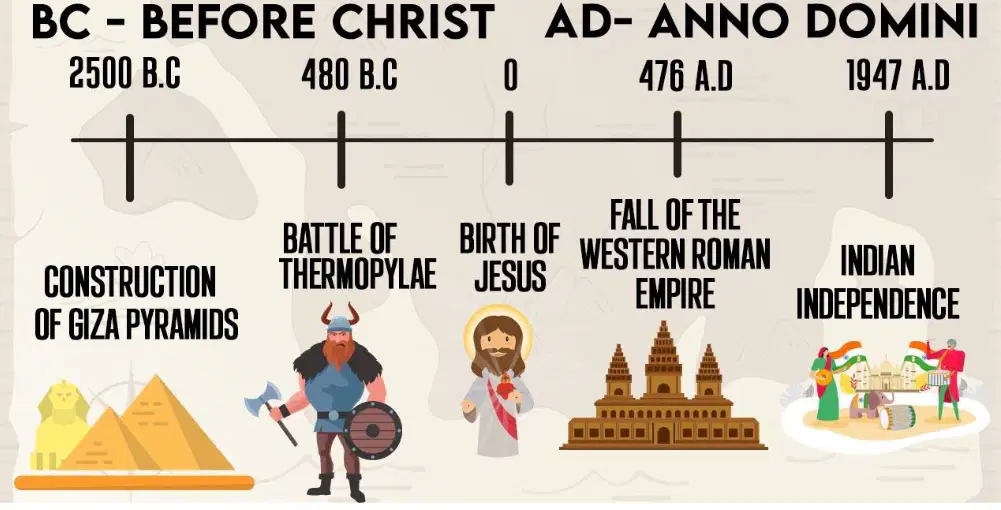
On the timeline, which event happened in 480 B.C.?
Battle of Thermopylae
Founding of Rome
Death of Alexander the Great
Construction of the Parthenon

According to the timeline, what significant event is marked at year 0?
Birth of Jesus
Fall of the Roman Empire
Discovery of America
Start of World War I
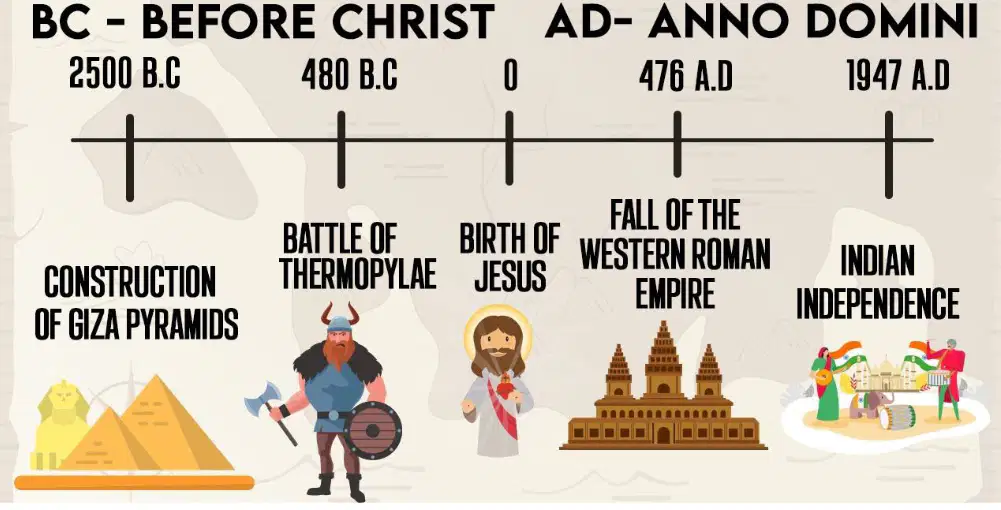
Which event on the timeline occurred in 476 A.D.?
Fall of the Western Roman Empire
Signing of the Magna Carta
Discovery of America by Columbus
Start of the French Revolution

In which year did Indian Independence occur according to the timeline?
1947 A.D.
1857 A.D.
1950 A.D.
1930 A.D.
7. circa (c.): ________ (Fill in the blank with the correct meaning of 'circa (c.)')
about
before
after
during
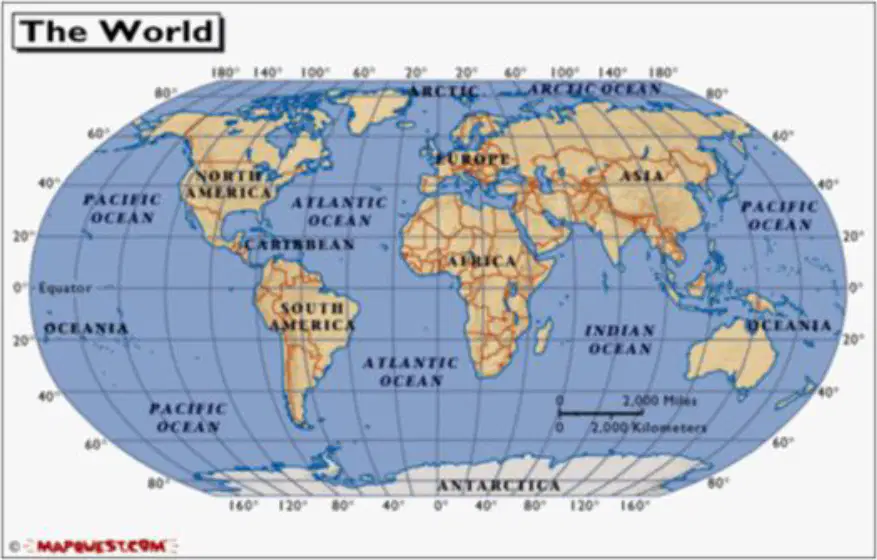
What hemispheres is Africa mostly on? ________
Southeastern
Northwestern
Southwestern
Northeastern
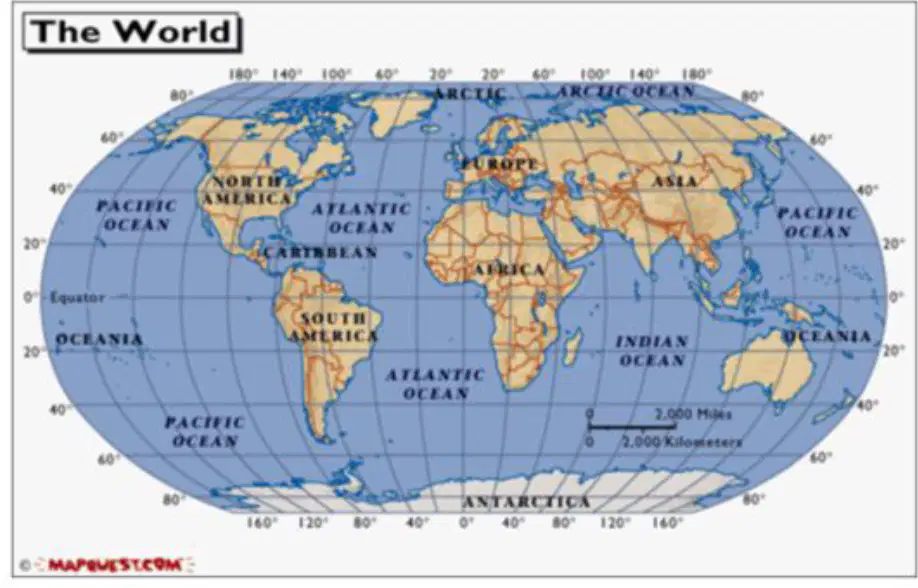
What hemispheres is North America mostly on?
Northwestern
Southeastern
Southwestern
Northeastern
What are the cardinal directions?
north, south, west, east
up, down, left, right
spring, summer, fall, winter
red, blue, green, yellow
What are the intermediate directions?
northwest, northeast, southwest, southeast
north, south, east, west
up, down, left, right
morning, afternoon, evening, night
What is a continent?
a large body of land
a small island
a river
a mountain range
Which of the following is NOT a cardinal direction?
North
Southeast
West
South

Look at the compass rose diagram. Which direction is between North and East?
Northwest
Northeast
Southwest
Southeast

Look at the world map. Which of the following is a continent?
Europe
Pacific Ocean
Arctic
Mediterranean Sea
What type of source is an encyclopedia?
Primary Source
Secondary Source
What type of source is a photo?
Primary Source
Secondary Source
What type of source is a diary?
Primary Source
Secondary Source
What type of source is a letter?
Primary Source
Secondary Source

What type of source is an interview?
Primary Source
Secondary Source
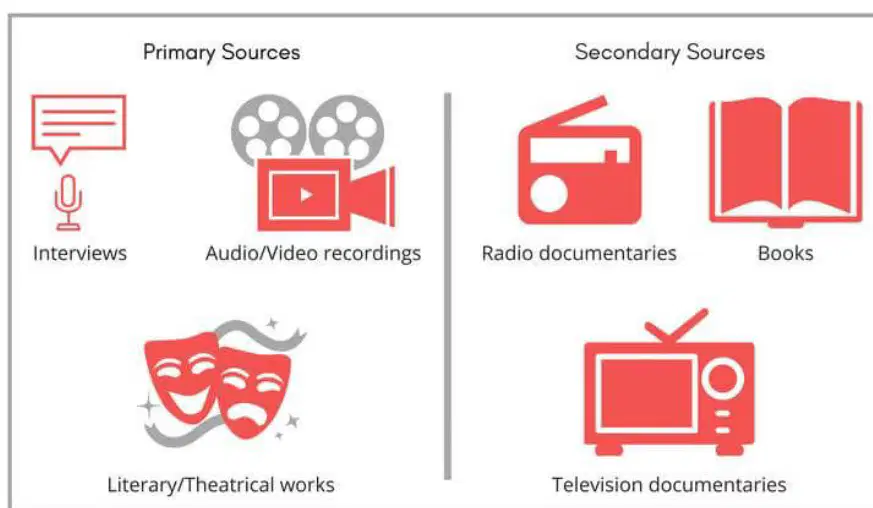
What type of source is an audio/video recording?
Primary Source
Secondary Source
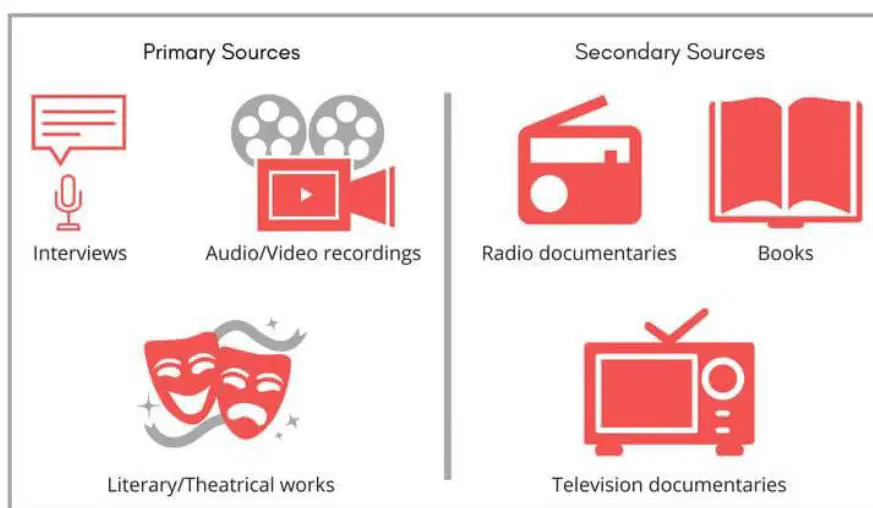
What type of source is a radio documentary?
Primary Source
Secondary Source
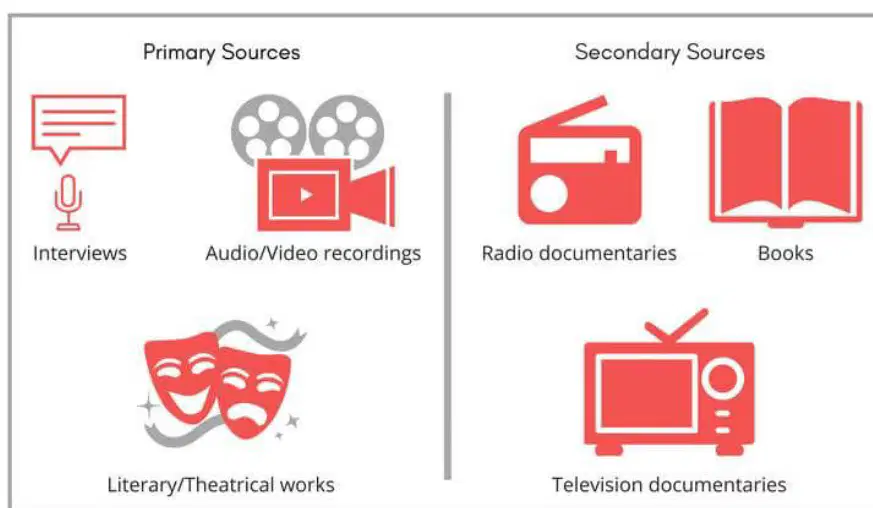
What type of source is a book?
Primary Source
Secondary Source
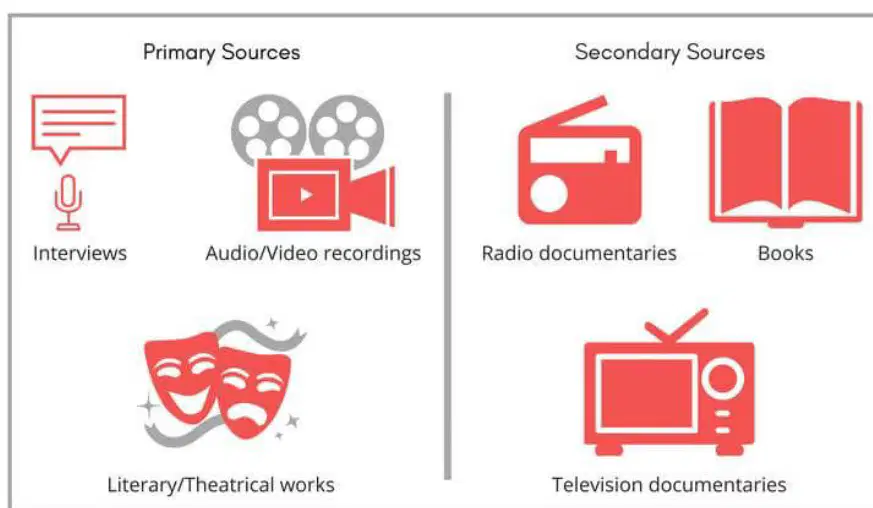
What type of source is a literary/theatrical work?
Primary Source
Secondary Source
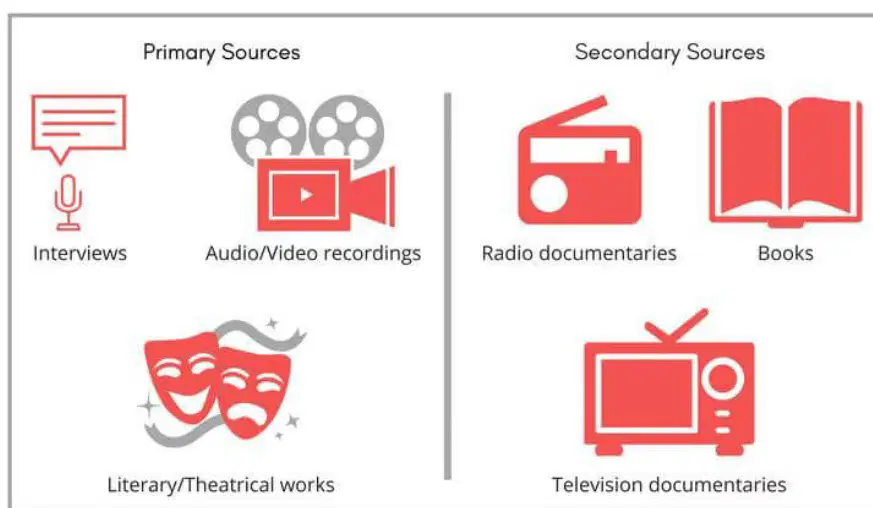
What type of source is a television documentary?
Primary Source
Secondary Source
Fill in the blank: A Secondary Source is an _________
encyclopedia
autobiography
personal diary
eyewitness account
Fill in the blank: A Primary Source can be a _______, _______, or _______.
photo, diary, letter
textbook, encyclopedia, website
movie, novel, poem
magazine article, blog post, podcast

Define a land bridge.
a strip of land connecting two continents
a mountain range separating two countries
a river flowing between two lakes
an island in the middle of the ocean

What effect did the invention of tools have on early humans?
They increased their chances of survival.
They made early humans weaker.
They caused early humans to stop hunting.
They led to the extinction of early humans.
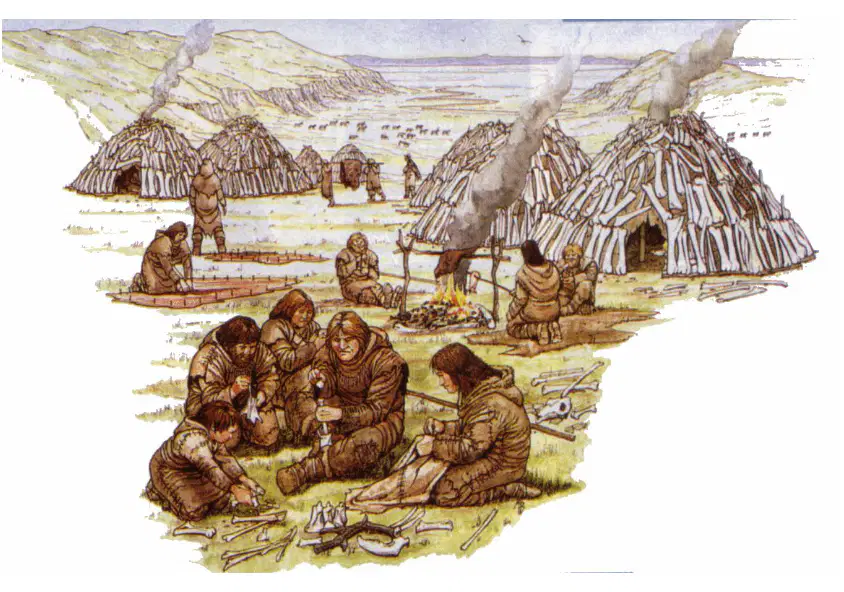
Why did people need to make clothes and build shelters after migrating out of Africa?
The climate was colder.
They wanted to follow new fashion trends.
They needed to hide from wild animals.
They were required to by new laws.

A surplus of food enabled the people of ancient times to ____.
specialize and divide labor
move to colder climates
stop using tools
worship new gods
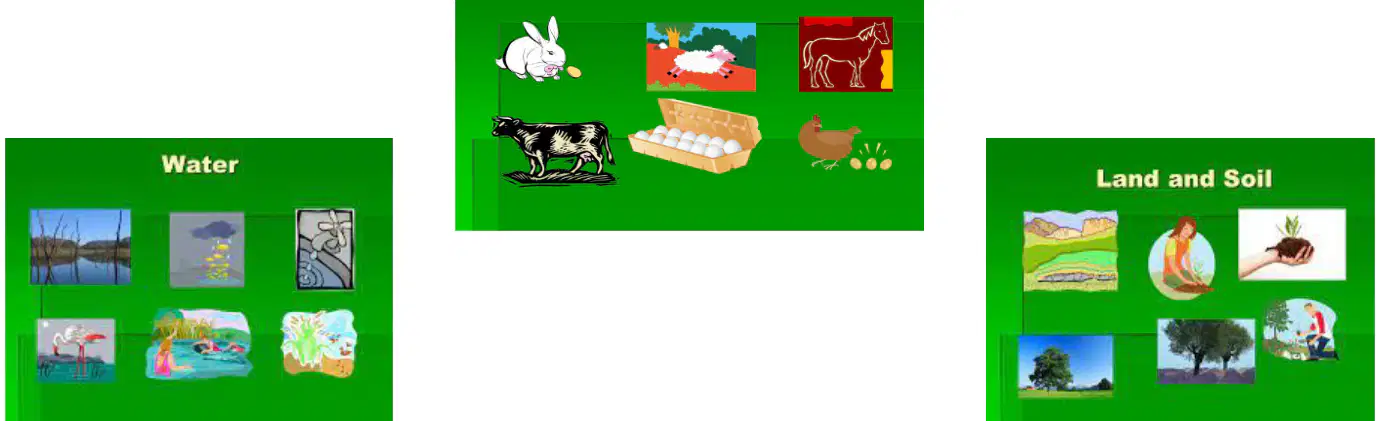
According to the passage, what were the essential resources (most important) used by early peoples?
Water, animals, and fertile land (natural resources)
Gold, silver, and diamonds
Oil, coal, and gas
Computers, cars, and phones
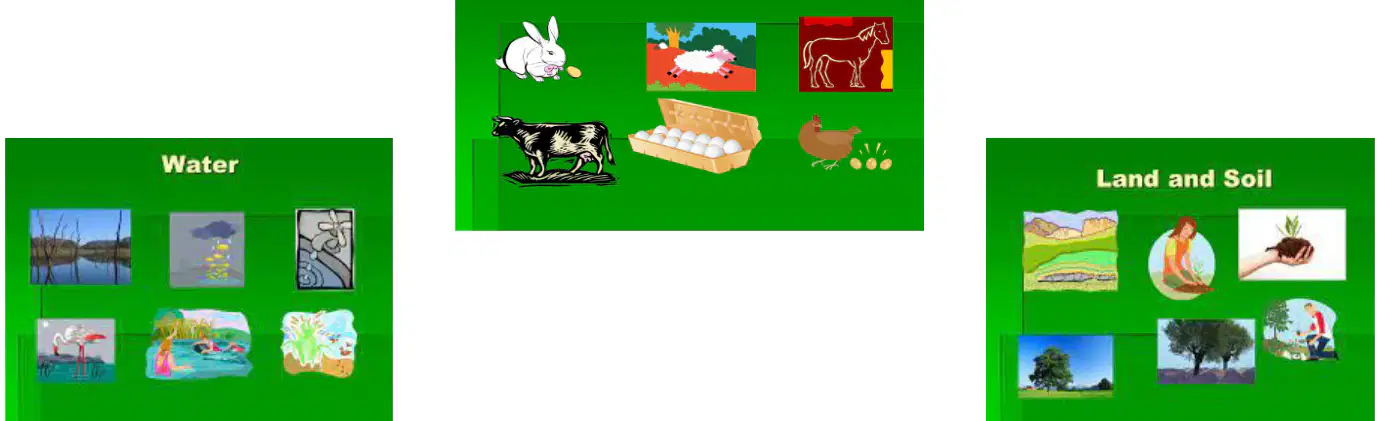
Which of the following is an example of a natural resource used by early peoples? Fill in the blank: Early peoples used ________ as an essential resource.
water, animals, or land and soil
plastic toys
cell phones
concrete buildings
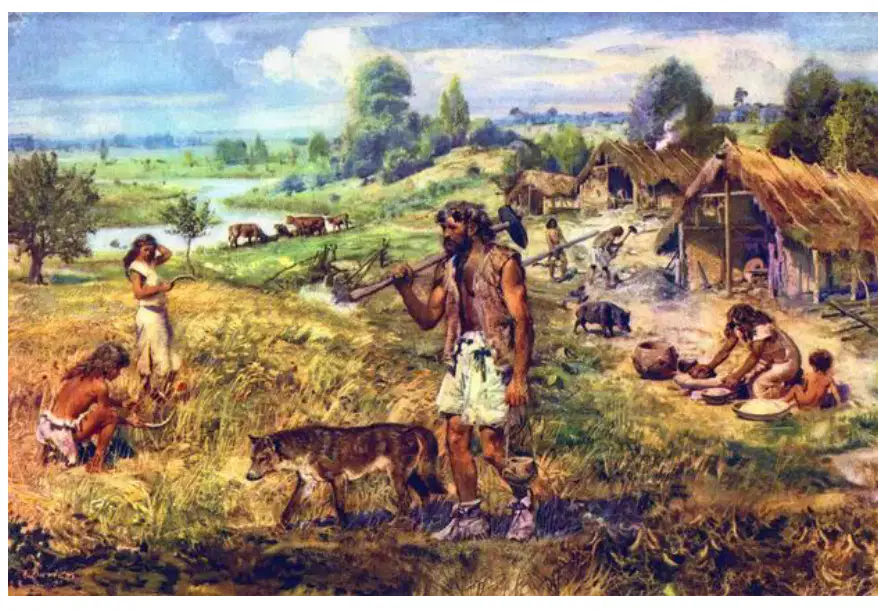
What would early people look for as they decided where to settle?
A location near enough food and water.
A place far from any water sources.
A location with no access to food.
A place in the middle of a desert.
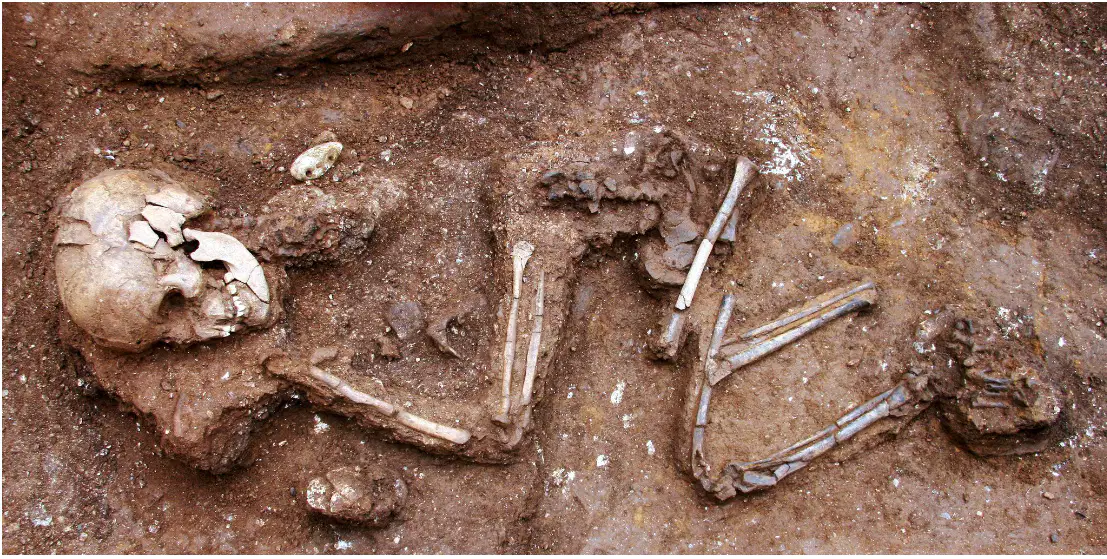
Why is the study of ancient bones important to us today?
gives us information about our human ancestors.
helps us predict the weather.
teaches us how to build modern houses.
shows us how to use computers.
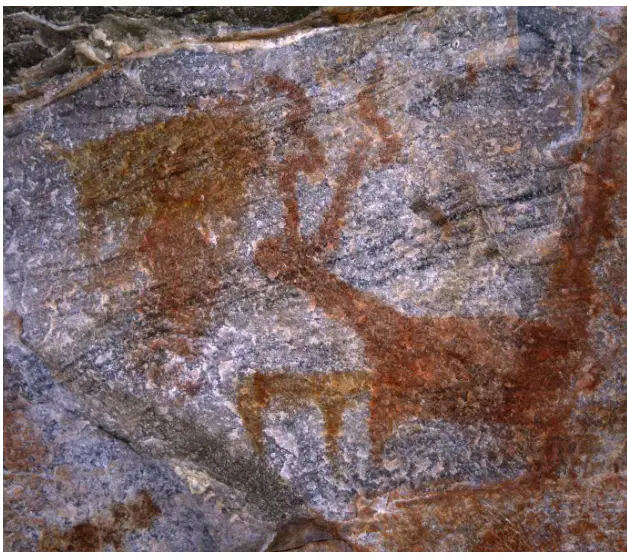
Since the hunter-gatherer societies did not have a written language, archaeologists needed to study primary sources. What are examples of sources they would study?
Bones, art, and grave sites.
Modern books and newspapers.
Digital photographs and emails.
Recorded music and radio broadcasts.
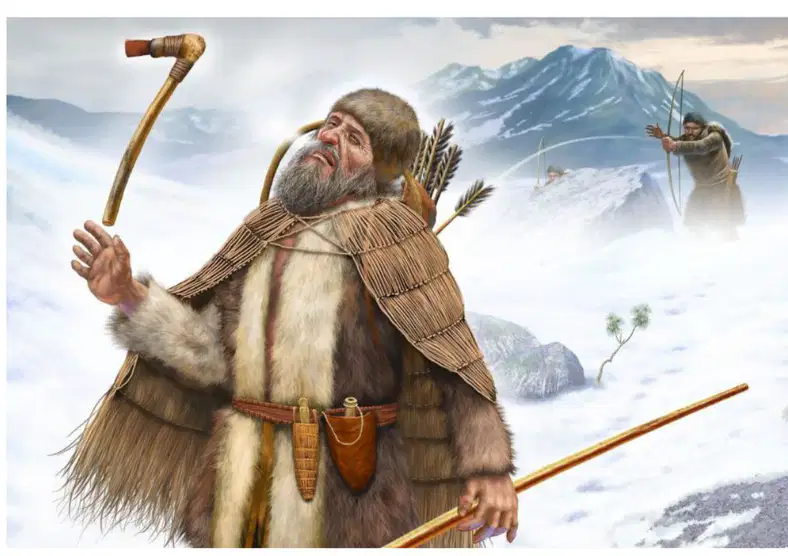
Why wasn't the Iceman's (Ötzi) body discovered for thousands of years?
His body was covered by glaciers. He was found in the ice.
He was buried deep underground by ancient people.
His body was hidden in a cave far from human settlements.
He was lost in a dense forest that was never explored.
Fill in the blank: ________ is a type of natural resource.
Vegetation
Plastic
Concrete
Glass
Fill in the blank: ________ are a type of natural resource.
Animals
Cars
Plastic bags
Computers
Fill in the blank: ________ is a type of natural resource found beneath vegetation in the diagram labeled 'Types of Natural Resources'.
Soil
Air
Sunlight
Water
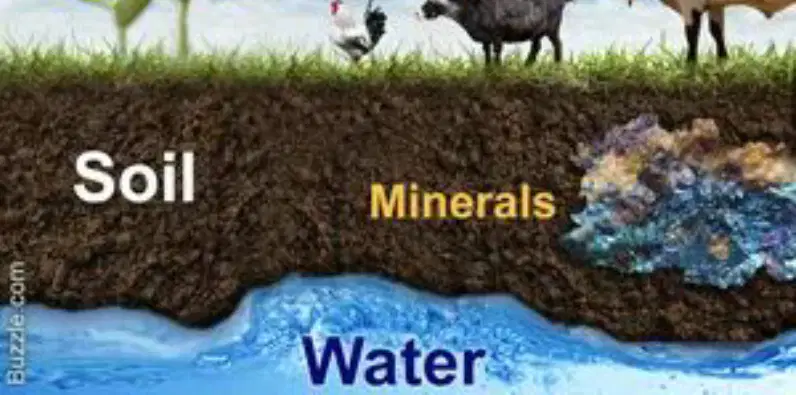
Fill in the blank: ________ are a type of natural resource shown as colorful rocks in the diagram labeled 'Types of Natural Resources'.
Minerals
Water
Air
Soil
Fill in the blank: ________ is a type of natural resource shown at the bottom of the diagram labeled 'Types of Natural Resources'.
Water
Plastic
Glass
Steel

What common geographical feature was most important to the ancient civilizations of Egypt, Mesopotamia, China, and India?
Rivers
Mountains
Deserts
Forests
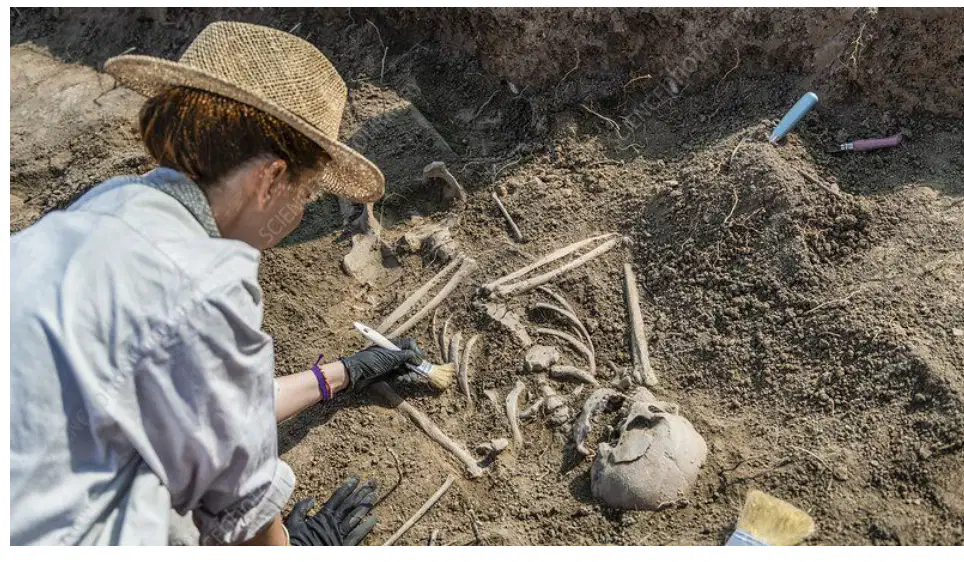
Define archaeologist.
A person who studies artifacts from the past. They would most likely study the site of an ancient battle field or the ruins of an ancient city.
A person who studies the stars and planets.
A person who writes novels and stories.
A person who builds modern skyscrapers.
What does the Paleolithic Era mean? Fill in the blank: Paleolithic Era means _______.
pre
modern
future
industrial
What does the Mesolithic Era mean? Mesolithic Era means _______.
middle
ancient
modern
future
What does the Neolithic Era mean? Fill in the blank: Neolithic Era means _______.
new
old
stone
ancient
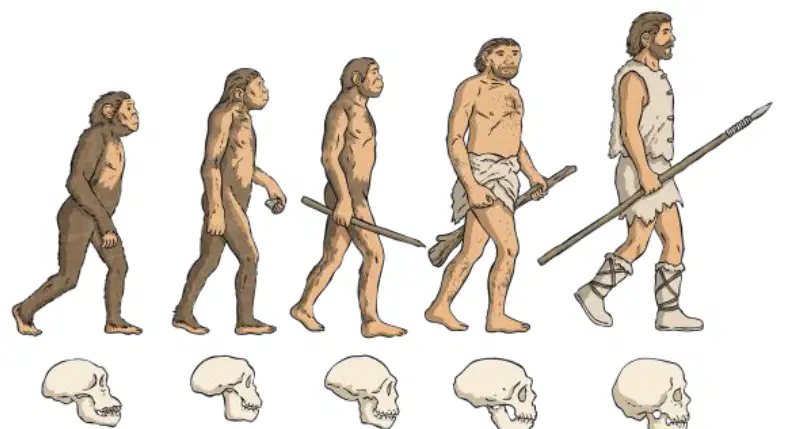
Match the following stages of human evolution with their correct meanings/characteristics:
Australopithecus
southern ape
Homo Habilis
handy man
Homo Erectus
upright man
Homo Sapiens
wise man
What is the meaning of 'Homo Habilis'?
wise man
handy man
upright man
always
Which stage of human evolution is known as the 'upright man'?
Australopithecus
Homo Habilis
Homo Erectus
Homo Sapiens
Fill in the blank: Homo Sapiens means _________.
wise man
strong man
ancient man
modern man
The most fertile soil in Egypt was located near the _________. It is 400 miles across and is on the Mediterranean Sea.
Nile Delta
Sahara Desert
Sinai Peninsula
Red Sea Coast
In the Old Kingdom Pharaohs were buried in _________. During the New Kingdom, pharaohs were buried in the _________ because people were robbing the tombs.
pyramids; Valley of the Kings
temples; Red Sea
deserts; Nile Delta
palaces; Sahara
Why were tombs filled with art, jewelry, and other treasures?
Egyptians believed the dead needed such materials in the afterlife.
They were used as offerings to the gods during festivals.
It was a way to display the wealth of the living family.
The items were meant to be sold in the afterlife marketplace.
4. The unification of Egypt under Menes rule can be illustrated by:
A single crown combining the white and red crowns
A pyramid being built
A map of the Nile River only
A picture of the Sphinx
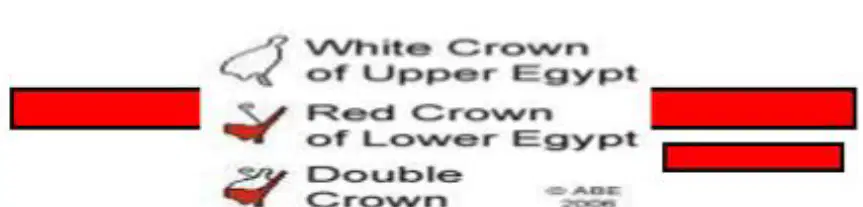
Match the following crowns with the correct region of Egypt:
White Crown
Upper Egypt
Red Crown
Lower Egypt
Double Crown
Unification of Upper and Lower Egypt
Egypt had a highly organized society because they no longer had to hunt and gather food like the people from the Stone Age.
hunt and gather food
build pyramids
trade with other countries
write in hieroglyphics
What attracted early settlers to the Nile Valley?
Fertile soil, food and water
High mountains and cold climate
Dense forests and wild animals
Desert sands and lack of water
The discovery of the Rosetta Stone was critical to understanding hieroglyphics because it
had Greek, Demonic, and Hieroglyphics writing
was made of gold and precious stones
was found in the tomb of a pharaoh
contained a map to hidden treasures
By the 1400’s BC, Egypt was the leading military power because its resources were being
heavily taxed
used for trade with Greece
spent on building pyramids
given to neighboring tribes
invested in agriculture
In ancient Egypt, which group held enormous power because they were believed to be gods?
pharaohs
scribes
farmers
merchants
What is a sphinx?
An imaginary creature with the body of a lion and the head of a pharaoh
A type of ancient Egyptian writing
A lightweight paper-like material
The first Egyptian woman ruler
What is papyrus?
An imaginary creature
A lightweight paper-like material made from reeds that grow along the Nile River
The first Egyptian woman ruler
A type of ancient Egyptian writing
Who was Queen Hatshepsut?
The first Egyptian woman ruler, dressed as a man & through trade she made Egypt wealthy and great
An imaginary creature
A type of ancient Egyptian writing
A lightweight paper-like material
Fill in the blank: The continent where Egypt is located is _________.
Africa
Asia
Europe
Australia
Fill in the blank: The main river in Egypt is the _________.
Nile River
Amazon River
Yangtze River
Mississippi River
Fill in the blank: The writing system used in ancient Egypt is called _________.
Hieroglyphics
Cuneiform
Sanskrit
Latin
Fill in the blank: The religion practiced in ancient Egypt was _________.
Polytheism
Monotheism
Atheism
Animism
Fill in the blank: The type of government in ancient Egypt was a _________.
Monarchy
Democracy
Republic
Oligarchy
India is a ________ of Asia because it is separated by mountains.
subcontinent
island
peninsula
continent
The Aryans introduced sacred songs to the subcontinent of India. These songs became the foundation of Hinduism. This collection of sacred songs is called the ________.
Vedas
Torah
Tripitaka
Quran
Hinduism supports the belief of a ________ religion.
polytheistic
monotheistic
atheistic
animistic
In Buddhism, people could end suffering by following the ________.
Eightfold Path
Ten Commandments
Four Noble Truths
Five Pillars
Buddhism supports the belief of a ________ religion.
monotheistic
polytheistic
atheistic
animistic
What were Buddha’s four guiding principles known as?
Four Noble Truths
Eightfold Path
Five Pillars
Ten Commandments
Both religions originated in Asia, believe in _______ and _______.
reincarnation, karma
heaven, hell
prophets, angels
fasting, pilgrimage
The cycle of birth, death, rebirth is called _______. In order to advance to a higher level you must have good _______.
reincarnation, karma
meditation, dharma
moksha, yoga
nirvana, puja
The ancient writing of India is called _______.
Sanskrit
Latin
Hieroglyphics
Cuneiform
Fill in the blank: India is located on the ________ of Asia.
Subcontinent
Peninsula
Island
Plateau
Fill in the blank: The main river in India mentioned in the table is the ________ River, which originates in the Himalayan Mountains.
Indus
Amazon
Nile
Mississippi
Fill in the blank: The writing system used in ancient India is called ________.
Sanskrit
Hieroglyphics
Cuneiform
Latin
Fill in the blank: The two main religions mentioned in the table are ________ (Polytheism) and ________ (Monotheism).
Hinduism, Buddhism
Christianity, Islam
Judaism, Sikhism
Buddhism, Jainism
Fill in the blank: The type of government in ancient India, as mentioned in the table, is ________.
Monarchy
Democracy
Oligarchy
Republic
Define a land bridge: ____________. The Bering Strait is the land bridge that early humans may have crossed to get from Asia to North America.
a strip of land connecting two continents
a large body of water separating two continents
a mountain range dividing two countries
a desert connecting two cities
What effect did the invention of tools have on early humans?
Increased their chance of survival.
Decreased their ability to find food.
Made them less social.
Reduced their intelligence.
Why did people need to make clothes and build shelters after migrating out of Africa?
The climate was colder.
They wanted to follow new fashion trends.
They needed to hide from wild animals.
They were required to by law.
A surplus of food enabled the people of ancient times to ____. (think flow chart)
specialize and divide labor
move to colder climates
stop farming altogether
build large cities immediately
The essential resources (most important) used by early peoples were ____________.
water, animals, and fertile land (natural resources)
metals, plastics, and electricity
oil, coal, and automobiles
computers, internet, and smartphones
What would early people look for as they decided where to settle?
A location near enough food and water.
A place far from any water sources.
A location with no access to plants or animals.
A place with frequent natural disasters.
Why is the study of ancient bones important to us today?
It gives us information about our human ancestors.
It helps us predict the weather.
It teaches us how to build modern technology.
It tells us about future events.
Since the hunter-gatherer societies did not have a written language, archaeologists needed to study primary sources. What are examples of sources they would study?
Bones, art, and grave sites.
Modern books and newspapers.
Digital photographs and emails.
Recorded audio interviews.
Why wasn't the Iceman's (Otzi) body discovered for thousands of years?
His body was covered by glaciers. He was found in the ice.
He was buried deep underground by ancient people.
His body was hidden in a dense forest.
He was lost in a desert sandstorm.
Oil, water, and iron are examples of what?
Natural Resources.
Artificial Flavors.
Musical Instruments.
Mathematical Equations.
What common geographical feature was most important to the ancient civilizations of Egypt, Mesopotamia, China, and India?
Rivers
Mountains
Deserts
Forests
Define archaeologist.
A person who studies artifacts from the past.
A person who studies stars and planets.
A person who writes novels.
A person who builds bridges.
Match the Stone Age Era with its meaning:
Paleolithic Era
Pre
Mesolithic Era
Middle
Neolithic Era
New
Match the stage of Human Evolution with its description:
Australopithecus
Always
Homo Habilis
Handy man
Homo Erectus
Upright man
Homo Sapiens
Wise man
Which ancient Mesopotamian document explained the first written set of laws that applied to everyone under the government?
Hammurabi's Code
Epic of Gilgamesh
Rosetta Stone
Book of the Dead
Communication was made easier during ancient Mesopotamia thanks to the invention of their writing system, which was called ________.
cuneiform
hieroglyphics
kanji
alphabet
This writing system was ________ to read due to the 500 pictographs used for sounds, ideas and objects.
difficult
easy
fun
quick
Mesopotamian people built this temple to worship at. What is the name of the temple?
Ziggurat
Pyramid
Pagoda
Mosque
Polytheism is different than monotheism in that monotheism worships and believes in ________.
one God
many gods
nature spirits
no gods
Why were droughts a constant threat to farmers in Mesopotamia?
They would dry out the farm lands.
They would cause floods in the region.
They would increase the number of pests.
They would make the soil too salty.
Which person helps others by providing the reading and writing of documents? (Hint: It is considered an occupation)
scribe
baker
carpenter
farmer
In Sumerian society, people's social class or rank depended on their wealth and their _________
occupation
height
age
language
What monotheistic religion developed in the Fertile Crescent?
Judaism
Hinduism
Shintoism
Zoroastrianism
Who is considered the father of Judaism?
Abraham
Moses
David
Solomon
Who freed the slaves from Egypt?
Moses
Abraham
David
Solomon
What continent is associated with the information in the table?
Asia
Africa
Europe
South America
What are the main rivers mentioned in the table?
Tigris and Euphrates
Nile and Amazon
Yangtze and Mississippi
Danube and Thames
What irrigation method is described in the table?
Canals, gates and artificial lakes (storage basins)
Drip irrigation
Sprinkler irrigation
Terrace farming
What is the difference between the religions of Mesopotamia and Judaism as described in the table?
Polytheism = Mesopotamia, Monotheism = Judaism
Monotheism = Mesopotamia, Polytheism = Judaism
Both are monotheistic religions
Both are polytheistic religions
What type of government is mentioned in the table?
Monarchy
Democracy
Republic
Dictatorship
Which of the following is NOT part of China's physical geography?
The Gobi Desert
The Huang He River
The Atlantic Ocean
The Plateau of Tibet
What is a dynasty?
A political system in which the supreme power lies in a body of citizens
A line of rulers from the same family. The title gets passed down from generation to generation.
A dangerous trading route
A large desert in China
What is democracy?
A line of rulers from the same family
A political system in which the supreme power lies in a body of citizens who can elect people to represent them
A trading route
A river in China
The Great Wall of China was built to defend the Chinese from northern invaders.
True
False
The Huang He River is often called “China’s Sorrow” because it floods often, killing many people and destroying the farming land.
True
False
The Silk Road was a dangerous 4,000 mile long network that was used as a trading route.
True
False
When missionaries brought Buddhism from India to China, it is an example of ________, the spreading of one culture to another.
diffusion
isolation
assimilation
segregation
Which type of religion is Judaism?
Polytheistic
Monotheistic
What is the major belief/principle of Judaism? Fill in the blank: Moses received the ________.
10 Commandments
Golden Calf
Ark of the Covenant
Book of Psalms
What is the holy book of Judaism?
Bible
Quran
Torah
Vedas
Which type of religion is Christianity?
Polytheistic
Monotheistic
What is the major belief/principle of Christianity? Fill in the blank: ________ Commandments.
10
5
7
12
What is the holy book of Christianity?
Bible
Quran
Torah
Vedas
Which type of religion is Islam?
Polytheistic
Monotheistic
What is the major belief/principle of Islam? Fill in the blank: The ________ Pillars.
Five
Seven
Three
Ten
What is the holy book of Islam?
Bible
Quran
Torah
Vedas
Which type of religion is Hinduism?
Polytheistic
Monotheistic
What are two major beliefs/principles of Hinduism? Fill in the blanks: Believe in ________ and ________.
karma; reincarnation
meditation; fasting
pilgrimage; charity
prayer; confession
What is the holy book of Hinduism?
Bible
Quran
Torah
Vedas
Which type of religion is Buddhism?
Polytheistic
Monotheistic
What are two major beliefs/principles of Buddhism? Fill in the blanks: The Four ________ Truths; believe in ________ and reincarnation.
Noble; karma
Sacred; destiny
Holy; fate
Divine; fortune
What is the holy book of Buddhism?
Bible
Quran
Torah
Tripitaka