
NEW
Font size
 Worksheets
T6 L3 Pattern in Animal Behavior
Total questions: 22
Worksheet time: 11mins
Why do parent birds build nests?
To catch food
To protect their eggs
To play inside
To sleep
What are three things animals need?
To catch foodod, and friends
Food, water, and shelter
To play inside
To sleep
How do lions help their young?
Teach them how to build a nest
Help them find water
Show them how to fly
Show them how to climb trees
Which picture shows shelter?

A tree with a fox inside

A bear swimming

A bird flying

A lion hunting
Parents protect their young from danger.
True
False
How do woodpeckers help their young?
Give them water
Bring them food
Build a house
Help them fly
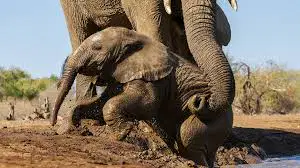
Which animal teaches its young how to roll in mud?
Bears
Elephants
Lions
Penguins
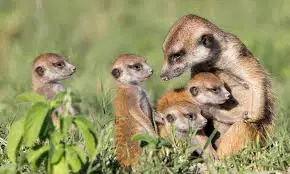
Young animals stay close to their parents to stay warm and safe.
True
False
Which animal teaches cubs to climb trees?
Penguins
Black bears
Koalas
Swans
Why do young whales stay close to their mothers?
To play games
To find other whales
To stay safe and follow them
To swim alone
What pattern do scientists see when they observe parents and their young?
Parents play with young animals
Parents leave young animals alone
Parents hide from their young
Parents help and protect their young
If birds, lions, and elephants all care for their young, what does this tell us?
All animals live alone
All parents help their young in some way
Only birds help their young
Elephants do not help their babies
Which of these is a pattern scientists observe in nature?
Parents eat the food of young
Parents help, feed, and protect their young
Parents ignore their young
Young animals always run away
Young animals can always live alone right after birth.
True
False
What happens if parents do not protect their young?
The young may be in danger
The young will still be safe
The young will protect parents
The young will become stronger
What do animals like penguins, cats, and meerkats have in common?
They all live in water
Parents protect their young
They all live in trees
They don’t help their young
How does a grizzly bear care for her cubs?
Gives them toys
Feeds and protects them
Lets them find food alone
Teaches them to fly
All animals need food, water, and shelter to live.
True
False
What do baby koalas do to stay safe?
Hide under trees
Sleep in water
Hold on to their parent
Fly away
The parent woodpecker helps by bringing food to its young.
True
False
What is a behavior?
A place where animals live
A kind of food
A way an animal acts
A type of weather
Young animals never help their parents.
True
False

