
 Worksheets
CIVILISATIONS QUIZ
Total questions: 56
Worksheet time: 28mins
What does the word 'city-state' mean?
A waterway that carries water from one place to another.
A waterway that carries water from one place to another.
a city and the area of land around it
What does the word 'dynasty' mean?
a line of rulers who come from the same family
A picture, shape, or sign that represents something.
money collected to pay government workers, the army and for public services such as roads and water supply
What does the word 'fertile' mean?
the group of people with authority to organise and control a country or state
the group of people with authority to organise and control a country or state
land that can produce a large amount of crops
What does the word 'government' mean?
the group of people with authority to organise and control a country or state
A fight between groups or countries
A fight between groups or countries
What does the word 'civilisation' mean?
a place where people live and work together in a large, organised group
a person who does unskilled manual work
land that can produce a large amount of crops
What does the word 'silk' mean?
A simple machine used to lift water from a river or well.
A simple machine used to lift water from a river or well.
a fine, smooth fabric made from thread produced by silkworms
What does the word 'potter’s wheel' mean?
A tool that helps shape clay into pots, bowls, and other pottery.
A fight between groups or countries
A fight between groups or countries
What does the word 'channel' mean?
A tool that helps shape clay into pots, bowls, and other pottery.
A simple machine used to lift water from a river or well.
A waterway that carries water from one place to another.
What does the word 'shaduf' mean?
A simple machine used to lift water from a river or well.
A fight between groups or countries
a line of rulers who come from the same family
What does the word 'labourer' mean?
a person who writes or copies out documents
a place where people live and work together in a large, organised group
a person who does unskilled manual work
What does the word 'scribe' mean?
A picture, shape, or sign that represents something.
A tool that helps shape clay into pots, bowls, and other pottery.
a person who writes or copies out documents
What does the word 'thatch' mean?
a city and the area of land around it
a roof covering of straw or reeds
a city and the area of land around it
What does the word 'stylus' mean?
A picture, shape, or sign that represents something.
a town with a harbour and equipment for loading and unloading ships
an ancient writing tool, often with a sharp end for making marks and a blunt end for removing them
What does the word 'tax' mean?
land that can produce a large amount of crops
money collected to pay government workers, the army and for public services such as roads and water supply
land that can produce a large amount of crops
What does the word 'symbol' mean?
A picture, shape, or sign that represents something.
a roof covering of straw or reeds
a roof covering of straw or reeds
What does the word 'bitumen' mean?
A fight between groups or countries
a very thick, black, sticky liquid
a line of rulers who come from the same family
What does the word 'war' mean?
A fight between groups or countries
To exchange one thing for something else
To exchange one thing for something else
What does the word 'trade' mean?
To exchange one thing for something else
money collected to pay government workers, the army and for public services such as roads and water supply
A fight between groups or countries
What did we call people who could write in early civilisations?
ABC's
On animals, carts or boats
They were peaceful and most likely didnt have wars
Telephones used dots and dashes called Morse code
TRUE
FALSE
The radio was invented AFTER wooden block printing.
TRUE
FALSE
Bi Sheng invented the moveable type
TRUE
FALSE
Cai Lin invented papyrus
TRUE
FALSE
Rich people wore silk in the Shang Dynasty
TRUE
FALSE
A shaduf was used to lift water from a river or well.
TRUE
FALSE
People in the Indus Valley used flat roofs for their houses.
TRUE
FALSE
People in the Indus Valley often had wells in their houses.
TRUE
FALSE
The Indus Valley civilisation developed near the Yellow River.
TRUE
FALSE
Johannes Gutenberg invented the printing press
TRUE
FALSE
Moveable type allowed the same letter blocks to be used many times.
TRUE
FALSE
Who were the first creators of civilization?
Romans
Sumerians
Egyptians
What is a radio station?
A place with equipment to send and receive radio signals
A place with where you can watch television
A place with where you can buy different types of radios
a complex society that has cities, a well organized government, and workers with specialized job skills
City state
Civilization
Society
Sumer is located between the _______and ________ Rivers
Tiger and Elephant
Tigris and Suffering
Tigris and Euphrates
Who invented papyrus?
Cai Lun
Alexander Graham Bell
Johannes Gutenberg
Bi Sheng
The Egyptians
Who invented paper?
Cai Lun
Alexander Graham Bell
Johannes Gutenberg
Bi Sheng
The Egyptians
Who invented the telephone?
Cai Lun
Alexander Graham Bell
Johannes Gutenberg
Bi Sheng
The Egyptians
Who invented the moveable type?
Cai Lun
Alexander Graham Bell
Johannes Gutenberg
Bi Sheng
The Egyptians
Who invented the printing press?
Cai Lun
Alexander Graham Bell
Johannes Gutenberg
Bi Sheng
The Egyptians
What type of code did the telegraph use?
More code
Mors code
Morse code

What type of pen is this?
ballpoint pen
reed or bamboo pen
quill pen
fountain pen

What type of pen is this?
ballpoint pen
reed or bamboo pen
quill pen
fountain pen

What type of mass communication is this?
magazines
televisions
radios
newspapers
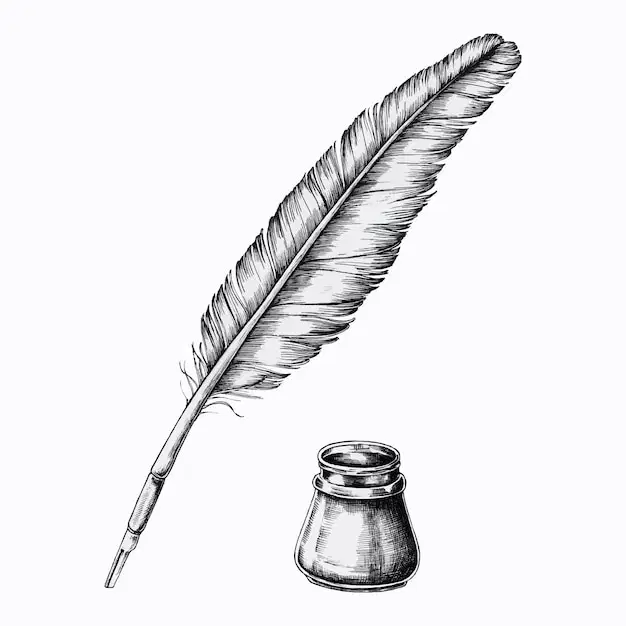
What type of pen is this?
ballpoint pen
reed or bamboo pen
quill pen
fountain pen

This is used in __________?
ballpoint pens
pencils
felt tip pens
fountain pens

