
 Worksheets
Safety Procedures Quiz
Total questions: 100
Worksheet time: 50mins
Why is knowledge of safety procedures important?
It helps in organizing events
It prevents accidents and saves lives
It increases school attendance
It reduces homework
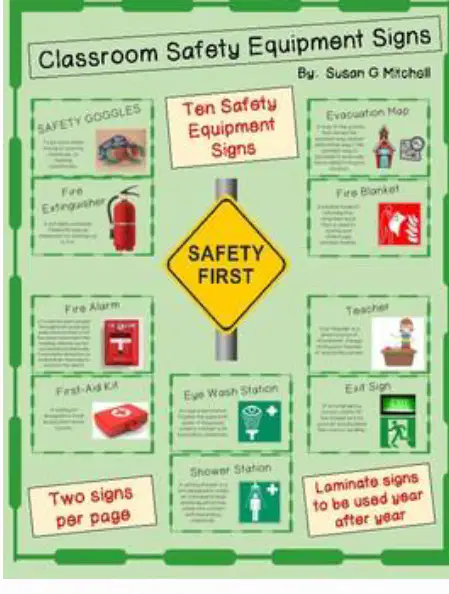
What is the main topic of the learning material?
Mathematics
Safety in different environments
History
Art
What should you familiarize yourself with according to school safety policies?
School safety handbook
School cafeteria menu
School sports schedule
School event calendar
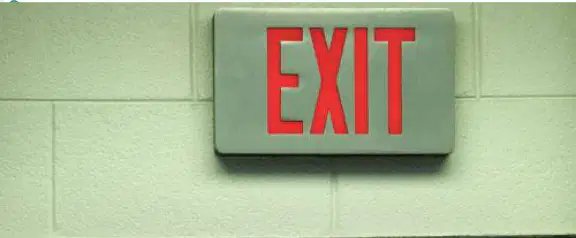
Why is it important to know evacuation routes and assembly points?
To find the quickest way to the cafeteria
To ensure safety during emergencies
To locate the nearest restroom
To plan school events
What should you do if you notice any suspicious activities at school?
Ignore them
Report them to staff
Post about them on social media
Discuss them with friends
What is one of the procedures you should understand as part of school safety?
Lockdown procedures
Lunch procedures
Assembly procedures
Exam procedures
What should you do during a fire drill?
Drop, cover, and hold on
Exit calmly, use designated routes
Follow teacher instructions
Alert staff immediately
What is the recommended action during an earthquake?
Exit calmly, use designated routes
Drop, cover, and hold on
Follow teacher instructions
Alert staff immediately
During severe weather, what should students do?
Exit calmly, use designated routes
Drop, cover, and hold on
Follow teacher instructions
Alert staff immediately
In case of a medical emergency, what is the first step?
Exit calmly, use designated routes
Drop, cover, and hold on
Follow teacher instructions
Alert staff immediately
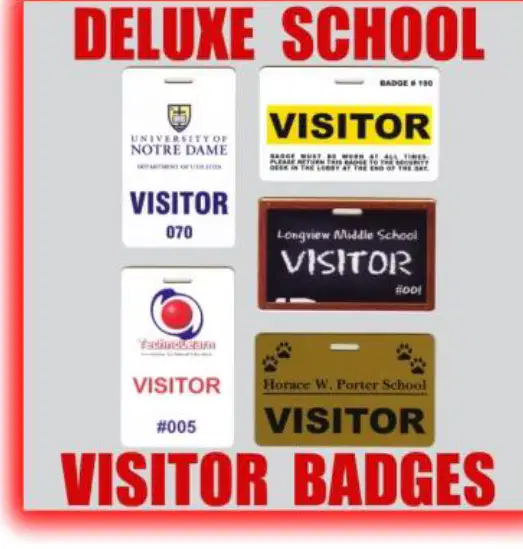
What is the first step all visitors must take according to the Visitor Check-In Policy?
Sign in at the main office
Report to the security desk
Call the principal
Wait outside the building
Why should visitors wear visible identification?
To show their fashion sense
To ensure they are easily identifiable
To avoid getting lost
To receive discounts at the cafeteria
What should be done if an unidentified adult is seen on campus?
Offer them a tour
Report them
Ignore them
Ask them to leave immediately
Why is the Visitor Check-In Policy important for safety?
It helps track attendance
It ensures only authorized individuals are on campus
It makes the school look professional
It helps with event planning
What should you do if you spill something in the classroom?
Leave it for the janitor to clean
Clean up spills immediately
Ignore it
Wait until the end of the day
How should equipment and materials be used in the classroom?
As you wish
Only as instructed
Without any guidance
By guessing
What should you do if you notice damaged furniture or equipment?
Use it anyway
Report it immediately
Ignore it
Try to fix it yourself
Why is it important to keep walkways clear of backpacks and other items?
To make the classroom look tidy
To prevent tripping hazards
To have more space for activities
To impress visitors

What is one of the key pieces of safety gear you should always wear in the lab?
Sandals
Safety goggles
Sunglasses
Earplugs
Why is it important to never eat or drink in the lab?
It can cause distractions
It might lead to contamination
It is against school policy
It can make the lab messy
What should you do after completing experiments in the lab?
Leave immediately
Wash hands thoroughly
Take a nap
Write a report
What is a critical reason for following lab safety rules?
To impress the teacher
To ensure personal and others' safety
To finish experiments faster
To avoid doing extra work
What is one way to prevent eye strain while using computers?
Maintain good posture
Take regular breaks
Keep food and drinks away
Report issues to the teacher
Why should food and drinks be kept away from computer equipment?
To prevent eye strain
To avoid technical issues
To maintain good posture
To improve typing speed
What should you do if you encounter a technical issue in the computer lab?
Ignore it
Try to fix it yourself
Report it to the teacher
Turn off the computer
How can poor computer habits affect your health?
Improve concentration
Cause health issues
Increase energy levels
Enhance memory
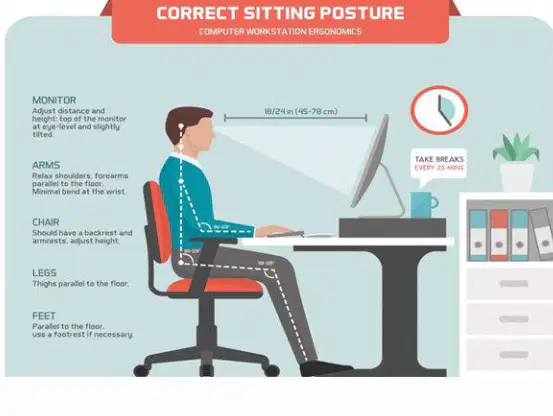
What is one way to ensure comfort while using a computer?
Adjust chair and monitor height
Keep the monitor at a low level
Use a hard chair without a backrest
Place the mouse far from reach
Why is it important to keep your wrists straight while typing?
To improve typing speed
To prevent wrist strain
To make the keyboard last longer
To reduce screen glare
What is the recommended distance to maintain from the computer screen?
5 inches
12 inches
Arm's length
3 feet
Why is ergonomics important when using computers?
It enhances computer speed
It reduces the risk of injury
It increases screen brightness
It improves internet connectivity
What should you never do when using a projector?
Look directly into the projector beam
Allow the projector to cool before moving
Keep liquids away from electrical equipment
Report any unusual noises or smells
What is a recommended action before moving a projector?
Look directly into the projector beam
Allow the projector to cool
Pour water on it
Ignore unusual noises
Why should you keep liquids away from projectors?
To prevent electrical hazards
To clean the projector
To cool down the projector
To improve image quality
What should you do if you notice unusual noises or smells from a projector?
Ignore them
Report them
Turn up the volume
Move the projector immediately

How should microscopes be carried to ensure safety?
With one hand
With both hands
With gloves
With a cloth
What should be used to clean microscope lenses?
Tissue paper
Lens paper
Cotton cloth
Regular paper
Why is it important to store microscopes carefully after use?
To prevent dust accumulation
To save space
To avoid damage
To keep them out of sight
Why is office safety crucial?
To increase productivity
To prevent accidents and injuries
To improve communication
To enhance teamwork
How do safety skills learned in school apply to work environments?
They help in organizing files
They assist in understanding workplace hazards
They improve customer service
They enhance technical skills
What is one benefit of understanding workplace hazards?
It helps in creating safer environments
It increases employee salaries
It reduces work hours
It improves job satisfaction
What is a leading cause of workplace injuries according to the document?
Electrical shocks
Slips, trips, and falls
Fire hazards
Ergonomic issues
Which of the following is NOT mentioned as a common cause of slips, trips, and falls in the document?
Wet floors
Loose cables
Poor lighting
Clutter
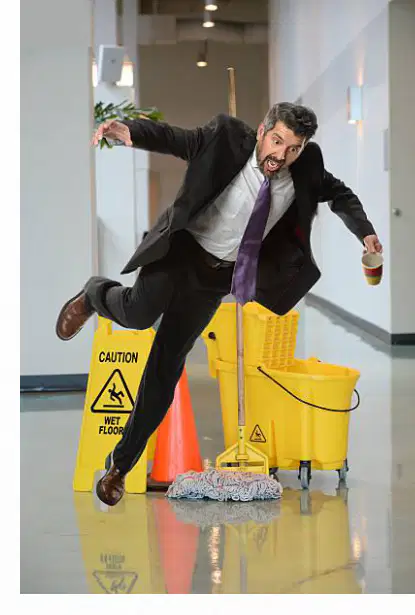
What is one prevention method for slips, trips, and falls mentioned in the document?
Use bright lighting
Keep walkways clear
Install security cameras
Use ergonomic furniture
What are common causes of ergonomic injuries in the office?
Proper posture and regular exercise
Poor posture, repetitive motions, or improper equipment setup
Healthy diet and hydration
Adequate lighting and ventilation
Which conditions can result from ergonomic injuries in the office?
Carpal tunnel syndrome or back pain
Headaches and migraines
Vision problems and eye strain
Allergies and asthma
What are some preventive measures for ergonomic injuries?
Use ergonomic furniture, take regular breaks, stretch
Increase screen time, avoid breaks, use standard furniture
Maintain a sedentary lifestyle, avoid stretching, use heavy equipment
Use non-ergonomic furniture, work continuously, avoid movement
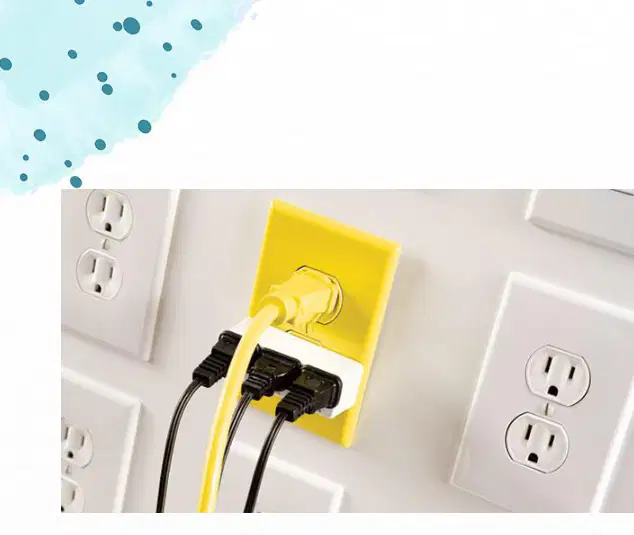
What should you avoid doing to ensure electrical safety in the office?
Overloading outlets
Using surge protectors
Keeping outlets clean
Using extension cords
Why is it important to report any electrical issues immediately in an office setting?
To prevent potential hazards
To save on electricity bills
To improve office aesthetics
To increase internet speed
Which of the following should be kept away from electrical equipment to ensure safety?
Liquids
Papers
Pens
Books
What is a recommended practice for electrical safety regarding cords and plugs?
Never use damaged cords or plugs
Use cords of any length
Plug in as many devices as possible
Use cords with frayed ends
What is one important aspect of fire safety in the workplace?
Knowing the location of the cafeteria
Keeping emergency exits clear at all times
Memorizing the company’s mission statement
Knowing the location of the nearest restroom
Why is it important to participate in fire drills and evacuation practices in the workplace?
To improve teamwork skills
To ensure everyone knows the evacuation procedures
To increase productivity
To reduce stress levels
What should you do if you notice a fire hazard in the workplace?
Ignore it and continue working
Report it to supervisors
Try to fix it yourself
Wait for someone else to notice
Which of the following is a recommended practice to manage stress in the workplace?
Ignore signs of stress
Take regular breaks and practice self-care
Work longer hours
Avoid seeking help
Why is maintaining a work-life balance important in the workplace?
It increases stress levels
It helps prevent burnout
It reduces productivity
It encourages working overtime
What should you do if you feel overwhelmed at work?
Keep working without breaks
Seek help
Ignore the feeling
Increase your workload
Why is mental health an important aspect of workplace safety?
It has no impact on safety
It only affects personal life
It contributes to a safer and more productive work environment
It is unrelated to workplace performance
Which of the following is a recommended office safety skill?
Adjusting your workstation for aesthetic purposes
Practicing safe lifting techniques for office supplies
Using office equipment without instructions
Ignoring safety concerns
What should you do if you notice a safety concern in the office?
Ignore it and continue working
Report it to a supervisor
Fix it yourself without telling anyone
Wait for someone else to notice
Why is it important to properly adjust your workstation?
To make it look more stylish
For ergonomic use
To match the office decor
To impress colleagues
What is a key aspect of using common office equipment safely?
Using it as quickly as possible
Demonstrating how to use it safely
Ignoring the instructions
Letting others use it first
What is one way to contribute to a culture of safety at school?
Ignore potential hazards
Take responsibility for your own safety and others'
Avoid safety training and drills
Discourage others from following safety procedures
Why is it important to speak up about potential hazards?
To create confusion
To ensure safety is maintained
To avoid responsibility
To delay safety procedures
Which of the following is NOT a way to promote a culture of safety?
Participate in safety training and drills
Encourage others to follow safety procedures
Speak up about potential hazards
Ignore safety protocols

Which of the following is a key aspect of applying safety skills in daily life?
Ignoring potential hazards
Knowing basic first aid and emergency procedures
Avoiding all outdoor activities
Relying solely on others for safety
Why is it important to be aware of your surroundings and potential hazards?
To increase stress levels
To ensure you can react appropriately in emergencies
To avoid learning new skills
To ignore safety protocols
How can safety skills benefit you outside of school and work?
They have no benefit outside of school and work
They help in managing everyday situations safely
They make you dependent on others
They are only useful in academic settings
What is one of the benefits of following safety procedures?
They increase productivity
They protect you and those around you
They reduce costs
They improve communication
Why is it important to stay informed about safety policies and updates?
To reduce paperwork
To ensure compliance with regulations
To prioritize safety in any environment
To improve teamwork
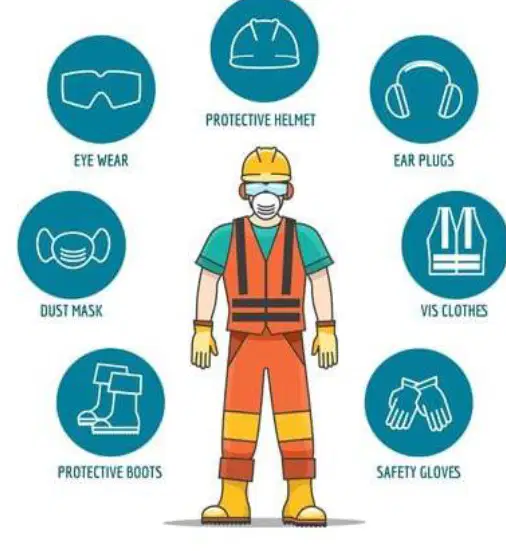
Which of the following is a type of Personal Protective Equipment (PPE)?
Safety glasses
Sunglasses
Reading glasses
Contact lenses
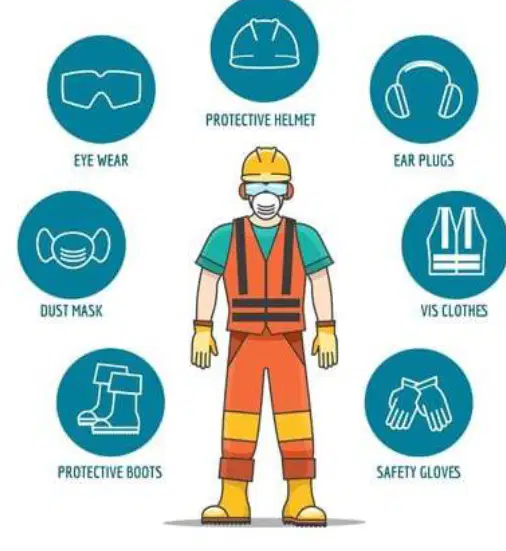
Why is it important to wear proper PPE in specific situations?
To look fashionable
To ensure safety and protection
To avoid getting dirty
To impress colleagues
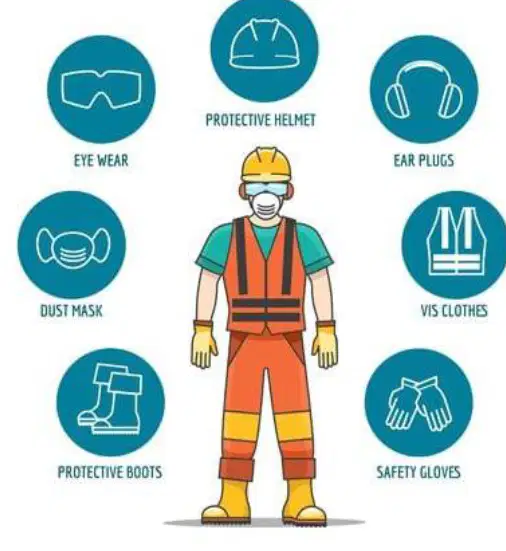
When should you replace your PPE?
When it becomes damaged or worn out
Every month
Every year
When you feel like it
What is the purpose of understanding safety data sheets (SDS) in hazard communication?
To improve chemical reactions
To enhance product design
To ensure safe handling and use of chemicals
To increase production speed
Why is recognizing hazard symbols and warning labels important?
To identify product brands
To ensure safe handling and prevent accidents
To improve marketing strategies
To enhance color coordination
What is a key benefit of proper storage of chemicals and hazardous materials?
To reduce storage costs
To prevent contamination and accidents
To increase shelf life
To enhance visual appeal
Why is clear labeling important in both school and work environments?
To improve aesthetic appeal
To ensure safety and prevent misuse
To enhance brand recognition
To increase sales
How can effective hazard communication prevent accidents?
By increasing production speed
By ensuring everyone understands the risks and safety measures
By reducing the need for training
By enhancing product design
What is one of the ergonomic considerations mentioned for various professions?
Proper lighting
Ergonomic tools and their benefits
Time management
Communication skills
Why is the importance of proper lifting techniques highlighted in ergonomics?
To improve speed
To prevent injuries
To enhance creativity
To increase productivity

How can ergonomic principles be applied according to the text?
Only in professional settings
In hobbies and daily activities
Exclusively in sports
Only in office environments
What is the effect of understanding decibel levels on hearing?
It helps in improving hearing ability.
It allows for better sound quality.
It helps in recognizing the need for hearing protection.
It reduces the need for hearing aids.
Which of the following is a long-term consequence of exposure to loud noises?
Improved concentration
Hearing loss
Enhanced memory
Increased energy levels
What is one way to protect your hearing in noisy environments?
Ignore the noise
Use hearing protection devices
Increase the volume
Move closer to the noise source
Which of the following situations might require hearing protection?
Reading a book
Attending a rock concert
Watching a silent movie
Sleeping in a quiet room
What are common indoor air pollutants found in schools and offices?
Dust and mold
Pollen and ozone
Carbon monoxide and nitrogen dioxide
All of the above
What is a health effect of poor indoor air quality?
Improved concentration
Respiratory issues
Enhanced energy levels
Better sleep quality

Which strategy can improve indoor air quality?
Increasing humidity
Using air purifiers
Sealing windows tightly
Reducing ventilation
Why is proper ventilation important for indoor air quality?
It reduces noise levels
It helps remove pollutants
It increases room temperature
It decreases humidity
How might poor air quality affect your performance at school or work?
Increases focus
Enhances creativity
Causes fatigue and distraction
Improves memory
What is one of the key components of workplace violence prevention?
Increasing workload
Recognizing warning signs of potential violence
Ignoring conflicts
Encouraging competition
Which technique is important for preventing workplace violence?
De-escalation techniques
Aggressive communication
Avoiding communication
Increasing stress
Why is it important to report concerns in the workplace?
To create confusion
To ensure issues are addressed
To increase tension
To avoid responsibility
What is crucial for creating a safe workplace environment?
Creating a culture of respect and open communication
Encouraging gossip
Promoting secrecy
Ignoring employee feedback
What is the importance of using strong passwords and two-factor authentication?
It makes it easier to remember passwords.
It reduces the risk of unauthorized access.
It allows sharing passwords with others.
It speeds up the login process.
How can you recognize phishing attempts and social engineering?
By ignoring all emails.
By clicking on all links received.
By verifying the source and looking for suspicious requests.
By responding to all messages quickly.
What is a safe practice when using public Wi-Fi networks?
Accessing sensitive information without a VPN.
Sharing personal information freely.
Using a VPN to encrypt your connection.
Disabling all security features.
Why is it important to protect sensitive information online?
To make it accessible to everyone.
To prevent identity theft and data breaches.
To increase internet speed.
To allow easy sharing with friends.

How can a cybersecurity breach affect an individual or organization?
It can lead to financial loss and damage to reputation.
It can improve system performance.
It can increase employee productivity.
It can enhance data sharing capabilities.
What are some basic first aid techniques?
CPR, wound care, choking response
Surgery, medication, therapy
Dieting, exercise, meditation
Counseling, yoga, acupuncture
When should you call for professional medical help?
For minor cuts and bruises
When someone is feeling slightly unwell
In case of severe injuries or life-threatening situations
For a common cold

