
 Worksheets
ACTFAI - Industry Issues and Consumer Demands Quiz
Total questions: 73
Worksheet time: 47mins
What is one of the consumer demands mentioned in the syllabus?
Increased use of synthetic materials
Sun protection factor clothing
Decreased focus on organic sources
Preference for non-durable goods
What does globalisation refer to?
Increasing worldwide connection and interrelatedness
Isolation of countries from each other
Increasing technological advancements
Reduction in cultural exchanges
How has globalisation affected the production of clothing?
Clothes are only made locally
Clothes are often made in various countries like China and Vietnam
Clothes are no longer produced
Clothes are only made in the USA
What is a key driver of globalisation?
Increased isolation
Improved technology and reduced trade barriers
Decreased communication
Higher tariffs and trade restrictions
Which of the following are characteristics of global trade?
(Choose all that apply)
Internet access
Trade with many countries
Lower business costs
Multinational corporations
What is a feature of global migration?
(Choose all that apply)
People moving to other countries
Cheaper flights and sea transport
New technologies
People working overseas
Which aspect of globalisation involves cultural exchange and understanding?
Global trade
Global migration
Global culture
Global communication
What is a result of global communication?
Multinational and international corporations
Increased awareness of international issues
Cultural exports
People working overseas
Organise these globalisation impacts into opportunities and challenges for the Australian Textiles Industry
Increased competition from other countries
Loss of domestic market share
Outsourcing to developing countries
Import and exports
Access to global markets
Able to focus on niche markets
What is often associated with factories in developing countries in the textile industry?
High wages
Short working hours
Sweatshops
Excellent safety conditions
There are several (a) issues in the fashion industry, including (b) labour, (c) wages, health and (d) risks, animal (e) and environmental degradation.
What are the working conditions like in factories in developing countries compared to richer countries?
Better health and environmental regulations
Similar to richer countries
Poor with low wages, long hours, and poor safety conditions
More advanced technology
In which year was Fair Wear founded?
1989
1999
2009
2019
What is the primary mission of Fair Wear?
To increase garment production
To improve labour conditions in the garment industry
To reduce garment prices
To expand garment exports
What is the main purpose of Ethical Clothing Australia?
To promote international clothing brands
To ensure Australian workers receive fair wages and work in decent conditions
To reduce the cost of clothing production
To increase the export of Australian clothing
What commitment do businesses make by registering with Ethical Clothing Australia?
To increase their production speed
To keep their supply chains transparent and compliant with Australian laws
To reduce their workforce
To expand their business internationally
What benefit do accredited brands receive from Ethical Clothing Australia?
A discount on raw materials
A license to display the Ethical Clothing Australia trademark
Free advertising on television
Tax exemptions
What factors have contributed to the expanding marketplace opportunities for the textile industry?
Global trade, migration, culture, and communication
Local trade and traditional designs
Decreased internet usage
Isolation of cultures
How has global networking via the internet impacted designers?
It has decreased cultural exchange
It has allowed designers to work on a multicultural level
It has limited traditional designs
It has isolated cross-cultural elements

Which designer incorporates traditional Japanese heritage with Russian embroidery?
Gwen Stefani
Akira Isogawa
Giorgio Armani
Coco Chanel
Why have Australian manufacturers shifted from making basic products to more niche and unique items?
To reduce labor costs
To focus on local markets
To combat global competition
To increase production speed
What is one reason Australian companies produce goods in other countries?
To access better technology
To reduce labor and production costs
To improve product quality
To expand their workforce
What is the purpose of the Extended Overseas Assembly Provisions (EOAP) in Australia?
To increase import taxes on foreign goods
To allow companies to assemble products overseas and bring them back without import taxes
To provide financial aid to local businesses
To restrict the export of Australian-made goods
How does the Enhanced Innovation Package (EIP) support the TCF industries in Australia?
By reducing the workforce in the industry
By providing financial support to over 45,000 employees
By promoting traditional methods of production
By discouraging new product development
How has the Australian government supported the TCF industry? (Choose all that apply)
Starting a $35 million TCF program over 5 years to boost innovative projects
Creating a scheme with an extra $25 million investment
Forming a council to promote innovation
Increasing tariffs on TCF products
Sought advice on introducing national size standards for clothes and shoes
What was one of the goals of the council formed by the Australian government in the TCF industry?
To separate businesses and researchers
To promote innovation by bringing together various groups
To reduce the number of TCF businesses
To increase import taxes on TCF products
What is one benefit of using e-commerce business connections in distribution?
Increased travel costs
Limited market access
Reduced marketing costs
Slower response time
What is becoming more of the norm and accessible for all businesses, even small ones?
Overseas markets
Local markets
Online platforms
Domestic suppliers
Why do Australian businesses need to respond to change, trends, and opportunities?
To maintain local market dominance
To gain access to overseas markets
To reduce production costs
To increase domestic employment
What is the role of Austrade according to the text?
To regulate import taxes
To assist Australian companies in exporting goods and services
To provide loans to small businesses
To manage domestic trade policies
What does the term "import" mean?
To send goods or services to another country for sale.
To bring goods or services into a country from abroad for sale.
To produce goods domestically for local consumption.
To store goods in a warehouse for future use.
What does the term "export" mean?
To bring goods or services into a country from abroad for sale.
To send goods or services to another country for sale.
To consume goods domestically.
To discard goods that are not needed.
How does the Product Diversification Scheme help businesses?
By reducing their taxes
By encouraging them to focus on a single product
By providing funding to develop new products
By offering free marketing services
What is the annual cap for the Import Credit Scheme?
$1 million
$5 million
$10 million
$15 million
Which industry is specifically encouraged by the 10-year import credit scheme?
Automotive
Textile
Technology
Agriculture
What is the primary goal of the AusTrade TradeStart program?
To provide financial loans to businesses
To boost the global presence of Australian businesses
To offer legal advice to international companies
To create new local markets for Australian products
Which areas does AusIndustry focus on to encourage economic growth?
Agriculture and mining
Science, innovation, and technology
Real estate and construction
Retail and hospitality
What is the primary role of AusTrade at the Australian Fashion Week (AFW)?
To increase domestic sales
To ensure designers have the opportunity to show and meet with international visitors
To reduce production costs
To promote local tourism
How much does the Australian fashion industry generate annually?
$15 billion
$27.2 billion
$50 billion
$10 billion
What percentage of expenses does the Export Market Development Grants (EMDG) scheme reimburse?
25%
75%
50%
10%
What is the purpose of Austrade’s Export Market Development Grants (EMDG) scheme?
To increase local employment
To encourage small and medium-sized Australian businesses to develop export markets
To fund fashion shows
To support domestic marketing campaigns
What does ATCFAI provide employment for?
Only unskilled workers
Only skilled workers
Unskilled, skilled, and highly skilled workers
Only highly skilled workers
Why will skilled labour be required in the ACTFAI?
To replace unskilled workers
To operate new machines
To reduce costs
To increase the number of jobs
What change has been made to encourage more workers into factories?
Increased wages
Improved factory locations
Changed workplace environment and WH&S conditions
Reduced working hours
Multi-skilling, introduced in the 1980s, allows?
each worker to be trained to high levels and gain new skills to advance within the company
people with multiple skills to be hired
provides a wide range of basic training to employees
What have national training institutions introduced for ATCFAI workers?
New job roles
Courses to train workers to various levels
Higher salaries
Flexible working hours
What is a challenge faced by manufacturers and retailers according to the text?
Predicting consumer attitudes and behaviors
Increasing production costs
Reducing environmental impact
Expanding global markets
Why do consumers weigh up their disposable income?
To save for future investments
To balance against their priorities and values
To reduce their spending
To increase their savings
What does ATCFAI need to do to remain competitive?
Lower prices significantly
Innovate new products
Meet consumer demands driven by changing lifestyles
Increase advertising efforts
Which trend involves the general public wanting elite athlete clothing?
Accessibility to elite equipment
Innovations in children’s clothing
Informal living and working
Expert consumers
What does UPF stand for in the context of sun protection?
Ultraviolet Protection Factor
Ultra Protection Fabric
Universal Protection Formula
Ultimate Protection Factor
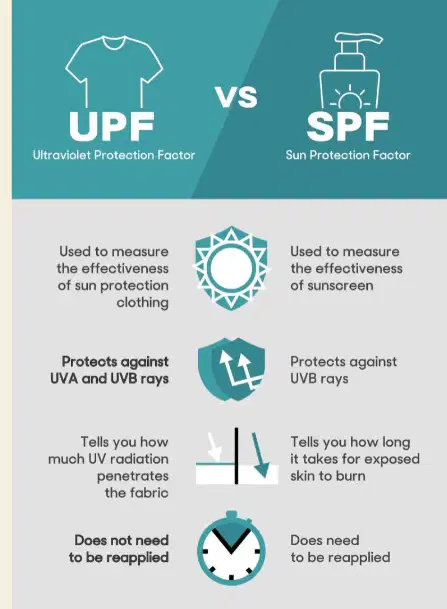
How does SPF differ from UPF according to the text?
SPF measures clothing effectiveness, UPF measures sunscreen effectiveness
SPF measures sunscreen effectiveness, UPF measures clothing effectiveness
SPF and UPF are the same
SPF is for indoor use, UPF is for outdoor use
According to which standard is the testing and labeling of sun protective clothing created in Australia?
AS/NZS4399
ISO9001
ASTM D6603
EN 13758
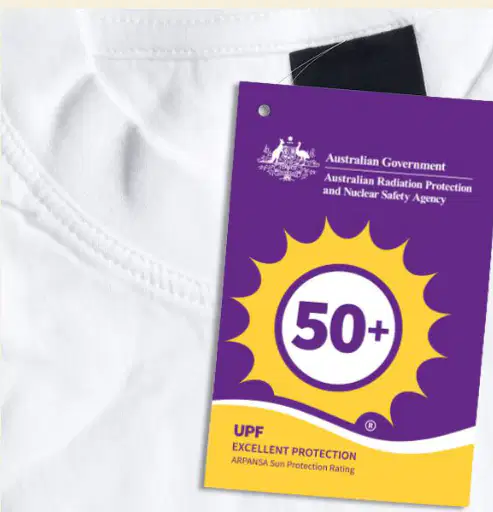
Which agency can supply readymade tags featuring a certification trademark for sun protective clothing in Australia?
Australian Radiation Protection and Nuclear Safety Agency (ARPANSA)
Australian Standards Bureau
National Safety Council of Australia
Australian Textile Association
What is a characteristic of niche markets?
They are large markets for general textile items.
They are smaller markets for more specialized textile items.
They are markets for mass-produced goods.
They focus on high volume production.
What is the primary focus of mass-produced goods?
To cater to a small, specialized market.
To create limited edition items.
To be sold in vast amounts to a large market.
To focus on low volume production.
Who is the founder of Ahiida®?
Alana Valentine
Aheda Zanetti
Macquarie Dictionary
Burqini
What is the purpose of Ahiida® swimwear?
To provide fashionable swimwear for men
To assist Muslim women in competitive and recreational sports
To create swimwear for children
To design costumes for gymnasts
What was the Burqini® recognized as in 2011?
Best swimwear design
Macquarie Dictionary Word of the Year
Most popular sportswear
Best-selling swimsuit
What is a characteristic of mass-produced goods?
They are customized for individual consumers.
They are manufactured in small quantities.
They are marketed to appeal to a vast majority of consumers.
They are of higher quality than niche market goods.
Which of the following is true about the manufacturing approach for mass-produced goods?
It involves customization for each buyer.
It focuses on low volume production.
It includes mass production, distribution, and promotion.
It is primarily used for luxury items.
How are mass-produced goods typically regarded in terms of quality?
Higher quality than niche market goods.
Lower quality and overproduced.
Custom-made for each consumer.
Exclusive and limited edition.
What is a trend in the production of mass-produced goods?
Increasing customization for individual needs.
Producing smaller runs for a diversified market.
Focusing solely on high volume production.
Eliminating automated processing systems.
Which of the following best describes a niche-produced textile item?
It is economical.
It caters to specific needs.
It has a short product life cycle.
It appeals to the general public.
Which aspect of the Australian textile industry has been most affected by globalisation?
Clothing design
Pattern development
Raw fibre production
Clothing manufacture
Which of the following has most influenced the increased use of sun protection factor clothing?
Fashion trends
Consumer demand
Swimwear designers
Government legislation
A company in the textile industry requires all its staff members to participate regularly in training. Which of the following does this address?
Changing consumer demand
Manufacturing strategies
Skill levels of workers
Globalisation of design
This is a screenshot of a brand analysis from the Ethical Fashion Guide. Identify the issues the the guide identifies that are related to environmental sustainability
What is e-commerce?
The process of electronically transferring money between bank accounts
The buying and selling of goods and services over the internet
The use of social media platforms for advertising
The exchange of goods and services in a traditional physical store
The Import Credit Scheme is a program where the (a) gives credits to businesses that (b) goods into the country. These credits can then be used to pay off certain (c) or fees that the businesses owe. It's like getting points that you can use to pay for things later on. This scheme helps businesses save money and (d) them to import goods, which can boost trade and the economy. The 10 year import credit scheme encourages textile businesses to achieve growth and value in their products. The scheme is capped at $5 million per year.
The Product Diversification Scheme is a program where businesses are encouraged to make different kinds of products than they usually do ( (a) ). The government supports these efforts by providing (b) or resources to help companies develop new products or improve existing ones. By diversifying their products, businesses can reduce (c) and find new (d) to sell to, which can help them grow and be more (e) .
Compare the difference between these two export assistance organisations
Helps Australian businesses export products and services internationally
Provides advice, resources, and connections for international trade
Aims to increase Australian business competitiveness in global markets
Supports businesses in navigating international trade complexities
Offers funding and support for business innovation and growth
Assists businesses of all sizes, from startups to large companies
Encourages economic development through science, technology, and innovation
Helps businesses develop new ideas, products, or services
Helps Aussie businesses grow and innovate
Helps Aussie businesses expand internationally
Match the following lifestyle trends with their textile impact
Increased awareness of skin protection and sun damage
Sunsafe clothing
Increased desire for Australian made items
Australian made clothing
Australia's aging population remaining in the workforce
Wider range of professional clothing
Ever changing fashion cycles
Constant manufacturing changes
Increasing environmental awareness and consumer concerns
Using recycled or organic materials