
 Worksheets
New World Revolutions Quiz
Total questions: 20
Worksheet time: 10mins
Name
Class
Date
1.
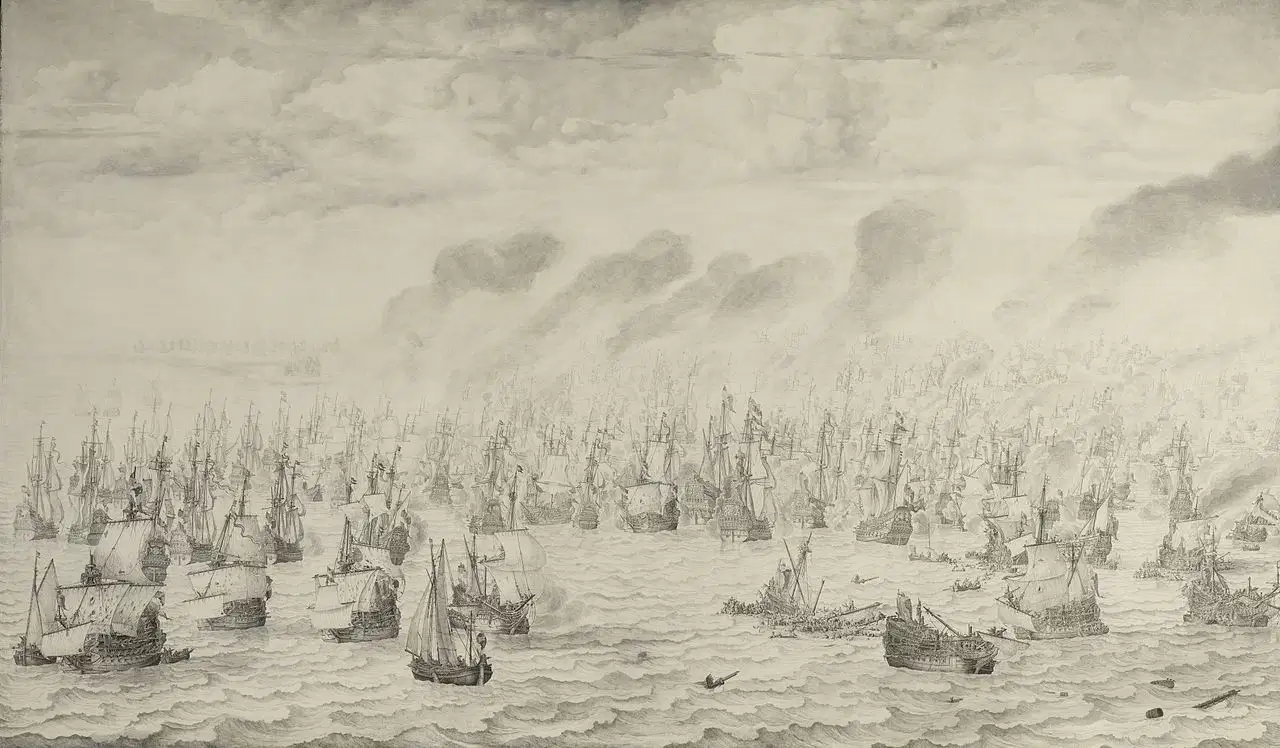
An economic system that enriched the mother country at the expense of the colony is known as...
a)
Communism
b)
Mercantilism
c)
Democracy
d)
Oligarchy
2.

The western portion of the island of Hispaniola, known then as Saint-Domingue, was controlled by which European power?
a)
Britain
b)
Spain
c)
France
d)
Portugal
3.

True or False: The Haitian Revolution also helped to push a real estate mega-deal for the United States, the Louisiana Purchase
a)
True
b)
False
4.

Why did many slave holding countries not trade with or recognize Haiti's independence from France shortly after its revolution?
a)
Many countries feared Napoleon and French revenge...
b)
Some countries feared slave revolts in their own territories if they recognized Haiti as an independent nation...
c)
Some countries feared British trade blockades if they recognized Haiti as a country...
d)
Many countries feared that Haiti had grown to strong and needed to be weakened economically...
5.

Who were the "Gens de Couleur"?
a)
The African Slaves imported to the island...
b)
The French nobles in Saint Domingue on vacation...
c)
The poor, working class, white population...
d)
The free, and often wealthy people of color who lived on the island...
6.
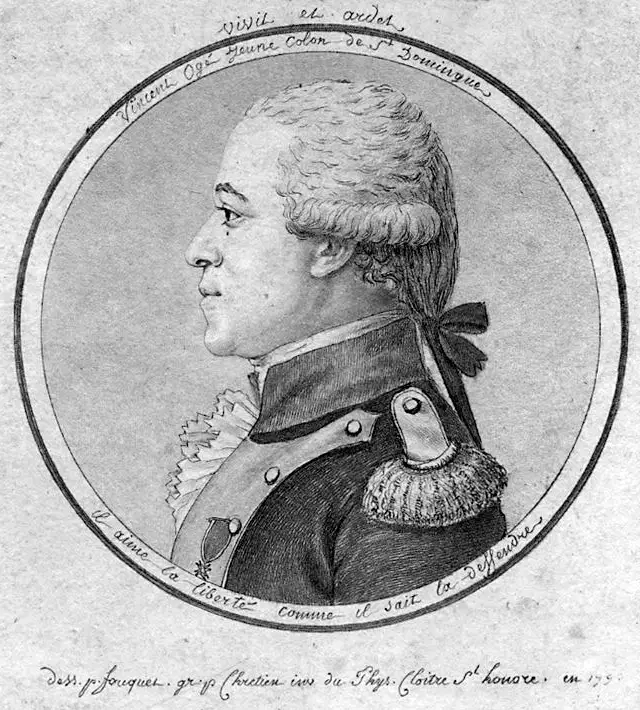
Revolutionary "Gens de Couleur" Vincent Oge was executed for...
a)
Advocating for racial equality in San Domingue...
b)
Advocating for the overthrow of Napoleon...
c)
Advocating for the reintroduction of slavery on the island...
d)
Advocating for the change from a sugar cane based economy to a tobacco based one...
7.
True or False: Slavery on the island of San Domingue was perpetuated (used and promoted) by both the European French and native African leader, including former slaves like Toussaint L'Overture...
a)
True
b)
False
8.
What was the average lifespan of a slave working on Saint-Domingue (Haiti)
a)
18
b)
19
c)
20
d)
21
9.
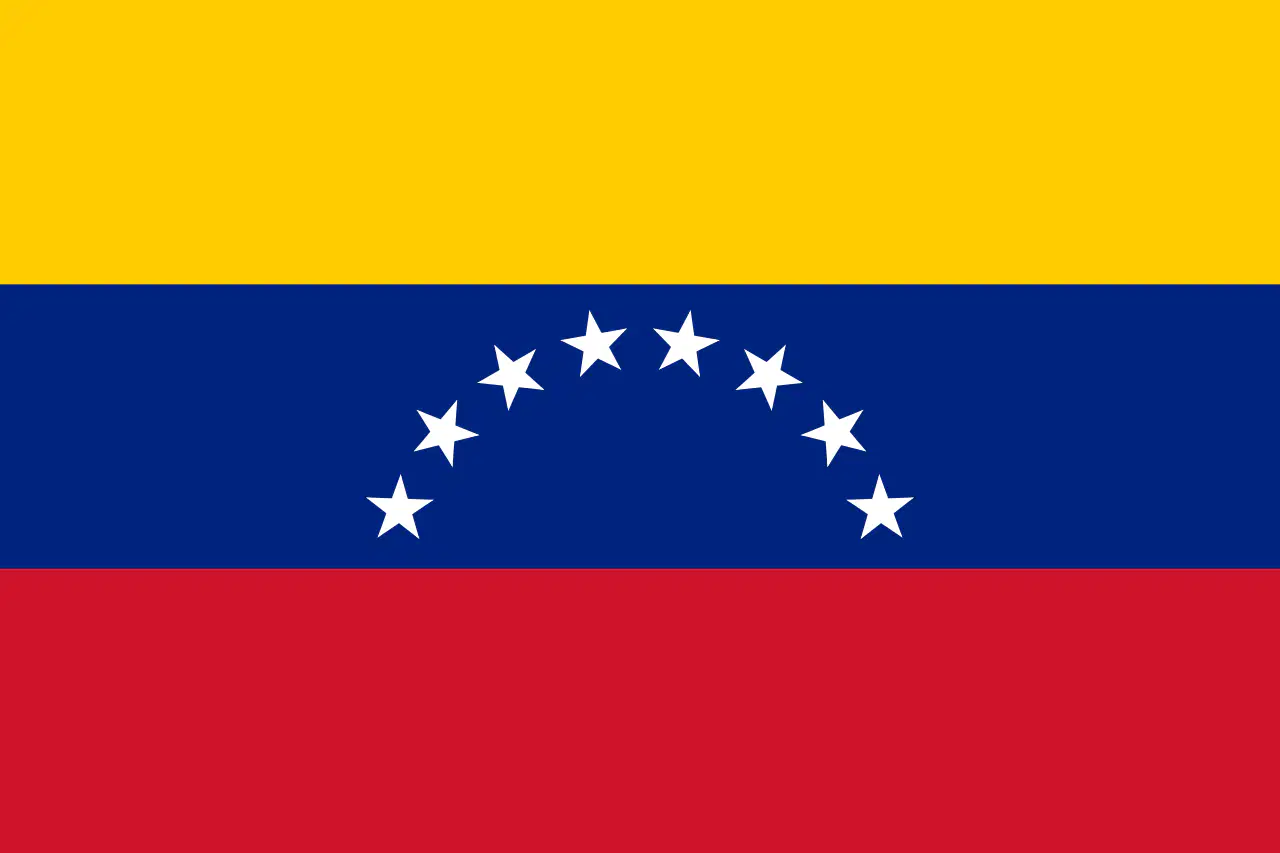
Simon "La Libertad" Bolivar was born in, and made it his life long goal to liberate what South American country from Spanish control?
a)
Bolivia
b)
Colombia
c)
Venezuela
d)
Ecuador
10.
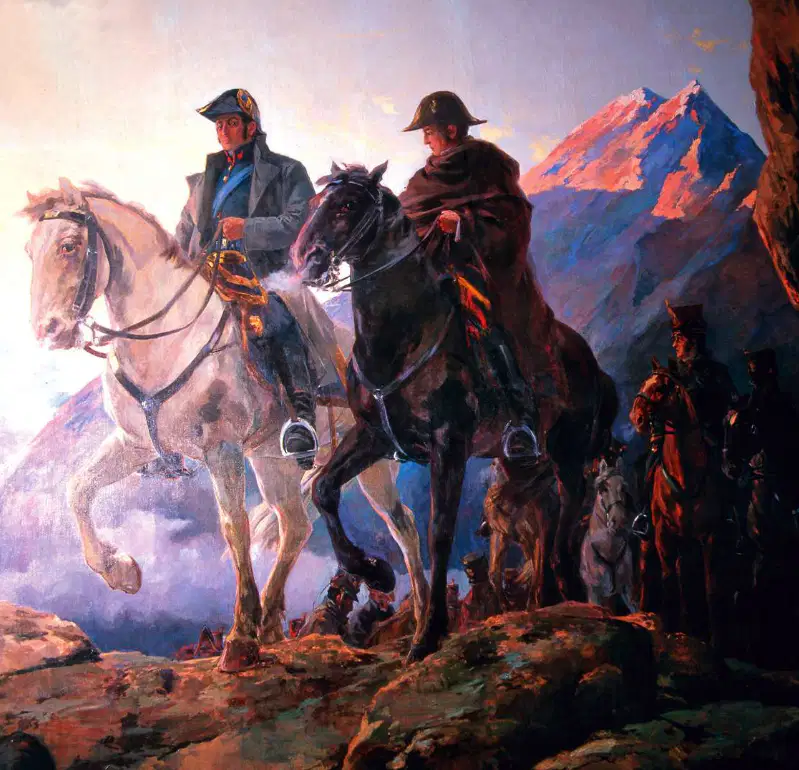
Simon Bolivar liberated which of the following modern day areas from Spanish control? SELECT ALL (4) THAT APPLY
a)
Panama
b)
Venezuela
c)
Colombia
d)
Ecuador
e)
Mexico
11.

After Bolivar helped to establish "Gran Colombia" tried to establish himself as...
a)
King for a Year
b)
Prime Minister for a Decade
c)
Emperor for a Day
d)
President for Life
12.

After the fall of Gran Colombia, many "Caudillos" came to power in the new South American countries, what are three traits of these "Caudillos"? SELECT THE THREE OPTIONS THAT APPLY.
a)
They typically siezed and maintained power through violence and the miitary...
b)
They typicalluy siezed power through peaceful, political means...
c)
They typically used their positions of power to make themselves and their family wealthy...
d)
They typically used the power of the government to limit or ban free speech, and human rights...
13.

The Spanish employed a strict racial hierarchy known as the ________________ System
a)
Caste
b)
Casto
c)
Casta
d)
Cassio Biaggio
14.
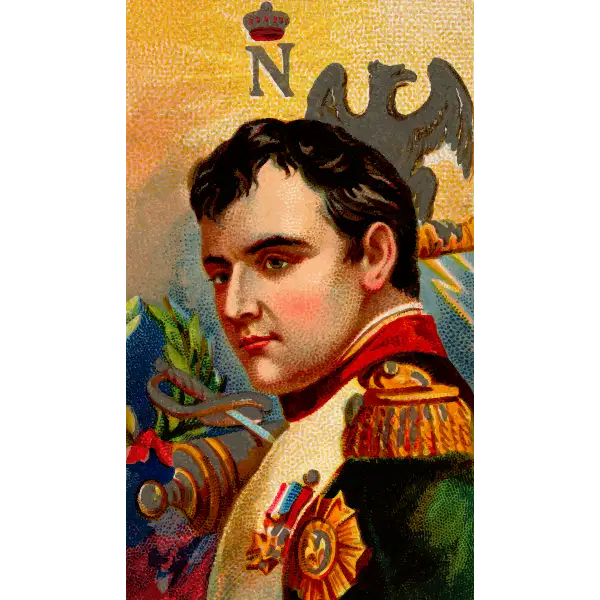
Which European leader kept the Spanish and Portuguese busy with war, allowing for citizen rebellions in Latin America and laid the groundwork for revolution?
a)
George Washington
b)
Napoleon Bonaparte
c)
Simon Bolivar
d)
Hernan Cortes
15.
The Haitian Revolution (1791-1804) was primarily a revolt of:
a)
(a) French colonists against the French monarchy.
b)
(b) Enslaved Africans and free people of color against French colonial rule.
c)
(c) British forces seeking to gain control of Saint-Domingue.
d)
(d) Indigenous Taíno people seeking to reclaim their land.
16.
The Haitian Revolution was unique in that it was the only successful revolt led by enslaved people that resulted in the founding of a:
a)
(a) Communist state.
b)
(b) Constitutional monarchy.
c)
(c) Free and independent nation.
d)
(d) Theocracy.
17.
What major event in Europe significantly weakened French control over Saint-Domingue and provided an opportunity for the Haitian Revolution to succeed?
a)
(a) The Napoleonic Wars
b)
(b) The French Revolution
c)
(c) The Industrial Revolution
d)
(d) The Congress of Vienna
18.
The social hierarchy in Saint-Domingue (colonial Haiti) prior to the revolution was primarily based on:
a)
(a) Religious affiliation.
b)
(b) Wealth and land ownership.
c)
(c) Race and legal status.
d)
(d) Military rank.
19.
What was the name that the revolutionaries gave to the newly independent nation in 1804? (originally San Domingue)
a)
(a) Hispaniola
b)
(b) New Africa
c)
(c) Haiti
d)
(d) Columbia
20.
The Latin American Revolutions were influenced by the Enlightenment and other revolutionary movements. Which of the following Enlightenment ideas played a significant role in inspiring these revolutions?
a)
(a) The divine right of kings.
b)
(b) The importance of maintaining a rigid social hierarchy.
c)
(c) The concepts of natural rights, popular sovereignty, and self-determination.
d)
(d) The belief in mercantilism as the ideal economic system.
100 %

