
Font size
 Worksheets
Quizziz_lesson 41: a gente se encontra lá
Total questions: 31
Worksheet time: 47mins
"Saber" directly translates to "to know" but in the context of skills, it carries the meaning of "to know how to." How do we conjugate this verb in the present?
"Poder" is used when you have permission, the ability, or it’s possible for you to do something. How do we conjugate this verb in the present?
We use "conseguir" when you managed to do something because you had the chance, the right moment, or the means to do it. How do we conjugate this verb in the present?
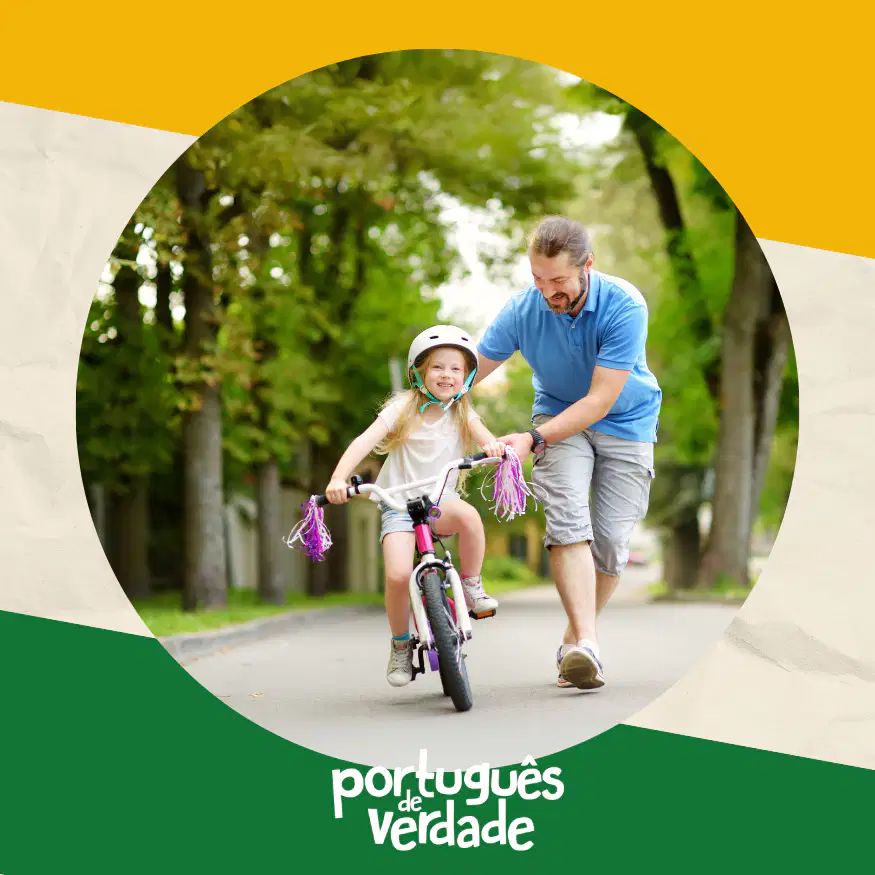
Reorder the sentence "I know how to ride a bike!"
Eu
sei
andar
de bicicleta!

Reorder the sentence "I know how to cook very well!"
Eu
sei
cozinhar
muito
bem!
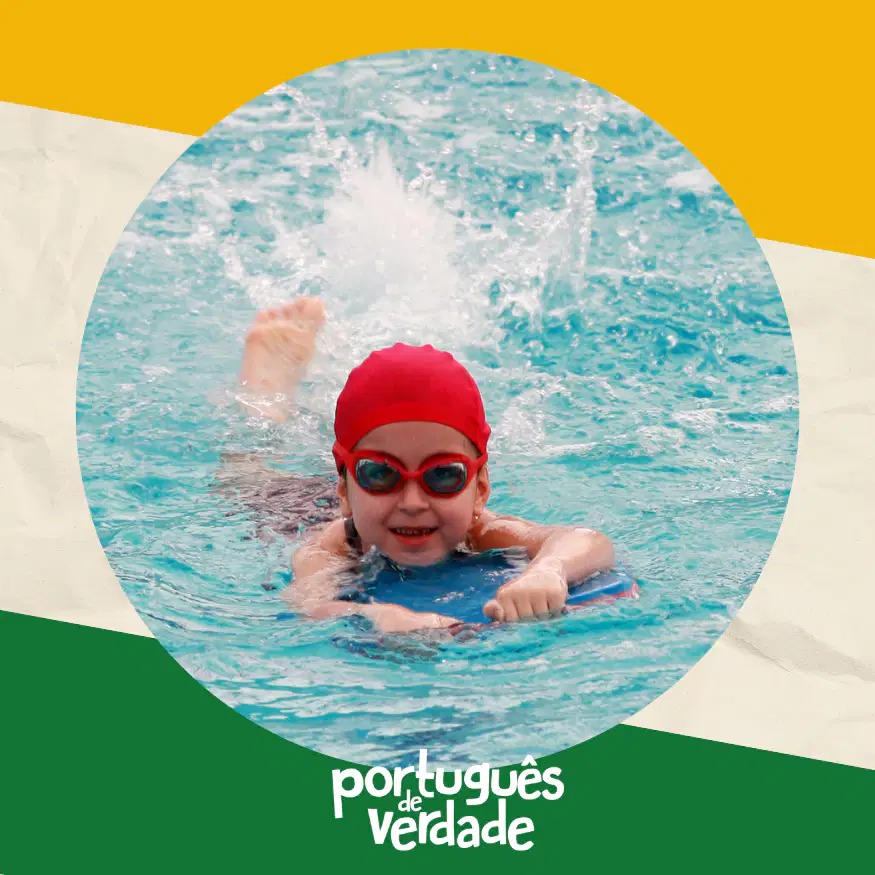
Reorder the sentence "Do you know how to swim?"
Você
sabe
nadar?
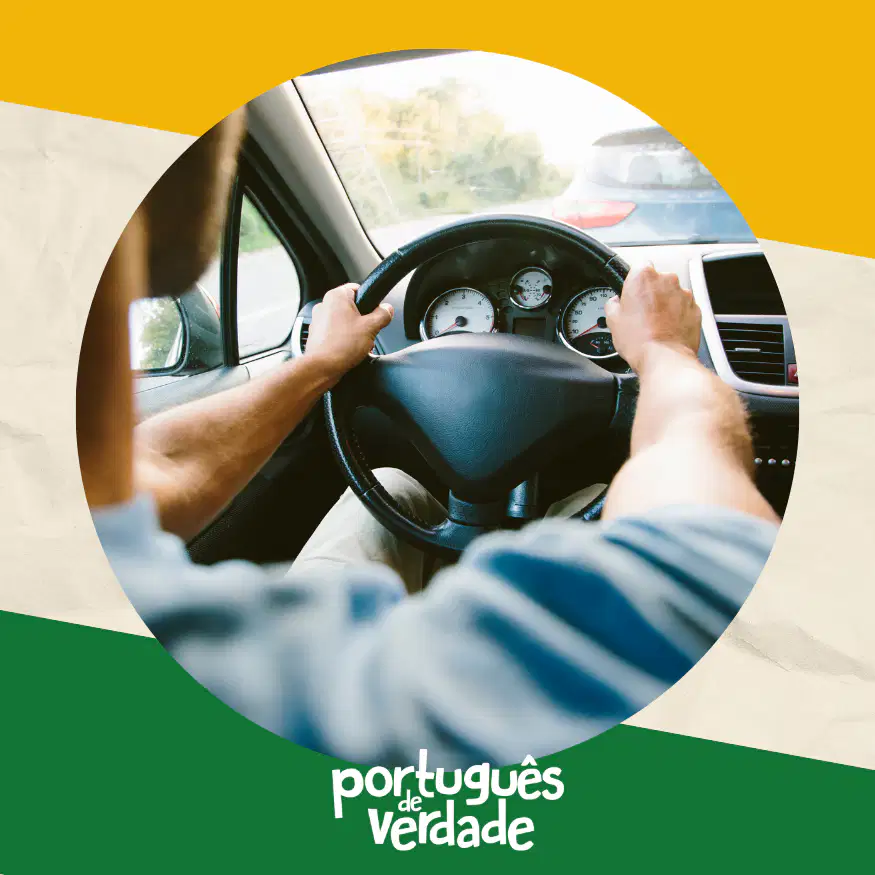
Reorder the sentence "He doesn't know how to drive."
Ele
não
sabe
dirigir

Reorder the sentence "Do you guys know how to samba?"
Vocês
sabem
sambar?
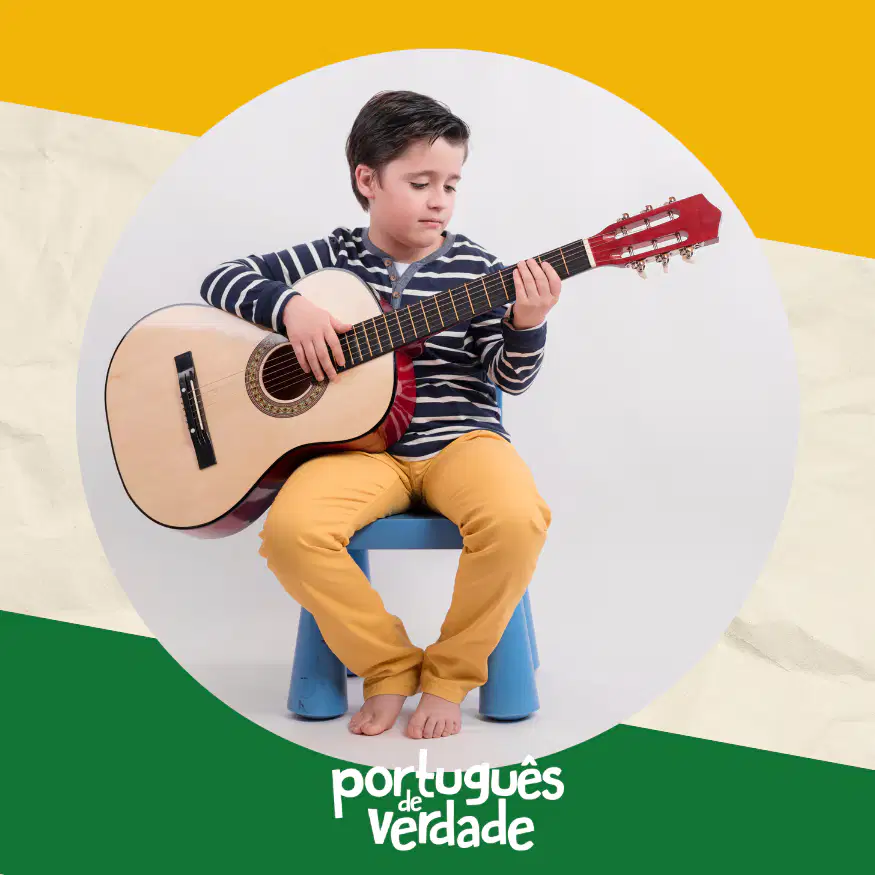
Reorder the sentence "We don't know how to play the guitar."
Nós
não
sabemos
tocar
violão

SABER, PODER OR CONSEGUIR?
Fill in the gap with the correct verb in Portuguese.
I can drive. (I want to highlight I am allowed to drive or I'm saying me driving is a possibility)
Eu (a) dirigir.
SABER, PODER OR CONSEGUIR?
Fill in the gap with the correct verb in Portuguese.
She can play the piano. (She knows how to do it – it's a learned skill)
Ela (a) tocar piano.
SABER, PODER OR CONSEGUIR?
Fill in the gap with the correct verb in Portuguese.
We can’t go to the party. (We’re not allowed / it’s not possible)
Nós não (a) ir na festa.
SABER, PODER OR CONSEGUIR?
Fill in the gap with the correct verb in Portuguese.
He can’t run very fast. (He tries, but physically can’t – he doesn’t manage to)
Ele não (a) correr muito rápido.
SABER, PODER OR CONSEGUIR?
Fill in the gap with the correct verb in Portuguese.
They can speak Japanese. (They learned it – it's a skill)
Eles (a) falar japonês.
SABER, PODER OR CONSEGUIR?
Fill in the gap with the correct verb in Portuguese.
I can’t fix this. (I don’t know how to – it’s not a skill I have)
Eu não (a) consertar isso.
SABER, PODER OR CONSEGUIR?
Fill in the gap with the correct verb in Portuguese.
Can you carry this bag? (Are you able to – physically or practically speaking)
Você (a) carregar essa bolsa?

Which Brazilian singer and actress became world-famous for her tropical costumes and lively personality in Hollywood movies?
(a)

Which Brazilian composer is known for portraying everyday life in São Paulo in samba songs like "Trem das Onze"?
(a)

What is the name of the samba style danced solo, with loose, rhythmic steps, commonly seen in samba school parades?
(a)
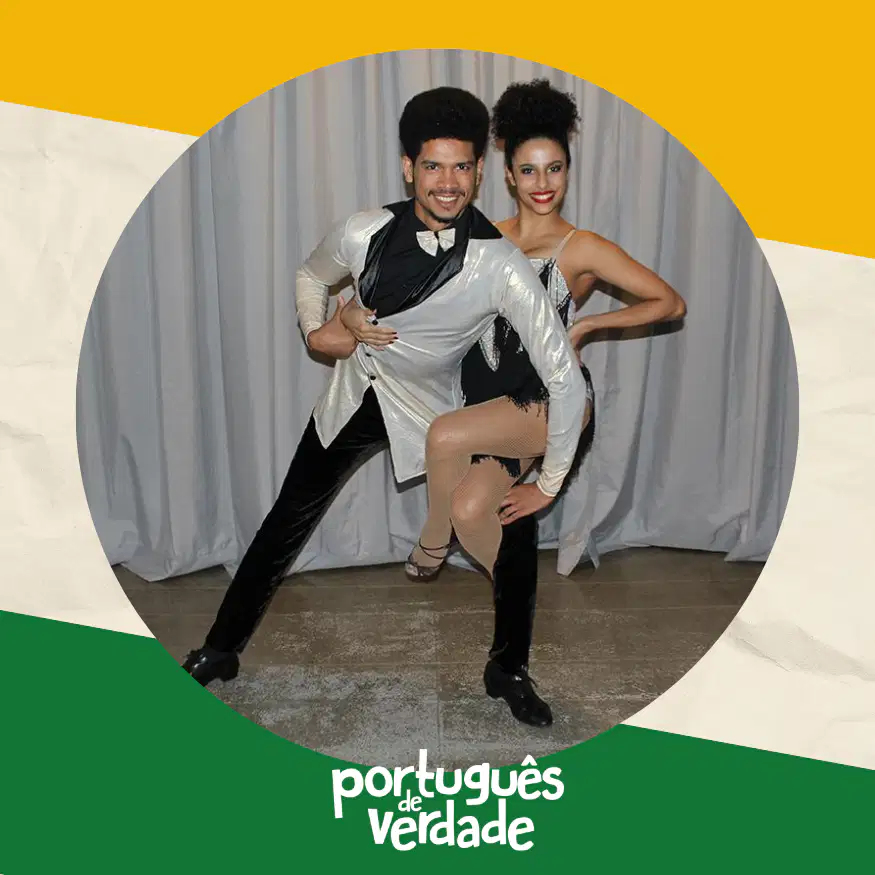
What is the name of the ballroom-style samba danced in pairs, blending samba with the elegance of partner dancing?
(a)
Reorder the sentence "When you arrive, let me know, because I’m going to prepare some coffee."
Quando
você chegar,
me avisa,
porque
eu vou
preparar o café.
Reorder the sentence "If he calls, let me know, because I want to talk to him."
Se
ele ligar,
me chama,
porque
eu quero falar com ele.
Reorder the sentence "As soon as the class ends, we’ll go out, because I’m hungry."
Assim que
a aula terminar,
vamos sair,
porque
eu estou com fome.
Reorder the sentence "After you have dinner, we can watch a movie, because I’m not in a hurry today."
Depois que
vocês jantarem,
a gente pode
assistir um filme,
porque hoje não tenho pressa.
Reorder the sentence "As long as I live, I want to learn new things."
Enquanto
eu viver,
quero aprender
coisas
novas
We conjugate the futuro do subjuntivo, we start with the third person
plural form of the verb in the
passado perfeito. Then, remove the ending -ram
Lastly, we add the future subjunctive
endings. What are they?
Use the correct form of poder, saber, or conseguir in the futuro do subjuntivo
poder > quando você (a)
conseguir > se eu (b)
saber > quando eu (c)
Match the new verbs from Lucas, and Júlia’s conversation when they were trying to make plans to meet at her favorite café.
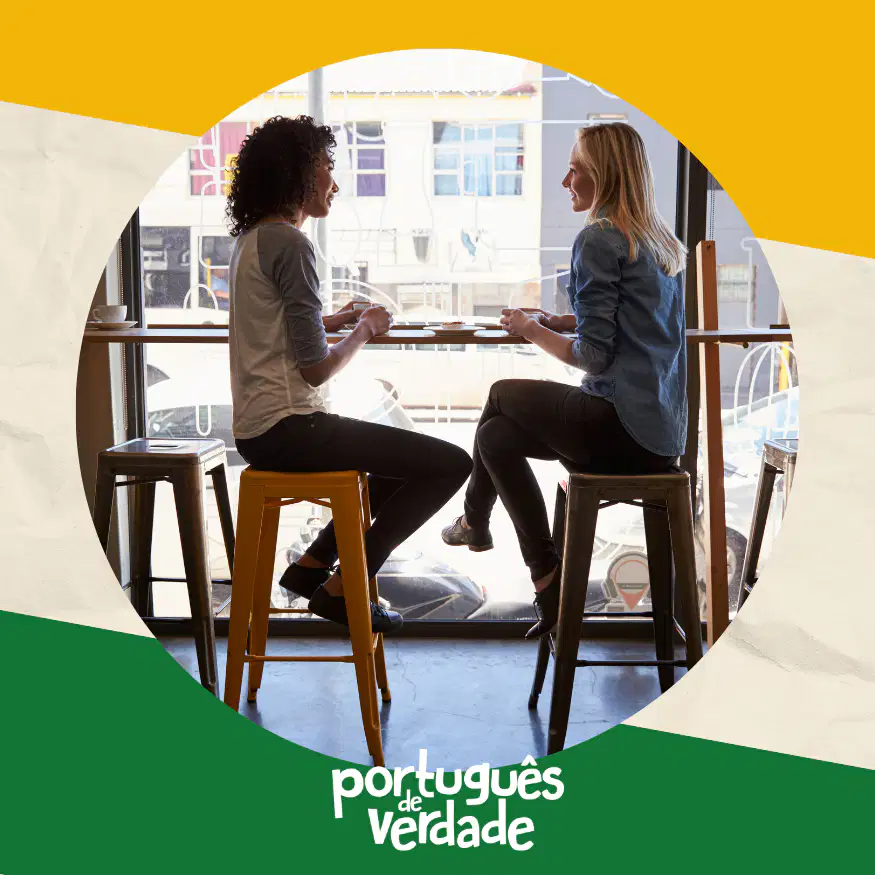
To meet somewhere

To let someone know / To inform someone
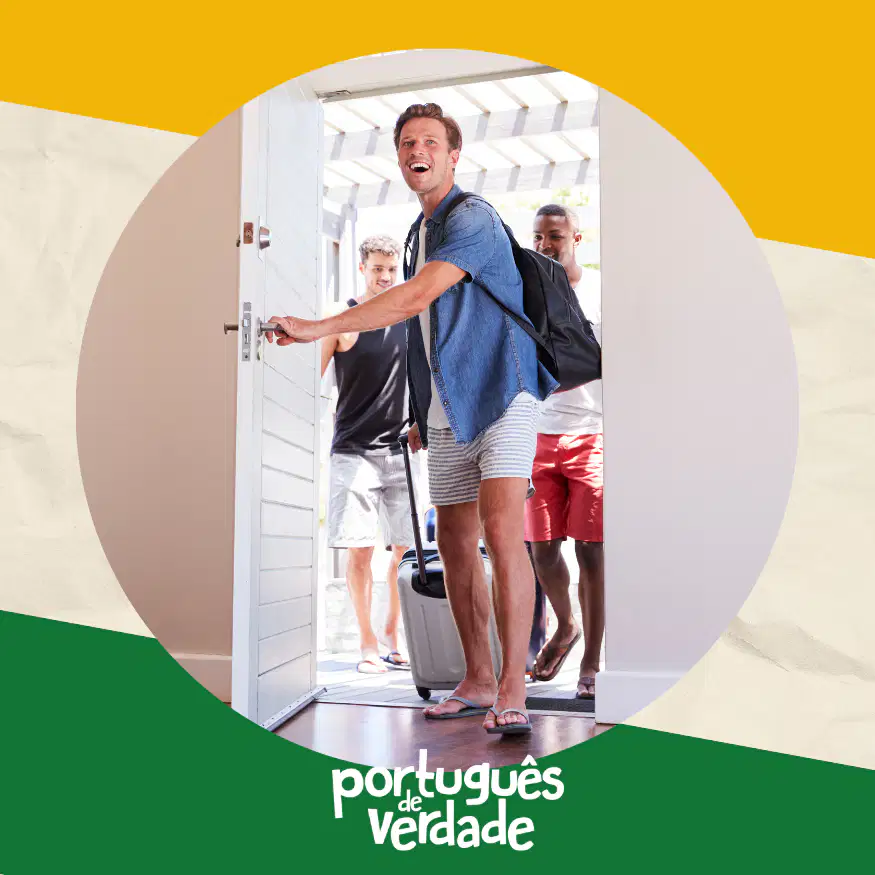
To arrive somewhere
Match the new verbs from Lucas, and Júlia’s conversation when they were trying to make plans to meet at her favorite café.

To wait for someone
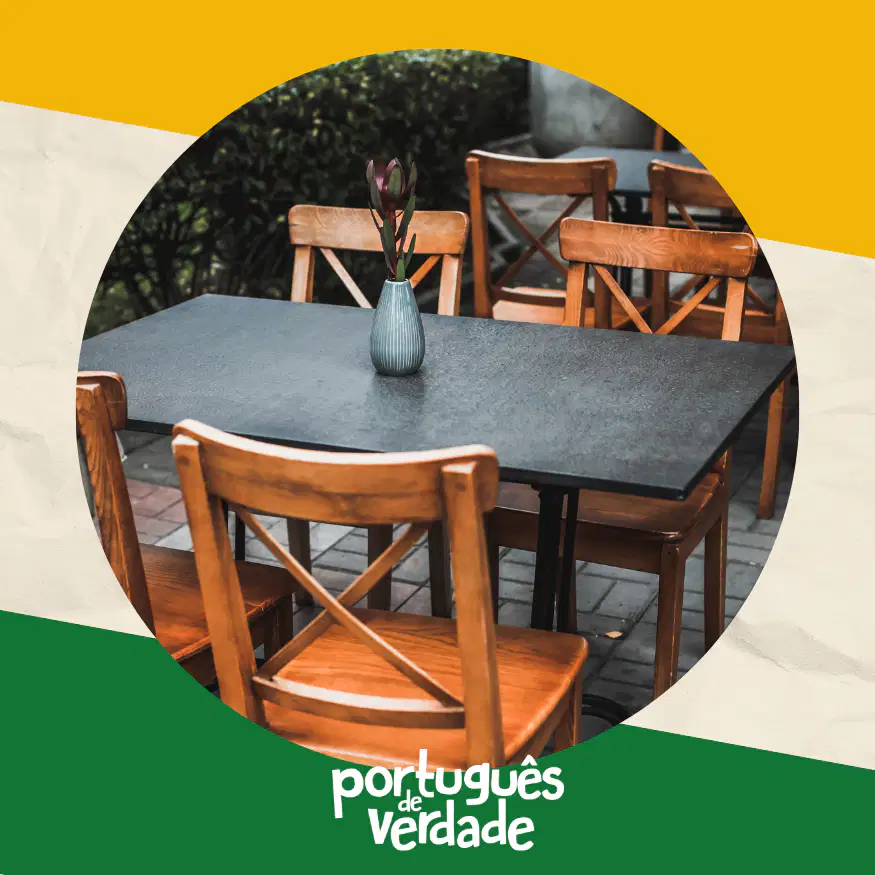
To save a spot / To hold a place

To have a chat / To have a talk
Match the Portuguese adverbs of place with their meanings

where I am

where you are

near us, but not with us

far from both of us / already mentioned
Lucas and Júlia are making plans to meet at a café, but Júlia is running late. Listen to their conversation and answer the questions.
Glossary:
estar atrasado: to be late
sentar: to sit
trânsito: traffic jam
péssimo: awful
será que dá..?: Is it possible to...?
antes: before
achar: to think/to find
ficar: to stay/to be in a place
janela: window
TRUE OR FALSE: Júlia and Lucas are meeting at a restaurant.
VERDADEIRO
FALSO
Who arrives first at the café?
(a)
Why is Júlia late?
(a)
TRUE OR FALSE: Lucas refuses to wait for Júlia.
VERDADEIRO
FALSO
What does Júlia ask Lucas to order for her?
(a)
How does Júlia like her cappuccino?
Com açúcar
Sem açúcar
How long does Júlia think it will take her to arrive?
5 minutes
10 minutes
15 minutes
30 minutes
Where does Lucas say he will sit?
At the counter near the barista
Outside, on the terrace
At a table near the door
At the table near the window

