
 Worksheets
IE TRM 2025
Total questions: 17
Worksheet time: 35mins
Is Solar Energy The Magic Solution?
Energy is a big topic these days. We need energy for almost everything we do: driving cars, watching TV, charging our phones, heating our homes, lighting the streets and so on. But where does this energy come from? And how can we make sure it doesn't hurt our planet?
One type of energy is solar energy. This comes from the sun. Solar panels capture sunlight and turn it into energy we can use. It's a clean way to make energy and doesn't pollute the air. But is solar energy a magic solution? Let's compare it with other types of energy.
Wind energy also comes from nature. Wind turbines capture the wind and turn it into energy. Like solar energy, wind energy doesn't pollute the air. But wind turbines can be noisy and not everyone likes how they look. Many neighbourhoods or towns protest strongly about how wind turbines look when put on nearby hillsides or in the sea close to the beach.
Nuclear energy is another type. This comes from splitting atoms, tiny particles that make up everything around us. Nuclear energy is very powerful and doesn't produce air pollution. But it can be dangerous if something goes wrong and it produces waste that is hard to get rid of and lasts a long time.
Then there's hydro energy. This comes from water. Dams capture the energy of flowing water and turn it into energy we can use. Hydro energy doesn't pollute the air either. But building dams can harm the environment by changing the flow of rivers and affecting wildlife.
So, is solar energy the best choice? It's clean and safe. It doesn't pollute the air. It doesn't make noise. And it doesn't harm wildlife. But there's one big problem. Solar panels need sunlight. On cloudy days, they can't make much energy. They are quite reliant on the weather.
This means we can't rely on solar energy alone. We need a mix of different types of energy. This way, we can always have the energy we need without harming our planet.
So, solar energy might not be the magic solution. But it's definitely part of the answer.
Question: Which of these is false about solar energy
It doesn't harm wildlife.
It doesn’t pollute the air.
It doesn’t turn sunlight into energy.
It doesn’t produce much energy on cloudy days.
Is Solar Energy The Magic Solution?
Energy is a big topic these days. We need energy for almost everything we do: driving cars, watching TV, charging our phones, heating our homes, lighting the streets and so on. But where does this energy come from? And how can we make sure it doesn't hurt our planet?
One type of energy is solar energy. This comes from the sun. Solar panels capture sunlight and turn it into energy we can use. It's a clean way to make energy and doesn't pollute the air. But is solar energy a magic solution? Let's compare it with other types of energy.
Wind energy also comes from nature. Wind turbines capture the wind and turn it into energy. Like solar energy, wind energy doesn't pollute the air. But wind turbines can be noisy and not everyone likes how they look. Many neighbourhoods or towns protest strongly about how wind turbines look when put on nearby hillsides or in the sea close to the beach.
Nuclear energy is another type. This comes from splitting atoms, tiny particles that make up everything around us. Nuclear energy is very powerful and doesn't produce air pollution. But it can be dangerous if something goes wrong and it produces waste that is hard to get rid of and lasts a long time.
Then there's hydro energy. This comes from water. Dams capture the energy of flowing water and turn it into energy we can use. Hydro energy doesn't pollute the air either. But building dams can harm the environment by changing the flow of rivers and affecting wildlife.
So, is solar energy the best choice? It's clean and safe. It doesn't pollute the air. It doesn't make noise. And it doesn't harm wildlife. But there's one big problem. Solar panels need sunlight. On cloudy days, they can't make much energy. They are quite reliant on the weather.
This means we can't rely on solar energy alone. We need a mix of different types of energy. This way, we can always have the energy we need without harming our planet.
So, solar energy might not be the magic solution. But it's definitely part of the answer.
Question: What is a disadvantage of wind energy?
It pollutes the air.
Not everyone like how wind turbines look.
The turbines can be very dangerous.
It cannot be used at night.
Is Solar Energy The Magic Solution?
Energy is a big topic these days. We need energy for almost everything we do: driving cars, watching TV, charging our phones, heating our homes, lighting the streets and so on. But where does this energy come from? And how can we make sure it doesn't hurt our planet?
One type of energy is solar energy. This comes from the sun. Solar panels capture sunlight and turn it into energy we can use. It's a clean way to make energy and doesn't pollute the air. But is solar energy a magic solution? Let's compare it with other types of energy.
Wind energy also comes from nature. Wind turbines capture the wind and turn it into energy. Like solar energy, wind energy doesn't pollute the air. But wind turbines can be noisy and not everyone likes how they look. Many neighbourhoods or towns protest strongly about how wind turbines look when put on nearby hillsides or in the sea close to the beach.
Nuclear energy is another type. This comes from splitting atoms, tiny particles that make up everything around us. Nuclear energy is very powerful and doesn't produce air pollution. But it can be dangerous if something goes wrong and it produces waste that is hard to get rid of and lasts a long time.
Then there's hydro energy. This comes from water. Dams capture the energy of flowing water and turn it into energy we can use. Hydro energy doesn't pollute the air either. But building dams can harm the environment by changing the flow of rivers and affecting wildlife.
So, is solar energy the best choice? It's clean and safe. It doesn't pollute the air. It doesn't make noise. And it doesn't harm wildlife. But there's one big problem. Solar panels need sunlight. On cloudy days, they can't make much energy. They are quite reliant on the weather.
This means we can't rely on solar energy alone. We need a mix of different types of energy. This way, we can always have the energy we need without harming our planet.
So, solar energy might not be the magic solution. But it's definitely part of the answer.
Question: What is a risk of nuclear energy?
It produces waste that is around for a long time.
It doesn’t produce enough power.
It produces air pollution.
It harms wildlife.
Is Solar Energy The Magic Solution?
Energy is a big topic these days. We need energy for almost everything we do: driving cars, watching TV, charging our phones, heating our homes, lighting the streets and so on. But where does this energy come from? And how can we make sure it doesn't hurt our planet?
One type of energy is solar energy. This comes from the sun. Solar panels capture sunlight and turn it into energy we can use. It's a clean way to make energy and doesn't pollute the air. But is solar energy a magic solution? Let's compare it with other types of energy.
Wind energy also comes from nature. Wind turbines capture the wind and turn it into energy. Like solar energy, wind energy doesn't pollute the air. But wind turbines can be noisy and not everyone likes how they look. Many neighbourhoods or towns protest strongly about how wind turbines look when put on nearby hillsides or in the sea close to the beach.
Nuclear energy is another type. This comes from splitting atoms, tiny particles that make up everything around us. Nuclear energy is very powerful and doesn't produce air pollution. But it can be dangerous if something goes wrong and it produces waste that is hard to get rid of and lasts a long time.
Then there's hydro energy. This comes from water. Dams capture the energy of flowing water and turn it into energy we can use. Hydro energy doesn't pollute the air either. But building dams can harm the environment by changing the flow of rivers and affecting wildlife.
So, is solar energy the best choice? It's clean and safe. It doesn't pollute the air. It doesn't make noise. And it doesn't harm wildlife. But there's one big problem. Solar panels need sunlight. On cloudy days, they can't make much energy. They are quite reliant on the weather.
This means we can't rely on solar energy alone. We need a mix of different types of energy. This way, we can always have the energy we need without harming our planet.
So, solar energy might not be the magic solution. But it's definitely part of the answer.
Question: Why can’t we rely on solar energy alone?
Because it’s very expensive
Because it produces air pollution.
Because it harms wildlife.
Because solar panels need sunlight.
Is Solar Energy The Magic Solution?
Energy is a big topic these days. We need energy for almost everything we do: driving cars, watching TV, charging our phones, heating our homes, lighting the streets and so on. But where does this energy come from? And how can we make sure it doesn't hurt our planet?
One type of energy is solar energy. This comes from the sun. Solar panels capture sunlight and turn it into energy we can use. It's a clean way to make energy and doesn't pollute the air. But is solar energy a magic solution? Let's compare it with other types of energy.
Wind energy also comes from nature. Wind turbines capture the wind and turn it into energy. Like solar energy, wind energy doesn't pollute the air. But wind turbines can be noisy and not everyone likes how they look. Many neighbourhoods or towns protest strongly about how wind turbines look when put on nearby hillsides or in the sea close to the beach.
Nuclear energy is another type. This comes from splitting atoms, tiny particles that make up everything around us. Nuclear energy is very powerful and doesn't produce air pollution. But it can be dangerous if something goes wrong and it produces waste that is hard to get rid of and lasts a long time.
Then there's hydro energy. This comes from water. Dams capture the energy of flowing water and turn it into energy we can use. Hydro energy doesn't pollute the air either. But building dams can harm the environment by changing the flow of rivers and affecting wildlife.
So, is solar energy the best choice? It's clean and safe. It doesn't pollute the air. It doesn't make noise. And it doesn't harm wildlife. But there's one big problem. Solar panels need sunlight. On cloudy days, they can't make much energy. They are quite reliant on the weather.
This means we can't rely on solar energy alone. We need a mix of different types of energy. This way, we can always have the energy we need without harming our planet.
So, solar energy might not be the magic solution. But it's definitely part of the answer.
Question: What would an expert likely to say about the future of energy production?
Solar energy is the overall winner.
We need to stop producing so much energy.
We should go back to using charcoal which works in all situations.
We need different solutions for different places.

According to the table, if the worker has been working for fifteen years, how many days of leave will he/she have?
10
7
15
14
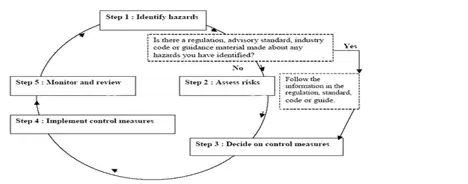
Which of the following is true about the above figure?
It is a flowchart on how to handle hazards in the workplace
It is a step-by-step instruction guide on how to solve problems in the workplace
It is a flowchart on who you should report to when you identify a hazard
It is a guidance material listing down the types of hazards in the workplace
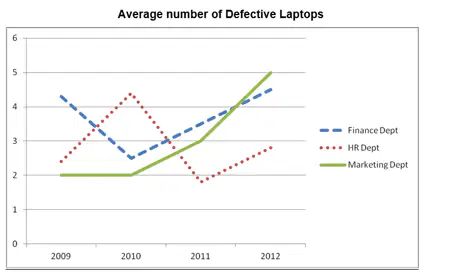
In 2010, which department had the highest number of laptops that were unfit for use?
Finance Department
Human Resource Department
Marketing Department
All Departments
... is the single most important part of making a successful presentation.
Organization
Preparation
Structure
Understanding
When giving a presentation in front of an audience you should do all of the following EXCEPT for:
Speak loud and clear
Provide handouts if needed
Dress professionally
Look at your screen and not the audience
What should you do at the very beginning of a presentation?
Tell a joke
Introduce yourself
Ask questions
Shake everyone's hands
Typically, story telling is a great presentation skill because ...
Everyone loves some good gossip.
Audiences respond well to random, off-topic stories that detract from the overall point of the presentation.
Audiences respond well to anecdotes when trying to connect to a learning point.
Audiences love any opportunity for a little snooze.
The two main components of great actual delivery skills are...
Maintaining a safe distance, lecture type presentations.
Speaking from behind and Oz-like curtain, lectures.
Maintaining eye contact, open gestures.
Maintaining eye contact, no sudden body movements.
what is something to do to have a good presentation?
stand out
speak softly
focus
practice
Why should you keep text to a minimum on slides?
So the focus is on you as the speaker
To help make your presentation longer
So the pictures are easier to see
To make sure the audience can read everything you have to tell them
Read the passage and state whether the statements are true or false. If it is false, please state the reason(s)
To: Jonas Schiffer
From: Nina Petrov
Subject: Report on Lumos conference
Dear Jonas,
Thanks for making it possible for me to go to the Lumos conference in London last week. As you know, it is the biggest energy conference in the country and very important to our work.
I learned a lot and I’ve made some new contacts that will be good for our company. I think we should try to attend the ‘Innovation Day’ in April as well.
I focused on talks about todays’ energy challenge. It turned out to be a grave threat to sustainable development in developing countries since their energy needs is increasing more quickly than advanced countries. On the other side, fossil fuel combustion cannot maintain longer in the foreseeable future because of the environmental impact and the reduction of resources. Fourth-largest energy source in the world is biomass and was rich in the countries. I’m attaching a detailed report on this new research with some suggestions about how we can use it.
Thanks again for this opportunity. I’m happy to discuss the report further if you’re interested.
Best regards, Nina
1. This is the first time Jonas hears about the conference. (True/False)
2. Nina learned new things and met interesting people. (True/False)
3. Nina went to talk about many different things. (True/False)
4. Renewable energy is of interest to their company. (True/False)
5. Nina is sending Jonas old information on energy. (True/False)
6. Nina has some ideas about using the research. (True/False)
You and your team have presented a topic about renewable energy. Please explain:
a. the topic of your presentation
b. the content of your presentation
c. the strength of you presentation
d. things you need to improve from your presentation

